A discreet buyer’s guide for evaluating Brickell Key condominium life with multiple pets, from association rules and residence planning to daily routines, resale discipline, and private advisory strategy.
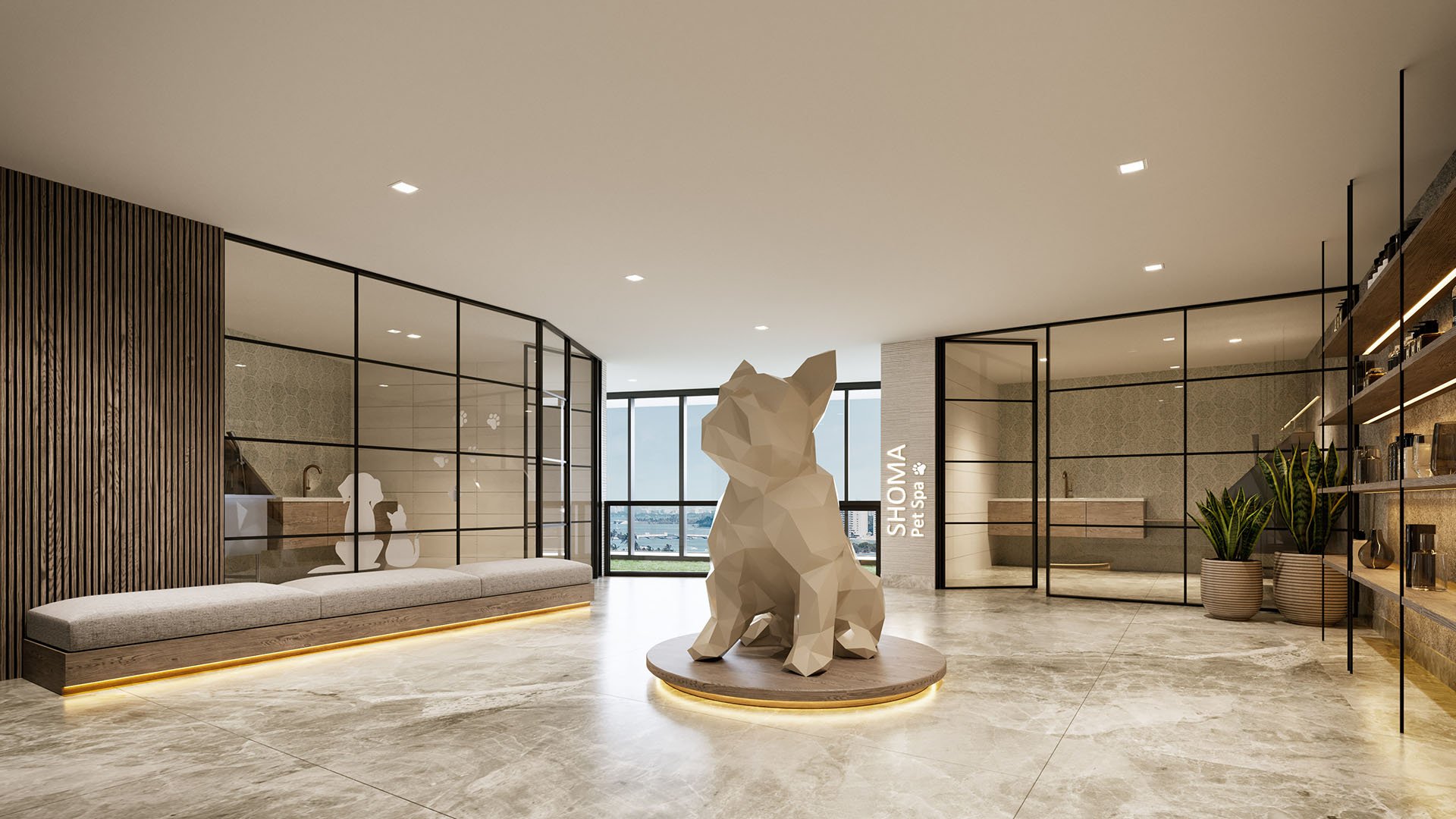
Buying on Brickell Key with more than one pet is not simply a search for a pet-friendly condominium. It is a search for a residence, an association, a service culture, and a daily routine that can absorb the realities of a multi-pet household without friction. For many luxury buyers, pets are not an afterthought. They influence floor plan, elevator preference, lobby tolerance, staff interaction, cleaning protocols, outdoor timing, and even resale strategy.
That is why the most successful buyers begin with documents, not finishes. A beautiful residence can become impractical if the association’s pet limits, registration process, common-area rules, or enforcement culture do not align with the way the household actually lives. Conversely, a slightly less dramatic view may become the stronger acquisition if the building’s operating rhythm makes everyday life calm, private, and predictable.
For Brickell buyers, the conversation often begins with views, service, and architecture. For pets, the lens becomes more intimate: dog-park access, waterfront climate considerations, and balcony habits should be evaluated with the same seriousness as parking, storage, and private elevator access.
For buyers with multiple pets, the first threshold is not whether pets are generally allowed. The real questions are more exacting. How many pets are permitted per residence? Are there weight, breed, species, or size restrictions? Are tenants treated differently from owners? Is board approval required? Are pet interviews, registrations, DNA programs, deposits, or insurance requirements part of the process? Are there different rules for emotional support animals or service animals that should be reviewed with counsel?
A serious buyer should request the declaration, bylaws, rules and regulations, house rules, application package, fee schedule, and any pet-specific addenda before becoming emotionally attached to a unit. Minutes and recent amendments can also be useful because a written rule and an actively enforced rule are not always experienced the same way. The goal is not to challenge the building. The goal is to understand whether the building and household are compatible.
This is especially important for buyers arriving from single-family estates, townhomes, or large-format residences where pet routines have been private and self-directed. A condominium introduces shared elevators, corridors, loading areas, staff protocols, and neighbor proximity. The more pets in the household, the more important it becomes to understand how those shared spaces function.
The right floor plan for multiple pets is usually the one that reduces repetitive stress. Look for a logical entry sequence, durable flooring or flooring that can be protected, space for feeding stations away from formal entertaining areas, a discreet location for crates or beds, and a laundry or utility zone that can support grooming towels, cleaning supplies, and pet gear. If the residence has outdoor space, understand how the association regulates balcony use before assuming it can serve any pet-related function.
Elevator experience matters. A high-floor residence may provide privacy and drama, but it can also add time to every outing. A lower-floor residence may feel more practical for older dogs, frequent walks, or pets with medical needs. Neither is inherently superior. The right answer depends on the animal profile, the owner’s schedule, and the building’s circulation.
Buyers comparing Brickell Key with nearby Brickell addresses often use mainland new developments as a reference point for planning and service expectations. Projects such as 2200 Brickell and Cipriani Residences Brickell can help frame the broader Brickell conversation, particularly for buyers weighing new-construction layouts against established island condominium living.
A sophisticated pet buyer should tour at the times the household will actually move through the building. Morning, early evening, and late night can feel very different. Observe how residents use elevators, how staff manage arrivals, whether lobby circulation feels formal or relaxed, and how much space exists for a calm pause if another dog enters the scene.
For multiple pets, the exterior routine is just as important. Walk the actual path from the unit to the elevator, from the elevator to the lobby, and from the lobby to the outdoor route. Consider rain, heat, guest traffic, valet activity, luggage carts, and deliveries. A routine that feels charming during a quiet showing can become cumbersome twice a day if the building is not aligned with the household’s rhythm.
The most discreet buyers also ask operational questions without making the pets the entire identity of the purchase. How are service elevators used? Are there preferred routes for pets? Are certain entries expected? What is the process if a pet sitter or trainer needs access? Does the building require documentation for recurring pet-care professionals? These are not minor details. They determine whether the residence will live gracefully.
Rules provide the framework, but culture determines the experience. Some buildings may be formal and quiet, with residents expecting minimal pet visibility in common areas. Others may feel more relaxed, even if the written policy is equally strict. The buyer’s task is to identify fit before closing.
This is where private representation becomes valuable. A polished listing description rarely captures whether a building is tolerant of multiple-pet households, whether management is responsive, or whether residents tend to object quickly to noise, odor, elevator behavior, or common-area use. Buyers should avoid relying on verbal assurances that are not supported by documents or confirmed through proper channels.
For those who want to stay within the Brickell luxury ecosystem while testing alternatives, Baccarat Residences Brickell and St. Regis® Residences Brickell may be part of a broader comparison set. The point is not that one address is universally better for pets. The point is that multi-pet buyers should compare rules, layouts, and service models with discipline.
Pet compatibility is also a resale issue. A residence that works only because of an informal exception, a friendly manager, or a loose interpretation of rules carries avoidable risk. Future buyers, future boards, and future management teams may not view the situation the same way. If the household requires three animals, a large dog, a visiting handler, or unusual routines, the permission structure should be clear and durable.
Buyers should also consider how pet-related wear will be perceived at resale. Odor, scratches, damaged thresholds, stained terraces, and improvised pet areas can undermine even a beautifully designed home. The luxury standard is not merely to accommodate pets. It is to make pet ownership nearly invisible to the next buyer.
That means investing in materials, cleaning systems, storage, and staff routines from the beginning. The best multi-pet homes are planned, not improvised. They feel elegant because the operational layer has been resolved before move-in.
Can I assume a Brickell Key condo allows multiple pets if it is described as pet-friendly? No. Pet-friendly can mean many things, so the exact association documents should be reviewed before making assumptions.
Which documents should I request first? Ask for the declaration, bylaws, rules and regulations, house rules, application package, and any pet-specific forms or addenda.
Should I disclose all pets before submitting an offer? Yes. Your representation should understand the full pet profile early so the correct policy questions can be asked before deadlines matter.
Are service animals and emotional support animals handled the same as ordinary pets? They may be subject to different legal standards, so buyers should seek qualified legal guidance rather than relying on casual assurances.
Is a high-floor residence a bad idea for dog owners? Not necessarily. It depends on elevator service, the dog’s age, walk frequency, and how the building manages pet circulation.
Can a balcony replace outdoor pet access? Usually, it should not be treated that way without confirming building rules and considering hygiene, safety, and neighbor impact.
What if my pets exceed the stated limit? Do not assume an exception will be granted. Any approval should be documented through the proper association process.
Should I meet building management before closing? When possible, yes. A professional conversation can clarify procedures, expectations, and the tone of daily life in the building.
Do pet rules affect resale value? They can affect the future buyer pool, especially if the residence appeals to households with animals but the rules are restrictive.
What is the best way to shortlist comparable options for touring? Start with location fit, delivery status, and daily lifestyle priorities, then compare stacks and elevations to validate views and privacy.
For a tailored shortlist and next-step guidance, connect with MILLION.
If branded residences are on your mind — as a home or as an allocation — we would be glad to share what we are seeing, privately.
Begin a quiet conversation