A practical guide for New York buyers considering Sunny Isles Beach condominiums through trusts, LLCs, or other privacy-conscious ownership structures.

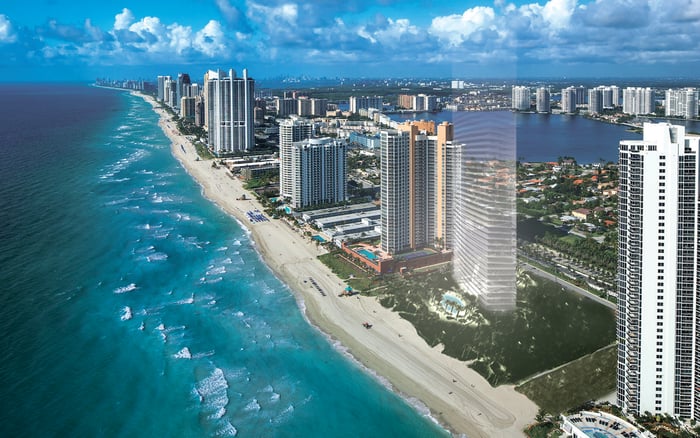
For New York buyers, Sunny Isles Beach presents a very different ownership culture. The city occupies a barrier island in Miami-Dade County, with the Atlantic Ocean on one side and the Intracoastal Waterway on the other. Its luxury condominium market is built around fee ownership, association governance, waterfront amenities, and a public-records environment that can feel unfamiliar to those accustomed to Manhattan co-ops or discreet family office structures.
That distinction matters. In New York, co-op ownership generally means shares in a cooperative corporation and a proprietary lease. In Florida, a condominium buyer typically takes title to a unit interest governed by a declaration, bylaws, rules, common elements, and an association framework under Chapter 718. A purchase at Jade Signature Sunny Isles Beach, for example, should be evaluated not only as a lifestyle acquisition, but also as a legal, tax, privacy, and governance decision.
Many New York clients arrive with a direct question: can I buy in a trust or LLC and keep my name out of view? The more useful answer is that privacy in Florida is layered and limited. Miami-Dade County Official Records include recorded instruments such as deeds and mortgages, which means basic ownership and transfer information can be publicly searchable. Florida documentary stamp tax on deeds is generally based on consideration, so recorded tax amounts can also reveal or suggest transaction value.
A Florida land trust can separate record title from beneficial ownership because real property may be conveyed to a trustee with powers set out in the recorded instrument. That can be a valuable planning tool. It is not, however, a universal privacy shield. Lenders, title companies, condominium associations, tax filings, insurance parties, and federal reporting rules may still require disclosure of the people behind the structure.
LLCs require the same caution. Florida LLC filings and annual reports are searchable through Sunbiz, so managers, members, mailing addresses, or registered agent choices can compromise anonymity. If a New York LLC is used in the purchase structure, New York’s LLC Transparency Act may also require certain beneficial ownership disclosures to the New York Department of State. The jurisdiction of the entity is therefore not a cosmetic choice.
Trust or entity ownership should be reviewed at the building level before the contract is signed. A Sunny Isles Beach condominium buyer using a trust or LLC should study the declaration, bylaws, application package, occupancy restrictions, leasing rules, and approval process because association requirements are property-specific.
This is especially important in ultra-luxury buildings, where the ownership name, trustee authority, entity documents, beneficial owner information, and intended occupancy may be reviewed before closing. A buyer considering Bentley Residences Sunny Isles should understand that a privacy structure must still be compatible with the project’s application and closing requirements. The same principle applies throughout the Oceanfront corridor, whether the residence is intended for seasonal use, long-term family occupancy, or eventual estate transfer.
Changing the buyer name late in the process can create avoidable friction. It may affect lender approval, title underwriting, association review, closing statements, and documentary stamp calculations. The ownership vehicle should be selected early, with Florida real estate counsel, New York trusts-and-estates counsel, tax counsel, the lender, and the title company aligned before the first contract draft is finalized.
Florida does not impose a personal income tax, a major contrast for buyers leaving New York. New York State taxes resident individuals on income, and New York City residents may also owe city personal income tax. But buying in Sunny Isles Beach is not, by itself, the same as changing domicile.
A condominium at St. Regis® Residences Sunny Isles may become part of a broader relocation plan, but residency should be addressed with counsel through facts, records, timing, family patterns, and tax filings. For high-net-worth buyers, the question is rarely only where the apartment is located. It is where life, intent, documentation, and financial reporting actually point.
Florida’s homestead framework is one reason many New York families look seriously at permanent residence planning. The homestead exemption generally applies when a person has legal or equitable title to a Florida residence and maintains it as a permanent residence. Save Our Homes can cap annual increases in assessed value for qualifying homestead property, making title, timing, and residency coordination important.
Florida’s constitutional homestead protection can also protect qualifying homestead property from forced sale by many creditors, subject to constitutional exceptions. But homestead is not merely an asset-protection phrase. Florida homestead property is subject to devise restrictions when the owner is survived by a spouse or minor child, which can affect trust and estate planning in meaningful ways.
That is why a revocable trust, irrevocable trust, land trust, individual title, or LLC structure should not be chosen from a template. Florida’s Trust Code governs express trusts, and the interaction between trust language, homestead status, estate planning, creditor protection, and tax objectives must be deliberate.
Federal anti-money-laundering rules are also part of the modern luxury transaction. FinCEN’s residential real estate rule targets certain non-financed transfers of residential property to legal entities and trusts, requiring reports about beneficial owners and transfer details. The rule is effective December 1, 2025, so post-effective-date acquisitions in Sunny Isles Beach by trusts or entities may trigger federal reporting.
That reporting regime is separate from FinCEN’s beneficial ownership information program, which should also be checked when forming or using entities. A buyer at The Ritz-Carlton Residences® Sunny Isles may never see these mechanics in the marketing presentation, but they can shape closing logistics, document requests, and expectations of confidentiality.
The most elegant structure is usually the one that balances privacy, financing, association approval, tax planning, homestead eligibility, estate planning, and future resale. For some buyers, that may be individual ownership with refined estate documents. For others, it may be a Florida revocable trust, a land trust, an LLC, or a layered arrangement. The correct answer depends on use, family profile, creditor concerns, financing, domicile goals, and the specific condominium’s rules.
Sunny Isles Beach rewards preparation. Buyers who treat privacy as part of the acquisition architecture, rather than a last-minute closing instruction, tend to move more smoothly. The goal is not secrecy for its own sake. It is controlled disclosure, clean title, compliant reporting, and a residence that fits the buyer’s life on both sides of the New York-to-Florida transition.
Can a New York buyer purchase a Sunny Isles Beach condo in a trust? Often yes, but the condominium declaration, bylaws, lender requirements, and title underwriting should be reviewed before contract signing.
Does a trust keep the buyer’s identity completely private? No. A trust may separate record title from beneficial ownership, but associations, lenders, title companies, tax filings, and federal rules may still require disclosures.
Is an LLC more private than a trust in Florida? Not always. Florida LLC filings and annual reports are searchable, and listed managers, members, or addresses may identify the buyer.
Can a New York LLC be used to buy in Sunny Isles Beach? It may be possible, but New York beneficial ownership disclosure rules should be reviewed before using a New York entity for a Florida acquisition.
Will the purchase price be hidden from public view? Not necessarily. Recorded documentary stamp tax can reveal or suggest transaction value because it is generally based on consideration.
Do condo associations review trust or LLC buyers differently? They may. Association approval and occupancy rules are property-specific, so the governing documents and application package should be reviewed early.
Does buying in Florida automatically end New York tax residency? No. Florida has no personal income tax, but domicile changes require careful planning beyond simply purchasing a residence.
Can a trust-owned condo qualify for Florida homestead benefits? It can depend on legal or equitable title, trust terms, occupancy, and whether the property is maintained as a permanent residence.
What changes after December 1, 2025? Certain non-financed residential transfers to legal entities and trusts may trigger federal real estate reporting about beneficial owners and transfer details.
When should the ownership structure be chosen? Before signing the contract. Late changes can affect financing, title work, association approval, reporting, and closing logistics.
For a confidential assessment and a building-by-building shortlist, connect with MILLION.
If branded residences are on your mind — as a home or as an allocation — we would be glad to share what we are seeing, privately.
Begin a quiet conversation