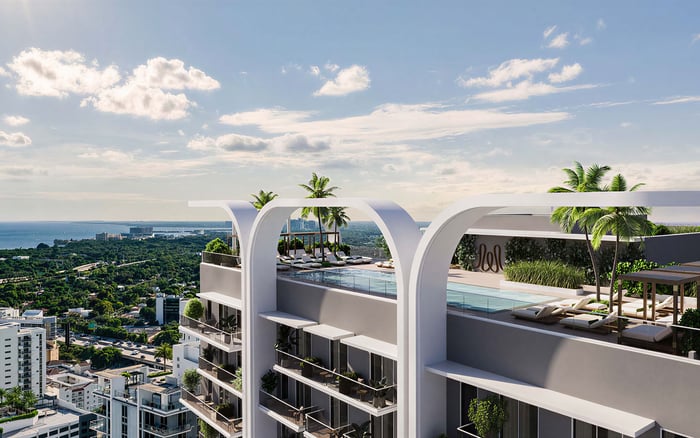
A discreet due-diligence guide for serious Brickell buyers weighing branded, wellness-oriented, and service-driven residences before signing a luxury condominium contract.
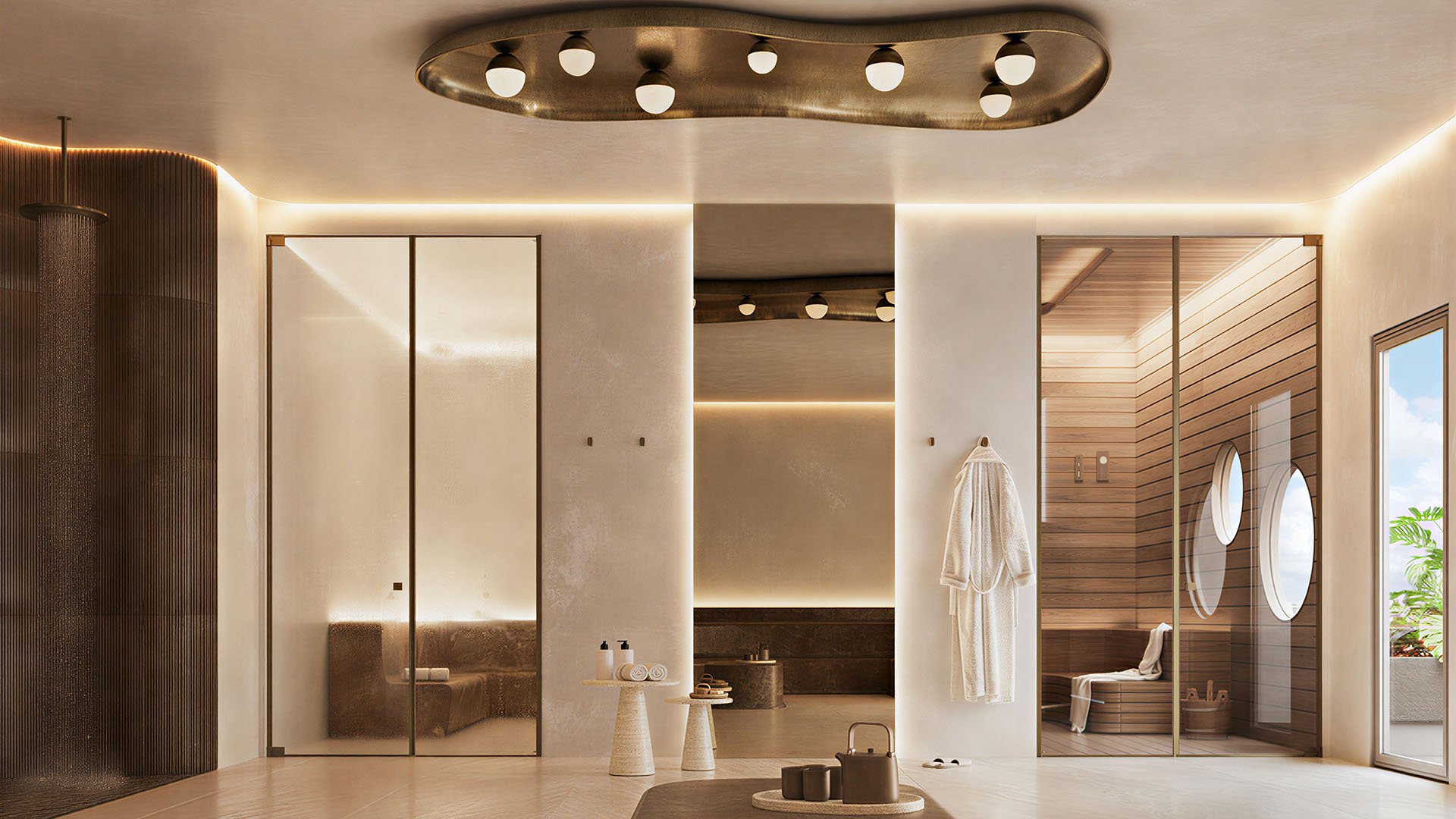
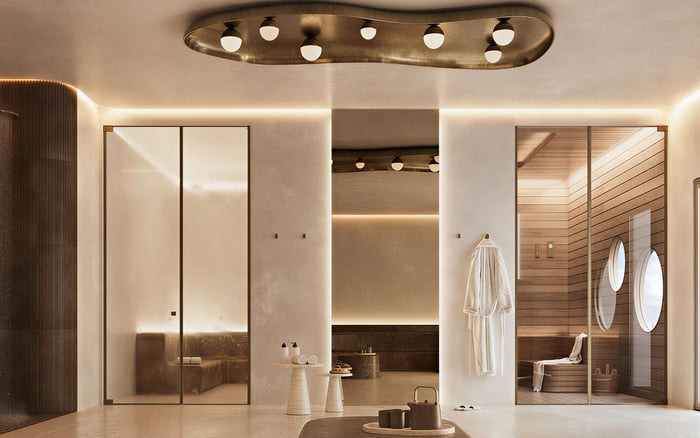
The most sophisticated Brickell buyers are no longer asking only which tower offers the most dramatic arrival sequence or the most cinematic water view. They are asking how the building will live day to day, how it will be governed, how services will be funded, and how its identity may hold value over time. That is especially true when considering residences like St. Regis® Residences Brickell, House of Wellness Brickell, and Viceroy Brickell.
The surface appeal of a luxury residence is easy to grasp. The more demanding work is separating atmosphere from obligation. In Brickell, where new-construction buyers may be weighing branded hospitality, wellness positioning, waterfront proximity, urban convenience, and future resale potential, diligence should be unusually exacting. This is where a beautiful brochure becomes a financial, legal, and operational decision.
For this MILLION Buyer's Guides approach, the most useful mindset is simple: treat every promise as a system. If a residence is positioned around service, ask who provides it, who pays for it, and how it is protected contractually. If it is positioned around privacy, ask who else can access the amenities. If it is positioned around resilience, ask what that means in engineering terms.
With branded residences, the name on the building is not merely decorative. For a serious buyer, the essential question is how the brand is implemented in daily life. At a residence such as St. Regis® Residences Brickell, buyers should ask about staffing, service standards, resident privileges, and the formal brand-management agreements that govern the experience.
A refined buyer should also ask whether the brand relationship is long-term, renewable, transferable, or subject to termination. Brand continuity can influence perceived value, especially in a market where buyers often compare service culture as closely as architecture. A branded premium may be justified when the service model is durable and meaningful. It becomes less compelling if the brand is loosely attached or dependent on arrangements that could change materially.
The practical question is not whether a brand is prestigious. It is whether the brand improves day-to-day life, supports liquidity, and helps the residence stand apart when competing with alternatives such as Baccarat Residences Brickell or Una Residences Brickell in a future resale environment.
Luxury service has a cost structure. Before signing, buyers should review condominium documents, budgets, assessments, operating rules, reserves, insurance assumptions, property taxes, parking, storage, service charges, and special-assessment risk. The purchase price is only the opening figure. The ongoing ownership profile is where many buyers discover whether the lifestyle they are buying is elegantly managed or financially opaque.
One of the most important questions is what standard association fees include and what is billed separately. Concierge, valet-style services, wellness programming, private dining support, housekeeping coordination, spa access, and other hospitality-adjacent services may fall into different cost categories depending on the building’s structure. Buyers should ask for a realistic ownership-cost projection rather than relying on aspirational language.
This is particularly important in a service-forward building, where a high-touch residential environment can be a defining advantage. It can also create higher carrying costs. Neither is inherently negative. The issue is whether the buyer understands the tradeoff before committing capital.
Brand and lifestyle should never replace construction diligence. Serious buyers should evaluate the developer, design team, construction quality, and delivery track record before relying on prestige or imagery. Ask direct questions about façade systems, glass specifications, mechanical systems, backup power, and long-term maintenance planning.
In Brickell, the conversation should also include the realities of waterfront or near-waterfront ownership. Buyers should ask about flood mitigation, storm-surge exposure, hurricane resilience, salt-air corrosion planning, and insurance assumptions. These questions are not pessimistic. They are essential to preserving both comfort and asset value in South Florida.
A polished sales gallery may explain how the residence feels. A diligent review explains how the building performs. The most capable buyers bring both perspectives to the table.
Amenities are only as valuable as their access rules. Buyers should ask whether pools, lounges, fitness areas, wellness facilities, food-and-beverage spaces, club rooms, or terraces are exclusive to residents or shared with hotel, club, commercial, wellness, or outside users. Shared access is not necessarily a problem, but it must be understood.
Privacy, crowding, guest rules, reservation systems, outside memberships, and commercial activation can all shape the lived experience. A wellness-focused concept, for example, may be highly attractive to one buyer and less compelling to another if access protocols are not aligned with expectations. The serious buyer asks not simply what amenities exist, but who may use them, when they may use them, and under whose rules.
Brickell is not one single experience. A residence’s precise position can affect walkability, traffic patterns, nearby dining and retail access, arrival times, views, sound, privacy, and long-term convenience. Buyers should study the building’s immediate surroundings at different times of day, not only during a curated appointment.
Future development also matters. View corridors, congestion, pedestrian flow, and the character of adjacent parcels can evolve. A spectacular outlook today should be considered alongside the possibility of future towers or infrastructure changes. Serious buyers ask what is protected, what is probable, and what is merely hoped for.
The most elegant building still depends on governance. Buyers should ask how board control will transition, how resident voting rights work, how reserves are funded, and how management oversight will be handled after turnover. They should also examine restrictions on rentals, guests, short stays, pets, alterations, and amenity conduct.
These rules affect not only lifestyle, but also resale demand. A buyer who plans to use the residence seasonally may need different flexibility than a full-time resident who prioritizes quiet and privacy. The association’s structure can either protect the residential environment or create friction between different ownership profiles.
Before committing, buyers should examine the deposit schedule, rescission rights, closing timeline, financing contingencies, and what happens if delivery is delayed or specifications change. A luxury purchase should feel graceful, but the contract should be read with precision.
Exit strategy belongs at the beginning, not the end. Buyers should ask about the expected buyer pool, rental restrictions, international demand, competing new supply, and resale comparables. In Brickell, where buyers may be comparing branded and unbranded luxury alternatives, the central question is whether the residence can remain distinct after the first wave of marketing has passed.
A serious buyer does not buy only a floor plan. The purchase includes governance, service culture, construction durability, access rules, cost exposure, and future market position.
What is the first question a serious Brickell buyer should ask? Ask how the building will operate after closing, including services, governance, access rules, costs, and management oversight.
Why does branding matter in a residence purchase? Branding may affect service standards, resident privileges, daily experience, and resale positioning, but only if the operating structure is durable.
Should buyers compare branded and unbranded residences? Yes. The comparison helps determine whether a brand premium improves lifestyle, liquidity, and long-term demand.
What should buyers ask about monthly carrying costs? Request projections for association dues, reserves, insurance, taxes, service charges, parking, storage, and assessment risk.
Why are amenity access rules important? Access rules determine whether amenities are private to residents or shared with hotel, club, commercial, wellness, or outside users.
What construction questions matter most in Brickell? Ask about façade systems, glass, mechanical systems, backup power, maintenance planning, storm resilience, and salt-air exposure.
How should buyers think about Brickell micro-location? Study walkability, traffic, nearby retail and dining, future development, potential view impacts, and daily arrival patterns.
What governance issues should be reviewed? Review board control, voting rights, reserves, management oversight, rental limits, guest rules, and post-turnover procedures.
Why is exit strategy part of pre-purchase diligence? Resale demand depends on buyer pool, rental flexibility, competing supply, ownership costs, and the building’s lasting differentiation.
Is a wellness or hospitality concept enough to justify a purchase? No. The concept should be matched with clear documents, sustainable costs, strong governance, and credible long-term operations.
For a discreet conversation and a curated building-by-building shortlist, connect with MILLION.
If branded residences are on your mind — as a home or as an allocation — we would be glad to share what we are seeing, privately.
Begin a quiet conversation