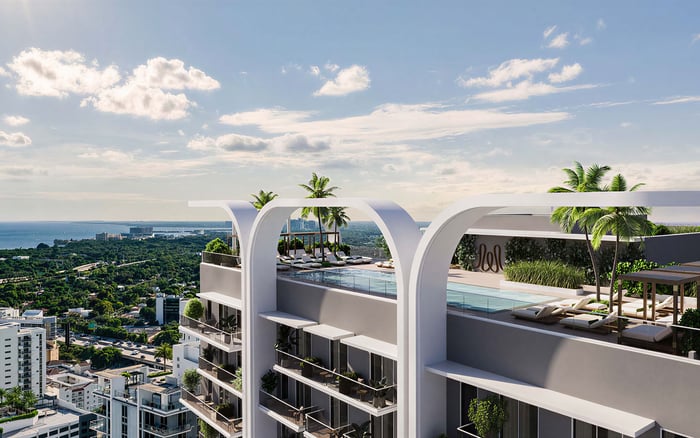
A discreet buyer’s guide for Houston owners evaluating Brickell lock-and-leave residences, from building operations and resilience to lifestyle fit, association governance, and second-home readiness.

For many Houston buyers, home has traditionally meant land, privacy, garage capacity, a pool, and the comfort of daily control. Brickell reframes the question: what if luxury is measured not by how much you personally manage, but by how confidently you can leave?
That is the appeal of the lock-and-leave home. At its most refined, it is not merely a condominium with a front desk. It is a residence supported by professional management, controlled access, durable building systems, thoughtful materials, and a rhythm of service that continues whether the owner is in Miami, Houston, Aspen, New York, or abroad. For a buyer accustomed to a single-family house, the shift is philosophical as much as physical.
This buyer’s-guide perspective is especially relevant in Brickell, where the urban luxury buyer often wants a Second-home that functions without daily oversight. The right building can turn South Florida ownership from another responsibility into an elegant extension of a mobile life.
A true lock-and-leave residence begins with reduced exposure. Detached houses have lawns, roofs, exterior walls, pool equipment, gates, irrigation, and multiple access points. In a well-managed vertical building, many of those variables move from the individual owner to the association and its management team.
The buyer’s task is to separate presentation from infrastructure. A staffed lobby, valet, and attractive amenity deck may signal convenience, but the deeper test is operational discipline. How are vendors supervised? How are maintenance issues documented? What happens when a unit is unoccupied for a month? Are package rooms, service elevators, loading areas, and guest access carefully controlled?
Brickell offers the density and service culture that can make this model work. Residences such as 2200 Brickell invite Houston buyers to consider how a more compact, managed environment can replace the private-home checklist with a building-level standard of care.
The Houston owner often arrives with expectations shaped by space, driving, and household staff. Brickell offers walkability, vertical views, restaurants, offices, waterfront proximity, and immediate access to Miami’s civic and cultural energy. The tradeoff is less private land and more shared governance.
That does not mean surrendering control. It means choosing where control should live. Instead of personally arranging roof inspections or landscape maintenance, the owner evaluates the building’s budget, management responsiveness, rules, reserves, insurance posture, and service protocols. The due diligence becomes more financial and administrative, less physical.
A Houston buyer should also think carefully about arrival. Where do you park? How does your driver, family member, or guest enter the building? Is there a private elevator experience, a secure receiving process, or a straightforward path from garage to residence? Lock-and-leave living works best when the return feels as effortless as the departure.
The most important questions are practical. First, evaluate security layering: lobby control, garage access, elevator access, camera coverage, visitor procedures, and after-hours staffing. Second, study the building envelope and mechanical systems. South Florida’s humidity, salt air, wind exposure, and heavy rains make resilience a luxury feature, not a technical footnote.
Third, review association governance. Buyers should understand monthly assessments, reserves, maintenance philosophy, and the tone of the board or developer-controlled association. A low-friction lock-and-leave lifestyle depends on competent people making consistent decisions before small issues become expensive interruptions.
Fourth, examine unit design. Durable flooring, reliable climate control, well-planned storage, leak detection, and simple access for approved vendors all matter. A glamorous residence that requires constant intervention is not truly lock-and-leave.
In Brickell, a buyer might compare the mood of Cipriani Residences Brickell with the expectations surrounding St. Regis® Residences Brickell, not as interchangeable products, but as different expressions of service, brand atmosphere, and personal fit.
New-construction can be compelling for a lock-and-leave buyer because systems, finishes, access control, and amenity programming are conceived for contemporary ownership patterns. The appeal is not novelty alone. It is the possibility of acquiring a residence aligned with current expectations for security, wellness, parking, connectivity, and staffed building life.
Move-In Ready residences, by contrast, can offer immediacy and clarity. The buyer can observe how the lobby operates, how staff interacts with residents, how the garage functions at peak times, and how the building feels after the marketing language fades. For a Houston family trying to establish a Miami base quickly, that certainty has real value.
Pre-construction buyers should focus on developer reputation, contract terms, anticipated association structure, and realistic completion expectations. Resale buyers should focus on current financials, maintenance history, rules, and the lived experience of the building. In both cases, the question is the same: can this property remain composed when the owner is absent?
For buyers considering an architectural statement in the skyline, The Residences at 1428 Brickell belongs in the conversation as a Brickell option aligned with the area’s next generation of vertical luxury.
The lock-and-leave decision should not stop at the residence door. Brickell is most persuasive when the owner wants urban access. Dining, offices, fitness, waterfront walks, and quick movement through Miami are part of the value proposition. A buyer who expects acreage, silence, and a detached guest house may be better served elsewhere in South Florida. A buyer who wants a polished pied-à-terre with energy downstairs may find Brickell unusually efficient.
Consider how often you will use the home and who will use it. Is this a couple’s Miami base, a family holiday residence, an executive apartment, or a longer seasonal stay? Will adult children visit? Will household staff need access? Will pets travel with you? Each answer affects the building choice.
A residence such as Baccarat Residences Brickell may appeal to buyers drawn to a more polished branded-residence sensibility, while other Brickell buildings may emphasize privacy, wellness, or boutique scale. The best choice is the one that makes your actual life simpler.
Before signing, ask for the documents that reveal how the building lives. Review association rules, rental policies, pet policies, insurance information, budgets, reserves, maintenance obligations, and any restrictions on service providers. Confirm how the building handles water intrusion, emergency access, extended vacancies, hurricane preparation, and post-storm communication.
Walk the property like an owner, not a guest. Arrive during a busy hour. Observe the valet sequence. Visit the garage. Look at service corridors if permitted. Ask how deliveries are managed and whether staff can coordinate access for approved vendors when you are away. The luxury is not only in what is visible, but in how calmly the invisible systems function.
Finally, align the purchase with your broader estate plan, tax planning, insurance review, and household operations. A Brickell residence may be physically smaller than a Houston estate, but the decision deserves the same level of advisory discipline.
What is a lock-and-leave home? It is a residence designed and managed so an owner can leave for extended periods with less maintenance burden and greater confidence.
Why does Brickell suit lock-and-leave buyers? Brickell combines vertical living, staffed buildings, urban access, and a service-oriented residential environment that supports part-time ownership.
Is a condominium always lock-and-leave? No. The building’s management, security, maintenance standards, and governance determine whether it truly functions that way.
What should Houston buyers evaluate first? Start with building operations, association strength, access control, parking flow, and how the property performs when you are absent.
Is New-construction better for this lifestyle? It can be, especially when systems and services are designed for modern ownership, but resale buildings may offer more observable operating history.
Do monthly assessments matter more in Brickell? They matter because they fund the services, staffing, reserves, and maintenance that make a lock-and-leave lifestyle viable.
Should I prioritize amenities or management? Prioritize management first. Amenities are valuable, but disciplined operations protect the property and the owner’s time.
Can a Brickell home work as a Second-home? Yes, if the building has strong access protocols, reliable maintenance practices, and a lifestyle that matches how often you plan to be in Miami.
What makes Move-In Ready attractive? It allows buyers to inspect the lived reality of the building, from staff responsiveness to garage flow and common-area upkeep.
How should I compare Brickell projects? Compare service culture, privacy, governance, unit design, resilience, and the ease of leaving and returning without friction.
When you're ready to tour or underwrite the options, connect with MILLION.
If branded residences are on your mind — as a home or as an allocation — we would be glad to share what we are seeing, privately.
Begin a quiet conversation