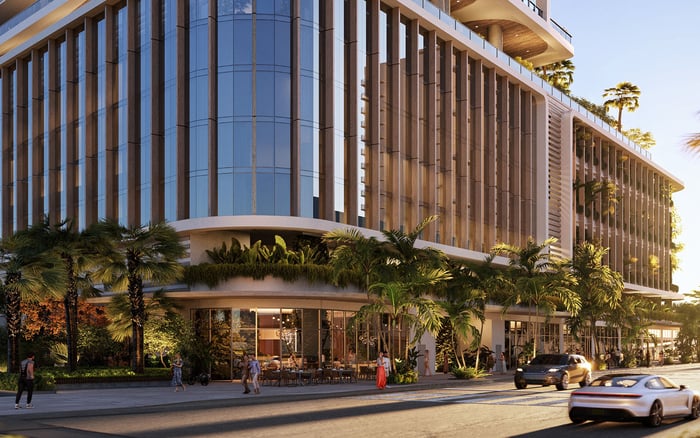
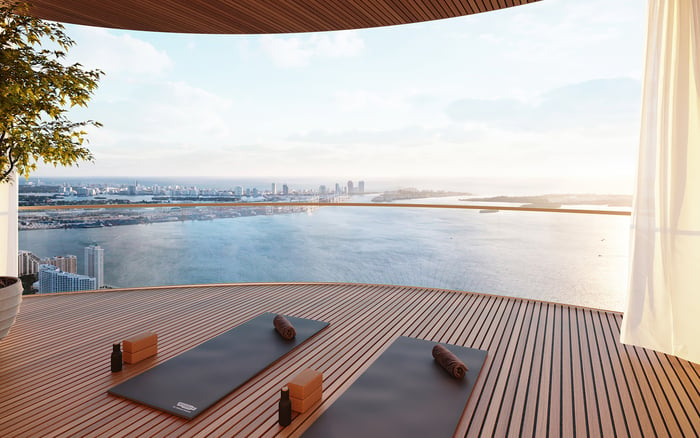
A buyer-focused guide to evaluating branded residences in South Florida, with emphasis on governance, brand oversight, management agreements, delivery risk, operating costs, and long-term resale logic.
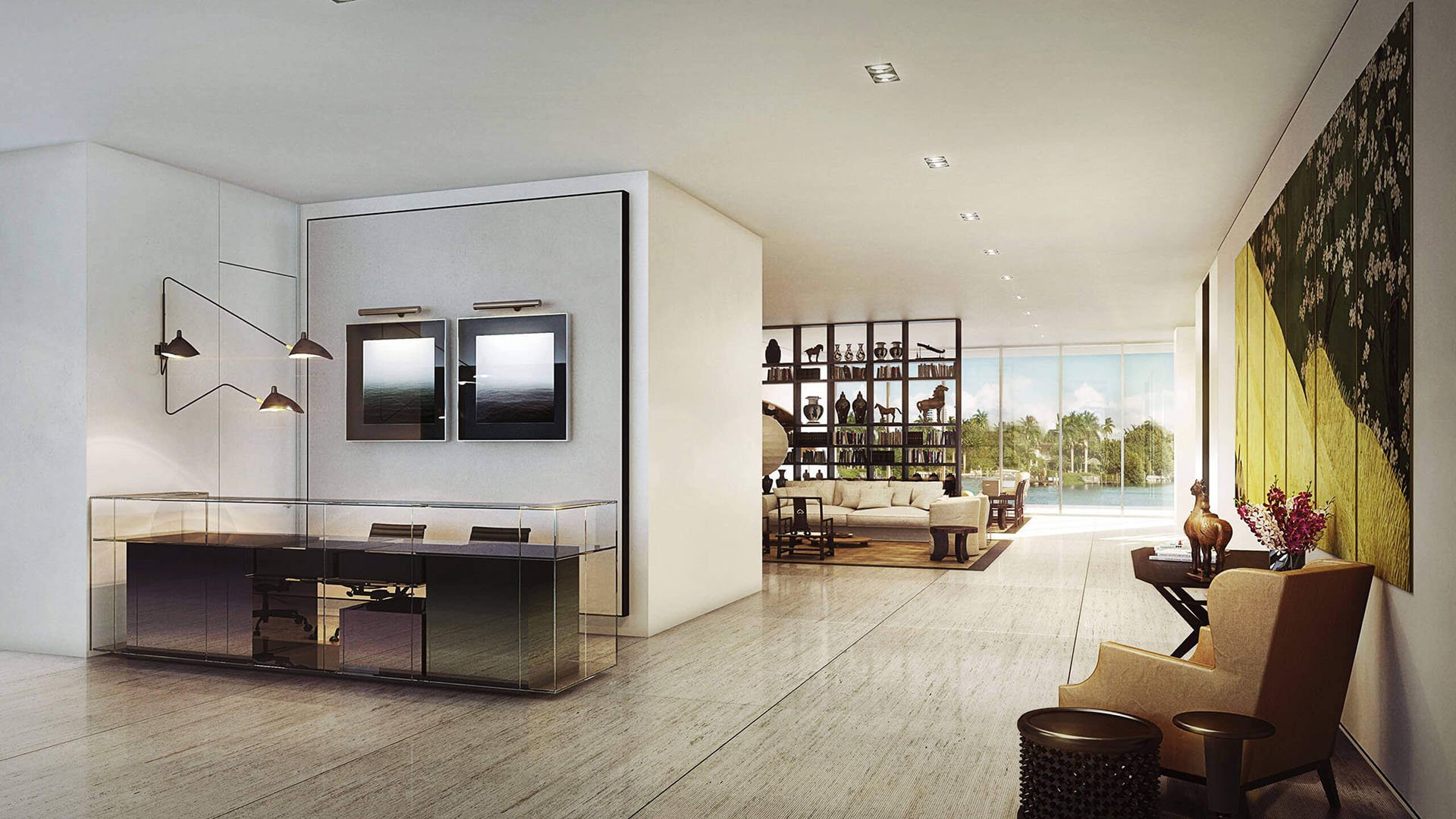
In South Florida, the most compelling luxury residences are no longer defined by marble, views, and private elevators alone. They are increasingly defined by the relationship among developer, brand, management company, condominium association, and owner. That is why a serious buyer evaluating 888 Brickell by Dolce & Gabbana or The Ritz-Carlton Residences® Miami Beach should begin with a disciplined question: what, exactly, am I buying beyond the residence itself?
The answer is rarely in the renderings. It is in the management agreements, association budgets, brand standards, construction documents, termination rights, and the practical machinery of day-to-day operations. Branded residences can be persuasive, and in the right setting they can support global appeal and pricing power. But the premium deserves scrutiny. A name on the building may elevate perception; the documents determine whether that perception can be protected over time.
The first distinction is structural. When evaluating 888 Brickell by Dolce & Gabbana, buyers should ask how the design identity, brand standards, and operating responsibilities are defined in writing. The essential question is how deeply the brand remains involved after the initial design, positioning, and sales campaign. Is the brand’s role limited to aesthetic direction and marketing, or does it retain continuing approval rights, oversight, or influence once owners are living in the building?
That question matters because design-led and hospitality-led residences can operate differently. A design-led tower may derive value from visual identity, curated interiors, experiential spaces, and a particular cultural aura. If the brand is not meaningfully involved in operations, buyers should understand who is responsible for preserving that atmosphere in practice. Day-to-day building management, staff training, amenity programming, replacement standards, and future design consistency may rest with another entity.
The Ritz-Carlton Residences® Miami Beach raises a different category of inquiry. In a hospitality-branded context, service standards and management structure can matter as much as architecture and finish. For a buyer, the issue is less whether the brand is elegant and more how service quality is defined, monitored, priced, and enforced. The strongest buyer guidance in this market begins not with admiration, but with control.
Brand affiliation can support pricing and broaden the buyer pool, especially in internationally visible markets such as Brickell and Miami Beach. Yet the premium is not automatically permanent. Buyers should ask whether the brand creates durable value or concentrates value in the early sales period, when marketing intensity is highest.
At 888 Brickell, the value proposition should be tested against the resale case. Will future buyers pay more because the brand identity remains distinctive, or will they compare the residence against other high-design towers based on size, views, fees, and condition? The question is especially relevant when comparing branded and design-forward options in the same broader urban luxury conversation, from Baccarat Residences Brickell to St. Regis® Residences Brickell.
The same discipline applies in Miami Beach. A hospitality-branded residence may command attention because buyers understand the service promise. But that promise may also bring higher staffing expectations, mandated amenity standards, preventive maintenance obligations, and association expenses. Serious buyers should ask whether owners retain enough flexibility to manage future costs without eroding the brand experience they bought.
If a buyer is considering a residence before completion, due diligence should include construction financing, developer equity, presale requirements, and whether loan covenants could affect delivery timing or scope. These are not cosmetic concerns. They go directly to whether the project can deliver the level of custom finishes, amenity complexity, and brand-level design execution that supports its positioning.
A high-concept branded tower requires precision. Buyers should look beyond the sales gallery and review the developer’s ability to execute luxury high-rise work, including delivery history, construction-defect disputes, and post-completion operating-cost issues. The more ambitious the design language, the more important it becomes to understand who is accountable for translating that language into durable construction.
For design-led branded residences, there is also a broader maturity question. Is the brand’s residential platform sufficiently developed to support long-term value, or is the initial appeal primarily tied to novelty? A serious buyer does not need to dismiss novelty. In luxury real estate, originality can be meaningful. But novelty should be priced with an understanding of what happens five, ten, or more years after the first owners move in.
In a service-led branded residence, the buyer’s focus should include association health, reserves, warranties, management obligations, and long-term stewardship. The building is not simply a physical asset; it is an operating environment.
The management agreement deserves careful review. Buyers should understand its term, termination rights, service obligations, fee structure, and the practical remedies available if standards decline. The most important question may be uncomfortable: what happens if owners become dissatisfied with service levels or costs and want to change operators?
That question separates brand admiration from ownership reality. If the agreement gives owners limited ability to alter management, the buyer should know that before closing. If brand standards require certain staffing levels, amenity maintenance protocols, or preventive maintenance schedules, those obligations may protect quality while also shaping long-term assessments. In that sense, the brand is both a promise and a governance framework.
Miami Beach buyers often compare service-led residences across different formats, including properties such as The Perigon Miami Beach and other highly curated coastal offerings. The comparison should not be limited to finishes. It should include who controls the experience, who pays for it, and who can change it.
The most elegant residence can become frustrating if governance is inflexible, reserves are thin, or costs escalate without clear accountability. Buyers should review proposed or existing budgets, reserve positions, insurance obligations, maintenance protocols, warranty status, rules, rental restrictions, and the association’s authority to enforce standards.
In branded residences, association documents deserve an additional layer of analysis. Are owners bound to maintain certain design, service, or amenity standards? Are there brand fees separate from ordinary association expenses? Can the association change vendors, adjust services, or reduce costs without brand consent? If a brand relationship terminates, what happens to signage, marketing rights, service standards, and resale perception?
The strongest buyers also ask how different branded models allocate risk. Hotel-integrated branded residences, residential-only hospitality-branded residences, and design-led branded residences do not carry the same obligations. A hotel-integrated model may involve shared facilities or hotel operational issues. A residential-only hospitality model may focus on service standards and management contracts. A design-led model may depend more heavily on design continuity, cultural relevance, and the credibility of the brand’s residential platform.
Before choosing between these types of residences, the buyer should ask a precise set of questions. Who controls the brand experience after closing? Who manages the building each day? What contractual remedies exist if service declines? Can owners terminate or replace the operator? How do brand standards affect staffing and maintenance costs? What reserves exist for long-term upkeep? What warranties remain? What is the developer’s record with luxury high-rise delivery? How will the premium be defended at resale?
These questions do not diminish the appeal of branded living. They protect it. The right residence should feel effortless, but effortless ownership is usually the result of rigorous documents, competent stewardship, and clear alignment among brand, developer, association, and owners.
For the South Florida buyer, the conclusion is simple. Choose the residence whose identity you admire, but buy the governance you can live with.
Is a branded residence automatically a better investment? No. A brand can support demand and pricing, but buyers should test the premium against fees, flexibility, resale depth, and long-term governance.
What is the first question to ask about 888 Brickell by Dolce & Gabbana? Ask how deeply the brand remains involved after design and marketing, and who controls daily operations once residents move in.
What is the key issue at The Ritz-Carlton Residences® Miami Beach? The management structure is central. Buyers should review service obligations, fees, termination rights, and remedies if standards decline.
Why does Brickell require special resale analysis? Brickell offers sophisticated luxury competition, so buyers should consider whether a branded premium will remain persuasive against other high-end residences.
Why does Miami Beach require special operating-cost analysis? Miami Beach service expectations can be high, and branded standards may influence staffing, amenity care, preventive maintenance, and association costs.
What should buyers review if a residence is not yet complete? They should review construction financing, developer equity, presale requirements, delivery history, and the ability to execute complex branded design.
What matters most in an existing branded residence? Association health, reserves, warranties, management agreements, service quality, and long-term stewardship become central due-diligence items.
Can owners change a branded residence operator? That depends on the governing documents and management agreement. Buyers should understand termination rights before committing.
Are design-led and hospitality-branded residences the same risk? No. Design-led residences often rely on design continuity, while hospitality-branded residences depend heavily on service standards and management.
What should serious buyers remember before choosing? A branded residence is a long-term relationship among the developer, brand, manager, association, and owners, not just a unit purchase.
For a discreet conversation and a curated building-by-building shortlist, connect with MILLION.
If branded residences are on your mind — as a home or as an allocation — we would be glad to share what we are seeing, privately.
Begin a quiet conversation