A buyer-focused comparison of 2200 Brickell and Colette Residences Brickell, examining how building culture, service depth, elevator privacy, and owner-only amenities influence long-term luxury living in Brickell.
At the top of the Brickell market, the decisive question is no longer simply which residence offers the strongest finish package, the widest view, or the most dramatic arrival. For experienced buyers, the deeper issue is how the building will actually live. That is where 2200 Brickell and Colette Residences Brickell become an instructive comparison.
Both belong to Brickell’s luxury residential conversation, where privacy, service, access control, and daily operating rhythm can matter as much as architecture. The audience is sophisticated: end-users and investors weighing acquisitions with long-term livability and asset quality in mind. They are not only buying a floor plan. They are buying the culture that forms around the elevator, lobby, valet, pool, package room, amenity desk, and residence corridor.
In this context, building culture is not a soft concept. It is the lived result of scale, staffing, visitor management, amenity rules, rental behavior, board temperament, and resident mix. For a new-construction or pre-construction buyer in Brickell, those factors deserve the same scrutiny as stone, glass, and ceiling height.
Brickell has matured into a market where boutique residential projects compete with larger hospitality-style towers. The distinction is not merely visual. It affects who moves through the building, how often common areas feel active, how much discretion residents experience, and whether service teams can develop a steady understanding of owner preferences.
A building with a highly controlled residential identity may feel calmer in everyday use. A building with more transient traffic, shared hospitality functions, or looser amenity access may feel more animated, which some owners enjoy and others avoid. Neither condition is automatically superior, but each creates a different expression of luxury.
For 2200 Brickell, the buyer’s lens should be a controlled residential environment near the urban core. The attraction is the possibility of privacy and consistency without retreating from Brickell’s financial, dining, and cultural gravity. For Colette Residences Brickell, the evaluation turns toward privacy, residential calm, and curated amenity use, qualities that appeal to buyers seeking an intimate ownership experience within the same market.
Service depth is often described abstractly, but in practice it is intensely operational. It involves concierge judgment, security procedure, package handling, valet flow, housekeeping coordination, lifestyle support, vendor access, and the way special requests are prioritized when the building is busy.
In a trophy residence, a concierge is not simply someone who receives a guest. The role becomes a privacy filter, a logistical coordinator, and sometimes the difference between a smooth day and an exposed one. Security is not only about cameras and access points. It is about how visitors are identified, how vendors are routed, and whether residents feel known without feeling watched.
2200 Brickell should be considered through the question of service consistency. If a building’s residential positioning is clear, staffing can be aligned around repeat ownership patterns rather than constant turnover. That can support better anticipation of resident needs, stronger package and delivery control, and a more coherent front-of-house experience.
Colette Residences Brickell invites a similar but slightly different reading. Its buyer should test whether the building’s service model supports a quieter, more intimate ownership atmosphere. In that context, service depth is not measured by spectacle. It is measured by whether a resident can leave, return, entertain, receive deliveries, and coordinate private help with minimal friction.
For investment-minded buyers, this is not only a lifestyle issue. Buildings with disciplined operations can be easier to understand, easier to own, and potentially more resilient in perception over time.
Elevator design is one of the most revealing tests in Brickell luxury. Buyers often focus on arrival drama, yet the true measure is repetition. How many people share the elevator bank? Do residents pass frequent visitors or outside guests? Is there a private foyer condition? Are service movements separated from passenger circulation? How does the building handle deliveries, staff, and maintenance without making private life feel public?
These questions affect morning routines, family privacy, entertaining, and personal security. For some buyers, sharing an elevator is acceptable if the building culture is quiet and resident-focused. For others, a more private arrival sequence is essential, particularly when discretion is part of the reason for purchasing in the first place.
The 2200 Brickell comparison should therefore focus less on a generic claim of luxury and more on how its residential positioning may translate into elevator comfort, guest control, and calm vertical movement. Colette Residences Brickell should be evaluated through the same lens, especially for owners who prioritize a more intimate residential environment.
In Brickell, the elevator is not a minor technical detail. It is the daily threshold between public city life and private ownership.
Luxury buyers have become more discerning about amenities. Quantity alone is no longer persuasive. The better question is who has access, when they have access, and how those spaces feel during peak periods.
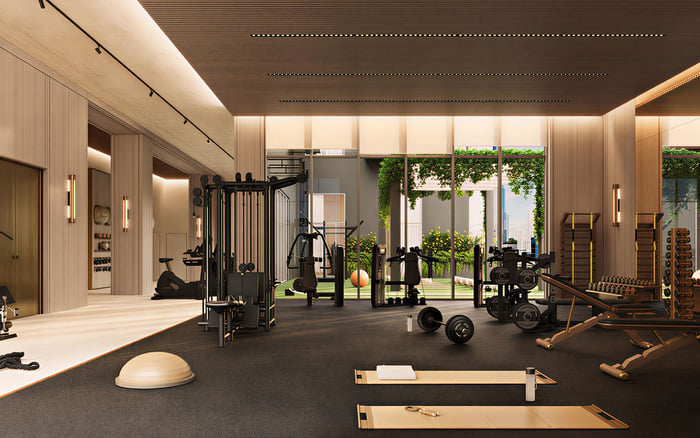
Owner-only amenities are valuable because they protect the residential character of the building. A pool, fitness area, lounge, or wellness space can feel entirely different when reserved for residents and their guests rather than shared with broader traffic. The difference is not just crowding. It is etiquette, familiarity, predictability, and the subtle confidence that common areas belong to the residential community.
This is where both 2200 Brickell and Colette Residences Brickell should be read carefully. The buyer should not ask only what amenities exist. The more important questions are how access is controlled, how guests are managed, whether programming serves owners first, and whether the board and operating culture are likely to preserve that exclusivity over time.
In many cases, a smaller and better-controlled amenity program may deliver more genuine luxury than a longer list of spaces with less privacy. The most refined buildings understand restraint.
The buyer drawn to 2200 Brickell may want proximity to Brickell’s urban core while still seeking a building that reads as residential rather than transient. This buyer values privacy but does not necessarily want isolation. The appeal is an address that can support a polished daily routine, from valet to elevator to residence, with service standards that feel steady and purposeful.
The buyer drawn to Colette Residences Brickell may be especially sensitive to calm, intimacy, and the feeling of a curated residential enclave within a dense city environment. This owner may place a premium on controlled access, quieter amenity use, and a resident mix that supports discretion.
Both profiles are valid. The distinction is less about which building is more luxurious and more about which culture better fits the owner’s life. Brickell now contains multiple definitions of prestige, and the best purchase is the one where the building’s operating personality aligns with the buyer’s daily habits.
Before committing, buyers should study both the documents and the experience. Sales galleries and renderings can communicate intention, but daily life is shaped by rules and operations. Rental policies, amenity access provisions, guest protocols, service entrances, package systems, valet design, and governance structure deserve careful review.
Equally important is the question of resident behavior. A building can be beautifully designed and still feel mismatched if its culture trends too transient, too social, too restrictive, or too informal for a particular owner. The best luxury acquisition in Brickell is not always the loudest statement. Often, it is the one that delivers the least resistance to the way an owner already lives.
For 2200 Brickell and Colette Residences Brickell, the comparison is therefore not a simple ranking. It is a study in how residential intent becomes real through service depth, elevator privacy, amenity access, and the quiet discipline of building culture.
What is building culture in a Brickell luxury condo? It is the lived atmosphere created by scale, staffing, visitor rules, amenity access, governance, and resident behavior.
Why compare 2200 Brickell and Colette Residences Brickell? Both sit within Brickell’s luxury residential market and are useful for studying privacy, service depth, and owner-focused living.
Is service depth only about concierge service? No. It also includes security, valet flow, packages, vendor coordination, housekeeping support, and lifestyle assistance.
Why does elevator privacy matter so much? Elevator sharing, private arrival sequences, and service circulation affect discretion, comfort, and daily security.
Are more amenities always better? Not necessarily. Access rules, crowd levels, and whether amenities are owner-only can matter more than amenity count.
Who may prefer 2200 Brickell? Buyers who want a controlled residential environment near the urban core may find its positioning especially relevant.
Who may prefer Colette Residences Brickell? Buyers focused on privacy, calm, and a more intimate residential rhythm may find its positioning compelling.
Should investors care about building culture? Yes. Operating consistency, owner experience, and resident mix can influence long-term livability and perceived asset quality.
What should buyers review before signing? They should examine rental rules, amenity access, guest policies, service logistics, elevator design, and governance expectations.
Is this comparison a ranking? No. It is a buyer guide for matching personal lifestyle priorities with each building’s residential character.
For a discreet conversation and a curated building-by-building shortlist, connect with MILLION.
If branded residences are on your mind — as a home or as an allocation — we would be glad to share what we are seeing, privately.
Begin a quiet conversation