A buyer-focused editorial on how seasonal residents should evaluate hurricane-glass performance at Ponce Park Coral Gables without relying on unverified specifications.
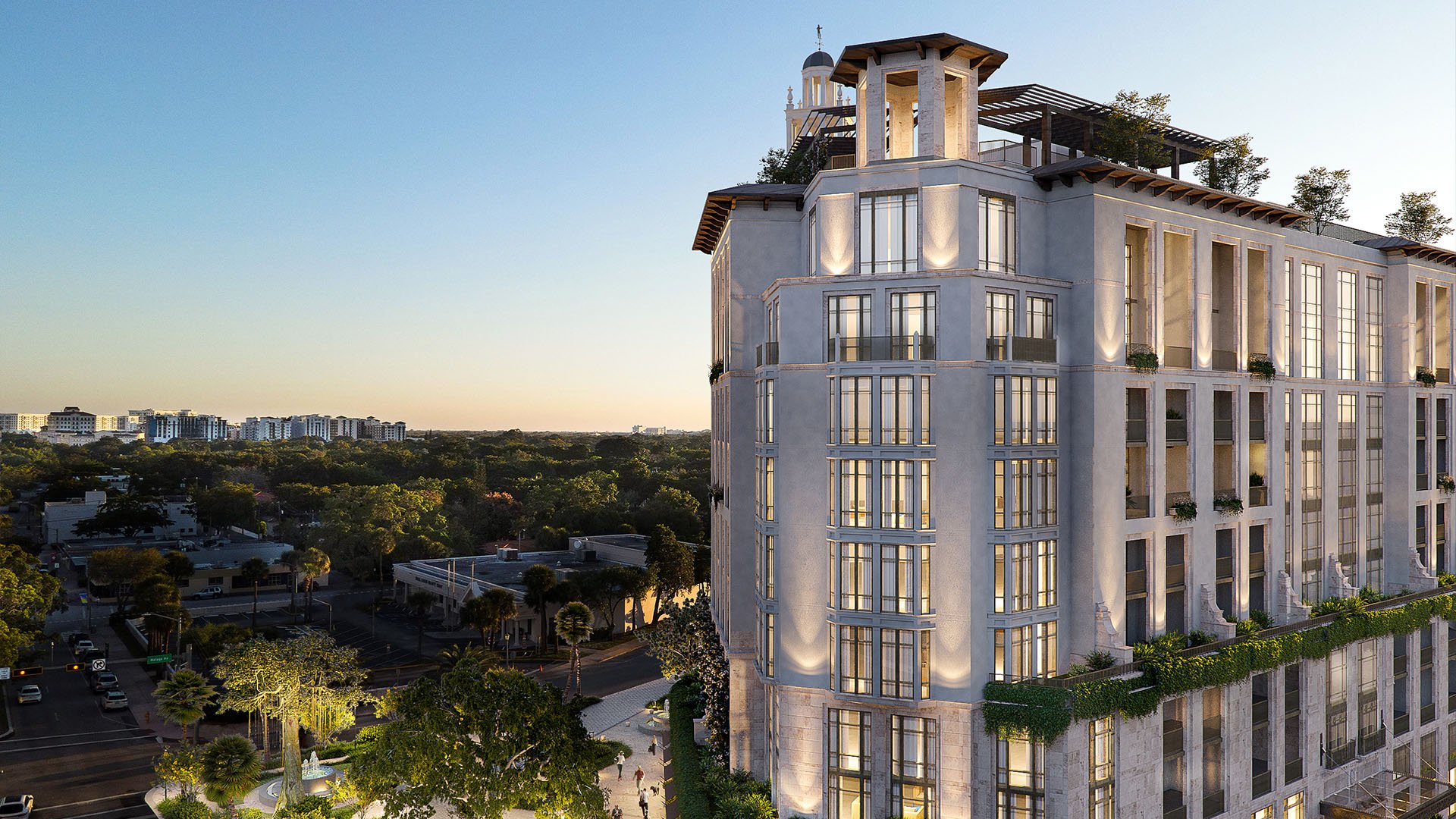
For seasonal buyers, a South Florida residence is often evaluated through the experience of arrival: the light, the view, the terrace, the ease of landing after a flight, and the confidence that the home will perform while the owner is elsewhere. At Ponce Park Coral Gables, that confidence naturally includes a careful review of hurricane-glass performance-not as a decorative specification, but as part of the property’s broader resilience profile.
The most sophisticated buyers do not treat impact glazing as a simple yes-or-no feature. They examine the full window and door assembly, the documentation behind it, the installation history, the balcony and terrace conditions around it, and the practical obligations that remain after closing. The question is not merely whether the glass appears substantial. The question is whether the buyer has enough verified information to understand how the openings are intended to perform, how they should be maintained, and what responsibilities the owner will inherit.
Ponce Park Coral Gables is the relevant project anchor for this discussion. That makes the buyer’s task more precise: review the residence, the building materials, the contract documents, and any available project disclosures with an eye toward evidence rather than assumption. In a market where polished renderings and serene interiors can make risk feel distant, disciplined diligence is part of the luxury experience.
The first step is to request the actual glazing documentation available for the residence. Seasonal buyers should ask for product approvals, window and door schedules, warranty language, maintenance instructions, and any materials that identify the assemblies used in the home. If those documents are not immediately available, the buyer should ask when they will be provided and whether review can occur before key contract deadlines.
This matters because project-specific glazing specifications should not be inferred from marketing language alone. A residence may be described in terms that suggest strength, quiet, or storm readiness, but a prudent buyer still verifies the details through the documents governing the actual installation. The most useful review connects three elements: the product, the opening, and the installation condition.
For a seasonal owner, documentation offers another advantage. It creates a file that can later serve property managers, insurance advisors, maintenance teams, and future purchasers. A well-organized ownership binder is not glamorous, but it can become one of the most valuable assets in a second-home strategy.
Seasonal ownership has its own rhythm. A buyer may close, furnish, enjoy a brief stay, and then leave the residence vacant or lightly used for weeks or months. That makes pre-departure questions essential.
Ask who inspects the windows and doors before storm season. Ask whether any operable panels require periodic adjustment. Ask how tracks, gaskets, weep areas, locks, and door thresholds are expected to be maintained. Ask whether exterior cleaning methods could affect seals or finishes. Ask who is responsible for documenting any issue after heavy weather, particularly if the owner is out of town.
These questions do not imply that anything is wrong. They reflect the reality that performance depends on use, maintenance, and timely attention. Even the most serene residence benefits from a practical seasonal protocol.
Buyers who are focused on Coral Gables, new construction, second-home use, balconies, and terraces should avoid letting lifestyle considerations outrun building review. The balcony view and terrace experience may define the emotional promise of a home, but the perimeter conditions around those openings deserve equal focus.
A refined buyer conversation should distinguish the glass itself from the larger assembly. The word “glass” is often used casually, but performance involves frames, anchoring, seals, hardware, drainage paths, thresholds, and the interface between the opening and the surrounding structure. A buyer does not need to become an engineer, but the buyer’s advisory team should know which documents to request and which questions to elevate.
For example, a sliding door to a terrace may carry different day-to-day considerations than a fixed window. Operable elements are touched, locked, cleaned, adjusted, and shaped by user habits. Seasonal buyers should ask how each opening type is maintained and whether the building or owner is responsible for particular components.
The strongest diligence process is calm and specific. Rather than asking, “Is it hurricane glass?” a buyer might ask, “Which assemblies are installed at this residence, what documentation supports them, what warranties apply, and what maintenance is required to preserve coverage?” That shift in language tends to produce better answers.
For seasonal residents, hurricane-glass review should be coordinated with insurance and management planning. The owner may not be present when a storm watch develops, when shutters are discussed, when building communications are issued, or when post-weather inspections begin. The goal is to create clarity before urgency.
A property manager should know where the glazing documents are stored, who to contact for service, and how to photograph conditions before and after severe weather. If the residence is part of a condominium or managed building, buyers should understand which responsibilities sit with the association and which remain with the owner. That distinction can affect maintenance, reporting, and response time.
The ownership file should include purchase documents, warranties, maintenance instructions, service contacts, photographs of openings at closing, and any records of later adjustments. This file also supports resale. Future buyers often value a residence with a clean paper trail, particularly when the feature in question affects comfort, security, and long-term stewardship.
Coral Gables buyers often prize architecture, walkability, mature landscaping, privacy, and a more composed pace than the vertical energy of the waterfront towers. Ponce Park Coral Gables sits within that mindset as a project-specific point of attention for buyers who want elegance without neglecting technical diligence.
For seasonal buyers, the appeal is not only how the home lives on a perfect winter afternoon. It is how confidently the home can be left, monitored, maintained, and re-entered. Hurricane-glass performance sits at the intersection of those concerns. It touches sound, security, weather planning, insurance conversations, maintenance budgeting, and peace of mind.
A polished residence should invite quiet enjoyment. A polished purchase should also withstand careful questioning. The two are not in conflict. In the ultra-premium market, discretion and diligence often travel together.
Before contract deadlines pass, buyers should request the available glazing and opening documentation. They should have qualified advisors review it, then compare the written materials with the visible conditions in the residence. Any missing document, unclear warranty term, or uncertain maintenance obligation should be addressed before closing if possible.
During walkthroughs, buyers should look beyond the view. They should test operable doors and windows where permitted, observe threshold conditions, note any visible wear, and confirm that locks and handles function smoothly. They should ask how the residence will be secured during absences and how building communications will reach them while they are away.
After closing, the buyer should convert diligence into routine. Create a seasonal checklist. Assign responsibility. Photograph conditions. Keep service records. Review building notices promptly. Luxury ownership is not simply about acquiring a beautiful residence. It is about making that residence easy to own across seasons.
Is Ponce Park Coral Gables the project this hurricane-glass discussion is focused on? Yes. Ponce Park Coral Gables is the project-specific anchor for this buyer due-diligence discussion.
Should buyers assume all hurricane-glass specifications are the same? No. Buyers should review the actual documents for the residence rather than relying on general descriptions.
What should seasonal buyers request first? They should request available product approvals, warranty language, maintenance guidance, and window or door schedules.
Is the glass itself the only thing that matters? No. Frames, hardware, seals, anchoring, thresholds, and installation conditions can all be relevant to review.
Why is this especially important for second-home owners? Second-home owners may be away during storm season, so documentation and management protocols become more important.
Should a buyer involve an advisor before closing? Yes. A qualified advisor can help review documents, identify missing information, and frame the right questions.
Can marketing language replace technical documentation? No. Marketing language may be useful context, but buyers should rely on contract documents and verified materials.
What should be included in an ownership file? Include warranties, maintenance instructions, service contacts, closing photos, and records of any later adjustments.
Do balcony and terrace areas affect the review? They can. Openings connected to outdoor living areas may have distinct use and maintenance considerations.
What is the best mindset for hurricane-glass due diligence? Treat it as part of refined ownership, where comfort, resilience, documentation, and long-term stewardship meet.
For a discreet conversation and a curated building-by-building shortlist, connect with MILLION.
If branded residences are on your mind — as a home or as an allocation — we would be glad to share what we are seeing, privately.
Begin a quiet conversation