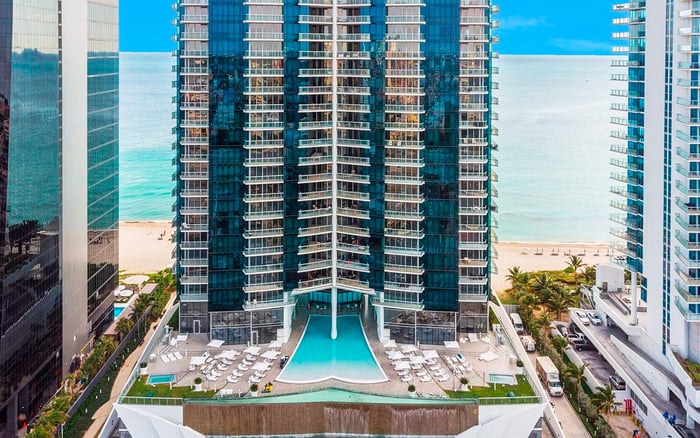
A buyer-focused look at why cold-plunge access at Jade Ocean should be treated as a governance, amenity-rights, and closing-diligence question rather than a simple lifestyle assumption.
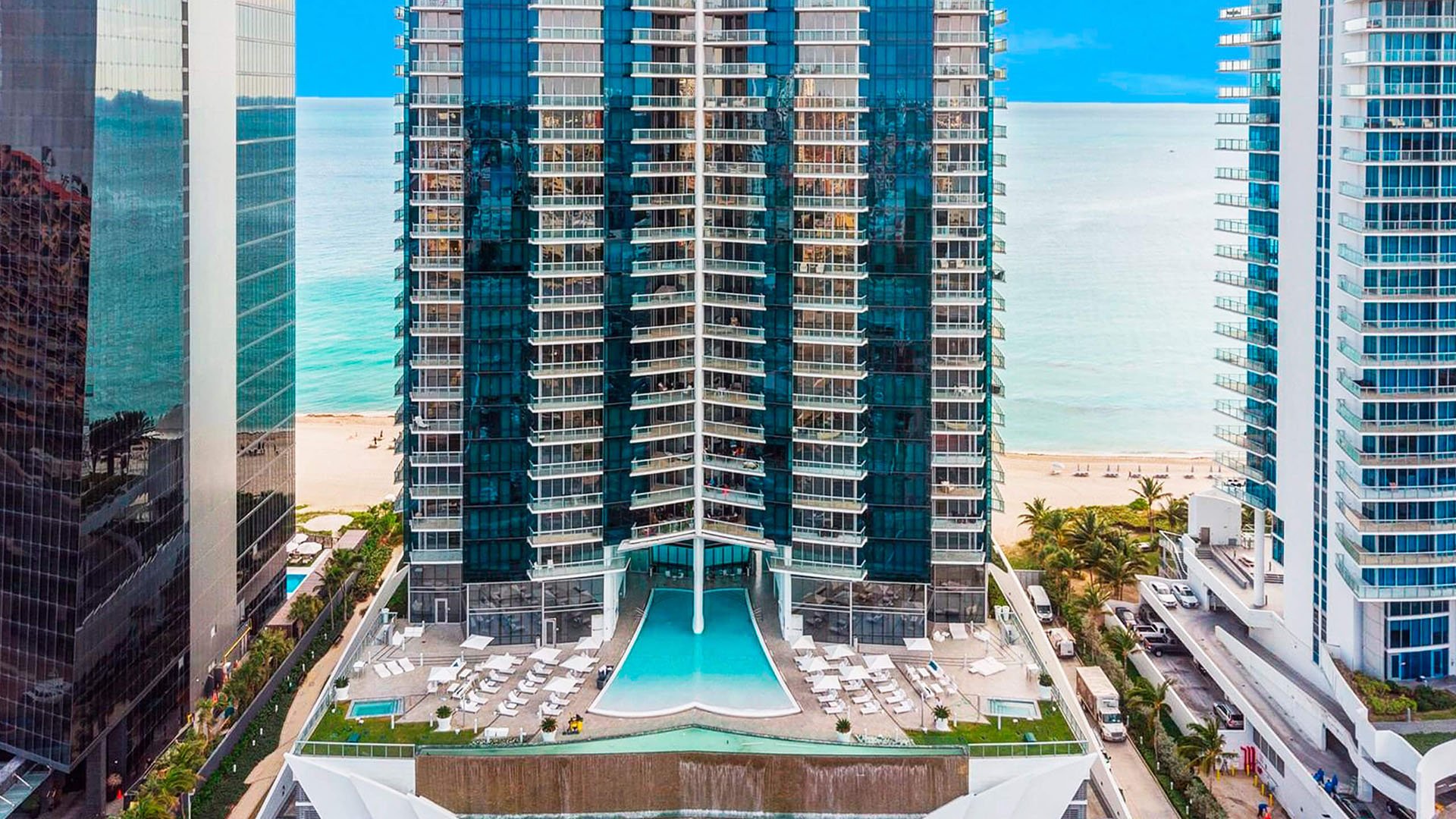
At Jade Ocean Sunny Isles Beach, wellness is not merely a supporting amenity. It is part of the emotional architecture of ownership. In the upper tier of the Sunny Isles Beach condominium market, buyers are weighing more than views, finishes, and floor plans. They are evaluating the daily ritual of arrival, the privacy of the spa, the ease of beach living, and the quiet confidence that the building’s amenities will support the lifestyle they intend to live.
That is why a seemingly narrow question, who has access to a cold plunge, becomes materially important. The answer is not simply whether a cold plunge is associated with the property or whether a buyer has seen wellness language in marketing. The more sophisticated question is who controls access, which users may enter, what rules apply, and whether those rights are attached to unit ownership, residency, registration, guest status, spa operation, or another category entirely.
For a buyer considering Jade Ocean, cold-plunge access should be treated as a diligence item. It sits at the intersection of luxury lifestyle and condominium governance, where assumptions can become expensive if they are not clarified before closing.
A condominium purchase gives a buyer ownership of a unit and the rights granted under the governing documents. It does not automatically mean every building feature is available to every person at every time, under every circumstance. Shared amenities may be governed by the declaration of condominium, association bylaws, house rules, amenity policies, operational protocols, budgets, and, in some cases, agreements with outside providers or spa operators.
That distinction matters in an ultra-luxury building because amenities are part of the value proposition. A wellness area, spa setting, or cold-plunge experience may shape how a buyer imagines daily life in the residence. Yet the actual use rights may be more specific than the sales language suggests.
A careful buyer should ask whether access is tied to legal ownership, actual residency, registration with management, leasing status, guest permission, spa appointment, or a separate operational policy. The buyer should also ask whether the association has the ability to revise rules over time. In high-end condominiums, governance is not a side issue. It is part of the asset.
Cold-plunge culture has become a luxury shorthand for recovery, discipline, longevity, and private-club living. In South Florida’s oceanfront condominium market, the best wellness amenities are no longer decorative. They influence how residents use their buildings from morning through evening.
For Jade Ocean, the relevant buyer question is not limited to the physical presence of a wellness amenity. It is whether the access framework matches the buyer’s lifestyle. An owner who plans to live in the residence full time may care about daily availability. A seasonal owner may care about whether family members can use the area. An investor focused on resale may care about how future buyers perceive amenity rights. A tenant-oriented owner may need clarity on whether registered tenants have the same access as owners.
This is where language matters. “Amenity” is not the same as “unrestricted amenity.” “Resident access” is not always the same as “owner access.” “Guest access” may be subject to registration, escort requirements, hours, limits, fees, or prohibition. Even in the most polished buildings, those practical details tend to live in association documents and management policies.
A disciplined diligence file should include the declaration of condominium, association bylaws, current house rules, specific amenity rules, the current budget, recent meeting minutes, and any available agreements that relate to spa or wellness operations. If a cold-plunge facility is material to the purchase decision, the buyer should ask for written confirmation from building management or the association regarding current access rights and any known restrictions.
The key categories to verify are straightforward. Are unit owners permitted to use the wellness amenity? Are tenants allowed to use it if properly registered? Are guests allowed, and if so, only with an owner or resident present? Are spa users treated differently from general residents? Is any outside operator involved in access, reservations, maintenance, staffing, or scheduling? Are there age, health, waiver, appointment, or capacity rules?
These questions are not adversarial. They are normal for a serious acquisition. In the luxury segment, buyers routinely examine service levels, operating budgets, insurance, reserves, rules, and governance culture. Amenity access belongs in the same conversation.
Jade Ocean is positioned within the Sunny Isles Beach oceanfront condo market, where amenities are central to perceived value. But the rights to use those amenities may be defined by documents written for governance rather than marketing. That is precisely why buyers should separate the poetic from the operative.
The operative documents define what the association can regulate, what owners may use, how common elements or limited common elements are treated, and how rules may be amended. In practical terms, these documents can answer whether a wellness amenity is generally available to residents, limited to certain users, subject to management discretion, or governed by separate operating procedures.
A buyer does not need to become a condominium lawyer to understand the point. The beauty of a building may be visible in a tour. The rights attached to that beauty are often found in the paperwork. For a premium acquisition, both deserve attention.
Sunny Isles Beach is one of South Florida’s most amenity-driven luxury corridors, and Jade Ocean belongs in that conversation as a luxury condominium property associated with oceanfront living. Buyers drawn to this market often compare buildings not only by location and view, but by privacy, services, wellness, water access, and the daily choreography of resort-style residential life.
In internal search shorthand, Sunny Isles often captures this larger coastal category, but each building has its own operating culture. Oceanfront positioning may heighten the appeal of wellness amenities, while pool programming and beach access can shape the rhythm of ownership. Still, those lifestyle attributes do not replace the need to verify rules at the building level.
For Jade Ocean Sunny Isles Beach, the cold-plunge question should therefore be framed with precision. It is not a rumor to accept or dismiss. It is a buyer’s due-diligence prompt: identify the amenity, identify the controlling authority, identify the permitted users, and confirm the rules in writing before treating access as part of the purchase value.
The strongest approach is to raise the issue early, before contract deadlines compress the review period. A buyer should ask the seller’s side, building management, and closing professionals to provide the current documents that govern amenity access. If the buyer’s decision materially depends on cold-plunge use, that should be made explicit during diligence.
The buyer should also distinguish between current practice and durable right. A building may have a current operating policy that is convenient today but subject to future modification. Conversely, a governing document may establish a broader or narrower access right than casual conversation suggests. The most reliable answer comes from aligning the documents, management confirmation, and any buyer-specific circumstances, such as residency, leasing plans, family use, or guest expectations.
This is not about diminishing the appeal of Jade Ocean. It is about protecting the integrity of the purchase. In ultra-luxury real estate, the best buyers are often the most exacting ones. They know that lifestyle value is strongest when supported by clear rights, stable governance, and an operating culture that matches the promise of the building.
Does buying a unit at Jade Ocean automatically guarantee cold-plunge access? Not necessarily. A buyer should confirm access rights through current association documents, amenity rules, and building management before relying on any assumption.
Is the cold-plunge question a lifestyle issue or a legal issue? It is both. The experience may affect daily living and perceived value, while the right to use it may be controlled by condominium governance documents and policies.
Who might need to be verified for access rights? Owners, tenants, registered residents, guests, spa users, and any outside operators should all be considered if relevant to the building’s current rules.
Which documents should a buyer request? Buyers should request the declaration of condominium, bylaws, house rules, amenity rules, current budget, meeting minutes, and any spa or operator agreements.
Can amenity rules change after purchase? They may change depending on the association’s authority and governing documents. Buyers should understand how rules are created, amended, and enforced.
Why does this matter for resale? Clear amenity rights can support buyer confidence. Unclear access may create friction when a future purchaser evaluates the lifestyle value of the residence.
Should tenants have the same access as owners? That depends on the current rules. Buyers planning to lease should verify tenant registration requirements and amenity-use policies before closing.
Can guests use wellness amenities at luxury condominiums? Guest access is building-specific and may be limited by registration, accompaniment, hours, capacity, fees, or other rules.
What is the safest way to confirm the answer? Obtain the current governing documents and written confirmation from the association or management as part of closing diligence.
What is the best way to shortlist comparable options for touring? Start with location fit, delivery status, and daily lifestyle priorities, then compare stacks and elevations to validate views and privacy.
For a discreet conversation and a curated building-by-building shortlist, connect with MILLION.
If branded residences are on your mind — as a home or as an allocation — we would be glad to share what we are seeing, privately.
Begin a quiet conversation