A discreet buyer’s guide to evaluating shaded dining terraces before signing a Miami penthouse contract, with emphasis on documentation, use, approvals, maintenance, and contract clarity.
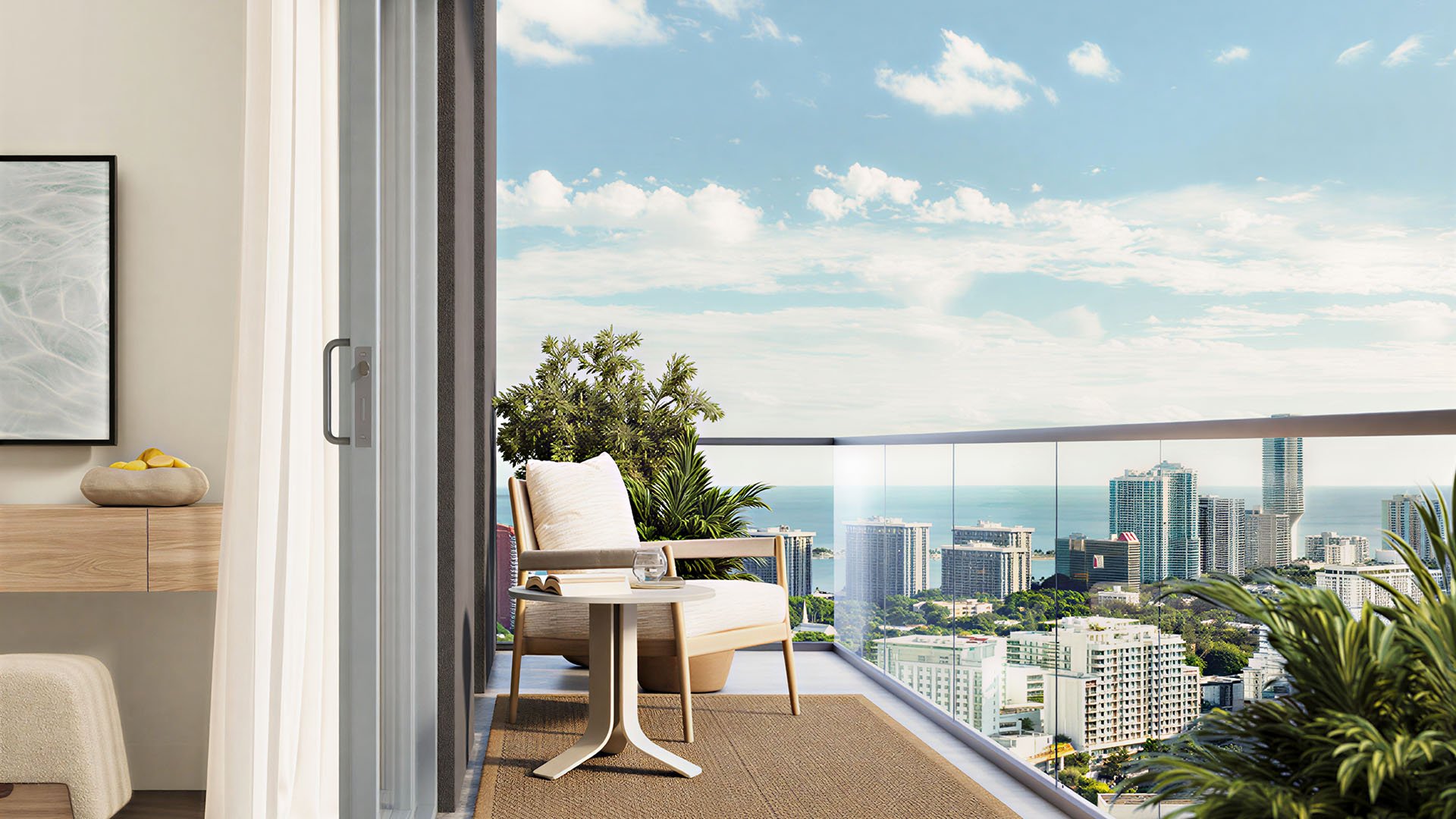
A Miami penthouse terrace can feel effortless in a private showing: a long table, a canopy of shade, a breeze across the skyline, and the promise of dinners suspended above the city. Before contract, however, a serious buyer should treat that scene as a design system, not a mood board. The question is not simply whether the terrace has shade. It is whether the shaded dining experience is permitted, durable, maintainable, insurable, and clearly included in what is being purchased.
For MILLION readers, this is a matter of discretion and precision. A shaded dining terrace affects how the residence lives, how it entertains, and how it will be managed after closing. Internal buyer notes may reduce priorities to shorthand such as penthouse, terrace, balcony, Brickell, Miami Beach, or Sunny Isles, but the real due diligence sits in the details: documents, rules, attachments, warranties, and daily usability.
Begin by defining how the terrace will be used. A breakfast setting, a late-afternoon family meal, and a formal dinner each place different demands on the space. Ask where the primary dining table is expected to sit, how guests move around it, whether service access is practical, and whether the shaded area still allows for circulation when chairs are pulled out.
Do not rely on staging alone. Furniture can make a space feel resolved without proving that the layout works for real entertaining. Ask for a marked plan showing the intended dining zone, the shade element, nearby doors, outdoor kitchen components if present, lighting, speakers, planters, and drainage points. If the terrace is already built out, visit at the time of day when you would most likely dine there. If it is pre-construction or not yet complete, ask which drawings and specifications control the final condition.
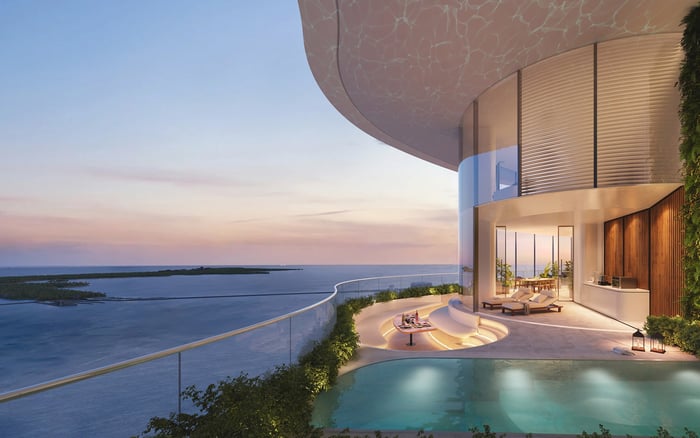
Shade can come from many sources: an architectural overhang, a pergola, a retractable awning, a motorized screen, umbrellas, trees in planters, or a combination of elements. Each carries different implications. Some are part of the building architecture. Others may be personal property, aftermarket additions, or visual suggestions in marketing materials.
Before contract, ask what conveys with the residence. If a pergola, canopy, screen, or shade structure is present, request documentation showing whether it was approved by the association and, where applicable, by the relevant permitting authority. If the seller added it after original delivery, ask for maintenance records, installation details, and any warranty information. If the residence is new or not yet delivered, confirm whether the shaded dining feature is actually included in the purchase documents rather than shown only as an illustrative lifestyle element.
The terrace may feel private, but it often remains subject to association control. Ask counsel to review how the terrace is classified, who controls alterations, and what rules apply to visible exterior elements. Those details can affect awnings, umbrellas, screens, planters, lighting, heaters, speakers, fans, outdoor kitchens, and furniture storage.
A board may care about exterior uniformity, attachment points, wind protocols, noise, lighting spill, and the visibility of shade devices from neighboring residences. That does not make a shaded dining terrace impractical. It simply means the buyer should know, before contract, whether the desired atmosphere is allowed without a future approval battle.
Outdoor dining is not only about the first dinner after closing. Ask how the shade system is maintained, who services it, and what routine care is expected. If it is motorized, ask about controls, power, service access, replacement parts, and manual override procedures. If it is fabric, ask how it is cleaned, stored, repaired, or replaced. If it is a fixed structure, ask how attachments, finishes, lighting, and drainage are handled.
Also ask whether the terrace has adequate storage for cushions, tabletop accessories, and movable shade components. A beautiful dining arrangement can become inconvenient if every weather change requires improvised storage inside the residence. The most refined terraces are not merely furnished. They are choreographed for setup, use, closure, and care.
Shade is only one part of comfort. Ask about glare from nearby surfaces, evening lighting, privacy from adjacent or higher residences, and the way sound carries during dinner. A shaded table can still feel exposed if it sits in direct sight of neighboring terraces or if lighting has not been carefully considered.
Buyers should also ask how the dining zone relates to interior rooms. The best terrace dining feels connected to the kitchen, bar, or main entertaining area without forcing guests through narrow passages. Consider whether doors can remain open comfortably, whether service can move discreetly, and whether the transition from interior to exterior feels natural during a hosted evening.
The most important pre-contract move is converting impressions into written clarity. Ask for an exhibit or written confirmation identifying the shade elements, outdoor dining improvements, exclusions, warranties, approvals, and any open items. If a seller says an awning, furniture package, lighting system, or planter arrangement is included, make sure that understanding appears in the contract materials.
For resale, request approval records and invoices for substantial terrace improvements. For new construction, confirm the difference between base delivery, upgrade packages, optional build-outs, and owner-responsible work after closing. If the dining terrace is central to your decision, it should not remain a verbal assurance.
Before contract, a penthouse buyer should be able to answer the following: What creates the shade? Is it fixed, movable, motorized, or decorative? Who approved it? What conveys at closing? What can be altered later? Who maintains it? What happens during service, repairs, or weather preparation? Are lighting, drainage, power, and storage designed around actual dining? Are there restrictions on music, cooking, umbrellas, awnings, screens, or visible exterior changes?
These questions do not diminish the romance of a Miami terrace. They protect it. A shaded dining terrace is one of the great privileges of penthouse living, but only when its beauty is matched by documented control.
Should I ask about shaded dining before making an offer? Yes. If terrace dining is central to your purchase decision, evaluate the condition before contract rather than after closing.
Is a rendered shade structure always included? No. Treat renderings and staging as visual references unless the purchase documents clearly confirm what is included.
What documents should I request for an existing shade system? Ask for approval records, installation information, maintenance history, warranty details, and any association correspondence related to the terrace improvement.
Can an association restrict terrace umbrellas or awnings? It may. Buyers should review the governing documents and rules for exterior appearance, attachments, storage, and visible terrace elements.
Should outdoor furniture be addressed in the contract? Yes. If furniture, umbrellas, planters, or accessories matter to the dining setup, specify what conveys and what is excluded.
Is motorized shade more complicated than fixed shade? It can be. Ask about controls, power, service access, manual operation, and responsibility for repairs or replacement parts.
How should I evaluate privacy at the dining table? Stand or sit where guests would dine and study views from neighboring terraces, nearby towers, and interior rooms across the way.
What if the terrace looks perfect during the showing? A showing captures one moment. Ask to evaluate the terrace at your intended dining time and confirm the physical details in writing.
Do I need legal review for terrace rights? Yes. Counsel should review whether the terrace is private, limited common, or otherwise subject to rules that affect alterations and use.
What is the safest pre-contract approach? Make the shaded dining terrace part of the diligence file, with written answers on approvals, inclusions, restrictions, and maintenance.
When you're ready to tour or underwrite the options, connect with MILLION.
If branded residences are on your mind — as a home or as an allocation — we would be glad to share what we are seeing, privately.
Begin a quiet conversation