A buyer-oriented editorial on how Miami International Boat Show season sharpens the meaning of residential positioning in Wynwood, from access and arrival to views, design adjacency, and long-term ownership discipline.
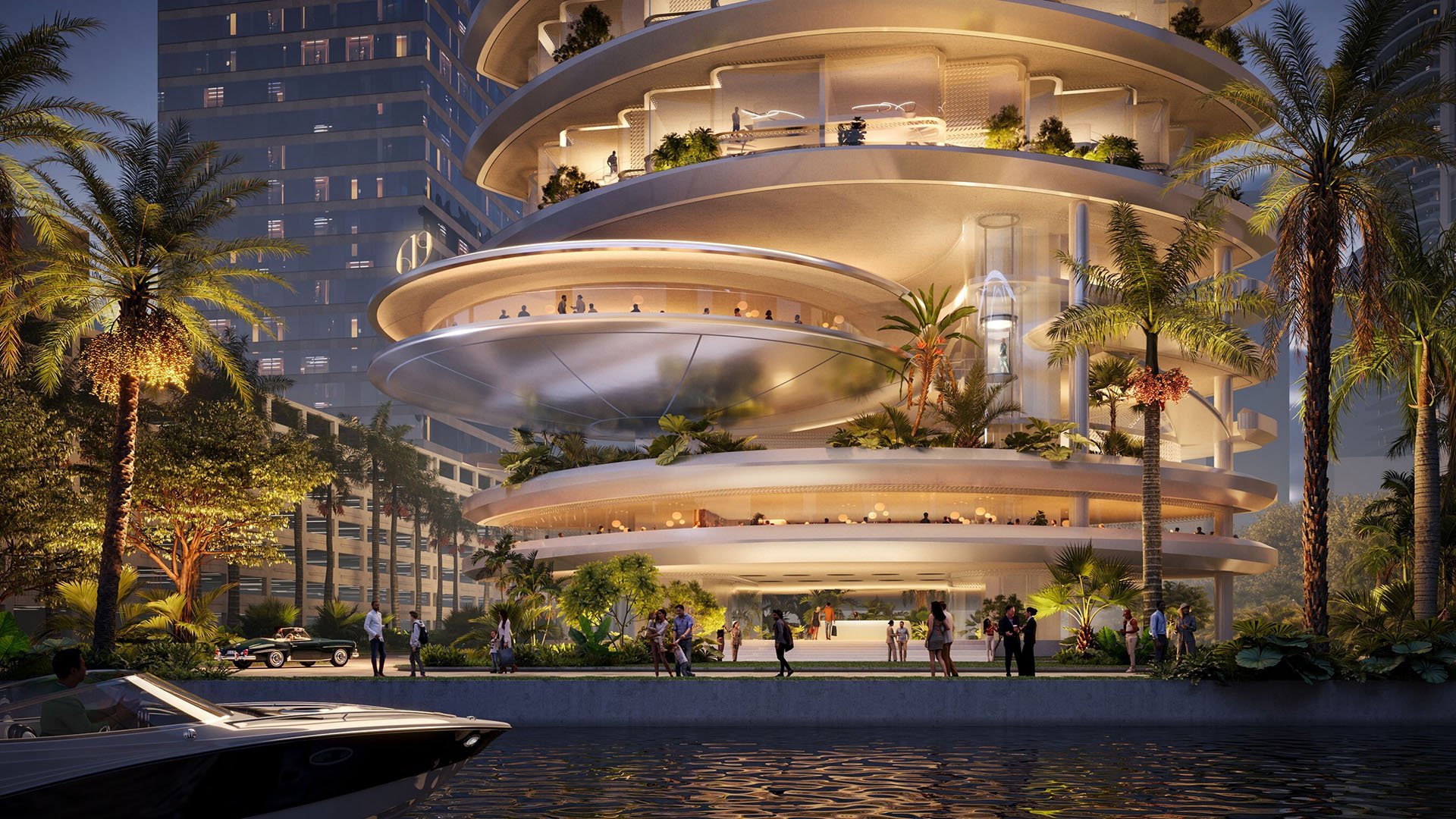
Miami International Boat Show week reveals the city with unusual clarity. Not through spectacle alone, but through movement. Streets tighten, waterfront routes become more intentional, and guests move between marinas, galleries, restaurants, private dinners, and residences. For a buyer considering Wynwood, that rhythm matters. It shows whether a home is simply fashionable, or genuinely well positioned within the Miami lifestyle.
Wynwood has long been understood through art, design, dining, and creative energy. Yet the more refined residential question is no longer whether the neighborhood is interesting. It is whether a residence in or near Wynwood allows an owner to live Miami with less friction. During the boat show, that question becomes sharper. The best address is the one that lets an owner participate in the city without being consumed by its intensity.
That is why the most useful buyer vocabulary around the district now includes Wynwood, New-construction, Investment, Balcony, Waterview, and Brickell: not as decorative labels, but as due-diligence filters.
A better-positioned residence is not simply the one closest to a destination. In Miami, proximity can mislead. A building may sit near an admired district and still feel inconvenient once traffic, valet flow, ride-share logistics, parking, and evening access enter the equation. A more sophisticated buyer studies the quality of movement.
For Wynwood, this means evaluating how naturally a residence connects to the surrounding cultural and commercial zones. A home with efficient access to the Design District, Midtown, Edgewater, Downtown, and Brickell can feel more valuable than one defined by a single neighborhood identity. The appeal is not only being in Wynwood. It is being able to use Miami in multiple directions.
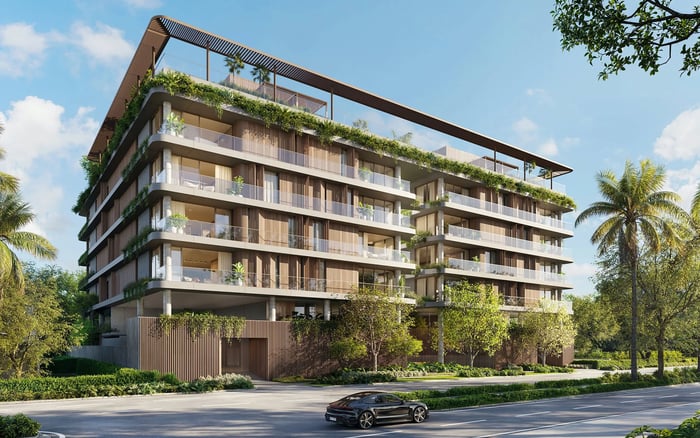
This is where projects such as Frida Kahlo Wynwood Residences enter a broader conversation about urban lifestyle. The name signals a Wynwood address, but the buyer’s more important question is how that address performs on a busy week, a quiet morning, and a high-demand social evening.
Boat-show season is a stress test for residential logic. It reveals whether a home has calm arrival, whether elevators and lobbies feel composed, whether outdoor space is usable, and whether a buyer can move between the waterfront and the city’s design core without the residence feeling stranded.
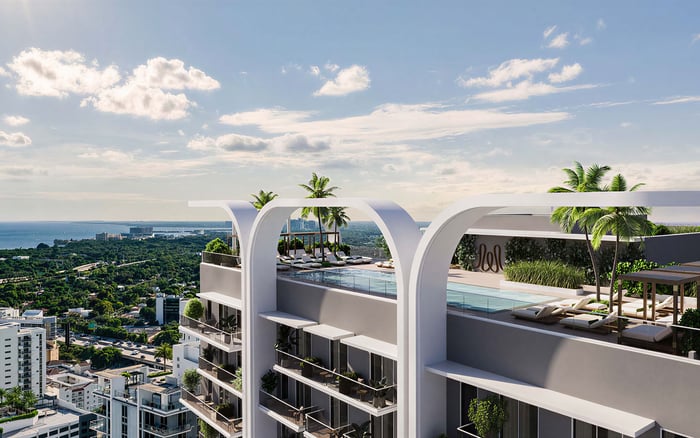
For owners who collect experiences as carefully as they collect objects, the ideal Wynwood residence is not isolated from the water. It may not need to be waterfront itself, but it should relate intelligently to Miami’s waterfront geography. That means considering sightlines, upper-floor outlooks, access corridors, and the emotional value of returning from the marina or bay to a residence that feels private, secure, and architecturally resolved.
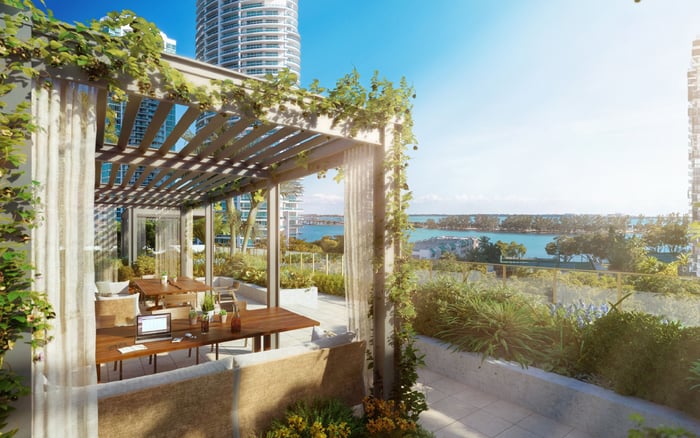
A Balcony becomes more than an amenity in this context. It is an open-air decompression room. A Waterview, where available, is not simply a view category. It is a daily reminder that Miami’s luxury economy is organized around water, even when the residence is rooted in an arts district.
The Wynwood buyer is often not choosing between art and water, or between culture and finance. The more compelling choice is how to combine them. This is why the strongest residential search may include Wynwood itself, the Design District, Midtown, Edgewater, and Brickell in one continuous study.
A buyer who wants design adjacency may compare a Wynwood residence with Kempinski Residences Miami Design District, not because the two are identical, but because both speak to an owner who values architecture, hospitality, and cultural access. Similarly, Miami Design Residences Midtown Miami can help frame the importance of being near Wynwood while offering a slightly different daily rhythm.
This comparison is useful. It keeps a buyer from reducing the decision to neighborhood branding. The better question is: which residence gives you the most elegant version of your Miami routine?
The boat show reminds every serious Miami buyer that the waterfront is not a niche. It is part of the city’s operating system. Even if a buyer prefers Wynwood’s galleries, restaurants, and urban texture, the waterfront still shapes the value conversation.
Edgewater is a natural reference point because it sits between urban energy and bayfront orientation. A buyer studying Wynwood may look toward Aria Reserve Miami to understand how vertical living, water outlooks, and central access can influence expectations. The point is not that every Wynwood buyer should choose Edgewater. The point is that every Wynwood buyer should understand what is being traded.
If the residence has less water exposure, it should compensate with stronger cultural immediacy, better privacy, more compelling interiors, or superior access to dining and design. If it has broader views, the buyer should still ask whether the surrounding lifestyle feels authentic. Better positioning is always a balance, never a single feature.
Brickell may seem like a separate conversation, but it remains relevant to Wynwood ownership. Many high-net-worth buyers use Miami as a layered city: finance in Brickell, dining in Wynwood, design in the Design District, waterfront weekends across the bay, and airport access when needed. A residence that supports those layers has enduring appeal.
For this reason, a Wynwood-focused buyer may still benchmark against 2200 Brickell or The Residences at 1428 Brickell. These comparisons clarify what one values most: a financial-district address, a quieter residential composition, a more artistic neighborhood setting, or a hybrid pattern that moves between all of them.
The most disciplined buyers do not ask which neighborhood is most talked about. They ask which location will make ownership feel seamless after the novelty fades.
A practical evaluation begins with arrival. How does the building receive an owner at peak hours? Does the entry feel protected from the street without feeling removed from the neighborhood? Is there a clear separation between public energy and private life?
Next comes orientation. In Wynwood, outlook is nuanced. Some buyers will prioritize skyline energy. Others will seek open exposure, light, and a sense of distance above the urban fabric. Floor height, corner condition, terrace depth, and surrounding development context all matter. The best residence should feel calm at home and connected at the door.
Finally, consider durability. Investment value in a luxury residence is not only about resale. It is about the confidence to hold the asset because it continues to serve the owner’s life. A better-positioned Wynwood home should feel credible in multiple seasons: during art week, during boat-show week, during a family visit, and on an ordinary Tuesday evening.
The most revealing lesson of Miami International Boat Show season is that luxury is not volume. It is command. The owner with the best-positioned residence is not necessarily the one closest to the loudest event. It is the one who can move through the city with precision, host gracefully, retreat easily, and wake up in a home that still feels intelligent the next morning.
For Wynwood, that is a powerful proposition. The district offers cultural immediacy, but the right residence must also provide composure. When art, water, dining, and business all sit within reach, the home becomes more than an address. It becomes the owner’s private instrument for navigating Miami well.
Why does Miami International Boat Show matter to a Wynwood buyer? It reveals how well a residence performs when Miami is active, social, and movement-intensive.
Is Wynwood a waterfront neighborhood? Wynwood is better understood as a cultural and design district, so buyers should evaluate how it connects to nearby waterfront areas.
What makes a Wynwood residence better positioned? Strong positioning combines arrival quality, access, privacy, outlook, and proximity to the owner’s daily Miami routine.
Should a Wynwood buyer compare Edgewater properties? Yes. Edgewater comparisons help clarify the value of water outlooks and bay-oriented living.
Should Brickell be part of the search? Often yes, especially for buyers who divide time between business, dining, culture, and waterfront activity.
Is a Balcony important in Wynwood? It can be, particularly when outdoor space provides privacy, light, and a sense of retreat above the neighborhood.
Does Waterview matter if the buyer wants Wynwood? It matters as a benchmark, even when the final choice prioritizes culture over direct waterfront living.
Is New-construction preferable in Wynwood? New-construction may appeal to buyers seeking modern layouts, amenities, and a more turnkey ownership experience.
Is Wynwood an Investment decision or a lifestyle decision? For many luxury buyers, it is both, but the strongest purchase should first make daily ownership feel natural.
How should I begin comparing residences? Start with how you move through Miami, then evaluate which address gives that routine the most privacy and ease.
If you'd like a private walkthrough and a curated shortlist, connect with MILLION.
If branded residences are on your mind — as a home or as an allocation — we would be glad to share what we are seeing, privately.
Begin a quiet conversation