An editorial guide to how Miami’s cultural, culinary, design, and hospitality calendar can influence luxury-home priorities in Wynwood, from access and privacy to terrace life, rental flexibility, and investment discipline.
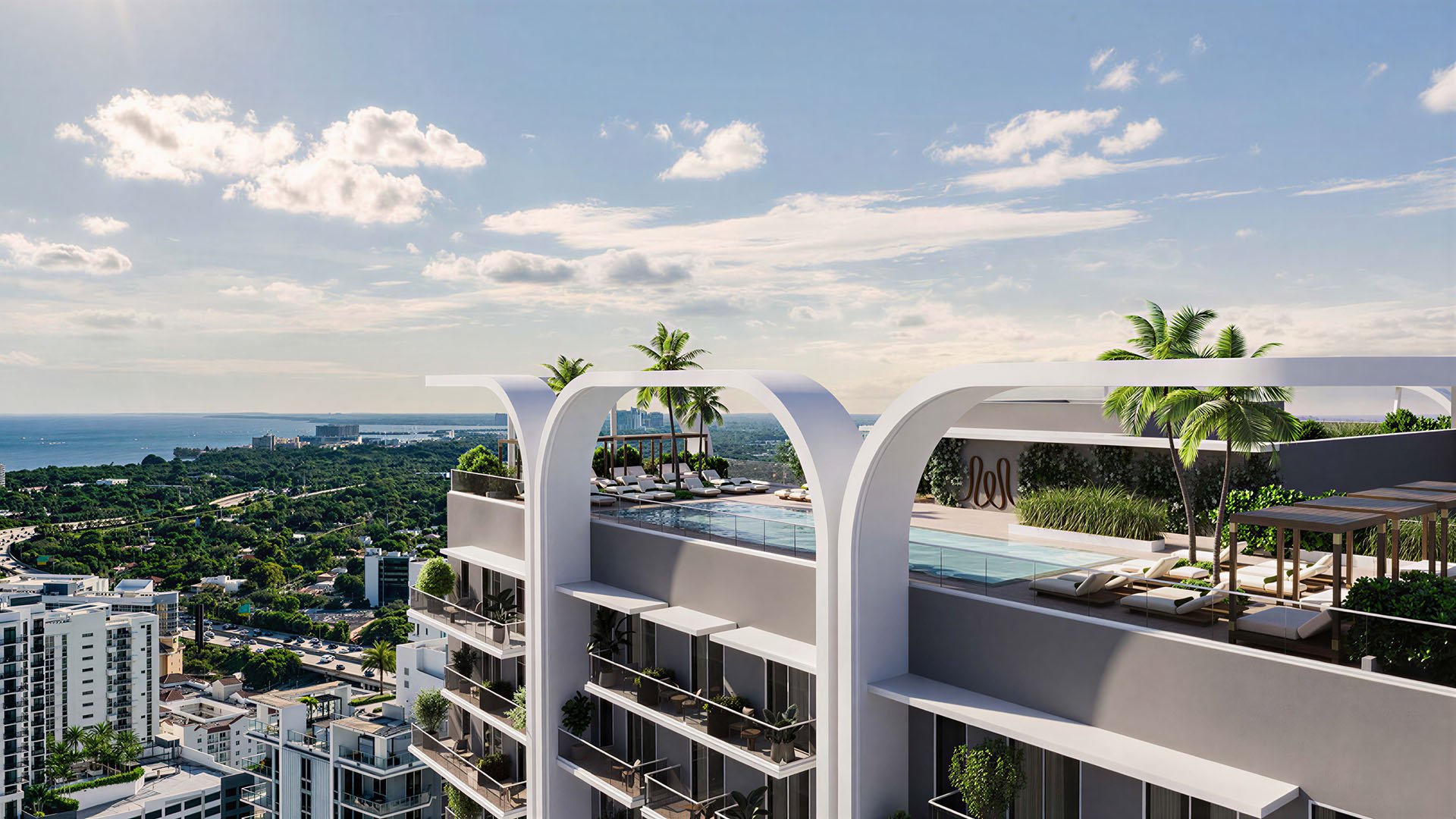
In Wynwood, luxury real estate is increasingly measured against the rhythm of the city itself. A home is no longer judged only by its finishes, views, or address. For buyers who use Miami as a cultural base, the more nuanced question is how the residence performs when the city is at its most animated.
Miami’s global event calendar brings waves of collectors, founders, athletes, designers, restaurateurs, and private clients into the urban core. In those moments, the most desirable home is not simply close to the action. It is calibrated for arrival, retreat, entertaining, recovery, and discretion. That distinction is especially important in Wynwood, where creative energy is part of the daily environment and the neighborhood’s appeal rests on immediacy.
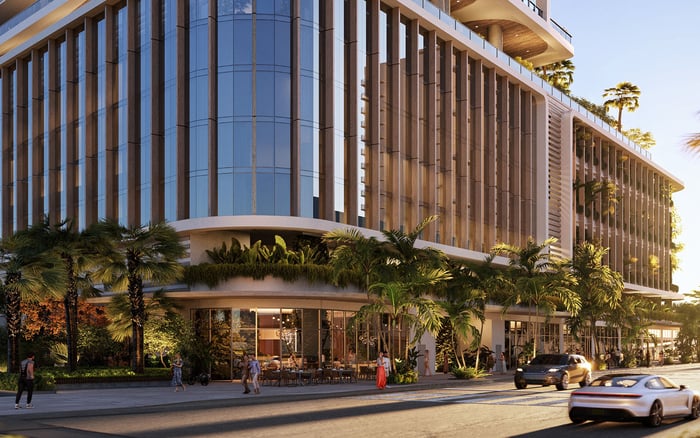
A buyer considering Frida Kahlo Wynwood Residences is not only buying into a residential address. They are positioning themselves within a district whose value proposition is shaped by culture, mobility, and the ability to move between private space and public energy with ease.
Traditional luxury neighborhoods often prize separation. Wynwood asks a different question: how close can one live to the city’s creative pulse while preserving the comfort expected of a refined residence? For event-driven owners, this balance becomes central.
During major cultural or hospitality weeks, proximity can reduce friction. A short ride, a walkable dinner, or the ability to host before and after an event can become part of the home’s utility. Yet proximity alone is not enough. The most relevant luxury-home priorities in Wynwood are practical: controlled access, strong acoustic separation, secure parking or valet planning, efficient guest circulation, and interiors that remain serene even when the neighborhood is lively.
This is where the luxury conversation becomes less about spectacle and more about design intelligence. A beautiful residence that is difficult to enter during peak moments can feel compromised. A quieter, better-planned home may ultimately live more luxuriously.
For event-season buyers, access is a premium amenity. The most thoughtful purchase decisions consider how owners, guests, drivers, deliveries, and service providers move through the property. Separate arrival sequences, clear lobby protocols, and well-managed parking can matter as much as a marble bath or chef’s kitchen.
Privacy is equally essential. Event calendars often bring social intensity, and high-profile owners may prefer homes that create a deliberate separation between public-facing amenities and private residential floors. The residence should allow for entertaining without making everyday life feel exposed.
Finally, buyers should consider the home’s power as a reset environment. After a long evening, the value of acoustic comfort, soft lighting, spa-like bathrooms, and a flexible den or wellness room becomes clear. Balcony usability also matters. Depth, orientation, and privacy can determine whether outdoor space feels ornamental or genuinely useful during the most active parts of the season.
Wynwood buyers often want the option to entertain, but the most sophisticated homes avoid turning every room into a stage. The stronger priority is flexibility: a living area that can host a small dinner, a terrace that works for coffee the next morning, and a kitchen that supports both private life and catered moments.
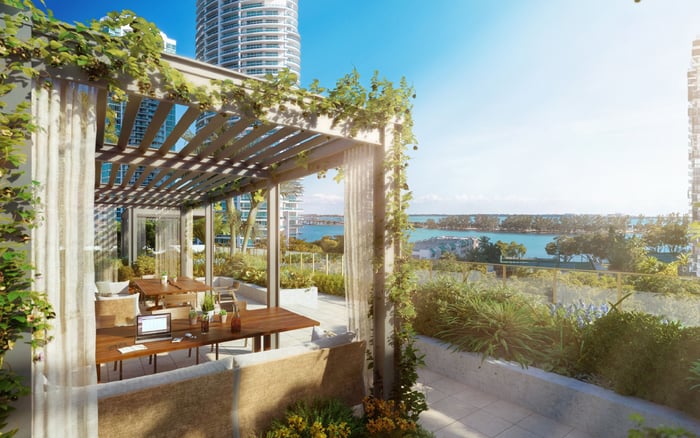
Terrace design deserves special attention. A terrace that feels exposed, windy, or disconnected from the interior may photograph well but live poorly. For the event-minded buyer, outdoor space should support conversation, shade, and ease of service. It should also provide a private counterpoint to the public energy below.
New-construction residences can be especially appealing when they address these lifestyle patterns from the outset. Still, buyers should look beyond presentation materials and ask how the building will operate on a crowded evening, during a private dinner, or after a late arrival from the airport.
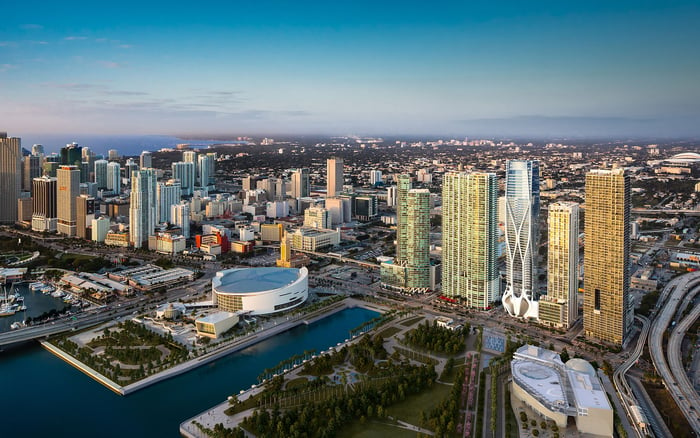
Wynwood rarely exists in isolation for luxury buyers. Its appeal is strengthened by the surrounding map: Midtown, the Design District, Edgewater, Brickell, Downtown, and Miami Beach all shape how owners experience the city. The right home may be in Wynwood itself, or it may sit just outside the district while preserving fast access to its cultural rhythm.
For buyers who want design adjacency with a slightly broader residential frame, Miami Design Residences Midtown Miami offers a nearby reference point for living close to the creative corridor. Those drawn toward the Design District may also consider Kempinski Residences Miami Design District as part of a search that prizes cultural proximity with a more hospitality-oriented lens.
Edgewater can appeal to owners who want water, skyline, and a calmer residential cadence while remaining connected to Wynwood. The Cove Residences Edgewater sits within that broader conversation, particularly for buyers who see the home as both private retreat and city base. Farther south, Brickell and Downtown add financial-district energy, dining, and hotel-service expectations, with 888 Brickell by Dolce & Gabbana illustrating how branded luxury can serve owners who want a polished urban address beyond Wynwood’s creative edge.
Investment thinking in Wynwood should be disciplined. The event calendar can support demand for well-located residences, but it should not be treated as a guarantee of performance. Buyers should evaluate building rules, rental policies, operating costs, furnishing durability, management structure, and the degree to which the home can appeal outside peak event windows.
The strongest properties are not merely useful for a few marquee weeks. They work in ordinary weeks as well. A residence that serves an owner comfortably, hosts guests gracefully, and remains desirable to future buyers has a more resilient profile than one designed only for short bursts of seasonal excitement.
If rental flexibility is part of the strategy, the details matter. Rules can vary by building and jurisdiction, and a buyer should understand what is allowed before underwriting any use case. In luxury real estate, optionality is valuable only when it is legitimate, manageable, and consistent with the building’s character.
The most relevant questions are often operational. How does the building manage peak arrivals? Is there a logical path for guests? Can the residence stay quiet when the neighborhood is active? Are terraces usable at the hours an owner will actually use them? Does the floor plan allow staff, caterers, or family members to move comfortably without disrupting the main living spaces?
Wynwood rewards buyers who think in scenes rather than static rooms. Morning recovery, afternoon work calls, pre-event cocktails, late returns, visiting friends, and private downtime all place different demands on the same home. The best residence does not merely look luxurious. It absorbs the city’s intensity and returns calm.
Why does Miami’s event calendar matter for Wynwood luxury buyers? It changes how a home is used, especially around access, privacy, entertaining, and quiet recovery after active nights.
Is proximity to Wynwood’s cultural energy always an advantage? It can be, but only when the residence also provides acoustic comfort, secure arrival, and a genuine sense of retreat.
What should buyers prioritize during peak event weeks? Arrival logistics, parking strategy, guest flow, privacy, and the ability to return to a calm interior should be central.
Are terraces important in Wynwood residences? Yes, when they are usable, private, and well connected to interior living areas rather than simply decorative.
Can Wynwood work for second-home owners? It can suit second-home owners who want cultural immediacy, flexible entertaining space, and access to nearby districts.
Should buyers compare Wynwood with Edgewater or Brickell? Yes, neighboring areas can offer different balances of water views, services, quiet, and access to the same urban calendar.
Is rental flexibility a key part of the decision? It may be, but buyers should review building rules and local requirements before assuming any rental strategy.
What makes a Wynwood home feel truly luxurious? The strongest homes combine design, privacy, ease of movement, and the ability to feel calm when the city is busy.
Does new construction matter for event-oriented buyers? New construction can help when building operations, layouts, and amenities are planned around modern urban living.
How should a buyer begin evaluating Wynwood options? Start with lifestyle patterns, then test each residence against access, privacy, terrace use, service flow, and long-term flexibility.
If you'd like a private walkthrough and a curated shortlist, connect with MILLION.
If branded residences are on your mind — as a home or as an allocation — we would be glad to share what we are seeing, privately.
Begin a quiet conversation