A buyer-focused guide to evaluating storm preparation services, building protocols, owner responsibilities, staffing, water management, backup power, and post-storm recovery before purchasing at Colette Residences Brickell.
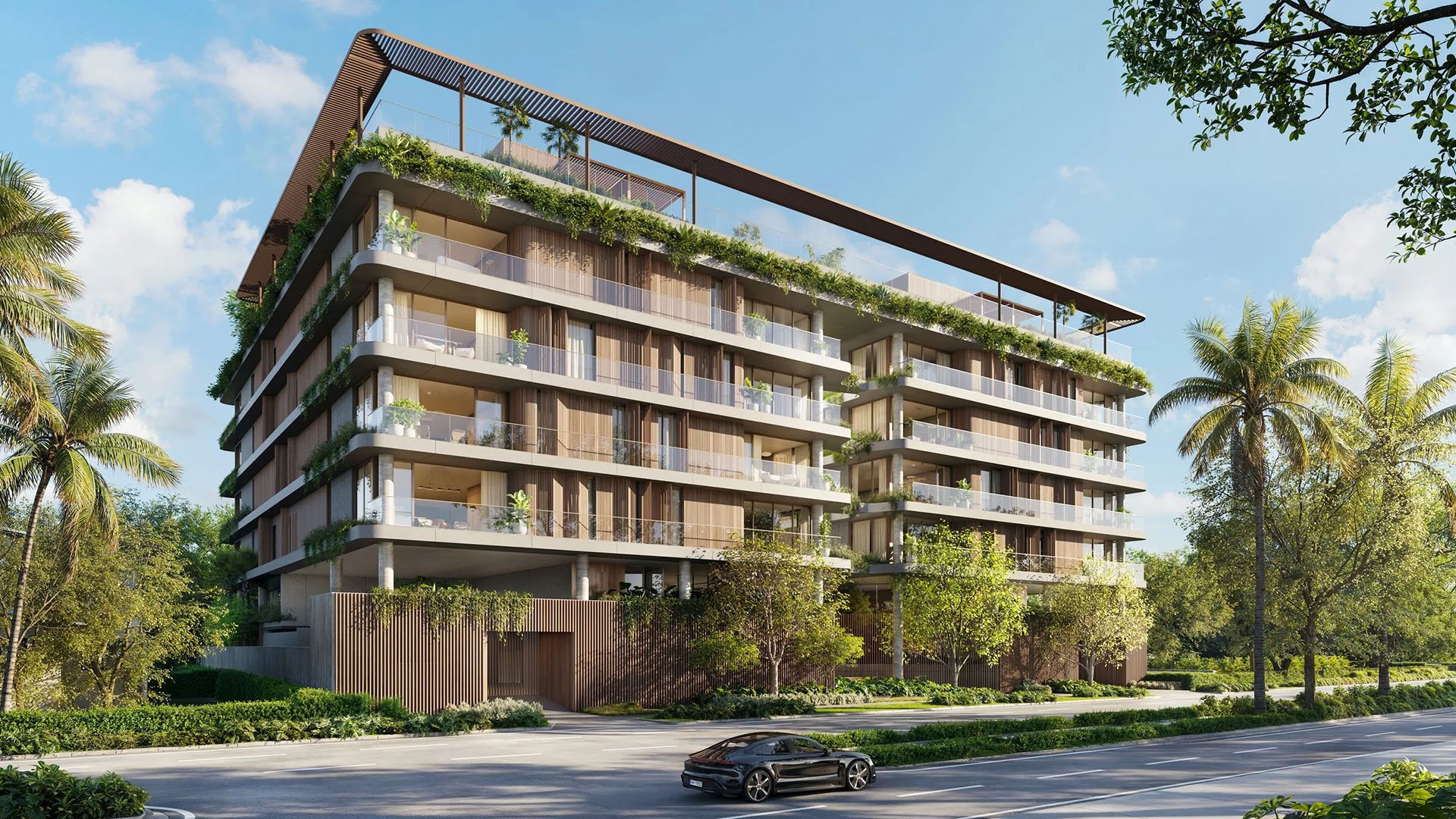
For a sophisticated buyer, storm preparation is not a maintenance footnote. It is part of the residence’s operating culture, much like privacy, valet service, wellness programming, and views shape the daily experience. Before buying at Colette Residences Brickell, the right questions should move beyond whether the building is attractive and into how the property is prepared, staffed, protected, and reopened when South Florida weather becomes serious.
Brickell buyers often focus first on skyline presence, proximity, hospitality, and finishes. That is natural. Yet in a dense urban waterfront market, service quality during storm season can distinguish a polished building from one that feels genuinely residential, resilient, and well managed. The most important answers are usually procedural: who does what, when they do it, how owners are notified, and what remains the owner’s responsibility.
This is especially relevant in a new-construction or pre-construction purchase, where buyers may be reviewing documents, representations, and management assumptions before daily operations are fully visible. The strongest approach is to ask for written clarity before contract confidence becomes emotional momentum.
The first question is simple: is there a written storm preparation protocol for the building, and who maintains it? A polished verbal answer is not enough. Buyers should ask whether the protocol addresses preparedness timelines, resident communications, amenity closures, staffing, common-area protection, elevator procedures, garage access, water intrusion response, and post-storm inspection.
A well-run condominium should be able to explain how decisions are made before a storm, not merely how repairs are handled afterward. Ask who has authority to activate the plan, how residents receive updates, and whether there are separate instructions for full-time residents, seasonal owners, and absentee owners. In Brickell, where many residences serve both primary and secondary-home lifestyles, clarity for absentee ownership is particularly important.
It is also reasonable to ask whether storm communications are delivered through email, building app, text alerts, concierge desk notices, or a combination of channels. Luxury service depends on consistency. If an owner is abroad, traveling, or using the residence seasonally, the communication system should not rely on hallway notices alone.
One of the most important questions is where the building’s storm preparation services stop. Does management secure only outdoor common areas, or does it also offer guidance for private terraces? Are owners responsible for moving balcony furniture, planters, artwork, grills, or accessories? Are there deadlines for removing loose items from private exterior spaces?
Buyers should ask whether the association or management team provides pre-storm inspections of private terraces, and whether any staff assistance is available by request. If assistance exists, clarify whether it is included, billed separately, limited by staffing, or subject to advance reservation. The answer matters for owners who travel frequently, maintain multiple homes, or expect a high-touch service model.
This is also the moment to ask about storage. If terrace furniture must be brought inside, where can it go without compromising interiors? If the residence has a significant waterview orientation and large outdoor areas, the lifestyle appeal should be matched by a practical storm-season plan.
Buyers should never assume the details of protective systems. Instead, ask direct questions: what exterior protection is included, what systems are installed, what standards apply, and who is responsible for maintenance and inspection? If windows, doors, railings, or terrace conditions are part of the conversation, request the relevant building documentation rather than relying on sales shorthand.
The question is not only whether the building was designed for South Florida conditions. It is whether the operational team knows how to maintain the components that matter when weather intensifies. Ask how often exterior systems are inspected, how service issues are logged, and whether owners receive instructions for sliding doors, balcony doors, drains, and any operable exterior elements.
In the broader Brickell market, buyers comparing St. Regis® Residences Brickell, Cipriani Residences Brickell, and Colette should treat storm readiness as part of the same comparative lens as amenity programming and design. The right building is not only beautiful on a clear day. It should also feel organized in the days before a storm.
Storm preparation services should include a serious discussion of continuity. Ask what backup power supports, how long it is intended to operate, and which systems are prioritized. Buyers should clarify whether emergency power is designed for life-safety systems only or whether it supports selected building operations such as elevators, access control, garage equipment, water systems, security, communications, or limited common-area lighting.
Elevator procedures deserve special attention in a high-rise environment. Ask when elevators may be taken out of service, how residents are notified, and what reactivation process follows a storm. The same applies to garage access, loading areas, lobby doors, package rooms, and service entrances. A building can have excellent architecture and still frustrate residents if reopening procedures are vague.
Water management is another essential topic. Ask how roof drains, terrace drains, garage drainage, sump systems, and mechanical areas are inspected before heavy weather. This is not a request for engineering speculation from a sales team. It is a request for the right building personnel or documents to explain the plan in practical language.
Luxury service is ultimately human. Ask who is expected to be on site as weather approaches, who may remain during the event if conditions require, and how the building resumes service afterward. Buyers should clarify whether concierge, security, engineering, housekeeping, valet, and management teams have separate storm roles.
Staffing plans are sensitive because safety comes first. Still, a buyer can and should understand the framework. Who secures amenities? Who checks common areas? Who coordinates vendors? Who communicates with residents? Who authorizes reopening of the pool deck, fitness spaces, spa areas, garages, and lobbies?
For an investment buyer, this is more than comfort. Operational resilience influences owner confidence, guest coordination, insurance conversations, and the long-term perception of the asset. In a market where buildings such as Una Residences Brickell and The Residences at 1428 Brickell compete for discerning attention, storm-season competence is part of the ownership proposition.
Before buying, ask how storm preparation and recovery are reflected in the building’s budget culture. Are there vendor relationships in place for emergency remediation, glass, doors, landscaping, mechanical systems, generators, elevators, and water extraction? Are contracts standing arrangements or arranged only after an event? Does the association maintain a list of preferred vendors for private-residence needs?
Buyers should also ask about the association’s insurance structure, deductibles, claims procedures, and owner insurance responsibilities. The objective is not to become an insurance adjuster. It is to understand what the building covers, what the owner must cover, and where responsibility may become complicated after wind or water damage.
Recovery planning should be specific. Ask how inspections are sequenced after a storm, how residents are informed about access, and whether management provides guidance on documenting damage. A refined building should not leave owners guessing about next steps.
The most productive buyer questions are direct, practical, and document-focused. Ask for the written storm plan. Ask who updates it. Ask what private-residence responsibilities apply. Ask how absentee owners are supported. Ask how terraces are handled. Ask which systems receive backup power. Ask what happens to elevators, garage access, and amenity operations. Ask whether emergency vendors are already identified.
Just as important, ask who can answer follow-up questions with authority. A sales presentation may introduce the building beautifully, but storm preparation belongs with management, engineering, association documents, and closing counsel. The goal is not alarm. It is diligence.
For buyers drawn to Colette Residences Brickell, the most elegant purchase is one made with both desire and discipline. Storm preparation services are part of that discipline, and in South Florida, they belong in the first serious round of questions.
Should I ask about storm preparation before making an offer? Yes. The earlier you ask, the easier it is to evaluate service quality, owner duties, and building operations without pressure.
What is the most important document to request? Ask for the building’s written storm protocol or the most relevant management guidance available for residents.
Who should explain the storm plan to me? The best answers usually come from management, engineering, association representatives, and your own advisors, not only from sales materials.
Are private balconies usually the owner’s responsibility? Often, owners have responsibilities for private outdoor items, but you should confirm the exact rules for the building before buying.
Should absentee owners ask different questions? Yes. Ask how notices are sent, whether staff assistance can be arranged, and what deadlines apply if you are away.
Why does backup power matter in a luxury high-rise? It shapes access, safety, communications, and the speed at which normal building operations can resume.
Should I ask about post-storm reopening procedures? Absolutely. Reentry, elevator service, garage access, and amenity reopening are central to the owner experience.
How should I evaluate vendor readiness? Ask whether the building has identified vendors for remediation, mechanical systems, elevators, doors, and other urgent needs.
Does storm preparation affect long-term value? It can influence confidence in ownership quality, operating discipline, and the building’s reputation among discerning buyers.
Is this only relevant for waterfront residences? No. Storm planning matters across South Florida, including dense urban neighborhoods such as Brickell.
For a tailored shortlist and next-step guidance, connect with MILLION.
If branded residences are on your mind — as a home or as an allocation — we would be glad to share what we are seeing, privately.
Begin a quiet conversation