A discreet buyer’s guide to evaluating a Fisher Island pied-à-terre as more than a seasonal convenience, with emphasis on privacy, year-round utility, ownership discipline, and long-term fit.
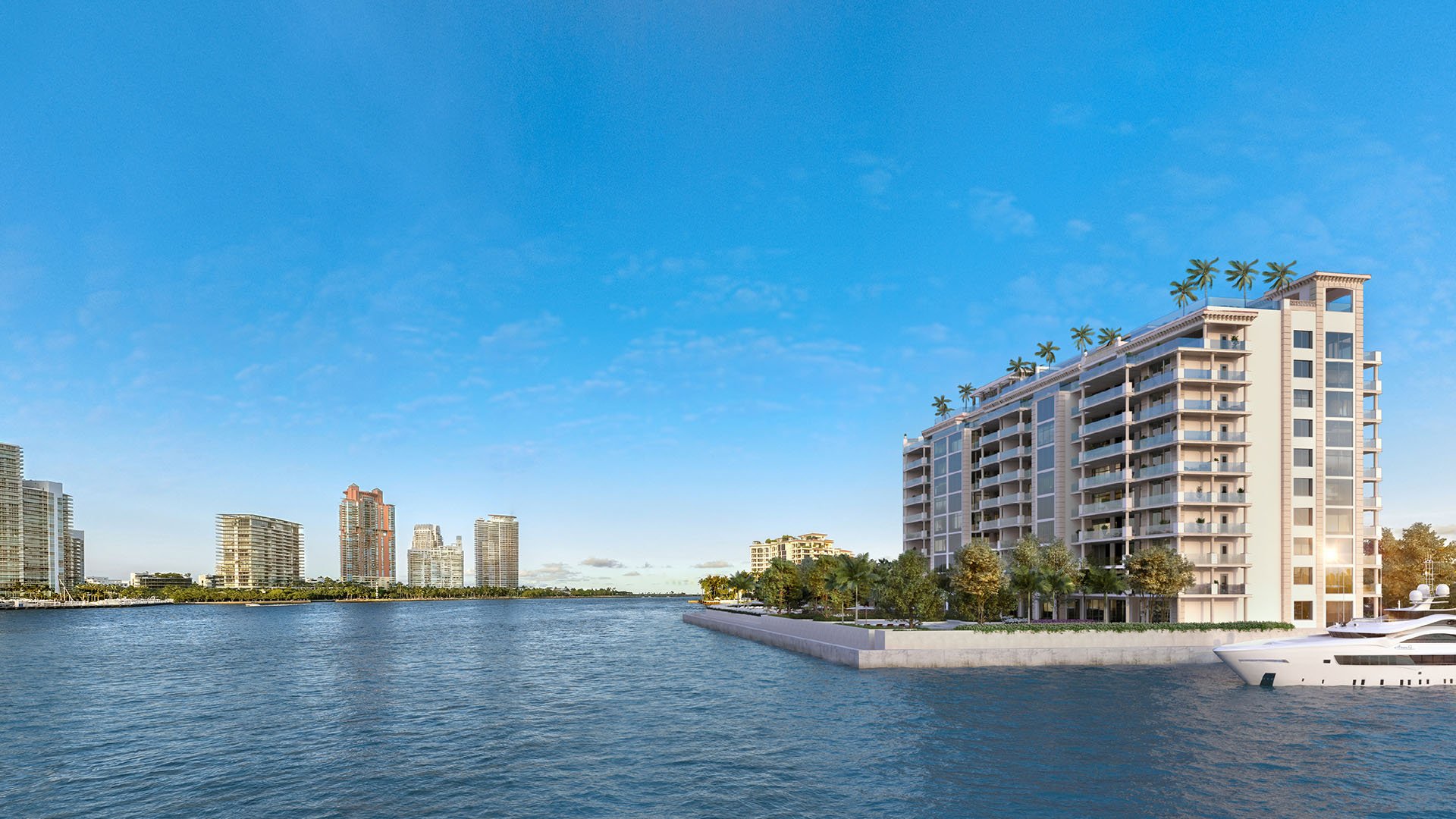
A seasonal pied-à-terre on Fisher Island is often described in shorthand: a winter address, a lock-and-leave residence, or a discreet base for South Florida’s social season. Those descriptions are accurate, but incomplete. For a serious buyer, the sharper question is whether the property can function with the dignity, resilience, and practical utility of a long-term home, even if it is occupied only part of the year.
That distinction matters. A true long-term purchase is not simply the most beautiful apartment available at the right moment. It is a residence that holds up across changing family schedules, evolving work patterns, maintenance demands, staff logistics, guest use, and eventual resale. On Fisher Island, where the appeal is as much about separation as scenery, the successful pied-à-terre feels effortless in season and remains sensible out of season.
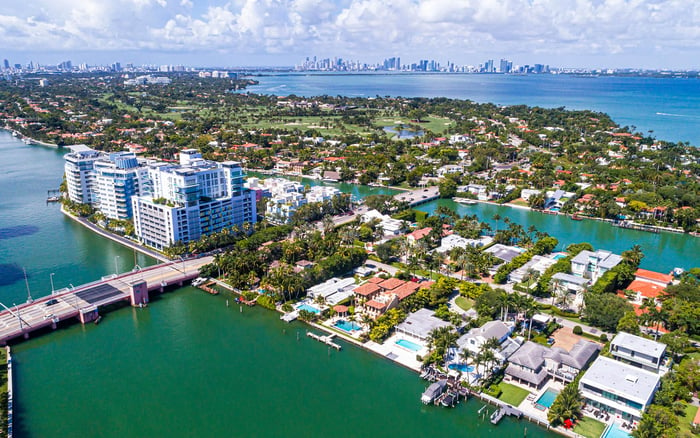
Buyers often compare Fisher Island with Miami Beach, Bal Harbour, and Coconut Grove when deciding how much privacy they truly want. The answer is personal. Some prefer immediate walkability and visible energy. Others want the more composed rhythm of a private island environment. The long-term buyer is not merely choosing an address. They are choosing how they want South Florida to function around them.
Fisher Island’s core proposition is privacy. For many ultra-premium buyers, that privacy is not an amenity. It is the reason to consider the island at all. Yet privacy only supports long-term ownership when convenience is equally clear. A seasonal home that is difficult to activate, staff, provision, or share with family will eventually feel ornamental rather than useful.
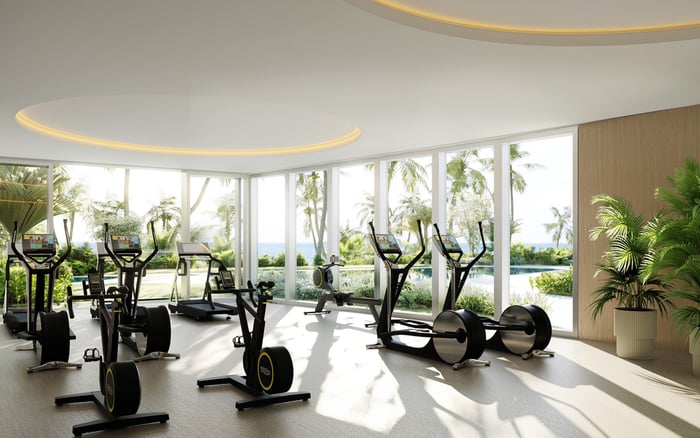
The strongest purchases begin with a realistic audit of daily life. How often will the owner arrive with little notice? Will adult children or guests use the residence independently? Is the home expected to support remote work, private dining, wellness routines, or extended family stays? Will the owner be comfortable relying on building and island services during periods when they are not in residence?
A buyer looking at The Residences at Six Fisher Island should think less in terms of a seasonal trophy and more in terms of operational readiness. The best pied-à-terre is not the one that waits passively for December. It is the one that can be opened, used, hosted, and secured with minimal friction throughout the year.
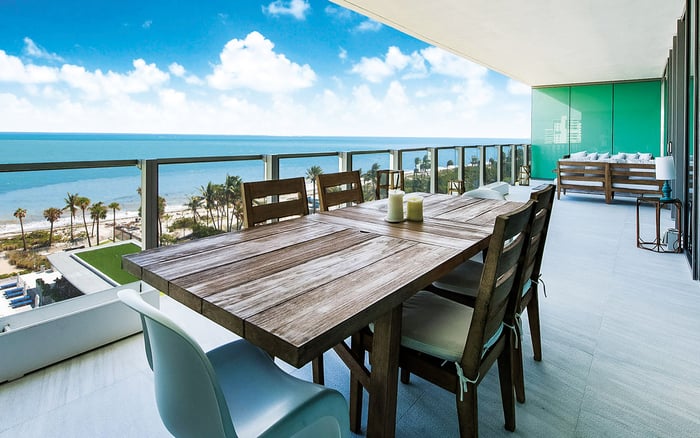
Waterfront real estate in South Florida carries an emotional premium, and Fisher Island is no exception. Still, long-term value depends on more than a pleasing first impression from the terrace. Exposure, privacy, light, building quality, outdoor usability, and the relationship between interior space and view corridor all matter.
A seasonal buyer may fall in love with a sunrise, a broad water outlook, or the feeling of arrival. A long-term buyer asks whether that view will remain compelling after repeated visits, whether the outdoor space is comfortable at different times of day, and whether the floor plan makes the most of the setting. The more limited the owner’s time in residence, the more each arrival must feel complete.
Named residences within Fisher Island’s elevated condominium landscape can invite strong first impressions, but the real analysis remains unit-specific. A thoughtful buyer studies the plan, the approach, the building culture, and the way the home will live across several seasons, not just during one perfect showing.
Investment thinking on Fisher Island should be sober. A pied-à-terre can be emotionally driven, but it should not be financially casual. The buyer should understand carrying costs, potential renovation needs, ownership rules, future liquidity, and the likely buyer profile at resale. The right purchase may still be indulgent, but it should never be vague.
The most durable seasonal homes tend to have broad appeal within a narrow luxury audience. They are large enough to be useful, but not so specialized that only one kind of buyer can imagine living there. They have finishes that can age gracefully, layouts that accommodate guests without compromising privacy, and enough architectural restraint to support future personalization.
This is where a Fisher Island pied-à-terre differs from a purely recreational purchase. The owner is buying optionality. The home may begin as a winter retreat, become a longer seasonal residence, host family during school breaks, support business travel, or serve as a bridge between other properties. The more scenarios the home can accommodate, the more serious the purchase becomes.
For ultra-premium buyers, lock-and-leave does not mean small or simple. It means the residence can be maintained impeccably when unoccupied and restored to full use quickly. The building, staff protocols, security posture, climate control, storage, parking, service access, and vendor coordination all become part of the ownership experience.
A pied-à-terre that appears manageable on paper can become cumbersome if it lacks the right support structure. Conversely, a larger residence may be practical if the building and household systems are well aligned. The question is not size alone. It is whether the residence can be managed to the owner’s standard without constant personal intervention.
For buyers who prefer a more residential format, The Links Estates at Fisher Island invites a different conversation about privacy, scale, and how a seasonal property might function for a family over time. The same principle applies: the home must be easy to own, not merely impressive to visit.
A Fisher Island purchase carries a lifestyle premium because it offers a rare combination of separation and proximity. The buyer is close to the cultural, dining, medical, aviation, and business infrastructure of greater Miami, yet removed from much of its public intensity. That balance is difficult to replicate, but it is not right for everyone.
Some buyers will prefer the more immediate urban rhythm of Miami Beach. Others may want the quieter beachfront formality associated with Bal Harbour, or the gardened, village-like atmosphere of Coconut Grove. A buyer considering The Perigon Miami Beach, for example, is evaluating a different expression of coastal living than a Fisher Island residence, even if both may serve a seasonal owner beautifully.
The point is not to declare one setting superior. It is to isolate the premium being paid. On Fisher Island, that premium is tied to privacy, controlled access, low-key prestige, and the psychological shift that occurs when the city feels close but not intrusive. If that shift improves how the owner actually lives, the premium may be rational. If it only sounds appealing in theory, it deserves more scrutiny.
A pied-à-terre becomes more than a seasonal convenience when it earns a place in the family’s long-term pattern. That may mean recurring holidays, private entertaining, multigenerational visits, or simply the certainty of having a refined South Florida base that is always ready. The transition from occasional use to legacy value is rarely about square footage alone. It is about repetition, comfort, and memory.
The best Fisher Island purchases are made with patience. They resist the temptation to buy only for the current season, and they avoid over-customization that could narrow future appeal. They respect the emotional side of ownership while still applying discipline to location, building, plan, condition, service, and exit strategy.
For the right buyer, a seasonal pied-à-terre on Fisher Island can be a serious long-term purchase precisely because it is not trying to be everything. It offers a specific form of South Florida living: private, polished, near the city, and apart from it. When that formula matches the owner’s life, the property can move beyond convenience and become a quietly essential address.
Is a Fisher Island pied-à-terre only for winter use? Not necessarily. The strongest purchases can support year-round arrivals, guest use, remote work, and longer seasonal stays.
What matters most in choosing a seasonal residence? Privacy, service, floor plan, maintenance ease, outdoor usability, and resale logic should all be evaluated together.
Should buyers prioritize views or building quality? Both matter, but a long-term purchase should not rely on views alone. The residence must also live well and be easy to own.
Can a pied-à-terre be a serious investment? Yes, if the buyer applies discipline to carrying costs, liquidity, condition, and the likely future buyer profile.
How important is staff and service coordination? It is central for seasonal owners. A residence that can be prepared and maintained seamlessly will be used more often.
Is Fisher Island comparable to Miami Beach? They serve different preferences. Miami Beach offers more immediate urban energy, while Fisher Island emphasizes privacy and separation.
Who is best suited to a Fisher Island pied-à-terre? Buyers who value discretion, controlled access, and a composed residential setting are typically the strongest fit.
Should families consider larger layouts? Often, yes. A flexible plan can accommodate guests, adult children, staff needs, and changing seasonal patterns.
What makes a lock-and-leave residence successful? Strong building operations, security, maintenance systems, storage, and reliable preparation before each arrival are key.
When should a buyer compare alternatives off the island? Before committing, buyers should test whether they prefer island privacy or the walkability and pace of other luxury enclaves.
For a confidential assessment and a building-by-building shortlist, connect with MILLION.
If branded residences are on your mind — as a home or as an allocation — we would be glad to share what we are seeing, privately.
Begin a quiet conversation