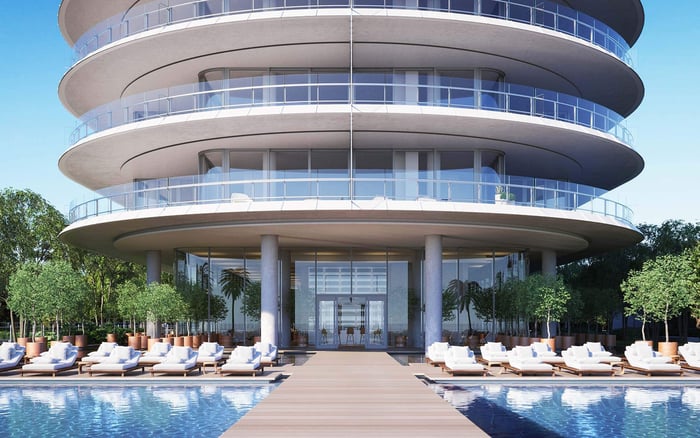
A discreet guide for San Francisco buyers evaluating Miami preconstruction condos, with practical attention to neighborhood fit, contract review, design expectations, carrying costs, and long-term ownership logic.
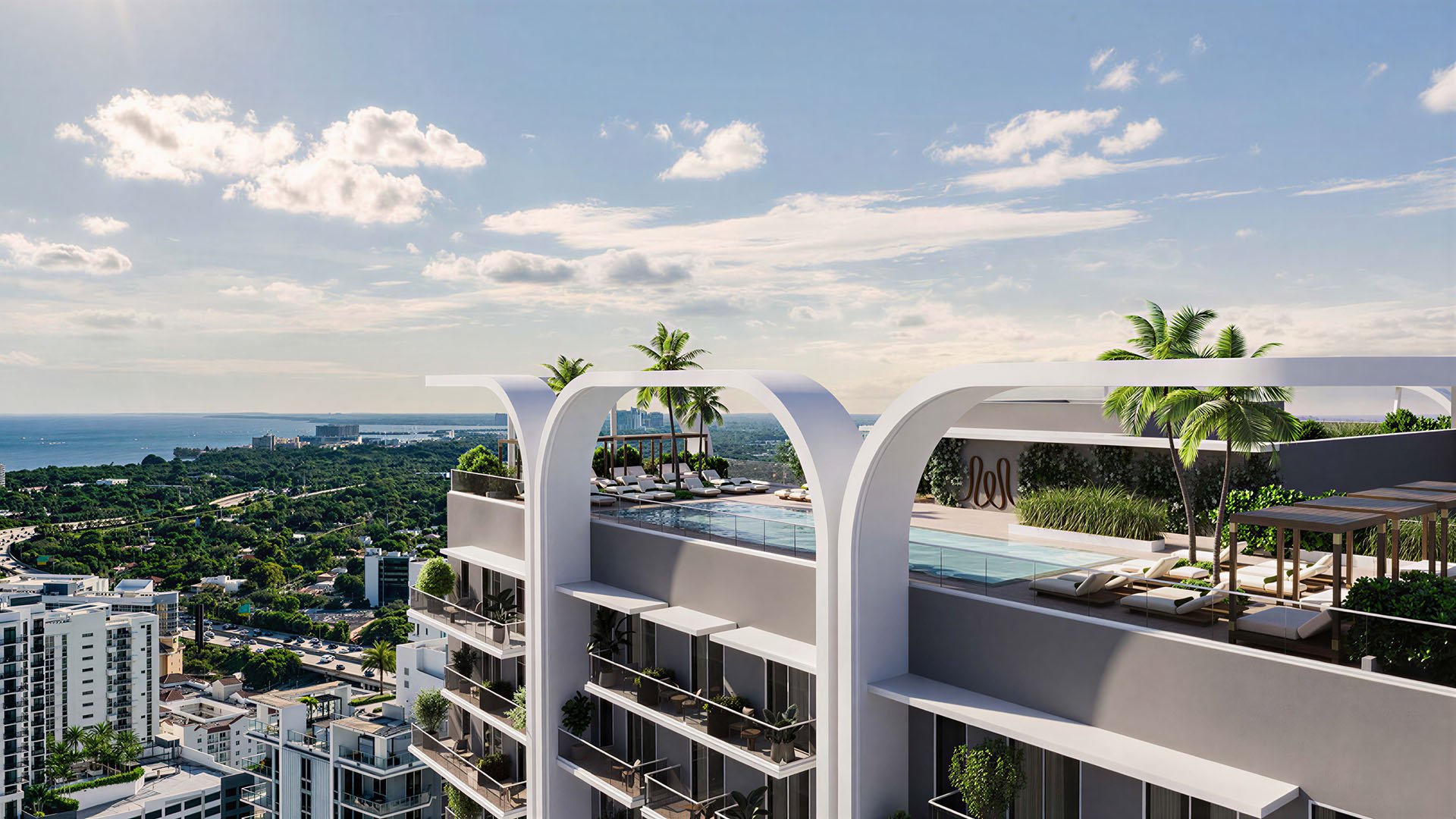
For a San Francisco buyer, Miami can feel both intuitive and entirely new. The visual language is familiar: glass towers, bay views, elevator privacy, valet arrival, design-forward lobbies, and a market where the best residences often trade on light, aspect, scarcity, and reputation. Yet the daily rhythm is different. Miami is less about a single urban hierarchy than about choosing the right lifestyle corridor, then selecting the building that supports it with discipline.
That distinction matters most in preconstruction. A finished condominium lets you walk the terrace, test the approach, and feel the afternoon sun. A preconstruction condo asks you to buy a future experience, shaped by plans, renderings, specifications, developer execution, and contract language. For a Bay Area buyer accustomed to competitive inventory and compressed decision windows, the Miami process can be appealing, but it rewards patience, precision, and a clear understanding of what is actually being purchased.
This buyer’s guide is not about chasing the loudest launch. It is about translating San Francisco expectations into a Miami framework: lifestyle first, contract second, product third, and exit strategy always in the background.
The first question is not which tower is most beautiful. It is how you want Miami to function in your life. A primary residence, winter base, pied-à-terre, family gathering place, and long-term investment each lead to different answers.
If your Miami life is centered on restaurants, offices, private clubs, and airport access, Brickell and Downtown Miami will often enter the conversation early. Buyers comparing urban condominium living may naturally study projects such as 2200 Brickell or The Residences at 1428 Brickell as part of a broader review of location, floor plan, approach, amenities, and long-term ownership goals. The point is not to select by name recognition alone. The point is to understand whether the address supports your ordinary Tuesday, not just your first weekend in town.
If the goal is a more resort-like coastal life, Miami Beach changes the lens. Here, privacy, beach proximity, traffic patterns, terrace usability, and the building’s relationship to the water may matter as much as interior finish. A project such as The Perigon Miami Beach belongs in a different mental category than a downtown tower because the purchase is tied to a distinct daily environment. You are not simply buying square footage. You are choosing your relationship with the ocean, the neighborhood, and the social cadence of the beach.
For buyers who want a softer residential atmosphere, Coconut Grove often appeals to those who value greenery, village scale, boating culture, and a quieter sense of arrival. Reviewing Four Seasons Residences Coconut Grove can help frame the difference between an urban tower decision and a more residential neighborhood decision. San Francisco buyers who love established enclaves should pay close attention to this distinction.
In preconstruction, the contract deserves as much attention as the view. A polished sales gallery can make the decision feel immediate, but the purchase documents define the buyer’s actual position. Review the deposit structure, timing of payments, cancellation language, permitted developer changes, finish descriptions, closing obligations, association documents, and any restrictions on leasing or use.
San Francisco buyers are often comfortable with complex transactions, but Miami preconstruction has its own rhythm. The residence may not yet exist, the final condition may depend on construction choices, and certain elements shown in marketing material may be illustrative rather than binding. A sophisticated buyer should ask which features are included, which are upgrades, which are conceptual, and which are governed by the contract.
This is where the right advisory team matters. A real estate attorney familiar with Florida condominium documents, a tax advisor who understands your residency picture, and a broker who can compare buildings without being seduced by launch theater are all part of a serious process. The best buyers do not rush to appear decisive. They become decisive because the ambiguities have been reduced.
Renderings are designed to inspire. Floor plans are designed to inform. The owner’s task is to separate atmosphere from function.
Start with the entry sequence. Is there a private elevator or a shared corridor? Where does storage live? How does the kitchen relate to the entertaining space? Is the primary suite positioned for privacy? Are secondary bedrooms useful for adult guests, children, or staff? Does the terrace have real furnishing logic, or is it a narrow visual gesture? A San Francisco buyer may be highly attuned to view premiums, but in Miami, outdoor space and orientation can be central to the residence’s value and livability.
Next, study ceiling heights, window placement, column locations, mechanical areas, laundry configuration, parking arrangements, and service access. These are not glamorous questions, but they determine whether a residence feels effortless or compromised. In luxury buildings, small inefficiencies can become daily irritations precisely because the rest of the experience is so refined.
The finish package also deserves careful reading. Imported stone, custom millwork, appliance selections, closet systems, lighting provisions, and bathroom specifications can vary dramatically from one project to another. Rather than asking whether the finishes are beautiful, ask whether they align with your standard, whether substitutions are permitted, and how much customization is realistic within the developer’s process.
Miami preconstruction marketing often presents amenities as a complete lifestyle universe. Pools, spas, fitness centers, lounges, private dining, wellness areas, screening rooms, children’s spaces, guest suites, and concierge services may all appear in the conversation. The critical question is not how many amenities exist. It is which ones you will use, how they are operated, and whether the association structure can support them gracefully over time.
A buyer moving from San Francisco should be particularly attentive to service culture. The best condominium experience is not only architectural. It is operational. Valet efficiency, package handling, elevator performance, security posture, maintenance standards, guest arrival, and management responsiveness shape daily satisfaction. A tower can photograph beautifully and still live awkwardly if operations are not carefully considered.
Amenities also influence carrying costs. A rich service program may be worth it for a buyer who uses the property regularly and values hotel-level convenience. For a more occasional owner, the same program should be weighed against practical use. Luxury is personal, but financial discipline is universal.
Even when the purchase is emotional, the exit should be rational. A well-chosen preconstruction condo should make sense for your intended holding period and for the next buyer who may one day evaluate it.
The most resilient residences tend to offer clarity: a desirable location, logical floor plan, strong light, compelling views, credible design, quality execution, and a building identity that will remain legible after the launch campaign fades. Avoid buying a plan that requires too much explanation. If the terrace is awkward, the view is compromised, the bedrooms are undersized, or the location does not match the price ambition, those issues may remain visible later.
Investment thinking does not require a speculative mindset. It means asking sober questions before signing: Who is the likely future buyer? Will the building appeal to primary residents, seasonal owners, or both? Is the plan flexible enough for changing family needs? Does the neighborhood have lasting appeal beyond the current sales narrative? In Miami, the most confident purchase is often the one that feels both emotionally specific and broadly understandable.
Begin with neighborhood, then shortlist buildings, then compare plans, then review documents, then negotiate where possible. Do not invert the order. A seductive residence in the wrong neighborhood is still the wrong residence. A famous brand with an imperfect plan is still an imperfect plan. A beautiful rendering with unclear documents is still a risk to be evaluated.
For San Francisco buyers, the best Miami preconstruction condo is not necessarily the newest, tallest, or most publicized. It is the one that fits your life, protects your capital, and gives you confidence that the finished residence will match the promise you underwrote. The market rewards taste, but it rewards discernment more.
Should San Francisco buyers visit Miami before reserving a preconstruction condo? Yes. Even a short visit can clarify neighborhood fit, traffic patterns, building context, and the emotional difference between urban, beach, and residential settings.
Is Brickell the default choice for a Bay Area buyer? Not always. Brickell suits many buyers who want an urban rhythm, but Miami Beach, Coconut Grove, and other areas may be better for privacy, leisure, or family use.
What should I review first in a preconstruction contract? Focus on deposit timing, developer rights, finish obligations, closing requirements, association documents, and any restrictions on leasing or use.
Are renderings reliable enough to make a purchase decision? Renderings are useful for atmosphere, but the binding details are usually in the plans, specifications, and contract documents.
How important is terrace design in Miami? Very important. Outdoor space can shape how the residence lives, especially for buyers seeking light, views, entertaining space, and year-round usability.
Should I prioritize brand, architect, or location? Prioritize the total composition. A strong brand or architect can add confidence, but location, plan quality, execution, and operations remain essential.
Can a preconstruction condo work as an investment? It can, but the analysis should be disciplined. Consider future buyer demand, plan flexibility, carrying costs, and the long-term strength of the address.
What professional advisors should be involved? A Florida real estate attorney, tax advisor, and experienced luxury condominium broker can help align the purchase with legal, financial, and lifestyle goals.
How do I compare two similar luxury towers? Compare arrival, views, floor plan efficiency, outdoor space, service model, association structure, finish standards, and the likely future buyer profile.
What is the biggest mistake San Francisco buyers make in Miami? The biggest mistake is choosing the building before choosing the lifestyle. Miami rewards buyers who understand how they will actually use the residence.
If you'd like a private walkthrough and a curated shortlist, connect with MILLION.
If branded residences are on your mind — as a home or as an allocation — we would be glad to share what we are seeing, privately.
Begin a quiet conversation