A discreet, practical guide to evaluating construction-noise exposure before purchasing luxury real estate in North Miami, with questions for site visits, contracts, building teams, and resale planning.
In a premium residence, silence is not a minor amenity. It is part of the architecture of daily life: the quality of morning coffee on the terrace, the discretion of a work call, the depth of sleep in a primary suite, and the ability to host without feeling as if the city has entered the room. For buyers evaluating luxury real estate in North Miami, construction-noise exposure belongs beside view protection, building reserves, insurance, parking, and waterfront access.
The issue is rarely as simple as asking whether a building is quiet today. A residence can feel serene during a polished afternoon showing and very different on a weekday morning. Noise may come from an active site, a future site, roadwork, demolition, delivery staging, marine activity, or neighboring renovations. The most discerning buyers do not rely on atmosphere alone. They ask specific questions, insist on time-based observations, and understand how sound travels through glass, slabs, corridors, and open water.
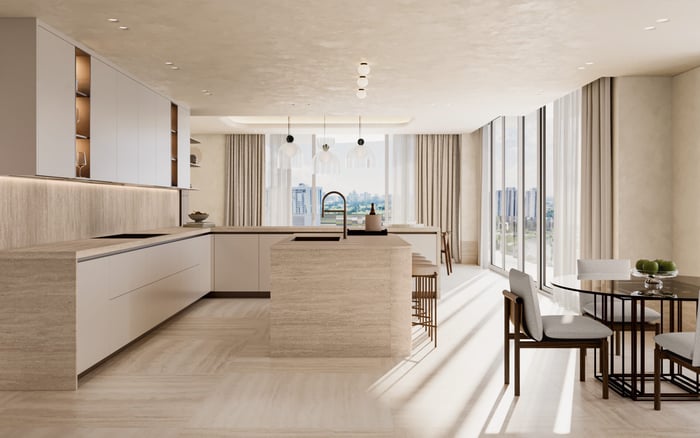
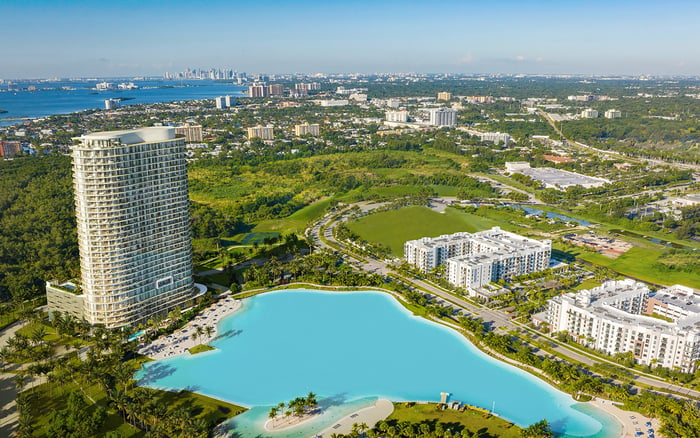
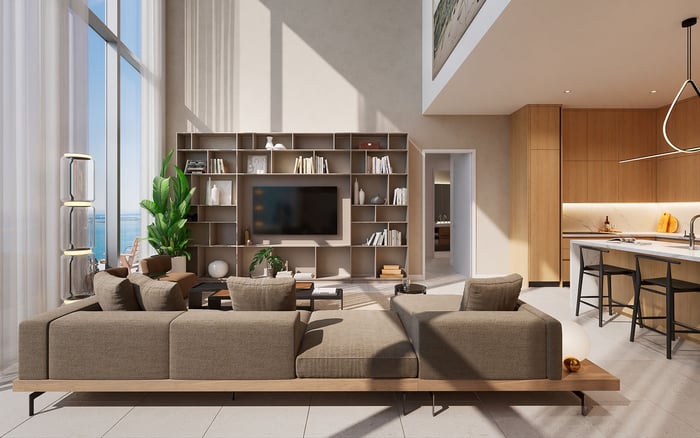
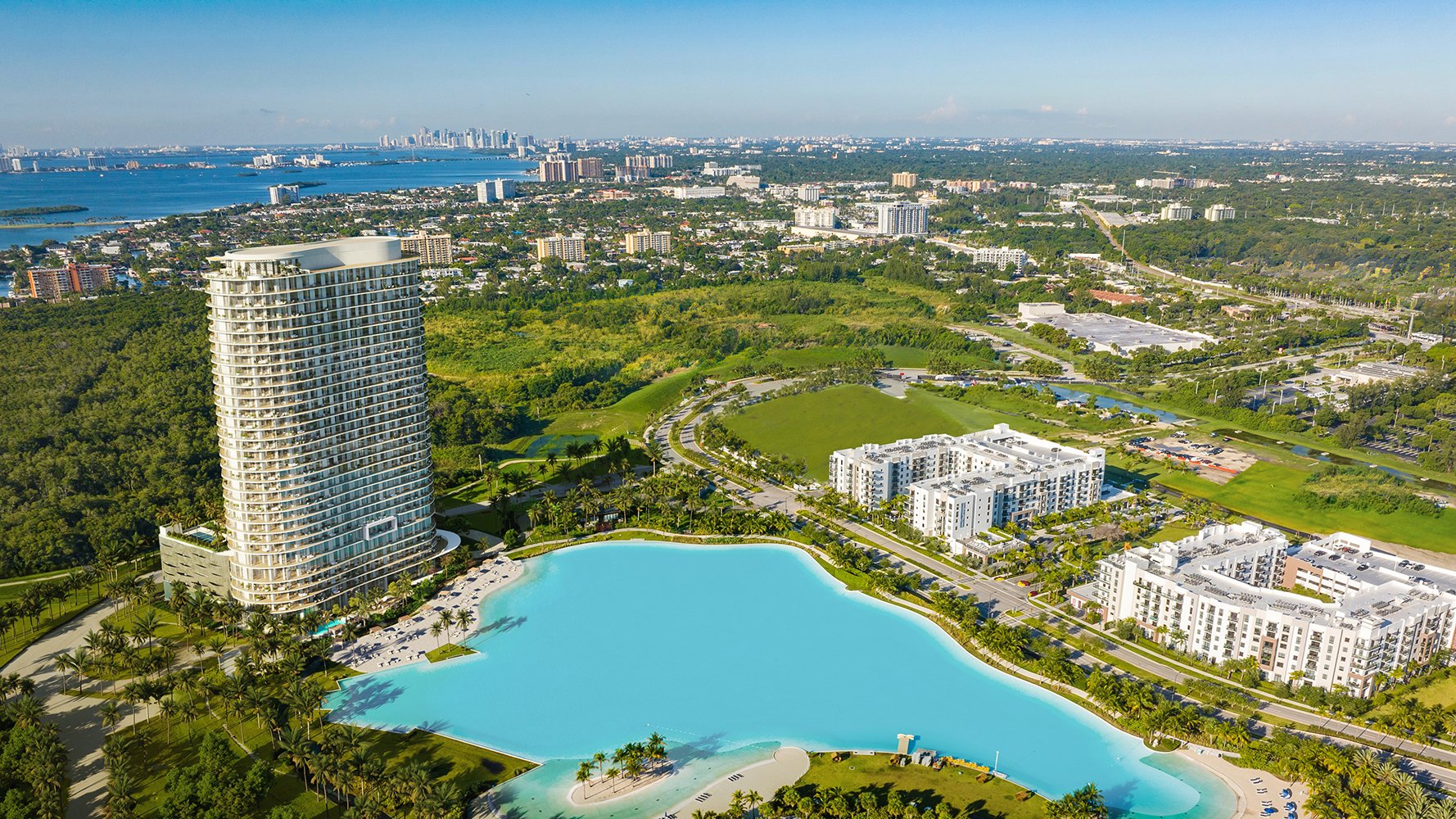
This buyer's-guide approach is especially relevant in North Miami, where waterfront living, established neighborhoods, and new residential interest can sit close together. A buyer considering One Park Tower by Turnberry North Miami, for example, should ask not only what the residence offers, but also what the surrounding environment may sound like throughout ownership.
The first question is simple: what can be heard inside this specific residence, with doors and windows closed, during normal construction hours? The answer should be tested in the actual line, actual floor, and actual exposure. A high-floor corner residence may hear sound differently than a lower-floor home facing a staging area. A unit shielded by another tower may feel calmer than one with a direct acoustic path across open space.
Ask to visit more than once. A Saturday viewing may be elegant, but it is not a complete picture. Request a weekday morning appointment and, if possible, a late-afternoon revisit. Stand quietly in the primary bedroom, kitchen, home office, terrace, and entry corridor. Turn off music and televisions. Listen for impact noise, reversing signals, truck movements, concrete work, generators, and interior renovation sounds from neighboring units.
For waterfront residences, do not assume open views mean quiet surroundings. Water can make a view feel cinematic, but sound may carry across it in surprising ways. The question is not whether a buyer can tolerate a moment of activity. It is whether the residence supports the lifestyle the buyer is paying to protect.
Noise diligence should extend beyond the property line. Ask your advisor to identify nearby vacant parcels, recently cleared lots, older low-rise properties, surface parking areas, and buildings that appear under-improved relative to their surroundings. These are not predictions; they are prompts for better questions. A quiet view over a modest structure may be temporary if the parcel has future development potential.
The most useful questions are practical. Are there active building permits nearby? Are there visible construction entrances or staging zones? Could trucks queue near the residence? Are neighboring associations planning major repairs, facade work, roof work, pool renovation, seawall work, or garage projects? Is the access road narrow enough that even modest activity becomes noticeable?
When comparing North Miami with nearby markets, include adjacent buyer alternatives in the conversation. A client also touring Continuum Club & Residences North Bay Village and Shoma Bay North Bay Village may find that each waterfront setting has a different relationship to surrounding parcels, roads, and future construction risk. The point is not to avoid growth. It is to price and select with clear eyes.
A luxury showing is designed to flatter the property. A sound audit is designed to challenge it. Arrive early and spend time outside before entering. Walk the approach road, lobby drop-off, garage entry, amenity deck, pool area, fitness center, and any terrace level that matters to the buyer's daily routine. Listen from the places where life will actually occur, not only from the most photogenic room.
Inside the residence, ask whether the windows and doors are fully closed and properly sealed. If the residence is furnished, rugs, drapery, upholstered pieces, and millwork may soften sound. If it is vacant, the space may feel brighter acoustically than it will after interiors are complete. Neither condition is wrong, but each should be interpreted correctly.
Buyers should also ask whether the building has rules for in-unit renovations, contractor access, elevator padding, work hours, debris removal, and deliveries. In a finished condominium, the construction that matters most may not be a tower next door. It may be the owner above who begins a substantial interior renovation just after closing.
The cleanest time to address construction-noise exposure is before the buyer feels committed. Ask for condominium documents, association rules, seller disclosures, and any available information on planned building projects. If purchasing in a new project, ask the sales team how construction sequencing, neighboring parcels, amenity completion, and interim conditions may affect early residents.
Contract language should be discussed with counsel. Depending on the transaction, buyers may want inspection rights that allow multiple visits, review periods for association documents, and written answers to specific questions. In resale purchases, ask whether the seller is aware of nearby construction, pending special projects, or recurring noise complaints. In new development, ask how the developer handles resident communications during remaining work.
This is not about turning every purchase into an adversarial exercise. It is about preserving leverage. Once a buyer has waived contingencies or closed, the ability to renegotiate around noise is far more limited.
North Miami attracts buyers who want access, space, water, and proximity without necessarily choosing the most congested urban core. Yet every South Florida micro-market has trade-offs. Aventura may offer a different residential rhythm, while Bay Harbor Islands, North Bay Village, and Sunny Isles Beach present their own patterns of activity, views, and development context.
For buyers considering Avenia Aventura as part of a broader search, the same questions apply: what is audible in the exact residence, what is planned nearby, and how might the setting change during the ownership period? A polished amenity package should never distract from the basic acoustic experience of living there.
Investment buyers should be particularly disciplined. Noise exposure can influence rental appeal, resale confidence, and the ease with which a residence photographs versus the way it feels during an in-person tour. A home that looks impeccable online but suffers from recurring construction disturbance may require more careful pricing, timing, or buyer education when it returns to market.
Before writing, ask for a second showing during a busier weekday period. Ask what active work is occurring nearby. Ask whether any neighboring buildings or associations have announced large projects. Ask whether the residence has upgraded glazing or other sound-reducing features, and whether those features can be inspected. Ask where deliveries, contractors, and service vehicles enter the property.
Ask the building manager or association representative, when appropriate, about typical renovation frequency and procedures. Ask residents discreetly if the opportunity arises, but weigh anecdotes carefully. One owner may be unusually sensitive; another may be accustomed to activity. What matters is whether the noise profile fits your own threshold.
Finally, ask yourself the most important question: would this residence still feel exceptional if the view remained the same but the surrounding soundtrack changed for a period of time? If the answer is uncertain, keep investigating before you sign.
Should I visit a North Miami property more than once before buying? Yes. A weekday morning or afternoon visit can reveal construction and traffic sounds that a weekend showing may not capture.
Can a high floor still be affected by construction noise? Yes. Height can reduce some disturbances, but sound may travel across open space, water, or between towers.
What rooms should I test for noise first? Prioritize the primary bedroom, home office, main living area, kitchen, and terrace because those spaces shape daily comfort.
Should I ask about future construction, not just current projects? Yes. Nearby vacant parcels, older buildings, or visible staging areas can help frame questions about future exposure.
Do luxury windows eliminate construction noise? Not necessarily. Glazing, seals, installation quality, exposure, and the type of noise all affect the interior experience.
Is terrace noise as important as interior noise? For many South Florida buyers, yes. Outdoor living is part of the value proposition, especially in waterfront residences.
What should my contract address? Discuss inspection access, document review, disclosures, and written answers to specific noise-related questions with counsel.
Can association renovations matter as much as nearby development? Yes. Elevator work, facade work, amenity upgrades, and in-unit renovations can all affect quality of life after closing.
How should investors evaluate construction noise? Consider rentability, resale timing, buyer perception, and whether the residence will show well during active construction nearby.
Is construction noise always a reason not to buy? No. It is a risk to understand, price, and manage, not automatically a reason to walk away.
When you're ready to tour or underwrite the options, connect with MILLION.
If branded residences are on your mind — as a home or as an allocation — we would be glad to share what we are seeing, privately.
Begin a quiet conversation