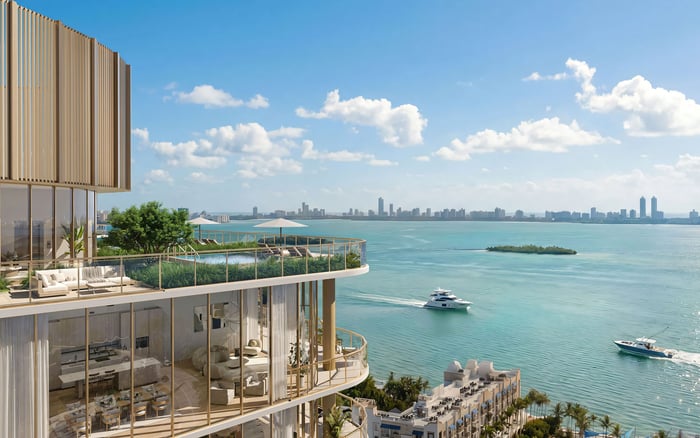
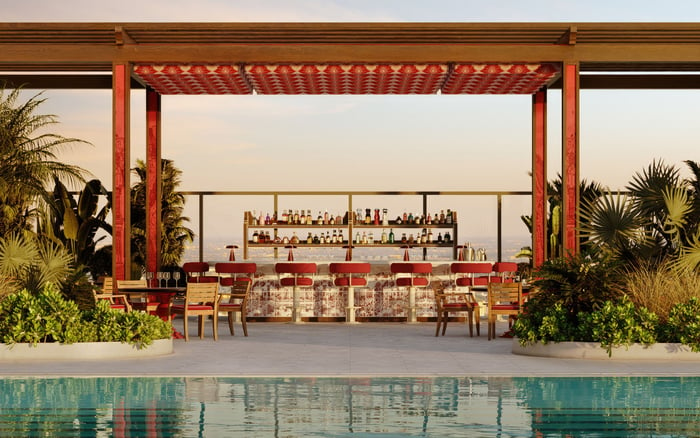
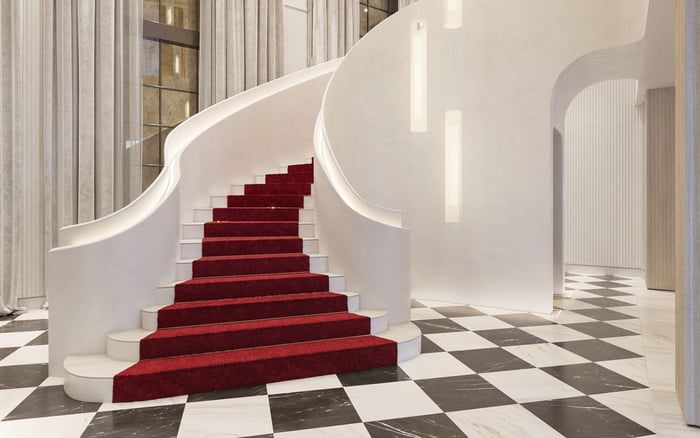
A buyer-focused look at the qualities that make a boutique Wynwood residence viable for long-term ownership, from design discipline and privacy to neighborhood fit, governance, and exit liquidity.
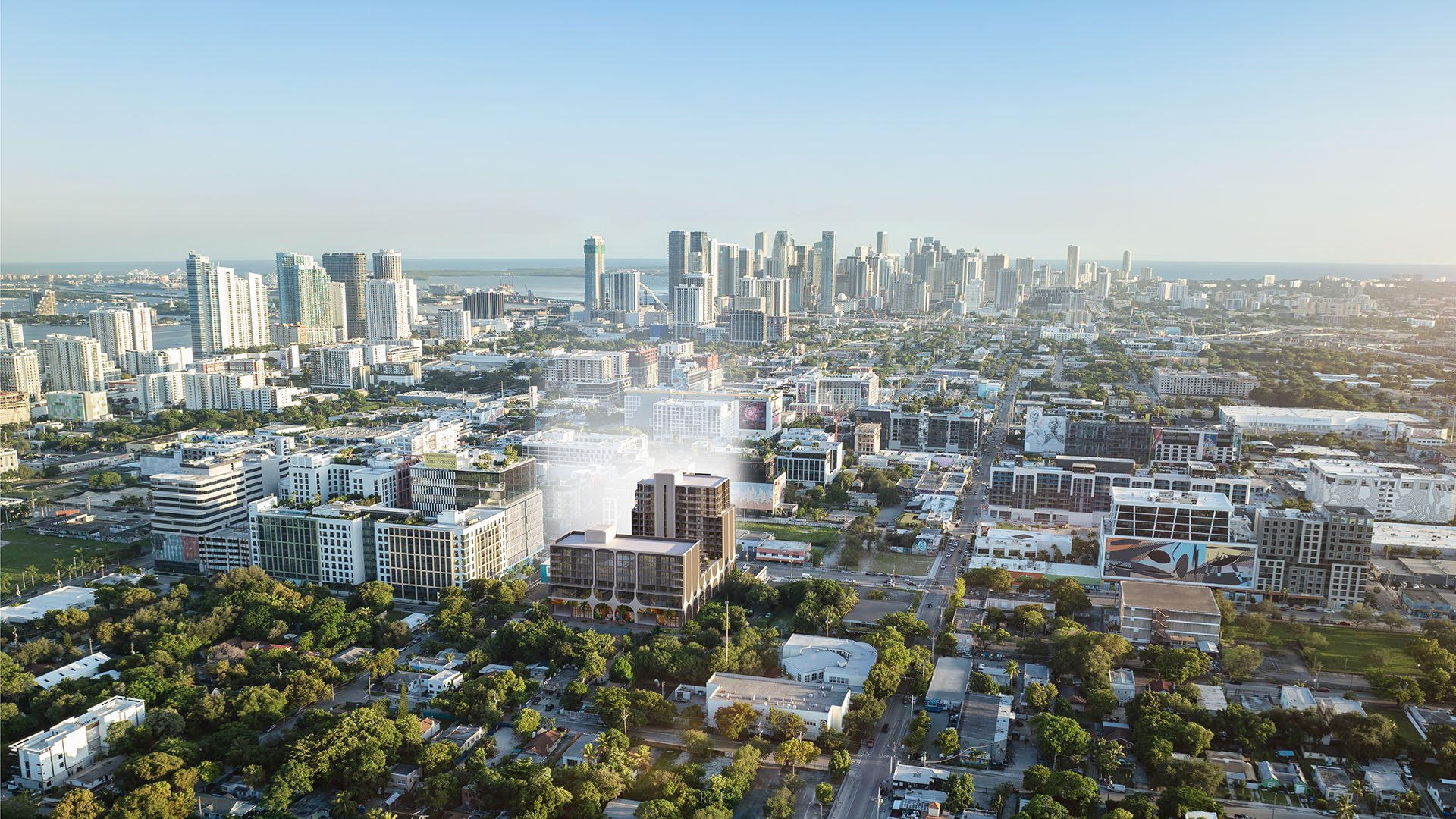
A boutique residence in Wynwood works as a long-term purchase only when it becomes more than a fashionable address. The neighborhood’s appeal is immediate: art, dining, creative offices, design culture, and a street-level version of Miami that feels less formal than the waterfront towers to the east. But a serious buyer should look beyond the initial energy and ask the quieter question: will this home remain desirable, livable, and liquid after the first wave of attention has passed?
That is where boutique scale can be powerful. A smaller building can offer privacy, identity, and a more personal rhythm than a large tower. It can also expose weaknesses faster if the plan, operations, or resident profile are not carefully aligned. In Wynwood, the winning formula is not simply fewer residences. It is a disciplined combination of architecture, neighborhood intelligence, practical layouts, and governance capable of supporting ownership across cycles.
A project such as Frida Kahlo Wynwood Residences naturally enters the conversation because it places the boutique question directly inside the neighborhood. The buyer’s task is not to be swept away by the name alone, but to determine whether the residence can translate cultural identity into durable residential value.
The best boutique buildings create a sense of arrival without relying on theatrical scale. In a compact residence, every decision carries weight: lobby volume, elevator experience, acoustic separation, package flow, service access, storage, light, and the way residents move through the property on an ordinary Tuesday morning. When those elements are resolved, the building feels composed rather than crowded.
For long-term ownership, smaller scale may also support emotional scarcity. A residence with a clear design point of view and a limited number of homes can be easier to remember in a resale conversation. That does not automatically guarantee performance. It simply gives the property a sharper identity, which matters in a market where many buyers compare new offerings across Brickell, Edgewater, Midtown, the Design District, Miami Beach, and the islands.
The risk is that boutique can become a marketing word rather than a residential standard. A buyer should ask whether the building is genuinely intimate or merely small. True intimacy shows up in thoughtful circulation, restrained amenity programming, well-scaled common areas, and a resident experience that does not feel improvised.
Wynwood’s long-term residential promise depends on a delicate balance. Buyers come for energy, but they stay for livability. A home can be near galleries, restaurants, and creative activity while still requiring quiet interiors, intuitive parking or arrival, secure access, and a sense of retreat. If the residence cannot create that threshold between public energy and private calm, the novelty can wear thin.
This is especially important for buyers who are not purchasing a pied-a-terre for occasional weekends. A serious long-term purchase must support daily life. Morning routines, remote work, hosting, pet logistics, deliveries, guest access, and sleep quality are not secondary considerations. They are the foundation of whether the property remains loved after the initial romance of the neighborhood settles into habit.
Wynwood also requires honesty about temperament. Some owners want the polish and predictability of established luxury corridors. Others value proximity to culture and a more urban edge. Neither preference is wrong, but the wrong match can turn an otherwise impressive property into an awkward hold.
In a design-forward district, it is tempting to reward the loudest gesture. Long-term buyers should do the opposite. The more expressive the neighborhood, the more important it is for the private residence to feel resolved, calm, and enduring. Design and architecture should serve proportion, light, material quality, and privacy before they serve social media.
Inside the residence, flexible rooms often age better than overly specific spaces. A den that can become a study, guest room, media lounge, or nursery is more valuable than a decorative niche with little practical use. Kitchens should feel substantial enough for real living, not merely staged entertaining. Terraces, where present, should be judged by usability, privacy, and orientation rather than by a line item on a brochure.
Common areas deserve the same scrutiny. A boutique building should not attempt to mimic a resort tower if the scale cannot support it gracefully. Better to have fewer amenities that are beautifully maintained than a long menu of features that feel thin, underused, or expensive to operate.
A Wynwood buyer should compare alternatives across nearby submarkets before committing. Midtown and the Design District can offer a different rhythm, often with a more retail-oriented or design-gallery context. Brickell may appeal to buyers who prioritize financial-district convenience and tower services. Edgewater can attract those who want bay proximity while remaining close to the urban core.
That comparative exercise is not about declaring one area superior. It is about pricing conviction. If a buyer is considering Wynwood, they should understand what they are choosing against. Nearby options such as Miami Design Residences Midtown Miami and Kempinski Residences Miami Design District can help frame the design-neighborhood conversation, while 2200 Brickell represents a very different kind of urban ownership thesis.
This context is useful because a long-term purchase is not made in isolation. Future buyers will also compare neighborhoods, lifestyles, commutes, schools, restaurants, and the feeling of the street. A Wynwood residence must be strong enough to win that comparison for the right audience.
Investment quality in a boutique residence often comes down to unglamorous details. Monthly carrying costs, reserve planning, insurance posture, rental policies, staffing structure, and the clarity of building rules all influence long-term ownership. In a smaller building, each owner may have a more visible relationship with the association’s decisions, which can be positive when governance is thoughtful and challenging when expectations are misaligned.
Buyers should review whether the building’s operating model fits the scale. Heavy service levels can be attractive, but they must be financially sustainable. Minimal service can preserve costs, but it should not compromise security, cleanliness, or the sense of luxury. The goal is not the lowest cost. It is the right cost for the experience being promised.
New-construction buyers should also consider how the building will mature. Materials, landscaping, mechanical systems, and shared spaces must be able to withstand real use. A property that looks compelling at delivery still needs to feel cared for five, seven, and ten years later.
The resale story of a boutique Wynwood residence begins the moment the buyer signs. The best long-term purchase has a clear answer to three questions: who will want this later, why will they prefer it, and what makes it difficult to replace?
Scarcity alone is not enough. The residence needs a coherent buyer profile. It may appeal to a design-minded primary resident, a Miami-based entrepreneur, a collector, a downsizer seeking culture without a suburban feel, or a second-home buyer who wants the city rather than the sand. Each profile has different priorities, but all require confidence that the home is not a passing concept.
Lifestyle matters here because the next buyer is not only purchasing square footage. They are buying a daily pattern: coffee nearby, art nearby, dinner nearby, access to the broader city, and a home that still feels private when the neighborhood is alive. That is the difference between a speculative address and a serious long-term hold.
Is a boutique residence in Wynwood a good long-term purchase? It can be, if the building offers privacy, strong design, practical layouts, and sound governance rather than relying only on neighborhood buzz.
What is the biggest risk with boutique buildings? The biggest risk is that small scale can magnify weak operations, thin amenities, or unclear association planning.
Should I prioritize amenities or location in Wynwood? Prioritize the combination. A strong location needs a building that provides daily comfort, security, and residential calm.
Does Wynwood suit primary residents or only second-home buyers? It can suit both, but primary residents should be especially focused on noise, access, storage, services, and daily convenience.
How important is parking or arrival experience? Very important. In an active urban neighborhood, arrival, access, and security can strongly affect long-term satisfaction.
Are flexible floor plans important for resale? Yes. Flexible rooms allow future owners to adapt the home as work, family, and entertaining needs change.
Should I compare Wynwood with Brickell or Edgewater? Yes. Comparing nearby submarkets helps clarify whether you value cultural energy, bay proximity, tower services, or financial-district convenience.
What makes a boutique building feel luxurious? Luxury comes from proportion, privacy, material restraint, service consistency, and spaces that feel considered rather than crowded.
Can a design-driven residence become dated? It can if it relies on spectacle. Timeless design usually comes from quality materials, balanced proportions, and functional planning.
What should I review before purchasing? Review carrying costs, association rules, rental policies, maintenance expectations, floor plan quality, and how the building fits your daily life.
For a tailored shortlist and next-step guidance, connect with MILLION.
If branded residences are on your mind — as a home or as an allocation — we would be glad to share what we are seeing, privately.
Begin a quiet conversation