A discreet buyer’s guide to the ownership diligence that should precede contract review at Ocean House Surfside, including association finances, building condition, rules, governance, and long-term liquidity.
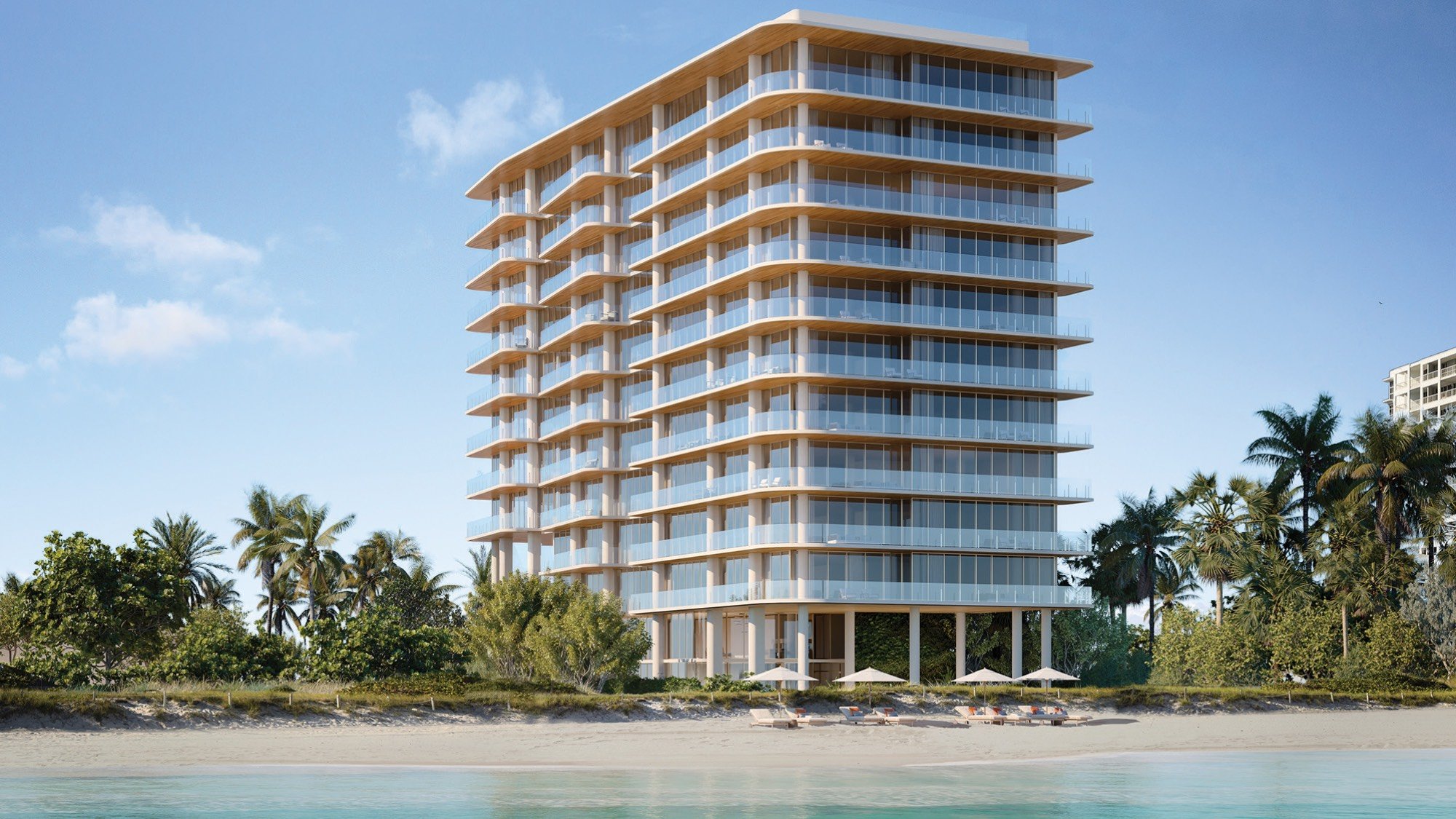
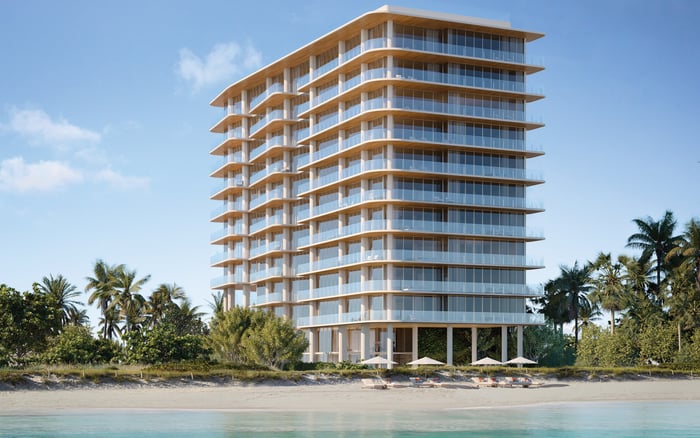
At Ocean House Surfside, the most important purchase questions arise before counsel begins marking up a contract. In a boutique oceanfront condominium, the residence itself is only one part of the acquisition. The buyer is also entering an ownership structure, an association budget, a maintenance culture, a rule framework, and a long-term capital plan.
That distinction matters in Surfside, where scale, privacy, and beachfront scarcity carry significant appeal. A polished interior may set the emotional tone, but ownership diligence determines whether the asset aligns with the buyer’s financial expectations, lifestyle needs, and risk tolerance. The strongest review identifies future cash obligations, use restrictions, building-condition concerns, and governance issues while there is still room to shape strategy.
Before contract review, a buyer should understand precisely what comes with the residence. That means looking beyond square footage and finishes to the legal architecture of ownership: appurtenant rights, common-element interests, parking, storage, and any limited common elements assigned for the owner’s exclusive use.
The practical question is direct: what is private, what is shared, and what is governed by association rules? Parking may be deeded, assigned, licensed, or otherwise controlled by building documents. Storage may be included, separately conveyed, or subject to building policies. Terraces, cabanas, and service areas may carry their own restrictions. These details influence utility, privacy, resale value, and negotiating posture.
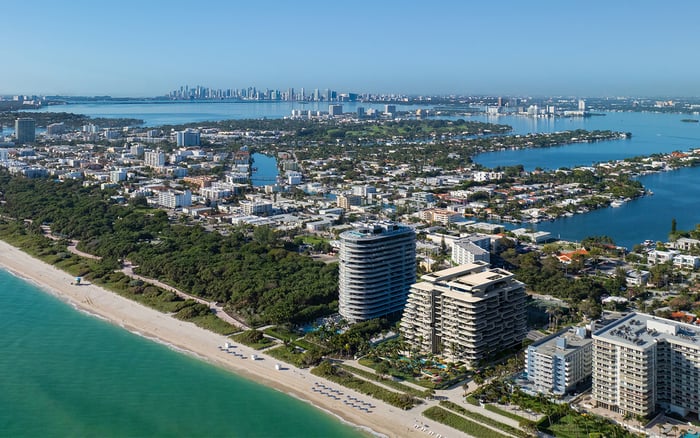
In the broader Surfside market, buyers often compare Ocean House Surfside with nearby oceanfront offerings such as The Delmore Surfside, where expectations around privacy, services, and building scale can frame how ownership rights are evaluated. The point is not to treat buildings as interchangeable, but to understand how each ownership package is structured.
Association finances are a core pre-contract issue because monthly assessments, reserves, insurance costs, and future capital projects all affect total ownership cost. In a boutique building, fixed expenses can be concentrated across fewer residences, making the budget, reserve policy, and assessment history especially important.
A disciplined buyer should request current budgets, reserve information, insurance details, recent meeting minutes, and any history of special assessments. The question is not simply whether assessments exist. It is what they fund, how predictable they are, and whether they signal preventive maintenance or deferred capital needs.
Major oceanfront systems deserve particular attention. Recent or pending assessments may relate to structural work, waterproofing, elevators, façade repairs, pool decks, seawalls, or other building systems exposed to salt, wind, and storm cycles. None of those categories should be treated as automatically negative. In a coastal asset, proactive spending can signal responsible ownership. The buyer’s task is to distinguish planned stewardship from reactive repair.
Physical condition should be assessed before legal negotiation because engineering reports, inspection materials, and deferred-maintenance questions can influence both risk and leverage. Oceanfront exposure makes insurance, concrete restoration, waterproofing, corrosion, and storm resilience especially relevant.
Luxury buyers benefit from separating aesthetics from infrastructure. A residence can be beautifully appointed while the association is managing complex building-wide obligations. Conversely, a building with visible capital projects may be investing ahead of future risk. The buyer should understand the condition of structural elements, exterior envelope, life-safety systems, elevators, pool and amenity decks, drainage, waterproofing, and any coastal protection features applicable to the property.
Comparisons across the northern Miami Beach and Surfside corridor can sharpen the review. A buyer looking at Ocean House Surfside may also study Eighty Seven Park Surfside or Arte Surfside to understand how different oceanfront residences frame design, services, privacy, and long-term ownership obligations. The contract should reflect that analysis, not substitute for it.
The association’s rules are not a formality. They define the lived experience of ownership. Buyers should review policies for leasing, guests, pets, renovations, service providers, deliveries, move-ins, amenity use, and access protocols. A family using the residence seasonally may need a different rules profile than a buyer planning full-time occupancy, frequent guests, or a significant renovation.
Renovation rules deserve particular focus. Hours, insurance requirements, contractor access, elevator reservations, deposits, approvals, and noise restrictions can materially affect timing and cost. Leasing rules should also be reviewed carefully, especially for buyers considering flexibility, family use, or long-term rentals in the future. The best question is not whether a rule is strict, but whether it supports the building culture the buyer wants to join.
This is also where resale strategy begins. A residence that fits the buyer’s lifestyle but conflicts with common buyer expectations may face a narrower audience later. The ownership decision should account for both present use and future marketability.
Governance reveals how a building makes decisions. Board transparency, owner participation, litigation history, meeting minutes, reserve policy, and willingness to fund preventive maintenance all matter. Buyers should pay close attention to how issues are discussed, how capital priorities are set, and whether the association appears organized in its records and communications.
A buyer should also clarify whether the transaction is a developer sale or a resale, since disclosure packages, warranties, deposits, contract leverage, and cancellation rights can differ. That distinction can shape timing, document review, negotiation strategy, and expectations around completed work.
Finally, long-term analysis should include land scarcity, building age, future capital needs, and how comparable Surfside oceanfront residences are positioned in the luxury market. Projects such as Fendi Château Residences Surfside help frame expectations for buyers who value address, beachfront setting, and service culture. Ocean House Surfside should be reviewed within that competitive context, but judged on its own documents, condition, and ownership profile.
What should I confirm first at Ocean House Surfside? Confirm what is legally included with the residence, including parking, storage, common-element interests, and any limited common elements.
Why do association finances matter before contract review? Monthly assessments, reserves, insurance, and capital projects can materially change the total cost of ownership.
Are special assessments always a warning sign? Not necessarily. They may reflect proactive work, but buyers should understand the scope, timing, and systems involved.
Which building systems deserve special attention? Structural work, waterproofing, façade repairs, elevators, pool decks, seawalls, corrosion, and storm resilience should be reviewed.
Should rules be reviewed before making an offer? Yes. Leasing, pet, guest, renovation, delivery, and amenity rules determine whether the building fits the intended lifestyle.
How does boutique ownership affect diligence? Fixed building costs may be spread across fewer residences, making budgets, reserves, and assessment history more important.
Why does governance matter to a luxury buyer? Governance influences transparency, maintenance priorities, reserve discipline, owner participation, and long-term asset stewardship.
Does transaction type change the review? Yes. Developer sales and resales may involve different disclosures, warranties, deposits, leverage, and cancellation rights.
How should resale liquidity be considered? Evaluate building age, land scarcity, capital needs, rules, and comparable Surfside positioning before assuming future demand.
What is the best way to shortlist comparable options for touring? Start with location fit, delivery status, and daily lifestyle priorities, then compare stacks and elevations to validate views and privacy.
When you're ready to tour or underwrite the options, connect with MILLION.
If branded residences are on your mind — as a home or as an allocation — we would be glad to share what we are seeing, privately.
Begin a quiet conversation