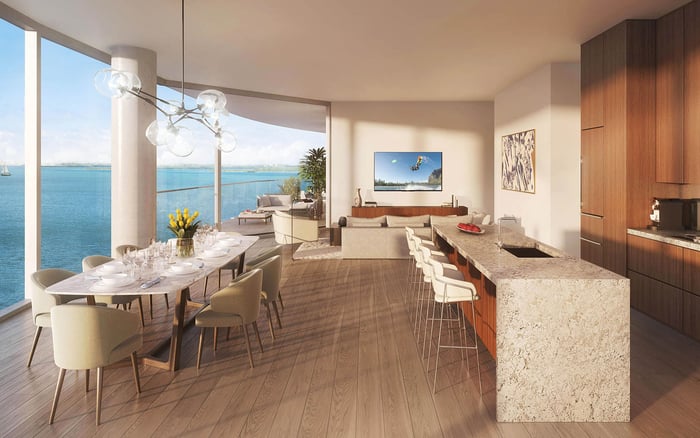
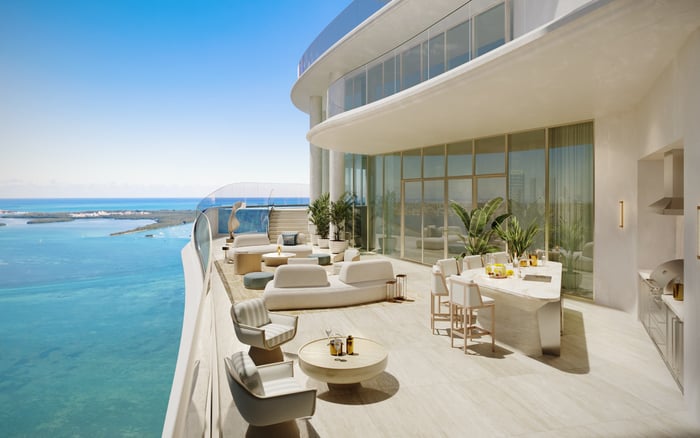
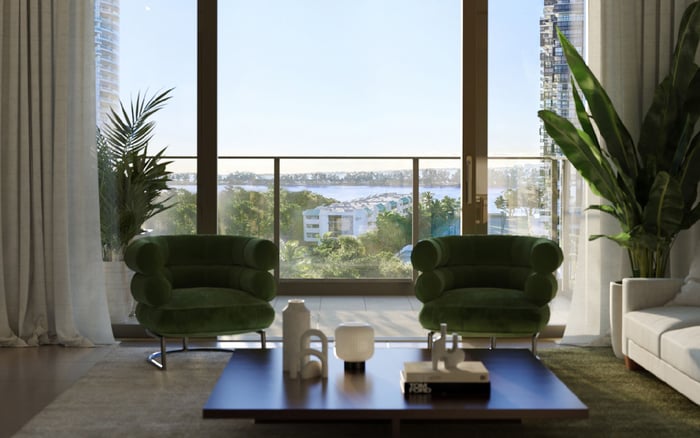
Roof-rights clarity helps full-time South Florida owners understand ownership, access, maintenance, alteration authority, insurance exposure, reserves, storm recovery, and resale risk before a rooftop becomes a daily-life asset.
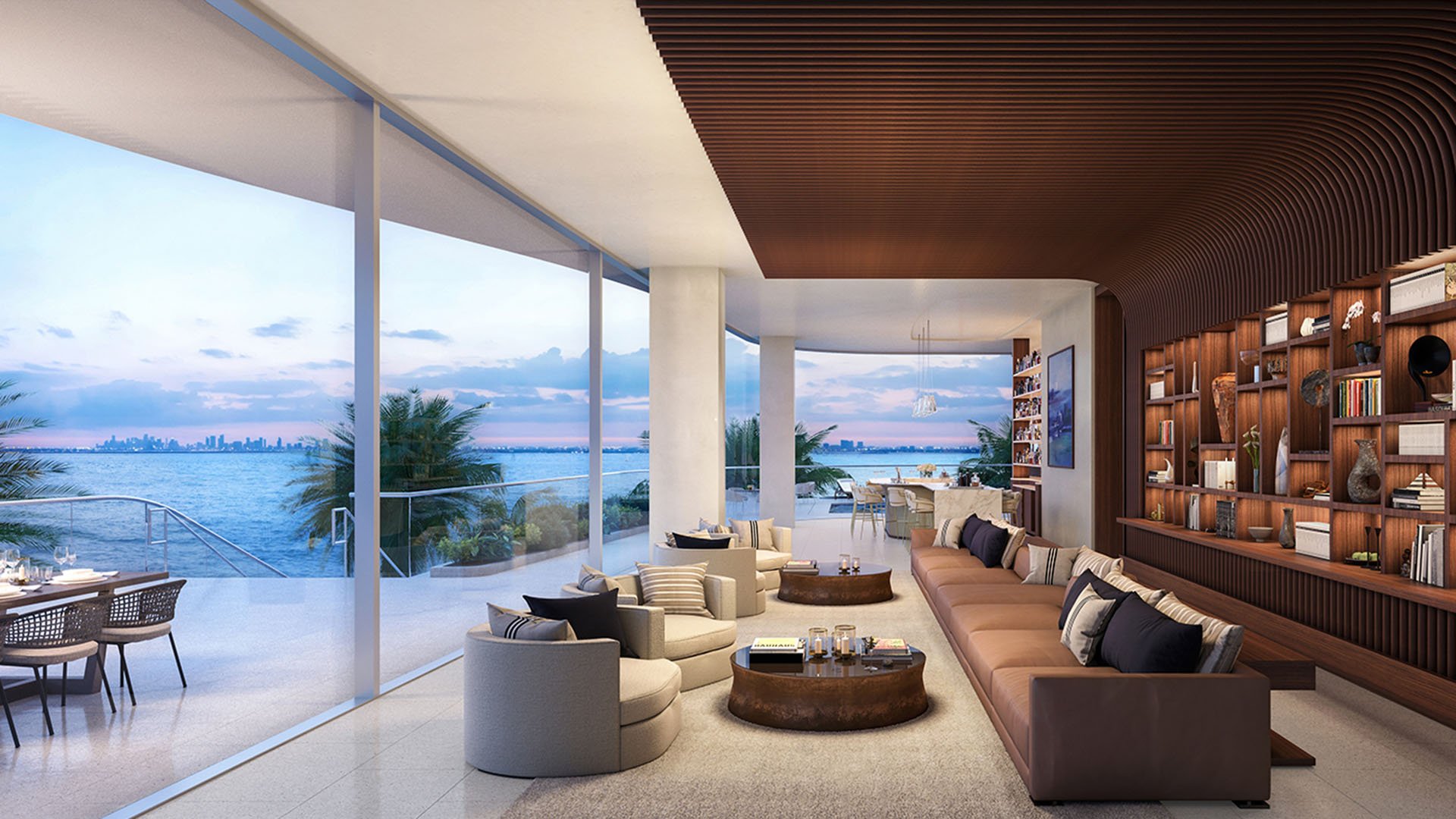
In South Florida luxury real estate, the roof is no longer merely a building component. It may serve as a sunset lounge, private dining terrace, wellness deck, garden, solar platform, or the quietest outdoor room in the residence. For a full-time owner, that daily utility makes roof-rights clarity essential.
The key is separating lifestyle language from legal structure. A rooftop described as private may still be a limited common element rather than part of the unit itself. In Florida condominiums, common elements are the portions of the property not included within units, while limited common elements are common elements reserved for the use of one or more specific units. That distinction affects who may use the space, who controls structural decisions, who maintains it, and who pays when something fails.
The language matters whether the asset is a Brickell tower, a Miami Beach retreat, a new-construction residence, a resale opportunity, a penthouse with skyline exposure, or a terrace designed for everyday outdoor living.
The condominium declaration is the starting point because it identifies the units, common elements, and each unit’s share of common expenses and common surplus. For rooftop questions, buyers should read the declaration alongside the survey, plot plan, bylaws, rules, architectural guidelines, insurance summary, reserve study, inspection materials, and board minutes.
The first question is ownership. Is the roof surface included within the legal unit boundary, or is it a common element? If it is common, is it general common property available to the association, or a limited common element assigned to one or more units? The answer may not align with casual sales language.
The second question is use. Exclusive use is not the same as exclusive control. A penthouse owner may have the exclusive right to enjoy a terrace while the association retains access for inspections, structural work, waterproofing, drainage, or emergency repairs. That is not a technicality. It can determine whether furniture must be removed for work, whether contractors may access the space, and whether an owner can object to roof-related projects.
Maintenance of condominium common elements is generally an association responsibility, but the declaration can shift certain duties for limited common elements to the unit owners who use them. That is where rooftop elegance meets operational reality.
If a rooftop terrace is a limited common element, the owner should confirm who pays for waterproofing, railings, drains, pavers, membranes, structural repairs, and storm-related restoration. The documents should also clarify whether the owner is responsible only for finishes and furnishings, or also for systems that protect the building envelope.
For full-time owners, these questions are more than budgetary. A roof leak can affect interior finishes, neighboring units, building operations, and insurance claims. Poor drainage can become a recurring nuisance. Delayed membrane replacement can lead to disputes over causation and cost. A beautiful terrace is only as comfortable as the documents that support its maintenance.
Rooftop upgrades often begin with design intent: a pergola, cabana, outdoor kitchen, plunge pool, solar array, shade structure, upgraded decking, or integrated lighting. In a condominium, these additions can implicate common elements or association property. Material alterations or substantial additions must follow the declaration, and if the declaration is silent, Florida law generally requires approval by 75 percent of total voting interests.
That threshold can surprise owners who assume a private-use roof is theirs to customize. Even with exclusive use, the association may regulate changes that affect waterproofing, structure, wind performance, drainage, aesthetics, or building systems.
Permitting and product approval are equally important in South Florida’s high-wind coastal environment. Roof coverings, waterproofing systems, shutters, skylights, exterior openings, and structural components may be subject to product-approval requirements. Rooftop lifestyle features should be evaluated not only for beauty, but also for storm performance and compatibility with the building envelope.
Solar deserves special attention. Florida law generally prevents deed restrictions, covenants, and similar agreements from prohibiting solar collectors, though associations may regulate placement if they do not impair effective operation. Owners should therefore review both the governing documents and the practical roof conditions before assuming a solar installation is straightforward.
Full-time ownership changes the way risk feels. A seasonal owner may think of a rooftop terrace as an amenity. A year-round resident experiences it as part of the home, and as part of the building’s storm plan.
Condominium associations must use their best efforts to obtain and maintain adequate property insurance for condominium property. Owners should understand how the master policy treats roof components, rooftop improvements, exclusive-use areas, owner-installed features, deductibles, and post-storm restoration. The private insurance carried by the owner should be reviewed in tandem, especially where furnishings, finishes, improvements, or temporary displacement are concerns.
Reserves are just as important. Condominium reserve budgets must address capital expenditures and deferred maintenance items, including roof replacement. For buildings of three stories or more, structural integrity reserve study requirements include roof-related components among the items that must be studied. Certain condominium and cooperative buildings of three stories or more are also subject to milestone-inspection rules, making roof and structural condition particularly relevant in older coastal towers.
A polished roof deck can distract from the less glamorous question: has the building planned for its next roof cycle? For buyers, board minutes, reserve schedules, inspection records, insurance summaries, and recent assessment history can reveal whether a roof is a stable asset or a pending capital event.
Roof-rights clarity is not only a condominium issue. In HOA-governed single-family homes or townhomes, responsibility depends on the declaration, covenants, architectural rules, and association powers. Some communities place the roof squarely with the owner. Others regulate materials, colors, solar placement, storm shutters, screening, or visible rooftop equipment.
For luxury owners, the central issue is control. If the roof is individually owned, the owner may still need architectural approval before replacing materials or adding features. If the association maintains roofs in a townhome or villa setting, the owner should understand funding, scheduling, access rights, and whether upgrades beyond the standard package are allowed.
Before closing, full-time owners should reduce the review to five questions: who owns the roof, who can use it, who maintains it, who can alter it, and who pays after storm damage or capital replacement. Each answer should come from documents, not assumptions.
View expectations deserve particular care. A dramatic rooftop view can be central to value, but an owner should not assume a legal right to preserve that view unless it is created by a recorded covenant, easement, declaration provision, or other enforceable agreement. In a market where vertical development continues to reshape skylines, that distinction is central to disciplined buying.
Is a private rooftop always part of the unit? No. It may be a limited common element reserved for a unit’s use, so the declaration and survey should be reviewed carefully.
What is the difference between exclusive use and exclusive control? Exclusive use may let an owner enjoy the space, while the association may still control repairs, structure, access, and building systems.
Who usually maintains a condominium roof? Common elements are generally maintained by the association, but the declaration can assign certain limited common element duties to the benefiting owner.
Can an owner add a pergola or outdoor kitchen to a rooftop terrace? Possibly, but rooftop additions may require association approval, compliance with the declaration, permits, and product-approval review.
Why do reserves matter for roof rights? Reserve planning for roof replacement can affect future assessments, especially for full-time owners who depend on the building daily.
Do inspection laws affect luxury condominium buyers? Yes. For certain buildings of three stories or more, structural and roof-related inspection and reserve requirements can influence risk.
Should resale buyers review roof documents before the cancellation period ends? Yes. Roof ownership, use, maintenance, insurance, and alteration rights should be reviewed during document delivery and cancellation periods.
Can an association prohibit solar collectors on a roof? Florida law generally prevents outright prohibition, although associations may regulate placement if effective operation is not impaired.
Do HOA townhomes follow the same rules as condominiums? Not exactly. HOA roof responsibility depends on the covenants, declaration, architectural rules, and the association’s powers.
What is the best way to shortlist comparable options for touring? Start with location fit, delivery status, and daily lifestyle priorities, then compare stacks and elevations to validate views and privacy.
For a confidential assessment and a building-by-building shortlist, connect with MILLION.
If branded residences are on your mind — as a home or as an allocation — we would be glad to share what we are seeing, privately.
Begin a quiet conversation