For family buyers in South Florida, privacy landscaping should be treated as a core residential system, not a decorative afterthought. The best plans balance screening, safety, maintenance, outdoor living, and long-term architectural value.
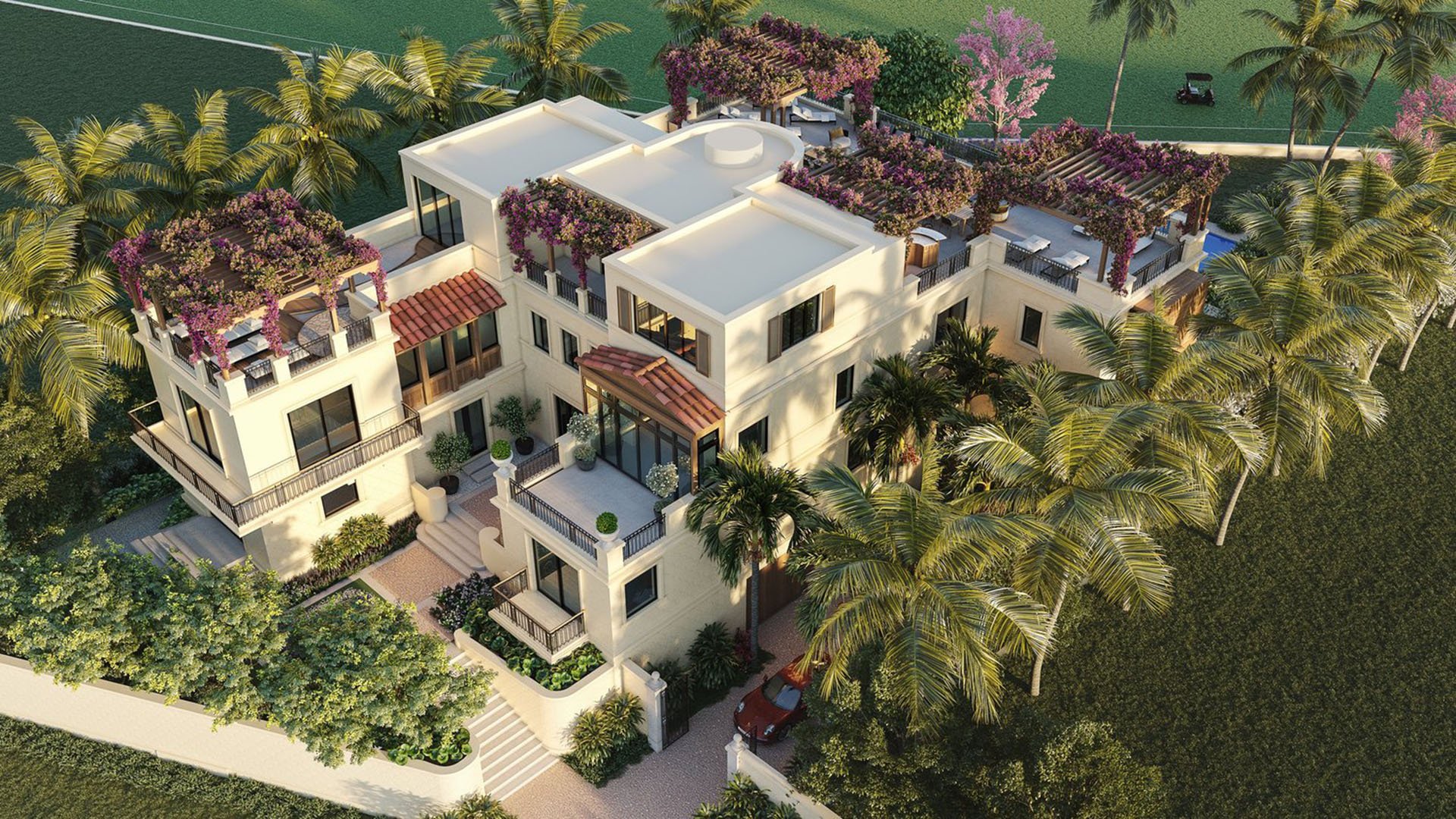
For South Florida family buyers, privacy landscaping is no longer a final flourish added after architecture, interiors, and pool design. It is part of how a home functions. The right landscape helps determine whether children can play freely, guests feel comfortably enclosed, outdoor dinners feel intimate, and the home’s most valuable living areas remain shielded from neighboring windows, street movement, and service zones.
This is especially true in luxury neighborhoods where homes are open, glassy, and deeply connected to the outdoors. A beautiful façade can still feel exposed if the planting plan is thin. A resort-style pool can feel unusable if it is visible from multiple angles. A generous yard can feel fragmented if screening is treated as a perimeter hedge rather than a layered composition.
Whether the search is focused on Pinecrest, Coral Gables, Coconut Grove, or a gated community, family buyers should evaluate privacy landscaping with the same seriousness they bring to floor plans, ceiling heights, and kitchen specifications. For single-family homes, the garden is part of the privacy envelope. For families with pets, children, staff, and frequent guests, it is also part of the household’s daily rhythm.
The most refined privacy landscapes do not look like barriers. They create depth. Buyers should look for layered planting that combines height, density, texture, and seasonality. A single hedge may block one view, but a layered plan can soften the entire edge of a property while preserving light, breeze, and architectural presence.
The key is sequence. Taller canopy or palm elements can help interrupt upper-level sightlines. Mid-height shrubs can screen terraces, pool decks, and bedroom gardens. Lower planting can soften transitions, conceal equipment, and keep hardscape edges from feeling exposed. When these layers are composed well, the result feels natural rather than defensive.
Family buyers should walk the property from inside and outside. Stand in the kitchen, the primary suite, children’s rooms, the pool terrace, and the driveway. Then ask a simple question: what can be seen from here, and what can see into here? Privacy should be evaluated from the places where daily life actually happens, not only from the property line.
Not every part of a property requires the same level of privacy. The highest priority should be the zones where family life is most exposed. In South Florida, that usually means the pool, spa, outdoor shower, summer kitchen, dining terrace, and children’s play lawn.
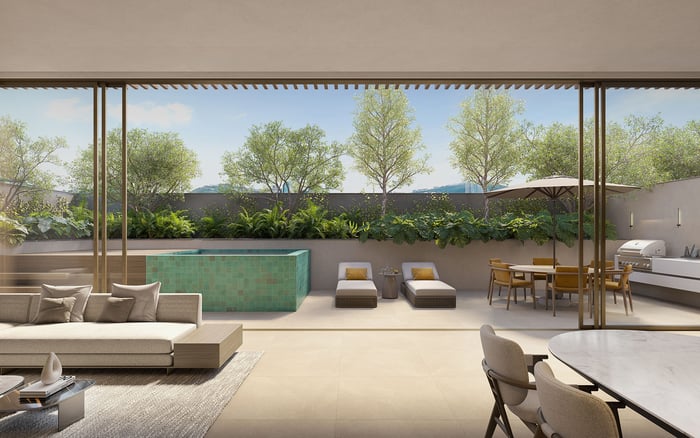
A pool area should feel secluded without becoming shaded or airless. Buyers should be attentive to how plantings affect sun exposure, breeze, leaf drop, and sightlines from neighboring structures. A dining terrace should feel intimate at night as well as during the day, which means lighting and planting must work together. A play lawn should be protected from street views while still allowing parents clear visibility from the house.
The most effective landscapes create privacy in layers around activity, not simply around the perimeter. A family should be able to host, swim, supervise children, and move between indoor and outdoor rooms without feeling staged for the neighborhood.
Privacy should never compromise supervision. Dense planting in the wrong location can create blind corners, conceal pool edges, or make it harder to see children from key rooms. A family-friendly plan must balance enclosure with visibility.
Buyers should look for clear sightlines from the kitchen, family room, and main outdoor seating areas to the pool and play zones. They should also consider how gates, side yards, and service paths are screened. A beautifully planted side yard may still be problematic if it creates hidden access points or makes movement around the house difficult to monitor.
This is where mature design judgment matters. The goal is not maximum opacity everywhere. The goal is selective privacy. The best family landscapes shield the home from outside attention while preserving visibility within the property itself.
A lush landscape can be seductive on a showing, but family buyers should understand what it takes to keep that privacy intact. Some plantings require frequent trimming to maintain density. Others become leggy, overgrown, or uneven if not managed carefully. Irrigation, drainage, pest pressure, root behavior, and storm resilience all influence whether a privacy plan will age gracefully.
Buyers should ask how mature the landscape is, how often it is serviced, what areas require specialized care, and whether maintenance crews can access the property without disrupting family life. A privacy hedge that requires constant work directly beside a pool terrace may create more intrusion than it solves. A landscape that depends on perfect upkeep can become expensive and visually uneven if neglected.
Privacy should be durable. The most desirable plans are not merely lush on day one. They have a clear maintenance logic, a realistic growth pattern, and enough structure to remain composed through seasonal changes.
Many buyers focus on ground-level privacy and overlook the second story. In dense luxury neighborhoods, the most important sightlines often come from upstairs terraces, neighboring bedroom windows, or elevated outdoor spaces.
Family buyers should evaluate privacy from every floor. Children’s rooms, guest suites, primary bathrooms, dressing areas, balconies, and rooftop spaces each have different exposure patterns. A tall hedge may protect the pool deck but do nothing for a second-floor bedroom. Conversely, a well-placed tree canopy or vertical planting element can soften views without blocking all light.
This is particularly important for contemporary homes with large-format glass. Architecture that celebrates transparency needs an equally thoughtful landscape. Without it, the home may rely too heavily on interior shades, which can diminish the indoor-outdoor lifestyle buyers are paying for.
True privacy begins before the front door. A family home should manage arrival gracefully, from the driveway and motor court to the pedestrian entry, package area, staff access, and service paths. Landscaping can make these transitions feel serene, but it can also create congestion or awkward visibility if poorly planned.
Buyers should consider whether the driveway feels exposed to the street, whether the entry sequence has a sense of reveal, and whether service zones are screened without being hidden in ways that compromise function. Trash areas, pool equipment, generators, outdoor storage, and staff circulation should be concealed but accessible.
For families, this matters daily. School runs, deliveries, visiting relatives, tutors, trainers, and maintenance teams all move through the property. A strong privacy landscape allows the household to function without making every movement visible.
The most valuable privacy landscapes are integrated with architecture. They align with windows, terraces, courtyards, garden walls, pergolas, water features, and outdoor rooms. They do not read as an afterthought.
Buyers should look for moments where landscape and structure work together. A hedge aligned with a bedroom window, a courtyard tree that filters light into a hallway, a planted wall behind an outdoor dining table, or a palm composition that frames rather than blocks a façade can add both privacy and beauty.
This is where discretion becomes a luxury. The landscape should not announce that it is hiding the home. It should make the property feel composed, calm, and self-contained. When done well, privacy landscaping enhances architecture, improves daily living, and supports long-term desirability.
What is the first privacy landscaping issue family buyers should evaluate? Start with sightlines into the pool, play lawn, outdoor dining area, and bedrooms. These zones shape daily comfort more than decorative perimeter planting.
Is a tall hedge enough for privacy? Usually not. A layered plan with canopy, mid-height planting, and lower texture is more refined and more effective.
Should families prioritize privacy or visibility? They need both. The best plans shield the home from outside views while keeping children and key outdoor zones visible from inside.
How can landscaping improve pool privacy? Plantings should screen views from streets and neighboring homes without blocking essential light, airflow, or supervision from the house.
Why does upper-level privacy matter? Neighboring second-floor windows and terraces can overlook areas that ground-level hedges do not protect. Buyers should evaluate exposure from every floor.
What maintenance questions should buyers ask? Ask how often the landscape is serviced, how plantings mature, and whether crews can access key areas without disrupting family life.
Can dense landscaping create safety concerns? Yes. Overly dense planting can create blind corners, conceal access points, or reduce visibility around pools and side yards.
How should privacy landscaping address pets? It should support secure boundaries, shaded areas, and durable planting while avoiding layouts that trap heat or limit supervision.
Does privacy landscaping affect resale value? A well-composed, functional privacy plan can strengthen the emotional appeal of a home by making outdoor spaces feel usable and serene.
What should buyers avoid? Avoid relying on a single hedge, ignoring second-floor sightlines, or choosing a lush design without understanding long-term maintenance.
If you'd like a private walkthrough and a curated shortlist, connect with MILLION.
If branded residences are on your mind — as a home or as an allocation — we would be glad to share what we are seeing, privately.
Begin a quiet conversation