A buyer-focused guide to assessing privacy landscaping in South Florida luxury real estate, with emphasis on screening, maintenance exposure, comfort, and long-term ownership quality.
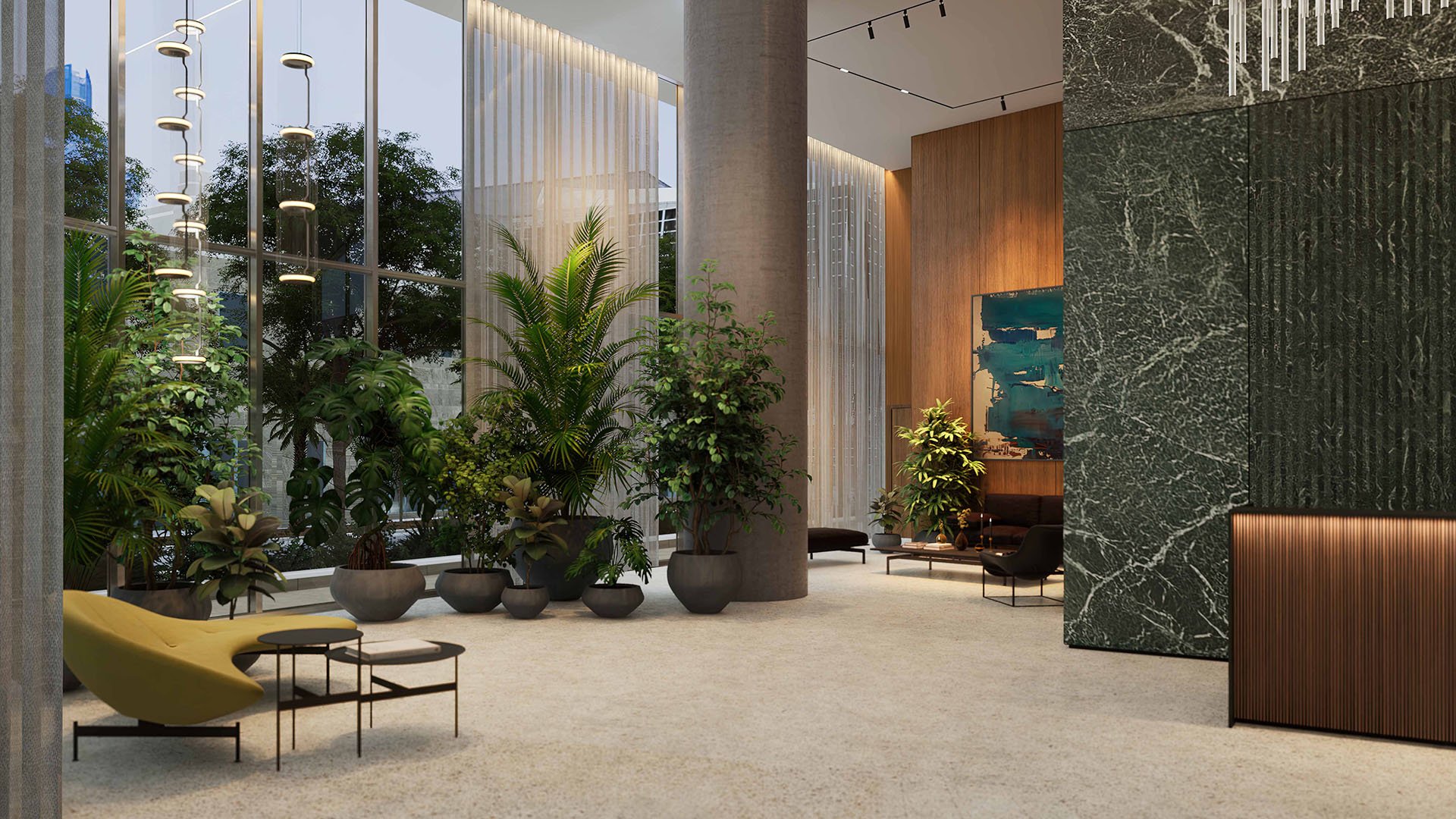
In South Florida luxury real estate, privacy is rarely achieved by height alone. The most successful landscapes create a sequence of filtered views, controlled arrivals, shaded outdoor rooms, and quiet separation between the residence and the world beyond it. For buyers, the question is not simply whether a property feels secluded during a showing. It is whether that seclusion will remain elegant, manageable, and comfortable in daily use.
Privacy landscaping deserves the same scrutiny as architecture, mechanical systems, and finish quality. A hedge that photographs beautifully may become expensive if it requires constant shaping, blocks breezes, limits natural light, or conceals drainage concerns. A tree canopy may add romance to a pool terrace while introducing debris, root conflicts, or excessive shade in the wrong location. In ultra-premium homes, landscape design is both atmosphere and infrastructure.
Across Miami Beach, Coconut Grove, Coral Gables, Palm Beach, gated communities, and single-family settings, the refined question is consistent: does the landscape give the owner discretion without creating avoidable complexity?
Before judging plantings, define the privacy objective. A waterfront terrace, primary suite balcony, pool cabana, motor court, outdoor shower, breakfast garden, and staff entrance each require a different kind of screening. Some spaces need full visual separation. Others benefit from partial filtering, where light and airflow remain intact.
A common mistake is treating every perimeter the same. Dense planting on all sides can make a property feel smaller, darker, and harder to manage. A more sophisticated approach is layered privacy. Lower plantings soften the foreground, mid-height material filters neighboring views, and canopy trees create vertical enclosure without making the garden feel sealed. The result should feel composed rather than defensive.
Sightlines matter from inside the home as much as from outside it. Stand in the living room, kitchen, primary suite, guest bedrooms, and wellness spaces. Look outward at seated height and standing height. Then walk the exterior perimeter and consider what can be seen back into the home. True privacy is reciprocal: it protects the resident while preserving the property’s best views.
Density is not always the same as privacy. A solid green wall can block an undesirable view, but it can also reduce air movement, crowd the architecture, and create maintenance challenges. Height can help, but only when the plant material has the structure to remain attractive over time. Setback is equally important. Plantings installed too close to walls, glass, pools, or hardscape may create future access problems.
Buyers should look for breathing room between plant material and the residence. Maintenance teams need practical access for trimming, irrigation repair, lighting adjustments, and pest management. If every planting bed feels compressed, ownership may become more complicated than the first impression suggests.
The best privacy landscapes use depth. A single hedge at the property line is often less graceful than multiple layers that interrupt views in stages. This makes privacy feel natural rather than forced. It can also preserve intentional openings where a water view, garden axis, or architectural feature deserves emphasis.
A privacy landscape carries recurring costs long after closing. Irrigation, soil conditions, drainage, lighting, fertilization, trimming, replacement planting, and access all shape the ownership experience. A buyer should ask not only what looks good today, but what must happen every month to keep it that way.
Irrigation is central. Overly complex zones, concealed lines, and planting beds with differing water needs in the same area can complicate maintenance. Drainage deserves attention wherever dense planting meets hardscape, especially around terraces, driveways, pool decks, and side yards. If water collects where access is limited, a beautiful screen can become a recurring issue.
Labor access is another major cost driver. Tall hedges, tight side yards, elevated planters, narrow garden corridors, and plantings behind outdoor kitchens or pool equipment can make routine care slower and more expensive. Privacy that cannot be maintained easily may lose its shape quickly, especially in a climate where growth can be vigorous.
A private garden should make daily life better. It should cool outdoor rooms, soften glare, buffer movement, and make terraces usable at different times of day. If the landscape creates shade in the wrong place, traps heat, blocks breezes, or drops debris into a pool, the owner may use the outdoor spaces less than expected.
Comfort is sensory. Listen for how sound moves through the garden. Notice whether plantings dampen nearby activity or simply obscure it. Feel whether the pool terrace has airflow. Observe whether the home becomes too dark when doors and shades are open. Privacy should not come at the expense of livability.
For families, pets, and frequent hosts, circulation is also part of comfort. Paths should feel intuitive. Outdoor dining, lounge, pool, service, and guest arrival areas should not conflict. A landscape that screens beautifully but forces awkward movement will not feel luxurious in daily use.
Begin with maintenance records, landscape plans, irrigation information, and any recent upgrades. Ask what has been replaced, what requires frequent attention, and whether any areas have struggled to thrive. A mature landscape can be a major asset, but maturity should not be mistaken for permanence.
Walk the property at different times when possible. Morning and late afternoon can reveal different glare, shade, exposure, and sightline conditions. If the residence is near neighboring balconies, sidewalks, docks, or shared amenities, test privacy from those angles. A garden that feels secluded from the driveway may be exposed from above.
Also consider future flexibility. Can the landscape be adjusted without undermining the design? Are there places to add or reduce screening? Does the property rely on one vulnerable row of planting, or does it have a more resilient layered strategy? Luxury ownership benefits from options.
The strongest privacy landscapes feel calm, proportionate, and integrated with the architecture. Plantings frame entries without overwhelming them. Hedges are crisp but not severe. Trees provide canopy without dominating the roofline. Lighting reveals texture without exposing private rooms. Service areas are discreet but accessible.
There should be a clear relationship between interior rooms and exterior planting. A primary suite may look toward a private garden plane. A dining room may open to a framed green wall. A pool terrace may use planting to define zones without interrupting movement. These moments suggest that privacy was designed into the property rather than added after the fact.
For buyers comparing homes, the strongest test is emotional and practical at once. If the landscape makes the home feel more serene, more usable, and easier to inhabit, it is doing its job. If it feels dramatic but demanding, it deserves deeper review.
What is privacy landscaping in luxury real estate? It is the planned use of planting, canopy, walls, lighting, and setbacks to protect daily life without compromising beauty, airflow, or access.
Should buyers prefer mature landscaping? Mature landscaping can create immediate atmosphere, but it should be reviewed for health, access, irrigation, and long-term maintenance needs.
Is a tall hedge always the best privacy solution? Not always. Layered planting often feels more refined and may preserve light, air, and architectural proportion better than a single tall screen.
How does privacy landscaping affect carrying costs? Costs can rise with frequent trimming, complex irrigation, difficult access, lighting maintenance, and replacement planting.
What should I inspect around a pool terrace? Look at shade, debris, drainage, access for maintenance, sightlines from neighbors, and whether plantings improve or reduce comfort.
Can landscaping make a home feel smaller? Yes. Dense planting too close to the residence can visually compress outdoor space and reduce natural light inside the home.
How important is airflow? Very important. A private outdoor room should still breathe, especially in warm, humid conditions where comfort depends on moving air.
Should landscape lighting be part of the review? Yes. Lighting can enhance privacy and atmosphere, but poorly placed fixtures may expose interiors or create glare.
What is the biggest mistake buyers make? They judge the landscape only by its first impression rather than its maintenance demands, sightlines, and daily usability.
When should a specialist be involved? A landscape architect or qualified horticultural professional can help assess plant health, irrigation logic, drainage, and future modification options.
If you'd like a private walkthrough and a curated shortlist, connect with MILLION.
If branded residences are on your mind — as a home or as an allocation — we would be glad to share what we are seeing, privately.
Begin a quiet conversation