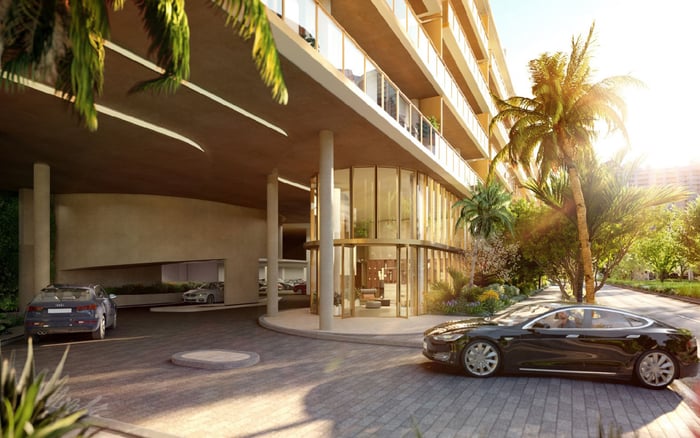
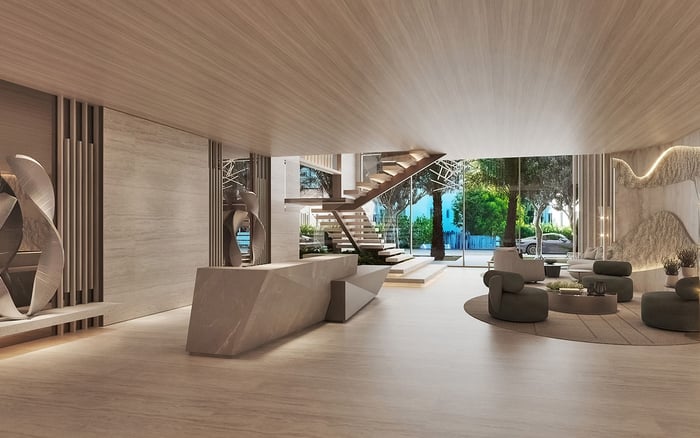
For family buyers in South Florida, elevator backup is no longer a technical footnote. It is a daily-life, storm-season, caregiver, stroller, and resale issue that deserves precise questions before contract.
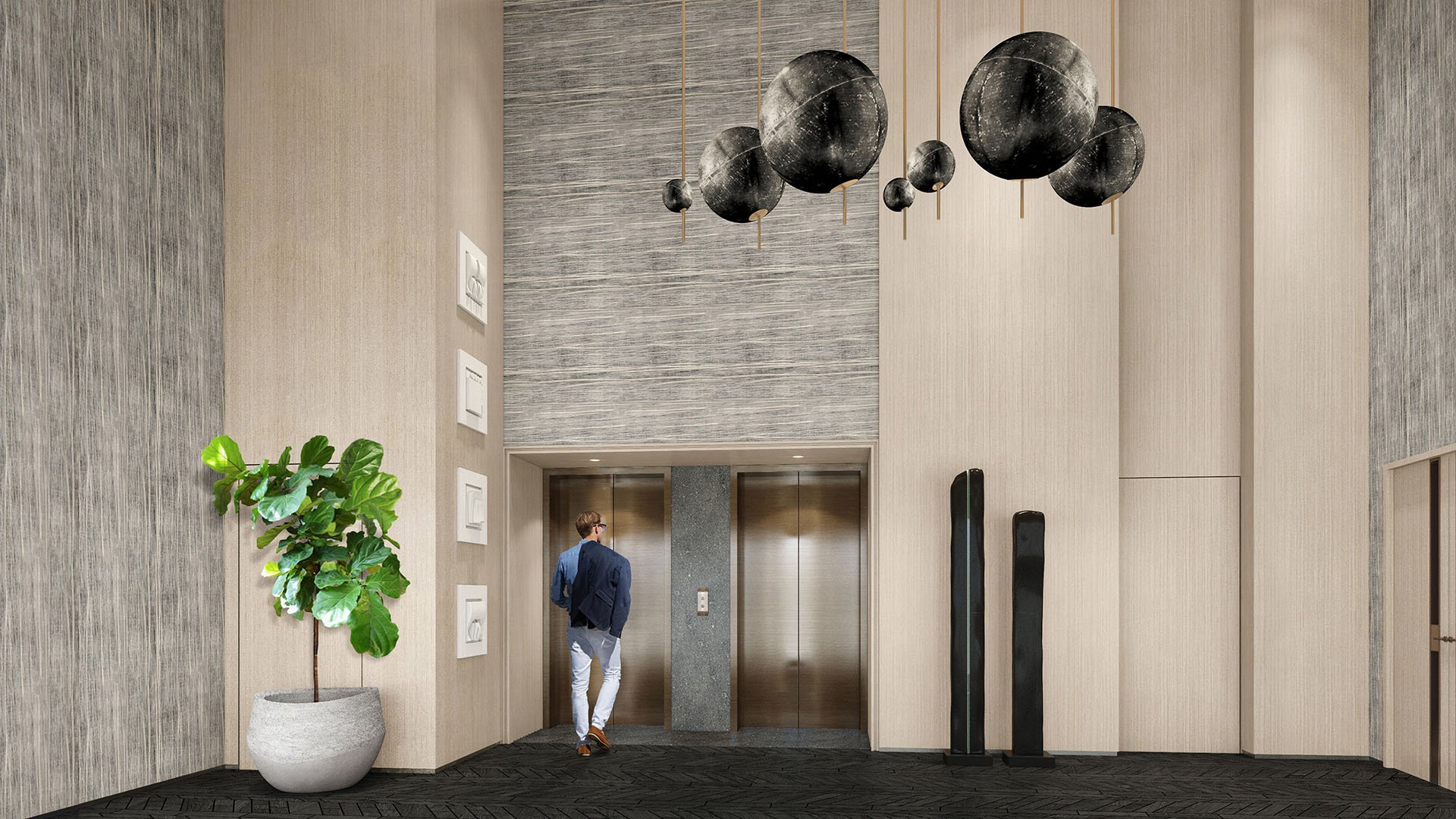
In a South Florida luxury residence, the elevator is often treated as a background amenity: the silent transition from porte cochere to private foyer, from school run to dinner, from pool deck to bedtime. For family buyers, however, elevator backup deserves the same seriousness as floor plan, school proximity, storage, security, and building management.
The question is not simply whether a building has backup power. The sharper question is what that backup power actually supports, how quickly it engages, which elevators it serves, and how residents are guided when normal service is interrupted. A family with young children, aging parents, caregivers, pets, strollers, groceries, sports equipment, and medical needs experiences vertical access differently from a single frequent traveler. The right building understands that difference.
This is especially important in South Florida, where high-rise and waterfront living are central to the luxury market. A buyer comparing Brickell, Miami Beach, Sunny Isles, Fort Lauderdale, West Palm Beach, and new-construction residences should treat elevator backup as a core part of due diligence, not a late-stage engineering detail.
The most elegant sales language can blur a critical distinction. Backup power may exist, but it may not support every elevator, every feature, or every resident-facing system in the same way. Family buyers should ask for plain-English answers on which elevators are connected to backup power, whether passenger and service elevators are treated differently, and whether private elevator access operates under the same assumptions as common-area elevators.
A building can feel serene when everything works. Its true quality is revealed when the ordinary system is interrupted. Does one elevator remain operational for the tower, or are multiple elevators supported? Is elevator service prioritized by bank, by floor, by emergency protocol, or by management discretion? Can staff communicate clearly with residents during an outage, or does the plan depend on improvisation?
These questions are not aggressive. They are practical. A sophisticated buyer is not asking for perfection. The buyer is asking for transparency, documentation, and a standard of care that matches the price point.
Technical specifications matter, but families should translate them into lived scenarios. Imagine returning from the airport with two sleeping children and luggage. Imagine a grandparent visiting for two weeks. Imagine a caregiver managing a stroller, diaper bag, groceries, and a toddler during a temporary outage. Imagine a pet needing to go out, or a child recovering from an injury.
In each case, elevator backup is not a convenience. It is access. It determines whether a high-floor residence remains graceful under pressure or becomes exhausting at the exact moment a family needs the building to perform.
Buyers should also consider timing. A short interruption on a quiet afternoon is different from an outage during dinner hours, severe weather, school pickup, or a holiday weekend. The building’s plan should account for residents moving in clusters, staff needing service access, and families requiring predictable communication.
A generator is only as reassuring as the maintenance culture behind it. Family buyers should ask how often backup systems are tested, who oversees testing, whether elevator-related backup systems are included in those exercises, and how residents are notified when planned tests affect service.
Duration matters as well. A system that supports limited service for a short window is different from one designed for longer operational continuity. Buyers should ask what assumptions underlie the building’s emergency planning. They do not need to become engineers, but they should expect management to explain the system’s scope in a way that is clear, consistent, and documented.
Maintenance records, service contracts, and reserve planning can also reveal how seriously the building treats its infrastructure. Luxury is not only marble, bronze, stone, glass, and water views. It is the quiet confidence that essential systems are maintained before they become visible problems.
A residence can meet required standards and still fall short of a family’s expectation for ultra-premium living. Code compliance is the floor. Luxury buyers are often shopping for a higher ceiling: quicker communication, better redundancy, calmer staff protocols, clearer signage, and a more thoughtful resident experience.
This distinction matters because elevator backup may be presented as a binary feature. It should not be. The better inquiry is qualitative. How does the building operate when one elevator is offline? How does management support residents on high floors? Are service elevators available for staff and deliveries during limited operations? Are residents informed through a reliable channel, or does information move informally through lobby conversations?
A family buyer should look for a building whose management team can answer without hesitation. Confidence in the answer is not enough, but disorganization in the answer is a warning sign.
Private elevator foyers are among the defining luxuries of many South Florida residences. They provide discretion, arrival drama, and a sense of house-like separation in the sky. Yet private elevator configurations also deserve careful backup review.
If access to the residence depends heavily on a specific elevator bank or destination-control system, buyers should understand the fallback. Is there a secondary access route? How is security handled during limited operations? Can emergency personnel reach the residence efficiently? Can residents use stairs comfortably if needed, and are stairwells well lit, ventilated, and clearly marked?
Families should walk the backup experience, not just discuss it. Visit the stairwell. Understand the path from garage to lobby to residence. Ask how children, grandparents, and caregivers would navigate the building if normal elevator service were reduced. The goal is not to create anxiety. It is to remove ambiguity.
The best equipment can disappoint if staff are unprepared. Conversely, a well-trained team can make a constrained situation feel orderly. Family buyers should ask how front desk, valet, security, engineering, and management coordinate when elevators are limited.
Look for specificity. Who communicates first? How are residents updated? Are high-need residents identified in advance if they choose to be? How are deliveries, domestic staff, medical visitors, and service personnel managed? Are children ever left navigating unclear instructions in common areas?
For families, the quality of the human response matters. A building that practices its protocols, maintains a calm tone, and communicates with dignity will feel different from one that leaves residents to discover problems for themselves.
Elevator backup should be discussed before a family is emotionally committed. It belongs in showings, attorney review, inspection conversations, association document review, and management interviews. Buyers should ask for relevant building documents and have qualified advisors interpret them where appropriate.
This is not about turning a residence search into a mechanical audit. It is about aligning the building’s operational reality with the family’s daily life. A spectacular view may win the first visit. Reliable vertical access often determines long-term satisfaction.
For sellers and developers, the implication is equally clear. Families are becoming more discerning about infrastructure. Buildings that can explain backup power, elevator continuity, and resident protocols in polished, factual terms have an advantage with buyers who value both beauty and resilience.
In the ultra-premium market, effortless living is carefully engineered. It is the result of systems that work, people who are trained, and decisions made long before a resident notices them. Elevator backup sits within that quiet architecture.
Family buyers should demand answers that are specific, written, and operational. They should be wary of vague reassurances and reassured by teams that welcome detailed questions. The finest residence is not merely the one that dazzles on arrival. It is the one that protects daily rhythm when conditions are less than ideal.
For families choosing a South Florida home in the sky, elevator backup is not a secondary feature. It is part of safety, dignity, independence, and ease. In that sense, it belongs at the center of the luxury conversation.
Should family buyers ask about elevator backup before making an offer? Yes. It is best addressed early, while there is still time to review documents, ask management questions, and compare buildings calmly.
Is having a generator enough? Not by itself. Buyers should ask what the generator powers, which elevators are included, and how service is prioritized during interruptions.
Do private elevator buildings need extra review? Yes. Private elevator access can be highly desirable, but buyers should understand secondary access, security procedures, and emergency routes.
What should families ask during a showing? Ask which elevators operate on backup, how residents are notified during outages, and what the building does when elevator service is limited.
Should stairwells be part of the evaluation? Yes. Families should understand stairwell access, lighting, signage, and the realistic path from residence to lobby or garage.
How important is staff training? Very important. Clear protocols, calm communication, and coordinated staff response can make a limited-service event far easier for residents.
Can elevator backup affect resale appeal? It can. Buyers increasingly value buildings that can demonstrate thoughtful infrastructure, especially in high-rise family residences.
Should buyers request written information? Yes. Written details help separate general reassurance from specific building policy and allow advisors to review the information carefully.
Is this only relevant for high-floor residences? No. Higher floors make the issue more obvious, but families on many levels may rely on elevators for children, guests, pets, and deliveries.
What is the simplest rule for buyers? Ask how the building performs when normal elevator service is interrupted, then judge whether the answer feels specific, documented, and family-ready.
For a confidential assessment and a building-by-building shortlist, connect with MILLION.
If branded residences are on your mind — as a home or as an allocation — we would be glad to share what we are seeing, privately.
Begin a quiet conversation