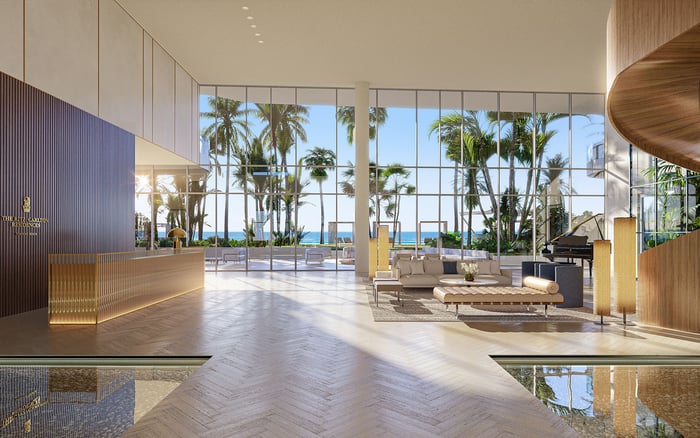
For family buyers, the advisor meeting room should be more than a polished sales setting. It should create privacy, structure, clarity and confidence around lifestyle, education, mobility, wellness and legacy decisions.
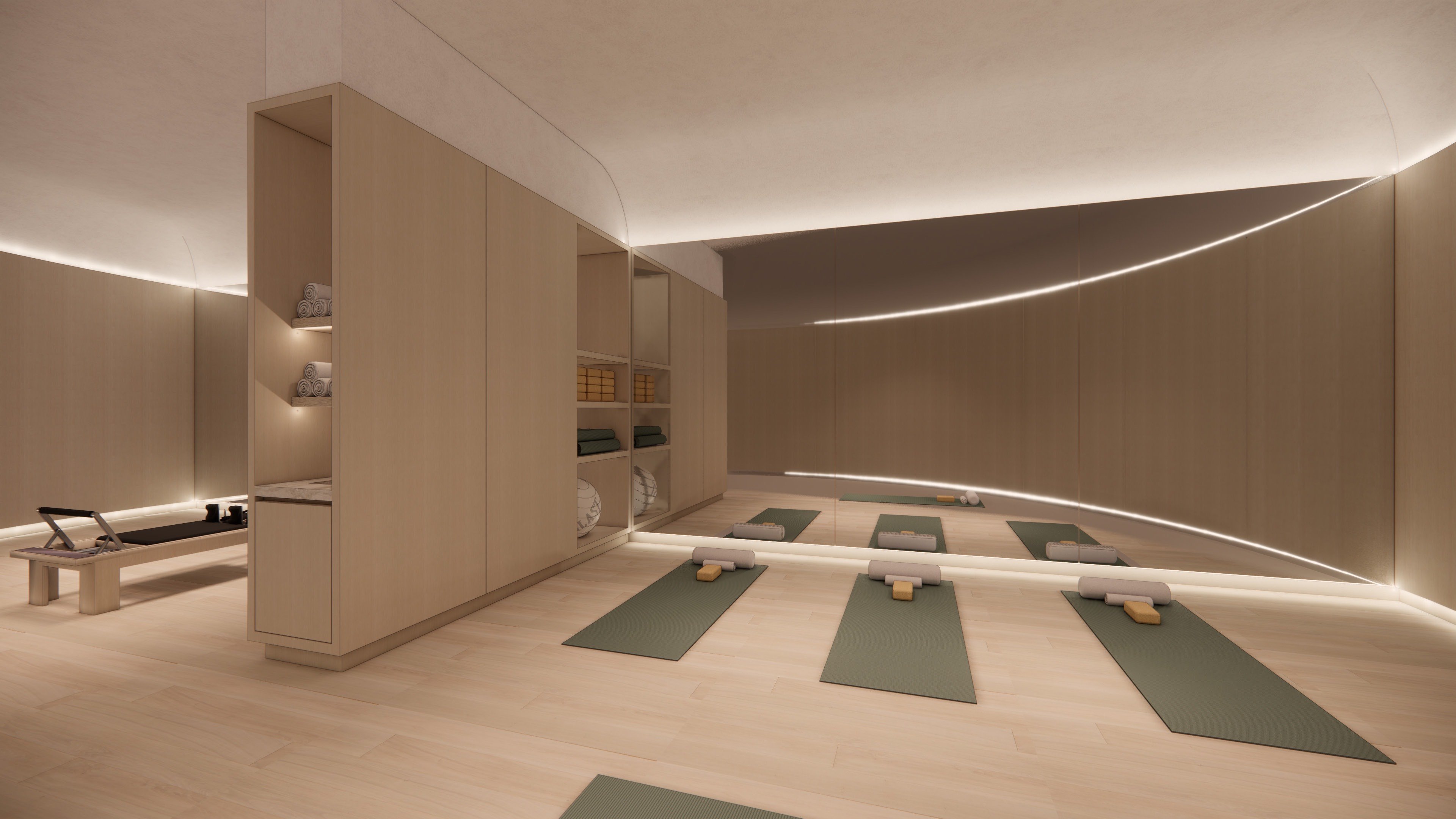
For family buyers in South Florida, the most revealing part of an advisory meeting is often not the first property shown. It is the room itself: how it is arranged, how the conversation is paced, and whether the setting allows a family to think clearly. A luxury residence is rarely just a purchase for the present. It may need to support school routines, grandparents, adult children, visiting friends, household staff, wellness rituals, business calls, seasonal occupancy and long-term capital planning.
A strong advisor meeting room acknowledges that complexity without making it feel burdensome. It gives parents space to speak candidly, children room to be considered without becoming the center of the meeting, and decision-makers enough visual context to compare neighborhoods, buildings and lifestyle tradeoffs. The goal is not theatrical hospitality. The goal is better judgment.
Family buyers should expect an environment that is calm, private and highly organized. In a market where the difference between two residences may hinge on morning logistics, building culture, terrace usability or elevator flow, a crowded conference table and a generic pitch are not enough.
Privacy is the first standard. Families should be able to discuss budget ranges, family structure, schooling preferences, mobility concerns and estate-planning sensitivities without feeling overheard. The best advisory setting does not require the buyer to lower their voice or edit the truth.
This is especially important when multiple generations are involved. One spouse may be prioritizing proximity to work in Brickell, another may be focused on a pool, children may care about friends and activities, and grandparents may need quiet access, guest privacy or healthcare convenience. These are not minor details. They determine whether a residence feels graceful after the closing.
A family should ask whether the room can support a confidential discussion before property names, pricing expectations or negotiation posture enter the conversation. Discretion is not an amenity. It is the condition that allows the advisory process to work.
A family brief is different from a buyer profile. A profile might capture budget, bedrooms and preferred areas. A family brief captures the rhythms of life: school drop-off patterns, work-from-home needs, weekend habits, security preferences, guest frequency, pet routines, sports, medical considerations, entertaining style and the level of separation desired between family, service and social spaces.
The meeting room should make those categories visible. A family comparing Aventura with a more urban setting should be able to weigh drive patterns, extracurricular commitments, dining habits and privacy expectations in a structured way. A family considering golf access should be able to discuss whether the sport is central to daily life or simply a valued backdrop.
The advisor should ask questions that slow the room down. How often will the home be occupied? Who arrives with luggage, and where does it go? Does the family need a second living area for teenagers? Is a balcony a private morning space, an entertaining zone, or both? Does a terrace need to work for children, pets and formal dinners? These questions are practical, but in the luxury segment they are also emotional. They reveal how a family wants to live when no one is watching.
Family buyers should not be asked to make complex decisions from a single brochure, a floor plan and a verbal description. The room should include tools that make tradeoffs legible: neighborhood maps, commute diagrams, floor-plan overlays, amenity comparisons, sunlight orientation notes, parking and arrival diagrams, and clear distinctions between private and shared spaces.
The point is not to overwhelm the family with materials. It is to reduce ambiguity. A plan that looks generous may not function well if secondary bedrooms are poorly separated, storage is insufficient, or the kitchen cannot support both daily use and entertaining. A dramatic view may matter less if the service flow is awkward or the outdoor space cannot be used comfortably by the people who matter most.
Good visual tools also help families avoid false equivalencies. Two residences with similar bedroom counts can behave very differently. One may support quiet homework, private guests and morning efficiency. Another may feel impressive during a tour but strained during ordinary life. The meeting room should expose that difference before emotions take over.
Family buyers often bring children into the conversation, directly or indirectly. The advisory setting should be prepared for that reality. This does not mean turning the meeting into a children’s activity. It means recognizing that children influence how a home performs.
A well-run room allows parents to address school proximity, play space, safety, noise, bedrooms, study areas and social life without being rushed. If children are present, the room should keep them comfortable enough that adults can still concentrate. If children are absent, the advisor should still ask how their routines affect the search.
The most refined family advisory meetings do not treat children as accessories to the purchase. They treat them as part of the operating system of the home. That distinction can change which building, neighborhood or floor plan rises to the top.
Luxury buyers are often shown too much, too quickly. Family buyers should demand a meeting cadence that preserves attention. A thoughtful advisor will separate discovery, education, comparison and decision-making rather than compressing everything into one polished presentation.
This matters because family purchases carry competing priorities. One parent may be drawn to design, another to privacy, another to investment logic, while the family as a whole needs daily ease. When every option is presented as exceptional, the room becomes less useful. The advisor’s job is to help the family see what is most relevant and what is merely attractive.
A strong meeting room should allow for pauses. It should have space to review, reconsider and narrow. The family should leave with clearer priorities than when it arrived, not just a stack of impressions.
Family buyers should be comfortable asking long-range questions in the advisor meeting room. Could the residence work if children leave home? Could it accommodate aging parents? Is it suitable for extended stays by relatives? Does it have the flexibility to remain desirable if the family’s needs change?
These are not pessimistic questions. They are the language of serious ownership. A beautiful residence that cannot adapt may become inconvenient sooner than expected. A home that supports multiple phases of family life can feel more valuable because it reduces friction over time.
The meeting room should also allow a careful discussion of liquidity, rental posture if relevant, maintenance expectations, governance and resale considerations, without turning the conversation into a spreadsheet exercise. For families, the best purchase often balances pleasure with resilience.
At the end of an advisory meeting, a family should have more than enthusiasm. It should have a written or clearly understood hierarchy of priorities, a short list of suitable residence types, a sense of which compromises are acceptable, and a record of questions still unresolved.
The right room will make the family feel more composed. It will protect discretion, invite candor and translate aspiration into practical criteria. In South Florida luxury real estate, beauty is abundant. The more demanding question is whether a residence can hold the full architecture of a family’s life.
What should a family ask for first in an advisor meeting room? Ask for privacy, a clear agenda and enough time to discuss family priorities before any property presentation begins.
Why is a family brief better than a standard buyer profile? A family brief captures daily routines, school needs, guests, staff, wellness, privacy and long-term flexibility. It helps the search reflect real life rather than only specifications.
Should children attend the advisory meeting? Sometimes, but the meeting should still remain focused and adult-led. Even when children are absent, their routines should be discussed carefully.
What visual materials should be available? Useful materials include floor plans, neighborhood maps, amenity comparisons and arrival-flow diagrams. These tools help families compare function, not just aesthetics.
How should buyers discuss schools without losing focus? Treat school routines as part of the home’s operating plan. Commutes, activities and daily timing can influence which locations feel sustainable.
Is privacy really that important in a sales setting? Yes. Families may need to discuss finances, children, relatives and personal constraints that should not be handled in an exposed environment.
How can a meeting room reduce decision fatigue? It should organize choices, limit irrelevant options and create pauses for comparison. A calmer process usually leads to stronger decisions.
What role do amenities play for family buyers? Amenities matter when they support actual routines rather than occasional impressions. Families should ask who will use each amenity and how often.
Should legacy planning come up during a property meeting? It should come up when the purchase is intended to serve the family over time. Adaptability can be as important as immediate appeal.
What is the best sign of a strong advisor meeting? The family leaves with clearer priorities, sharper questions and fewer distractions. Confidence should feel quieter, not louder.
To compare the best-fit options with clarity, connect with MILLION.
If branded residences are on your mind — as a home or as an allocation — we would be glad to share what we are seeing, privately.
Begin a quiet conversation