A practical MILLION guide to evaluating operating costs before closing on a Coral Gables residence, from insurance and reserves to maintenance, staffing, and long-term ownership discipline.
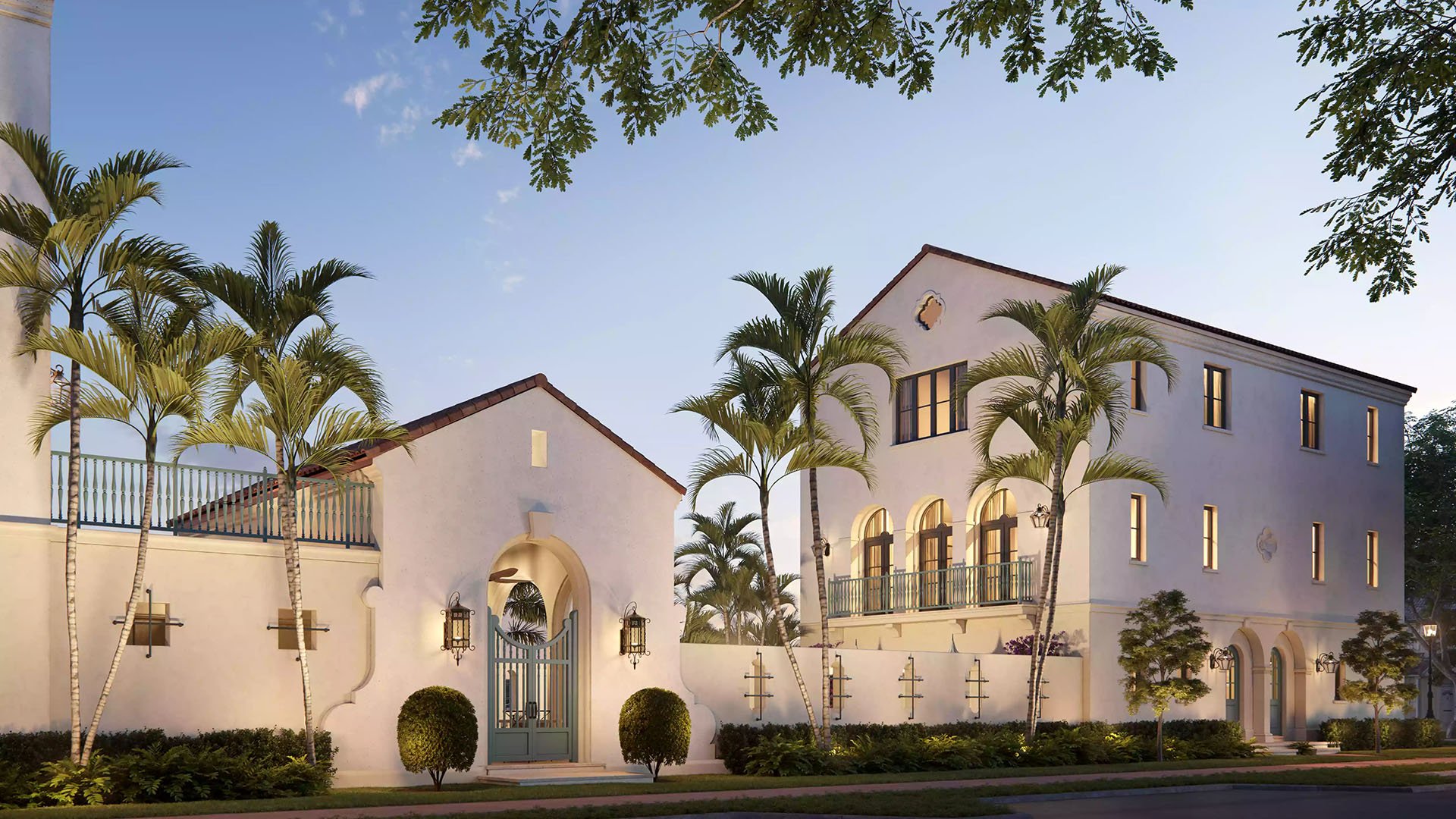
In Coral Gables, the most disciplined buyers do not stop at the accepted offer. They study what the residence will require after closing: the monthly, seasonal and occasional costs that shape the true experience of ownership. Purchase price may command attention, but operating cost realism is what protects comfort, liquidity and long-term confidence.
For a buyer comparing estates, townhomes, boutique condominiums or lock-and-leave residences, the question is not simply whether the asset is affordable. The more useful question is whether the ongoing cost profile matches the way the buyer intends to live. A primary residence with daily family use behaves differently from a second home. A staffed property behaves differently from a simplified pied-a-terre. A resale residence behaves differently from new-construction or pre-construction ownership, where budgets may still be taking their final form.
In MILLION search shorthand, this is a Coral Gables, investment and lifestyle conversation at once. The strongest buyers treat operating costs as part of the architecture of the deal.
Before closing, buyers should separate relatively fixed obligations from costs driven by personal use. Property taxes, insurance premiums, association charges, lender escrows and recurring municipal or utility obligations belong in the first category. They may change over time, but they are not optional.
Lifestyle costs are more personal. They include landscaping preferences, pool service, pest management, security systems, housekeeping, private staff, generator maintenance, smart-home support, wine storage systems, art handling, vehicle care and seasonal opening or closing services. None should be treated casually in a luxury purchase. These costs often define the difference between a beautiful residence and a beautifully run residence.
A serious closing review should put both categories in writing. The exercise is not meant to diminish excitement. It is meant to make the excitement durable.
Insurance should never be reduced to a single line item. A buyer should understand what is being insured, what is excluded, how deductibles work and whether the property requires more than one policy to create a thoughtful risk plan. In South Florida, the insurance conversation can involve wind, flood, liability, contents, collections, vehicles, umbrella coverage and construction-related exposures if improvements are planned after closing.
The most elegant approach is to review insurance early enough that the result can inform negotiations, escrow expectations and post-closing liquidity. A premium that feels manageable in isolation may feel different when paired with taxes, staffing, association fees, reserves and planned design work. Conversely, a residence with a clear insurance path may feel more attractive even if another property appears less expensive at first glance.
Buyers should also consider timing. Binding coverage at the last moment can create unnecessary pressure. The better standard is to have a complete insurance picture before the closing calendar becomes compressed.
For condominium and planned-community buyers, association charges are only the beginning. The more revealing questions involve reserves, capital projects, maintenance standards, staffing, building systems, amenity expectations and the association's ability to address future needs without creating surprise stress for owners.
A low monthly figure is not automatically favorable, and a higher figure is not automatically inefficient. The issue is alignment. Does the budget support the level of service, upkeep and physical condition the buyer expects? Are reserves treated with seriousness? Are future projects being discussed plainly? Is there a history of owners funding improvements in a predictable way?
This matters especially when a buyer wants ease. A lock-and-leave residence is only effortless when the operating structure behind it is credible. The value of privacy, service and maintenance is strongest when the financial plan is equally composed.
In single-family homes, there may be no association budget to read, but that does not mean there is no reserve requirement. The owner becomes the reserve account. Roofs, mechanical systems, drainage, seawalls where applicable, gates, lighting, landscaping, pools, irrigation, appliances and exterior finishes all need a practical replacement and maintenance framework.
The right question before closing is simple: what would a prudent owner set aside each year to keep this property at the level at which it was purchased? Buyers who intend to renovate should go further and separate baseline maintenance from elective design upgrades. A new kitchen, a landscape redesign or a media room is not the same as the cost of keeping the property operating properly.
This distinction helps prevent a common mistake: treating the inspection period as a search for defects only. For luxury buyers, inspections should also become a planning instrument. They can clarify the first year of ownership and reveal which costs are immediate, which are discretionary and which should be monitored over time.
The closing statement captures the transaction. It does not capture the life of the residence. Prorations, escrows, deposits, transfer charges, financing costs and prepaid items may create a clean settlement, but the first year after closing can introduce a different cadence of checks.
A realistic first-year budget should include move-in logistics, insurance, taxes, association obligations if applicable, utilities, service contracts, minor repairs, design adjustments, security setup, staff onboarding, technology support and contingency funds. Buyers relocating from another market should pay particular attention to climate-driven maintenance. Materials, landscaping and systems perform best when cared for consistently.
For buyers comparing Ponce Park Coral Gables, The Village at Coral Gables and other Coral Gables living formats in conversation with an advisor, the useful lens is not only location or style. It is also operational character: how the residence functions when the owner is home, traveling, entertaining or away for a season.
A refined buyer should ask for the current cost picture, then test it against the future use case. What did the current owner actually spend to run the property? Which contracts are transferable? Which vendors are essential? What systems are under warranty? What maintenance has been deferred? Are there upcoming association projects? Are there permits, improvements or design plans that could affect cost after closing?
If the purchase involves financing, the lender's view of escrows and insurance should be coordinated with the buyer's private cash-flow plan. If the purchase is all cash, the same discipline still applies. Liquidity is not a reason to skip analysis. It is a reason to make better decisions without pressure.
The goal is to transform vague concern into a written ownership model. Even if the model changes, it gives the buyer a baseline. In luxury real estate, confidence often comes from knowing which costs are predictable and which deserve a reserve.
Operating cost realism can shape the offer, the inspection strategy and the closing timeline. If a property requires immediate system work, the buyer may address it through price, credits, repairs or post-closing planning. If association documents reveal future capital needs, the buyer may adjust expectations. If insurance requires additional review, the buyer may protect the schedule with appropriate contingencies.
None of this needs to feel adversarial. In the best transactions, cost clarity makes the negotiation cleaner. Sellers understand that serious buyers are not asking questions simply to ask questions. They are preparing to own well.
The same principle applies to investment analysis. A residence may be emotionally compelling, architecturally appealing and well located, yet still require a disciplined view of carrying costs. Buyers who plan for the full ownership experience are better positioned to enjoy the property without second-guessing the financial rhythm behind it.
What is operating cost realism in a Coral Gables purchase? It is the practice of estimating the full cost of ownership before closing, not just the purchase price and immediate settlement costs.
Should buyers review insurance before the inspection period ends? Yes. Insurance can influence cash flow, comfort with risk and the overall structure of the purchase decision.
Are association fees enough to understand condo ownership costs? No. Buyers should also review reserves, capital plans, maintenance standards and potential future owner obligations.
How should single-family buyers think about reserves? They should create a private reserve for systems, landscaping, pool care, exterior maintenance and future replacements.
Do lifestyle choices affect operating costs significantly? Yes. Staffing, security, technology, landscaping and entertaining patterns can meaningfully change the annual ownership budget.
Is new construction always easier to budget than resale? Not necessarily. New construction may reduce certain near-term repair concerns, but operating budgets and service patterns still need review.
What should pre-construction buyers watch carefully? They should focus on projected association budgets, delivery expectations, deposits, closing costs and post-closing fit-out needs.
Can operating costs affect negotiation strategy? Yes. Clear cost findings can inform price, credits, repairs, contingencies and the timing of closing.
Why does a second home need a different budget? A second home may require remote management, seasonal preparation, security oversight and vendor coordination while the owner is away.
What is the best way to shortlist comparable options for touring? Start with location fit, delivery status, and daily lifestyle priorities, then compare stacks and elevations to validate views and privacy.
For a discreet conversation and a curated building-by-building shortlist, connect with MILLION.
If branded residences are on your mind — as a home or as an allocation — we would be glad to share what we are seeing, privately.
Begin a quiet conversation