A discreet buyer’s guide for California residents considering a South Florida trophy pied-à-terre, with focus on tax posture, residency discipline, ownership structure, lifestyle fit, and resale quality.
For a California buyer, a South Florida trophy pied-à-terre is rarely just a second address. It is often part residence, part family foothold, part wealth-planning conversation, and part lifestyle reset. The motivation may be climate, privacy, business proximity, schools, yachting, art, golf, or the desire for a more flexible base. Tax considerations may sit in the background, but they should never be treated as an afterthought.
The essential point is discipline. A buyer exploring a tax-motivated move should decide, with counsel, whether the South Florida home is intended to be a true residency anchor, a seasonal retreat, or a pure lifestyle asset. Each answer leads to different decisions around timing, documentation, ownership structure, financing, staffing, homestead considerations, estate planning, and day-to-day use.
The strongest purchases begin before the first showing. Sophisticated buyers do not simply ask, “Which residence is most impressive?” They ask, “Which residence best supports the life I am actually building?”
The phrase “pied-à-terre” sounds effortless, but the planning behind it can be exacting. A trophy apartment in Miami Beach, Brickell, Palm Beach, or Fort Lauderdale can be a superb base, yet ownership alone does not resolve the larger questions around domicile, intent, and daily patterns.
That is why buyers should coordinate early with tax, legal, and estate advisors. The purchase contract, closing timeline, entity structure, insurance decisions, driver’s license updates, voter registration, club memberships, physicians, charitable activity, business ties, and family routines may all become part of a broader narrative. The residence is the setting, not the entire story.
A buyer who wants a formal South Florida base should also consider how the property will function in practice. Will it be occupied by the owner for extended stays? Used by family members? Staffed year-round? Held in a trust or other structure? Rented at any point? Kept purely private? These are not merely administrative questions. They shape privacy, tax exposure, liability, building suitability, and long-term liquidity.
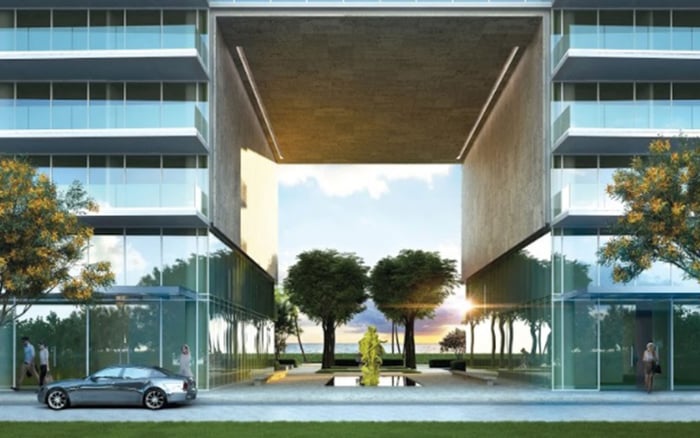
South Florida is not a single market. It is a sequence of distinct lifestyle choices, each with its own rhythm. Brickell favors buyers who want a highly serviced urban setting close to dining, offices, private banking, and the waterfront. For a buyer seeking a vertical residence with hotel-level polish and immediate city energy, St. Regis® Residences Brickell sits naturally within that conversation.
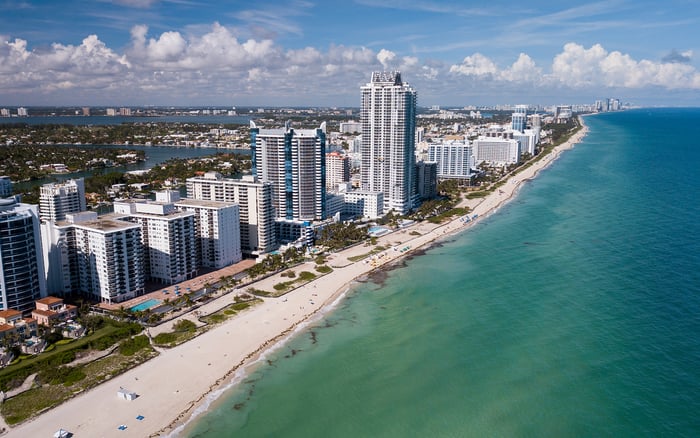
Miami Beach is a different proposition. It is more resort-like, more architectural, and often more emotionally driven. A buyer may be prioritizing sand, wellness, privacy, cultural access, and the ability to arrive for a long weekend without compromising design or service. In that context, The Perigon Miami Beach represents the kind of address buyers often consider when they want the beach to feel residential rather than transient.
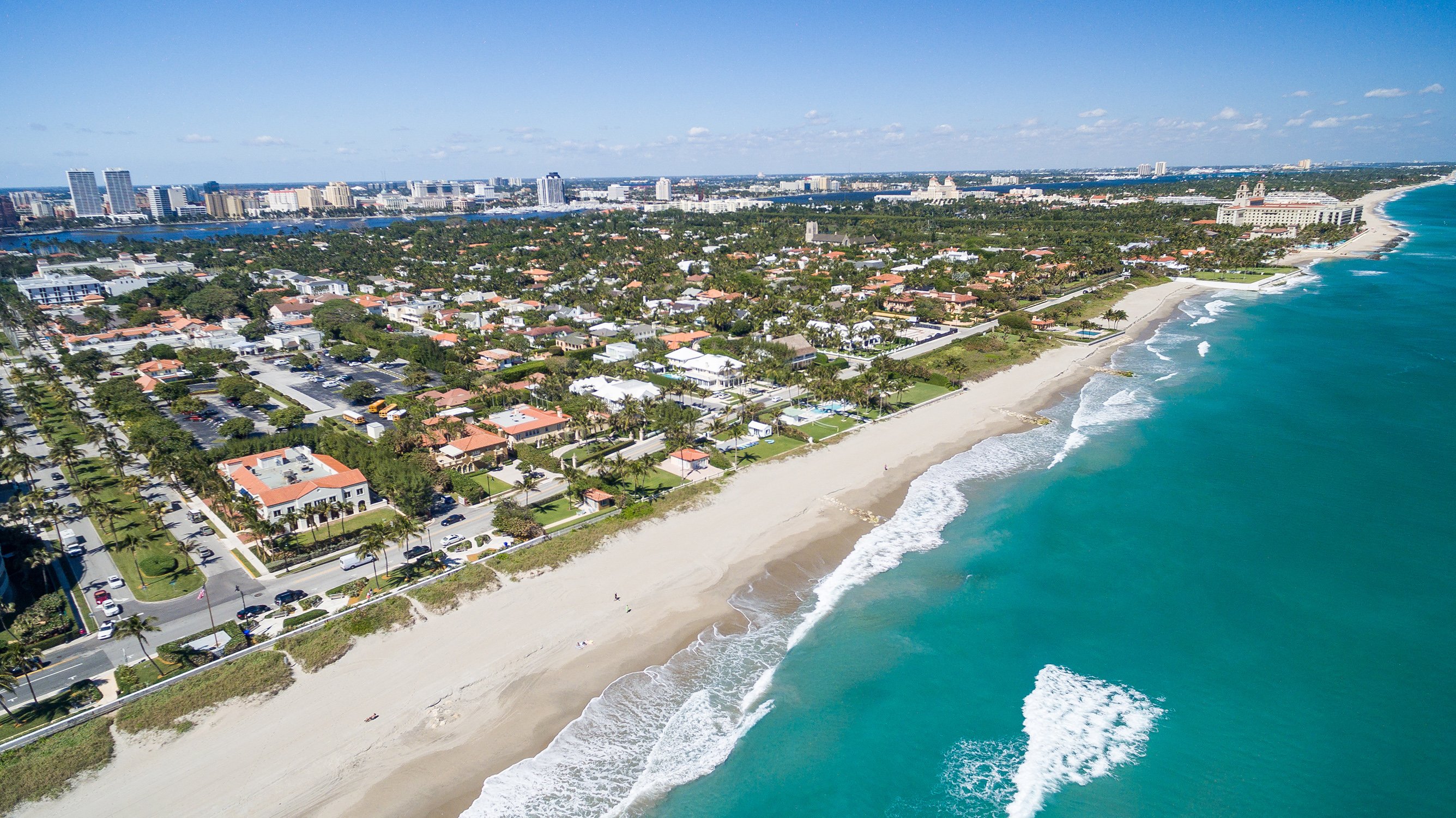
Palm Beach and West Palm Beach appeal to buyers who prefer a more composed daily cadence, with an emphasis on private clubs, classic elegance, boating, philanthropy, and multigenerational use. A residence such as The Ritz-Carlton Residences® West Palm Beach may speak to those who want service and convenience without sacrificing a more settled tone.
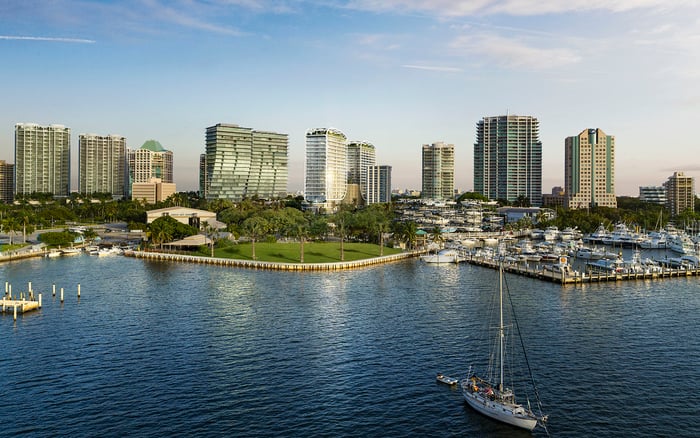
For buyers drawn north or south by marina access, golf, beaches, or quieter enclaves, the search may expand into Boca Raton, Surfside, Sunny Isles, Fisher Island, Coconut Grove, Bay Harbor Islands, Pompano Beach, or Fort Lauderdale. The right answer depends less on prestige alone than on how often the owner expects to use the home, who will use it, and what degree of anonymity is desired.
A true trophy pied-à-terre is not defined by finishes alone. The more important criteria are privacy, arrival sequence, staff professionalism, elevator access, security protocol, parking, storage, service depth, view protection, terrace usability, building governance, and ease of ownership from afar.
California buyers should be especially focused on lock-and-leave performance. If the residence will sit vacant for weeks or months, the building must make absence feel uneventful. That means reliable management, clear maintenance procedures, strong communication, thoughtful package handling, vendor access controls, and a culture of discretion.
Outdoor space also deserves careful scrutiny. A terrace that photographs beautifully may not be the terrace an owner actually uses. Orientation, wind, shade, noise, privacy from neighboring towers, and furniture depth can matter more than sheer size. The same is true of views. A dramatic skyline panorama can be ideal for an urban lifestyle, while uninterrupted water can feel more restorative for extended seasonal stays.
In a second-home context, amenities should be evaluated through the lens of daily habits. Does the owner want a private dining room, spa, fitness programming, marina proximity, beach service, dog-walk convenience, guest suites, children’s areas, or a resident lounge that feels appropriate for entertaining? The best buildings reduce friction without making life feel overmanaged.
Before signing, buyers should review how the residence will be titled and who will have access to it. Individual ownership, trust ownership, and entity ownership can carry different administrative, estate, lending, insurance, and privacy implications. The correct structure depends on the family’s broader planning, not on a generic preference.
If children, parents, guests, assistants, or security personnel will use the residence, building rules matter. Some condominium associations are more flexible than others about guests, service providers, renovations, pets, leasing, deliveries, and move-ins. A buyer accustomed to a large California estate may need to adjust to the protocols of a luxury condominium, where privacy is protected partly through shared rules.
Renovation is another hidden variable. A resale residence may offer immediate occupancy but still require board approvals, contractor coordination, elevator reservations, noise compliance, and building-specific insurance documentation. New-construction or pre-construction purchases may provide more tailored finish opportunities, but they also require patience and careful contract review.
A trophy pied-à-terre can be a meaningful investment, but the most resilient purchases usually begin with personal utility. The owner should want to be there. Resale strength tends to favor irreplaceable attributes: waterfront position, protected views, architectural identity, limited supply, superior service, strong location, and a floor plan that works for more than one type of buyer.
The strongest approach is to define the exit before entry. Who is the next likely buyer? A relocating executive? A seasonal family? A collector of branded residences? A boater? A beach-focused owner? A buyer who wants immediate occupancy? The clearer the eventual audience, the more disciplined the purchase becomes.
In this tier of the market, convenience is not a minor amenity. It is part of value preservation. Buildings that make ownership simple, dignified, and secure tend to remain relevant because they respect the one asset affluent buyers cannot manufacture: time.
Should a California buyer purchase before completing tax planning? No. The purchase should be coordinated with qualified tax, legal, and estate advisors so the residence supports the intended plan.
Does buying in South Florida automatically change residency? No. Ownership is only one element. Advisors should guide the broader documentation and conduct needed for any residency position.
Which South Florida area is best for a trophy pied-à-terre? It depends on use. Brickell suits urban convenience, Miami Beach favors resort living, and Palm Beach offers a quieter, more composed cadence.
Is a condo better than a single-family home for part-time use? Often, a serviced condominium is easier to leave unattended, but the right choice depends on privacy needs, staffing, family use, and lifestyle.
Should buyers prioritize new construction or resale? New construction can offer modern systems and design, while resale may offer immediate use and established building culture.
How important are building rules? Very important. Guest policies, leasing limits, pet rules, renovation procedures, and vendor access can shape daily ownership.
Can a pied-à-terre be used by family members? Usually, but buyers should confirm building policies and align usage with their ownership structure and advisory guidance.
What makes a trophy residence more liquid? Protected views, strong service, privacy, architectural quality, location, and intuitive floor plans can support future demand.
Should short-term rental potential drive the purchase? Not in the trophy tier unless that strategy is central and fully permitted. Many luxury buyers prioritize privacy over rental flexibility.
What is the first step for a serious buyer? Define the intended use, advisory framework, area preference, and privacy requirements before touring individual residences.
If you'd like a private walkthrough and a curated shortlist, connect with MILLION.
If branded residences are on your mind — as a home or as an allocation — we would be glad to share what we are seeing, privately.
Begin a quiet conversation