A buyer-focused look at the ownership questions that matter most in West Palm Beach luxury condominiums, from association control and use rights to reserves, insurance, resale flexibility, and entity planning.
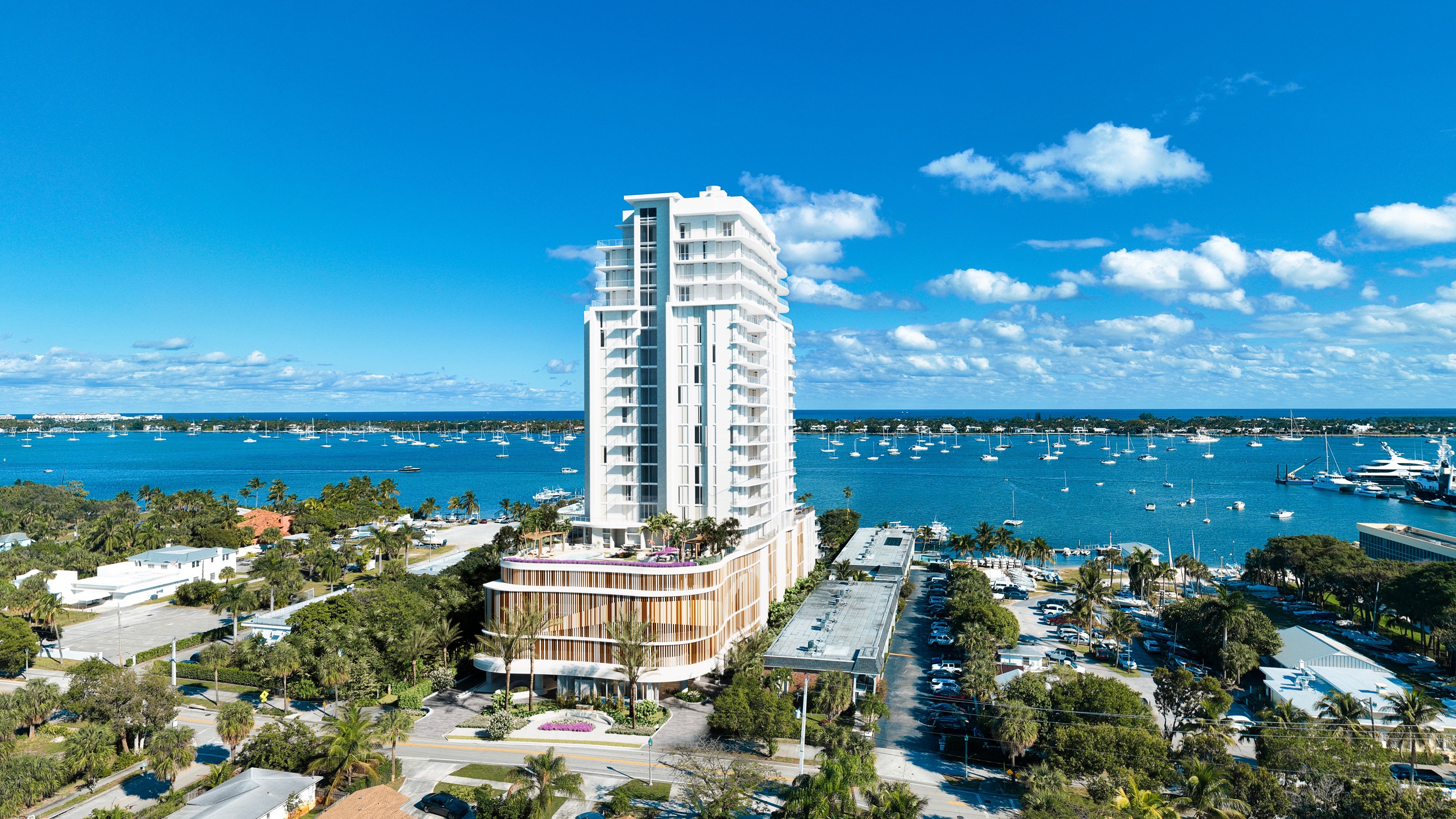
In West Palm Beach, the most sophisticated condominium conversations are no longer limited to architecture, water views, lobby design, or amenity photography. For buyers considering Alba West Palm Beach, Maison D'Or South Flagler, and Banyan Tree Residences West Palm Beach, the essential question is sharper: what does ownership actually allow, require, limit, and cost over time?
That is a different lens from lifestyle marketing. It asks who controls common elements, how building rules are amended, how services are funded, how seasonal use is treated, and how easily an owner can sell, lease, renovate, or transfer title. In an ultra-prime market where many buyers compare condominium convenience with Palm Beach estate ownership, these details can be as consequential as the residence itself.
Alba West Palm Beach should be evaluated as a lock-and-leave waterfront ownership product. Its appeal sits within a broader West Palm Beach waterfront trend, where buyers want Palm Beach-area views paired with condominium convenience. That convenience, however, is created through a condominium regime, and that regime defines the balance of control among individual owners, the association, and building-level operating rules.
For an Alba buyer, the governing documents deserve attention early. Leasing limits, guest-use rules, pet policies, renovation controls, and resale approval procedures can all shape daily use and long-term flexibility. A buyer expecting a flexible second home may read those rules differently from a full-time resident who prioritizes quiet, predictability, and exclusivity.
The same review should extend to maintenance obligations and association services. Lock-and-leave living depends on reliable building operations, but those operations carry a cost structure. Buyers should ask whether any hospitality-style, branded-service, or third-party management features create recurring fees or operational obligations beyond standard condominium dues.
Maison D'Or South Flagler belongs in the same ownership conversation, but the emphasis shifts toward use rights, resale flexibility, association obligations, and building-level restrictions. South Flagler positioning can influence long-term value expectations, waterfront demand, and the degree of exclusivity owners may expect from the building environment.
The financial review should be granular. Association budgets, reserve obligations, monthly assessments, insurance assumptions, and capital contribution requirements are not background paperwork. They define the true carrying cost of ownership and the building’s resilience over time. In South Florida, insurance and reserves can meaningfully affect a luxury condominium’s ownership profile, especially for buyers accustomed to estate ownership who want a professionally managed setting.
Buyers should also clarify how amenities, staff, valet, concierge, or waterfront services are controlled. If services are operated solely through the association, the governance analysis is one thing. If outside operating agreements are involved, owners should understand duration, fee mechanics, approval rights, and the practical ability of the association to change course.
Banyan Tree Residences West Palm Beach is best approached with the same ownership discipline. Before a buyer is drawn in by presentation materials, the conversation should turn to documents, operating structure, owner rights, service obligations, and resale mechanics. The more refined the residence, the more important it becomes to understand the legal and financial architecture supporting the experience.
This is especially true for branded or hospitality-influenced environments, where service expectations can be high and operating frameworks may be more complex than in a conventional condominium. The key is not to assume that a name, amenity concept, or service promise automatically translates into unlimited owner flexibility. The documents, budgets, and rules determine the experience after closing.
For any of these West Palm Beach properties, the ownership file should be read in layers. Start with the declaration and bylaws, then move into rules and regulations, budget materials, reserve schedules, insurance assumptions, management agreements, and any approval procedures for leasing, transfer, guests, pets, renovations, and financing.
A seasoned buyer will also examine how board control evolves, what voting thresholds apply to material changes, and whether special assessments or capital projects can be approved under defined procedures. The goal is not to avoid structure. In luxury condominium living, structure is often what protects the experience. The goal is to know whether that structure aligns with the buyer’s intended use.
Investment thinking in this segment should be discreet rather than speculative. The strongest ownership decisions consider liquidity, buyer-pool depth, and future marketability. Boutique exclusivity can be highly desirable, but boutique positioning may also narrow the universe of resale buyers if rules, pricing, or carrying costs become too specialized.
Resale planning should begin before contract signing. A buyer should understand approval procedures, leasing restrictions, transfer requirements, and any conditions that could affect a future sale. The best ownership angle is not merely whether the residence is beautiful today, but whether it remains legible and desirable to the next qualified buyer.
Tax, estate-planning, and entity ownership considerations also matter, particularly for wealthy seasonal and global buyers. Title may be held personally, through a trust, or through an entity, depending on legal, tax, privacy, financing, and succession objectives. Those decisions should be coordinated before closing, not repaired after ownership is already in place.
The clearest comparison is not simply Alba versus Maison D'Or versus Banyan Tree. It is whether each ownership structure supports the buyer’s actual life. A seasonal owner may prioritize low-friction maintenance, guest protocols, and predictable services. A full-time resident may focus more on governance, neighbor profile, staffing quality, and long-term assessment discipline. A buyer planning eventual resale may care most about liquidity, restrictions, and the depth of demand for waterfront condominium living in West Palm Beach.
The best decision comes from reading the ownership structure with the same seriousness usually reserved for pricing. In this tier of the market, the residence is the visible asset. The documents are the operating system.
What is the main ownership issue at Alba West Palm Beach? Buyers should understand how the condominium regime allocates control among owners, the association, and building operating rules.
Why does Maison D'Or South Flagler require detailed due diligence? Its ownership analysis should include use rights, resale flexibility, association obligations, building restrictions, and cost structure.
How should buyers approach Banyan Tree Residences West Palm Beach? Buyers should apply the same document-first review, focusing on ownership rights, obligations, services, and future flexibility.
Are views enough to justify a purchase decision? No. Views matter, but governing documents, budgets, reserves, insurance, and rules determine the ownership experience.
What should seasonal owners review first? They should review maintenance responsibilities, guest rules, access procedures, service coverage, and lock-and-leave reliability.
Can leasing rules affect long-term value? Yes. Leasing limits can protect exclusivity, but they may also narrow income options and future buyer flexibility.
Why do reserves and insurance assumptions matter? They influence monthly assessments, capital planning, and the building’s ability to manage future obligations responsibly.
Should buyers review management or service agreements? Yes. Outside operating agreements can affect recurring costs, service standards, and association control over the owner experience.
Is entity ownership relevant for luxury condo buyers? Often. Tax, estate, privacy, financing, and succession planning should be coordinated before closing.
What is the best way to compare these West Palm Beach projects? Compare how each ownership structure supports your use case, from full-time residence to second home to future resale.
To compare the best-fit options with clarity, connect with MILLION.
If branded residences are on your mind — as a home or as an allocation — we would be glad to share what we are seeing, privately.
Begin a quiet conversation