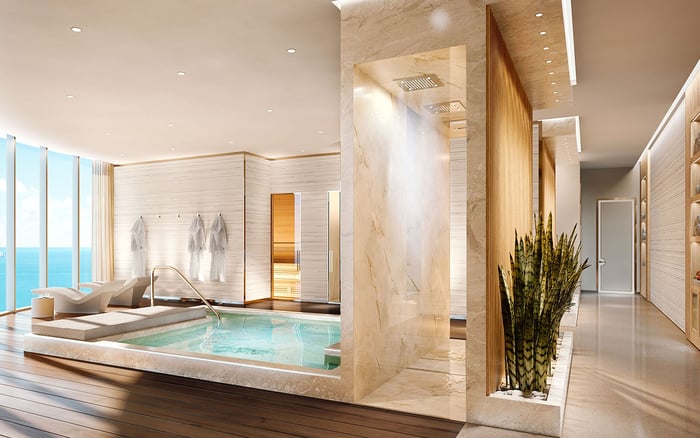
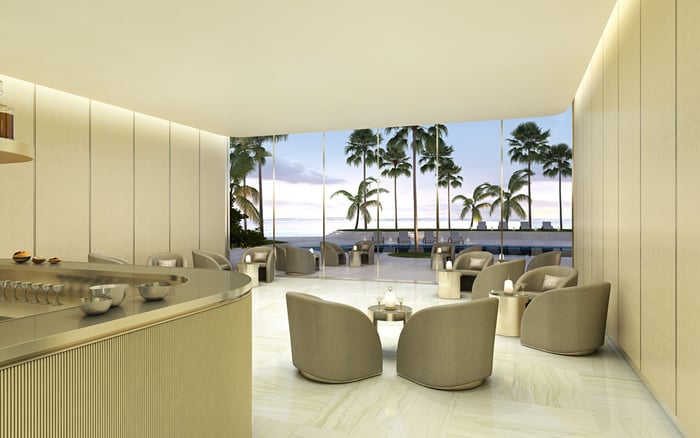
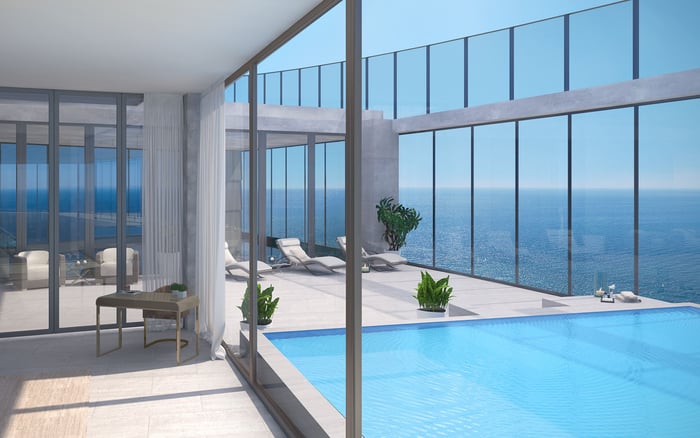
Resident-focused dining is part of the appeal at The Ritz-Carlton Residences® Sunny Isles. Before closing, buyers should distinguish that amenity promise from the legal rights governing restaurant operations, visitor access, service traffic, and future changes.
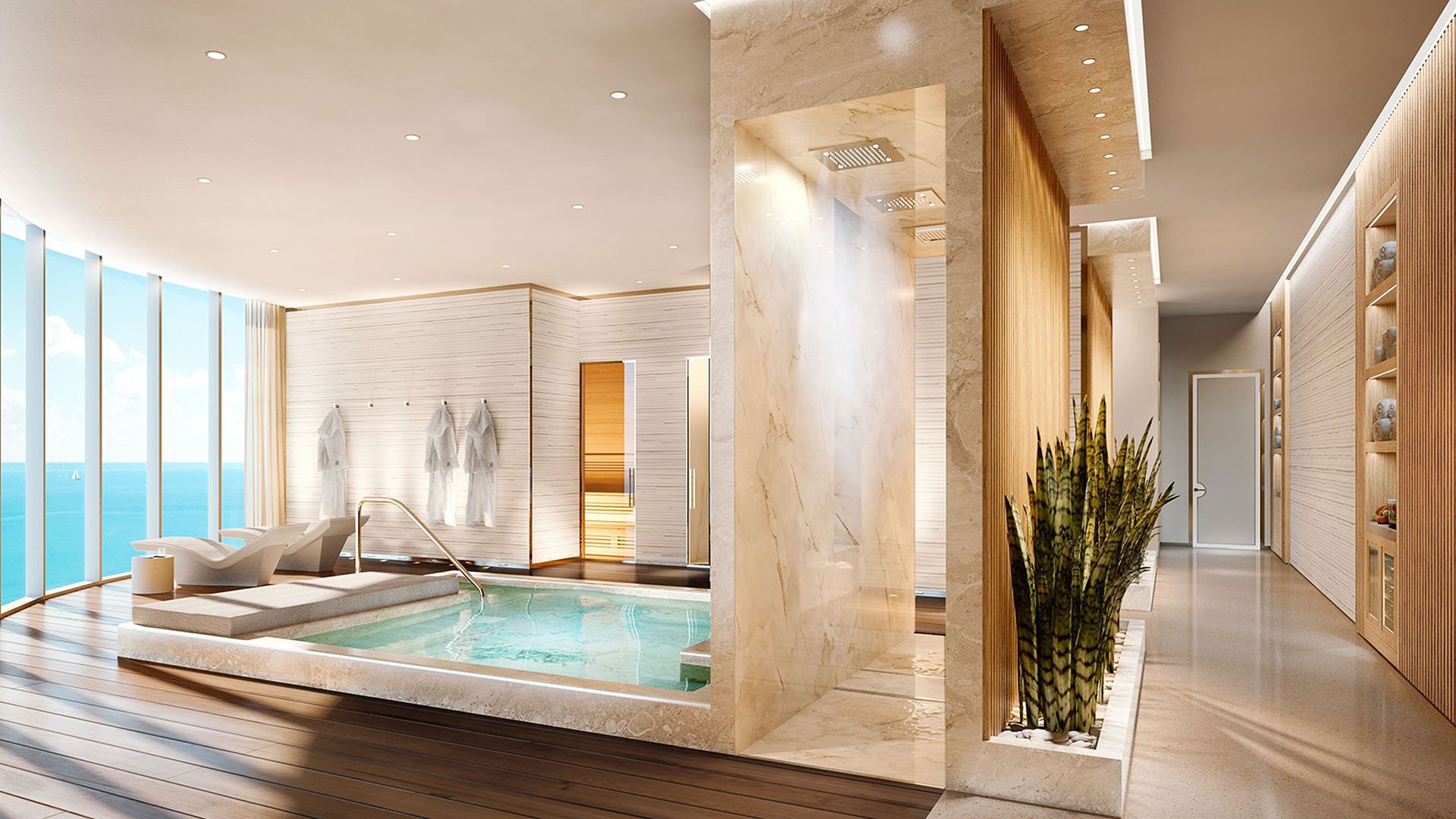
At The Ritz-Carlton Residences® Sunny Isles, the central closing question is not whether a public restaurant is already operating. The property is presented as a completely private residential building with no hotel on premises and no transient use, and its dining offering is described as resident-focused. Nothing here establishes an existing public restaurant or a separate commercial-tenant operation.
That distinction matters at 15701 Collins Avenue, Sunny Isles Beach, where the 52-story tower occupies 250 linear feet of oceanfront. Restaurant service can make ownership more effortless. Yet the experience depends on who may enter, where service activity occurs, and who has authority to change those arrangements. Privacy is an operating condition as well as a residential promise.
For a purchaser, the task is to connect the amenity experience to the documents that govern it. A restaurant description does not establish ownership of the premises, an operator’s lease rights, or the permanence of today’s eligibility rules.
The distinction is between what an owner enjoys and what an owner controls. Before closing, ask counsel to review the current Declaration and amendments, relevant operating agreements, restaurant eligibility rules, guest-suite policies, and leasing restrictions.
That review should establish whether the dining premises are common property, separately owned space, or subject to another arrangement. It should also identify operator rights, access rights, and approval requirements for changes in use. These are questions to resolve, not a verified description of the ownership structure here.
A buyer also considering St. Regis® Residences Sunny Isles should apply the same discipline to that property’s documents rather than infer equivalent rights from a hospitality name. Brand recognition is no substitute for property-specific review.
The practical question is simple: if dining operations changed, whose approval would be needed, and what protections would remain for residents? Ask counsel to distinguish enforceable restrictions from policies that management or another authorized party may revise.
The dining offering includes a beach restaurant with pool service, beach service, and in-residence delivery. Private club-level dining and a lounge are also described. These amenities support a resident-oriented experience, but they do not settle every eligibility question.
Request written confirmation of whether dining is limited to residents and their authorized guests. Ask specifically about outside diners, reciprocal members, private-event attendees, and other non-resident groups. Establish who can sponsor a visitor and whether permission to dine includes any pool, beach-amenity, or elevator privileges.
The eight guest suites deserve separate attention. They are identified among the common amenities for owners and their guests, with rates, terms, and conditions established under the governing provisions. Their presence is not proof of hotel operations or unrestricted transient access. Confirm booking eligibility, occupancy rules, and accompanying amenity privileges before relying on them for visiting family.
Residential-only positioning does not establish quiet conditions. No acoustic measurements, complaint history, or verified current enforcement record supports a conclusion about noise at a particular residence.
Historically described dining locations include indoor and outdoor restaurant seating on Level 1 and dining at the Level 4 Sunset Pool. Those locations are useful starting points for a site visit, but current layouts and operations should be reconfirmed. Evaluate the actual residence and terrace rather than relying on floor height alone.
Visit during a busy weekend and, where possible, during dining service and closing activity. Listen for conversation, furniture movement, deliveries, and service circulation. Ask about event schedules, permitted music, cleanup timing, and planned food-and-beverage changes. These are observation prompts, not allegations of existing disturbances.
For a shortlist that includes Jade Signature Sunny Isles Beach, apply the same unit-specific test. Comparisons are more useful when they examine sound at the residence itself rather than treating any building’s amenity profile as an acoustic guarantee.
The arrival offering includes a grand porte-cochère. Round-the-clock entry-lobby door attendants and valet staffing have been described historically. Described security features include a doorman, secured elevators and lobby, a fenced complex, and card or code access. Confirm current staffing and protocols directly.
These features indicate controlled access, but they do not establish precisely how visitors move through the property. Ask management to explain the route from arrival to restaurant seating and identify which residential areas remain inaccessible to a dining guest.
Service circulation deserves equal attention. Where do food deliveries arrive? Which elevators support in-residence dining? How are contractors and event personnel admitted? If non-resident dining were ever permitted, would arrivals, waiting areas, or valet demand overlap with residents’ routines?
The issue is not that a commercial operator necessarily compromises security. It is whether permissions, circulation, and staffing are designed and governed to preserve residential boundaries under the uses actually allowed.
Historically, 24/7 pool-deck access has been distinguished from swimming permitted only between sunrise and sunset. Earlier lunch schedules also allowed adjustments as occupancy evolved. Neither should be treated as a verified current operating commitment.
Confirm today’s dining hours, outdoor seating hours, pool rules, and in-residence delivery windows. Ask how evening deck access is supervised and how noise concerns are addressed. Attendant-coordinated chairs, umbrellas, and service describe an amenity experience, not unrestricted access for every visitor.
Similarly, private beach amenities or deeded beach access are not proof that the shoreline itself excludes the public. Clarify the boundary between residential services, controlled property access, and the beach setting before assigning a premium to perceived exclusivity.
Before committing, assemble a consistent picture from governing documents, current written management responses, and an on-site visit. Ask whether any food-and-beverage changes are planned and whether existing agreements permit changes in hours, eligibility, events, or service routes.
If documents and verbal assurances differ, have counsel resolve the discrepancy before closing. An assurance that dining is private today does not, by itself, establish who could authorize a different arrangement tomorrow.
For an owner, the desired result is straightforward: dining that feels like an extension of home, arrivals that remain composed, and clear accountability when operations affect residential comfort. The strongest purchase decision evaluates not just the services offered, but the rights and boundaries behind them.
For a discreet perspective on South Florida residential ownership, explore MILLION.
If branded residences are on your mind — as a home or as an allocation — we would be glad to share what we are seeing, privately.
Begin a quiet conversationThe dining offering is described as resident-focused, not as an established public restaurant. Buyers should confirm current eligibility rules and any permitted exceptions with management.
The property is presented as a completely private residential building with no hotel on premises and no transient use. Current governing documents and leasing restrictions should still be reviewed before closing.
Amenity descriptions do not establish legal ownership, commercial-unit boundaries, or operator lease rights. Counsel should review the Declaration, amendments, and relevant agreements to resolve those questions.
The offering includes a beach restaurant with pool service, beach service, and in-residence delivery. Private club-level dining and a lounge are also described.
Historical operating guidance places indoor and outdoor restaurant dining on Level 1 and also describes dining at the Level 4 Sunset Pool. Confirm current arrangements before purchasing.
Historical lunch schedules were subject to adjustment as occupancy evolved and are not verified current hours. Request the present dining, outdoor seating, and delivery schedules from management.
No acoustic measurements or verified complaint and enforcement history establish quiet conditions at a particular residence. Visit the unit and terrace during active service periods.
Described features include a doorman, secured elevators and lobby, a fenced complex, and card or code access. These do not establish current visitor permissions or precise operating protocols.
No. They are identified as common amenities for owners and their guests, subject to rates, terms, and conditions established as provided in the Declaration.
Private beach amenities or deeded beach access should not be treated as proof that the shoreline excludes the public. Confirm the boundaries of controlled access and resident services separately.