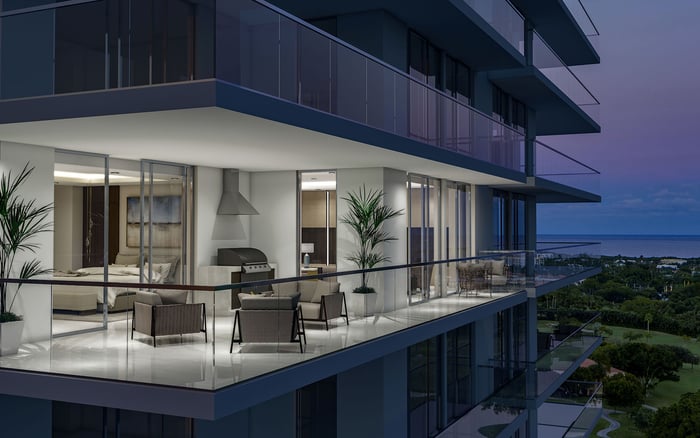
A practical luxury buyer’s guide to planning red-light therapy placement in Boca Raton residences before closing, with attention to design, approvals, electrical planning, privacy, and resale-minded wellness spaces.
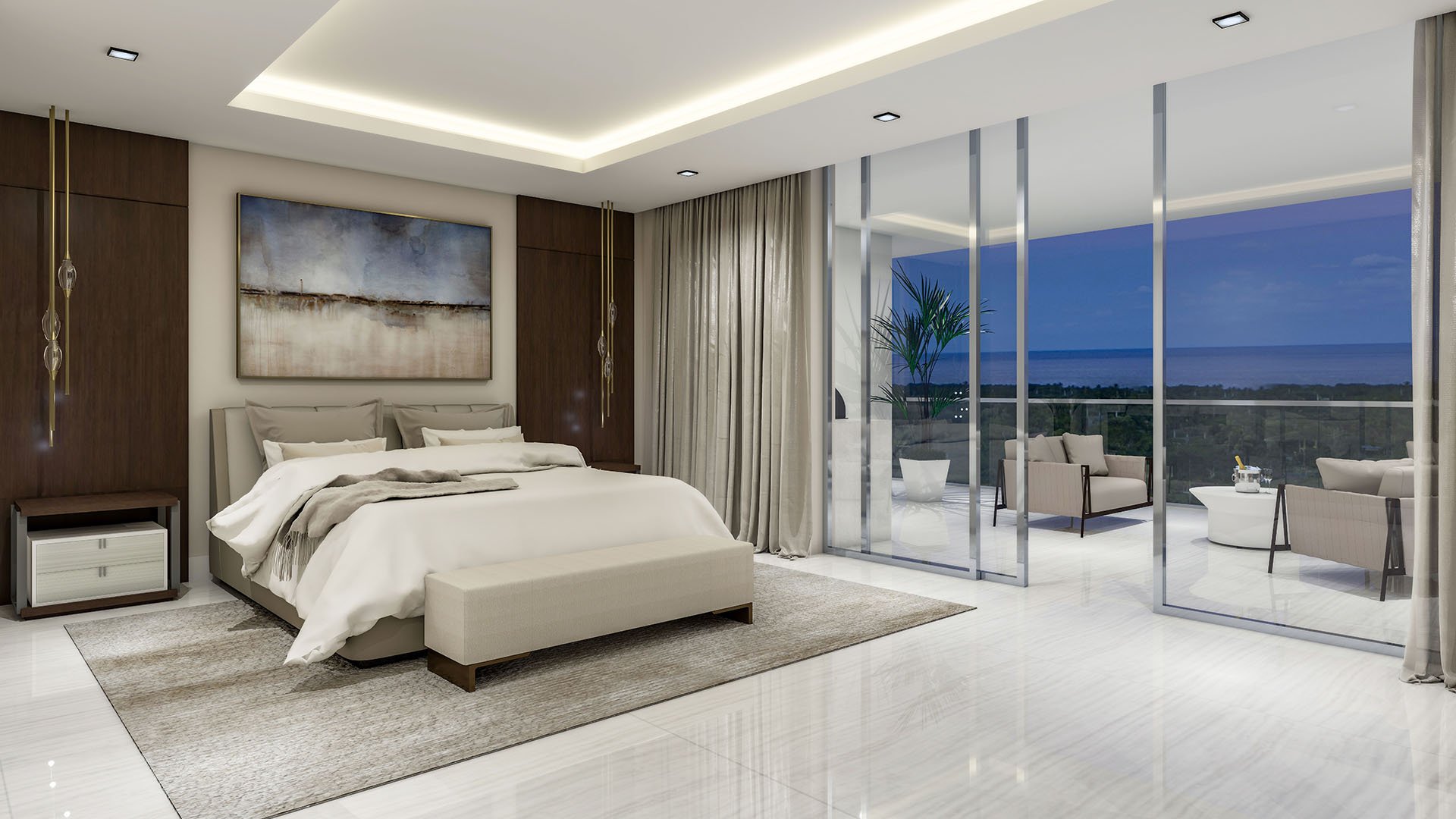
Red-light therapy has moved from spa menu to private wellness routine, and in Boca Raton’s luxury market, buyers increasingly consider where wellness technology will live before deciding where art will hang. The key word is where. A panel tucked into a primary suite, a recovery corner near a gym, or a dedicated treatment room can feel effortless after move-in, but only if placement is addressed before closing.
The pre-closing period is when a buyer still has leverage, access, and a clear line of sight. It is the right moment to ask whether a preferred location has adequate electrical support, sufficient clearance, comfortable ventilation, and the privacy the owner expects. It is also the moment to understand whether a condominium association, homeowner association, builder, or design review process has rules governing alterations, visible equipment, cabling, wall mounting, or exterior-adjacent use.
For a Boca Raton buyer, this is not about overcomplicating a wellness purchase. It is about protecting the calm. The most elegant wellness spaces feel inevitable. They do not look retrofitted, visually noisy, or improvised after closing.
Before choosing a wall, decide how the therapy will actually be used. A full-body standing panel calls for different room geometry than a small tabletop unit. A seated recovery arrangement may require a quiet chair, side table, mirror placement, and a discreet outlet strategy. A larger setup may need a dedicated zone where movement, distance, and repeated use will not interfere with daily living.
Buyers should also be realistic about routine. If the device is intended for frequent use, it should not be hidden so thoroughly that it becomes a chore. If it will be part of a post-workout ritual, adjacency to a gym, bath, sauna, steam shower, or dressing area may matter. If the priority is privacy, the primary suite or a secondary wellness room may outperform a glassy common space.
In Boca Raton searches, buyers may encounter new-construction residences, renovated condominiums, estate homes, and single-family homes with very different levels of flexibility. A device that is simple in a detached home can become a more delicate question in a condominium, especially when mounting, shared walls, or visible changes are involved.
Red-light therapy equipment should be planned like a serious appliance, not a decorative lamp. Before closing, buyers should ask the right professionals to review the intended location. The questions are straightforward: Is there a convenient outlet? Is the circuit suitable? Will cords be visible? Is a dedicated line recommended? Is there enough clearance around the device for safe, comfortable use?
Heat management matters as well. Even when a device is designed for home use, placement should allow airflow and should not crowd draperies, upholstered walls, built-ins, or delicate finishes. Buyers planning a millwork-integrated wellness wall should be especially careful. Cabinetry can hide technology beautifully, but it can also restrict ventilation if designed without the equipment specifications in mind.
A pre-closing walkthrough is the ideal time to take measurements. Confirm ceiling height, wall width, outlet position, door swing, mirror reflection, window exposure, and furniture circulation. A red-light placement that looks generous on a floor plan may feel awkward once a chaise, mat, stool, or storage piece is added.
The most refined plan is one that survives the governing documents. Buyers should review rules before assuming they can wall-mount equipment, open walls, alter wiring, place wellness devices on a balcony, or use a terrace as an extension of the treatment area. Outdoor or semi-outdoor placement can raise issues involving visibility, weather exposure, electrical safety, and neighbor impact.
In a condominium, anything involving walls, ceilings, floors, electrical work, or contractor access may require written approvals. Even when a device itself is portable, installation choices can change the answer. A freestanding panel in a private room is a different proposition than a mounted array with concealed wiring.
For buyers considering a pool-adjacent recovery routine, the same caution applies. The atmosphere may be appealing, but humidity, splashing, glare, storage, and association rules can make placement less practical than it appears. A disciplined buyer separates lifestyle imagery from operational reality.
In Boca Raton, wellness technology should complement the residence rather than compete with it. The best placement often borrows from gallery logic: clean sightlines, controlled lighting, quiet storage, and an intentional relationship to the architecture. If the device will be visible, the surrounding finishes matter. Matte wall treatments, concealed cable paths, and tailored cabinetry can make the setup feel designed rather than added.
Privacy is equally important. A treatment area should not be casually exposed from an entry sequence, service corridor, or heavily trafficked family room unless the owner specifically wants it that way. Buyers should consider window coverings, door hardware, acoustic separation, and whether the equipment’s glow will be visible from outside or from neighboring residences.
Design teams should receive equipment dimensions early. If the residence is still under construction or undergoing post-closing customization, the red-light plan can be coordinated with lighting controls, mirrors, millwork, flooring protection, and seating. The earlier the conversation begins, the easier it is to make the wellness zone feel native to the home.
Even deeply personal wellness spaces should be planned with flexibility. A future buyer may value the room as a gym, office, massage room, dressing lounge, nursery, or studio. For that reason, permanent alterations should be thoughtful, reversible where possible, and consistent with the residence’s overall design language.
A dedicated wellness room can be compelling, but over-specialization can narrow the next owner’s imagination. Built-ins should have a purpose beyond one device. Electrical upgrades should be cleanly documented. Wall repairs, if needed, should be simple. The most durable plan allows the owner to enjoy red-light therapy now without making the room difficult to reinterpret later.
This is especially important before closing because buyers can ask targeted questions and request documentation. If any work has already been completed by a seller, the buyer should understand who performed it, whether approvals were required, and whether the installation can remain safely and legally after transfer.
Begin with the intended routine. Decide whether the device belongs in the primary suite, gym, bath area, office, or dedicated wellness room. Then confirm dimensions, outlet location, circuit considerations, heat clearance, ventilation, and furniture circulation.
Next, review the residence’s rules. Ask whether wall mounting, concealed wiring, contractor access, exterior visibility, or use near a balcony, terrace, or pool triggers any approval process. If the answer is unclear, request clarification in writing before closing.
Finally, bring the designer and electrician into the conversation early. A red-light therapy placement that coordinates with millwork, lighting, mirrors, and storage will almost always look more refined than a device placed after every other decision has been made. In a market where wellness is part of the language of luxury, the most successful installations are quiet, precise, and planned.
Should Boca Raton buyers decide on red-light therapy placement before closing? Yes. The pre-closing period is the best time to confirm electrical, design, and approval questions before the residence is fully transferred.
Is a primary suite a good place for red-light therapy? It can be, especially for privacy and routine. Buyers should still confirm outlet location, clearance, heat considerations, and how the equipment affects the room’s calm.
Can red-light therapy equipment be placed on a balcony? Do not assume so. Outdoor or semi-outdoor placement can raise questions involving visibility, weather, electrical safety, and building rules.
What professionals should review placement before closing? A qualified electrician, designer, and when applicable, the association or builder representative should review the intended location.
Does a freestanding device need approval? Sometimes no, but the answer can change if wiring, mounting, contractor work, or visible placement is involved. Written confirmation is prudent.
Why does ventilation matter for red-light therapy placement? Equipment should have adequate airflow and should not be crowded by cabinetry, fabric, drapery, or delicate finishes.
Should buyers build a dedicated wellness room? A dedicated room can be elegant if it remains flexible. Avoid permanent choices that make the space difficult to use for other purposes later.
Can red-light therapy be integrated into millwork? Yes, but dimensions, ventilation, access, and wiring should be designed around the specific equipment rather than guessed after installation.
What should be documented before closing? Buyers should document approvals, electrical recommendations, contractor requirements, and any existing installation details that may affect ownership.
What is the biggest mistake buyers make? Treating placement as a move-in detail. In luxury residences, wellness technology works best when it is planned with the architecture.
If you'd like a private walkthrough and a curated shortlist, connect with MILLION.
If branded residences are on your mind — as a home or as an allocation — we would be glad to share what we are seeing, privately.
Begin a quiet conversation