A discreet buyer framework for evaluating restaurant-noise exposure at Mr. C Residences Boca Raton, with practical checks for bedrooms, studies, terraces, documents, and unit selection.
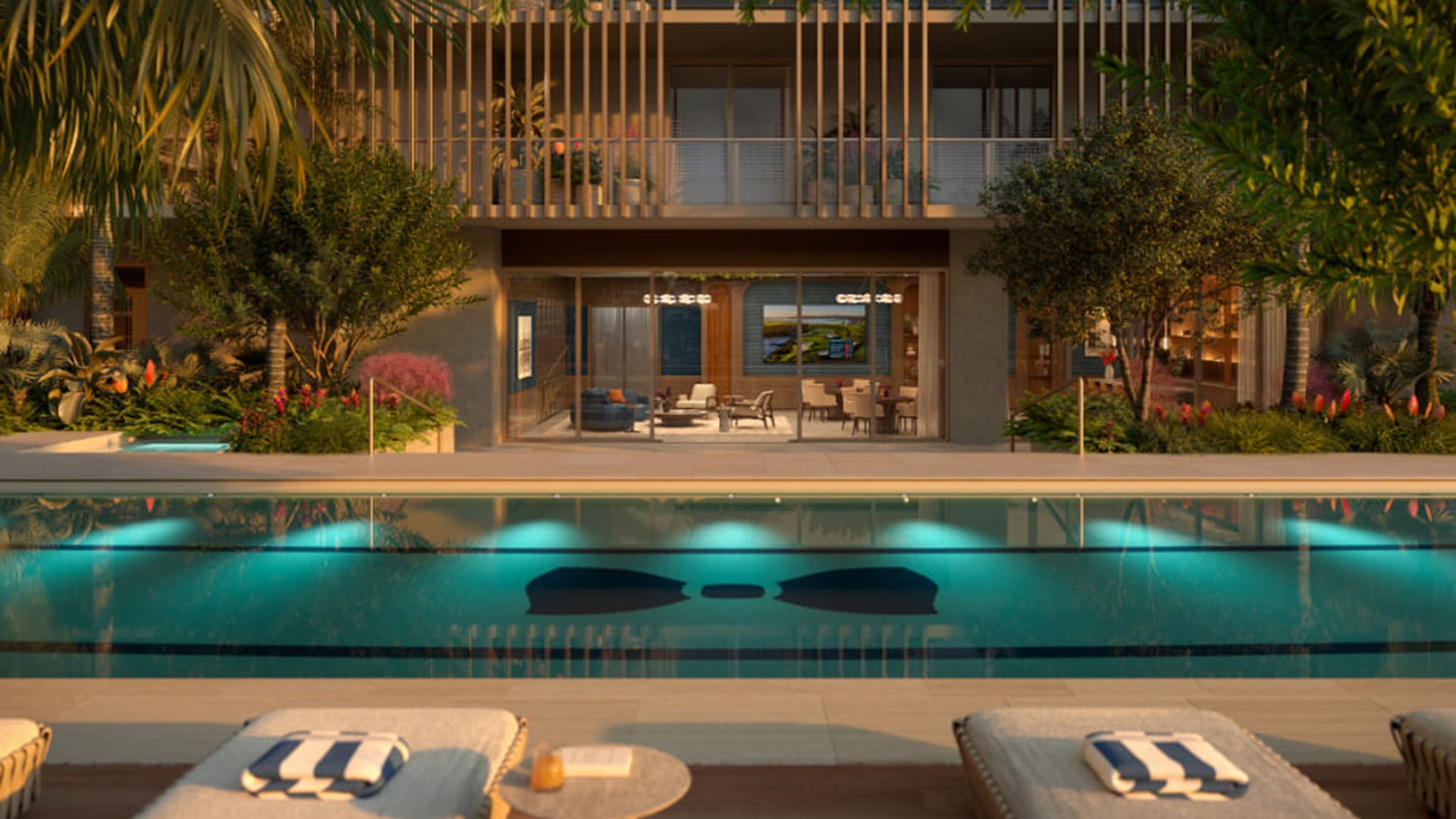
At Mr. C Residences Boca Raton, the most sophisticated buyer question is not simply whether the lifestyle feels polished. It is whether the hospitality layer can coexist with the private quiet expected in a luxury residence. Restaurant energy, lounge activity, pool ambiance, resort programming, and service movement can all be part of a branded residential experience. They can also become material variables in how a home lives after closing.
That distinction matters in 2026. Restaurant-noise exposure should be treated as a due-diligence issue, not a minor preference to address after the contract is signed. For a Boca Raton buyer comparing branded residences, the right test turns an emotional impression into a repeatable review: where the unit sits, when the sound occurs, which rooms are affected, and what documents govern future operations.
The goal is not to presume a problem. It is to verify fit. A residence can be beautifully designed and well located while still requiring careful acoustic review if it is near dining, lounge, amenity deck, pool, loading, service, or outdoor gathering areas.
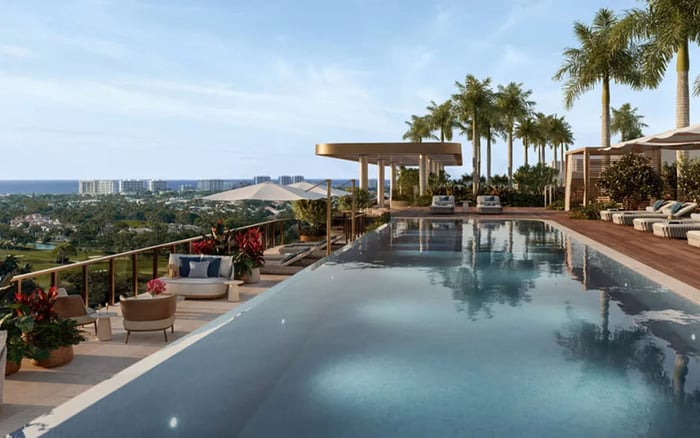
Before visiting, a buyer should identify the relationship between the preferred residence and the building’s active hospitality zones. The key question is not only distance. It is line of sight, elevation, exposure direction, corner orientation, setback, and whether sound can travel upward or across open space.
A low residence near an amenity level may hear a different profile than a higher residence with more separation. A corner home may receive sound from two directions. A unit shielded from the main activity area may still be affected by service circulation or late-evening gathering points. For new-construction buyers, these variables should be reviewed before a floor, view, or finish palette becomes the deciding factor.
Review the unit’s position relative to restaurants, lounges, outdoor seating, pool areas, event spaces, and service zones. If final operational details are still evolving, the answer should be treated as provisional and verified again through governing documents and closing materials.
A quiet mid-morning tour does not answer the restaurant-noise question. The meaningful review happens when food-and-beverage activity is most likely to be present: dinner hours, late evening, weekends, and event periods. If possible, repeat the visit at more than one time.
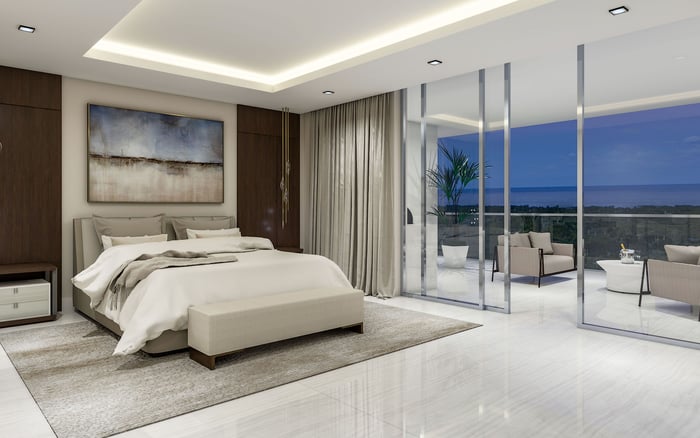
The buyer test should focus on the rooms where quiet carries the highest value. Bedrooms come first, because sleep quality is non-negotiable. Home offices and studies follow, because luxury buyers increasingly need uninterrupted concentration. Private outdoor space is equally important, because a terrace that is technically usable but acoustically compromised changes the value of the residence.
During each visit, stand in silence for several minutes. Then speak at a normal volume. Note whether background music, voices, kitchen activity, furniture movement, service traffic, or crowd noise changes the way the room feels. A phone decibel app is not a substitute for a professional acoustic assessment, but it can help create a consistent comparison between units and visit times.
Interior comfort can be misleading if it depends entirely on closed glass. High-performance doors may make the living room feel calm while the outdoor space remains exposed to sound. That is why the test must be performed both inside and outside.
Terrace usability should be judged as a separate amenity. Sit where dining furniture would go. Stand at the railing. Listen near the primary bedroom access point, if applicable. If a buyer expects morning coffee, evening dining, or private entertaining outdoors, the terrace should be evaluated during the same periods when restaurants and lounges are likely to be active.
Balcony doors deserve their own check. Open them, close them, and listen for the difference. Ask about glazing, façade assemblies, door systems, seals, and mechanical ventilation. The essential question is practical: must windows and doors remain closed for the residence to feel calm? If the answer is yes, the buyer should decide whether that is acceptable for the way the home will be used.
The most important noise answers may sit in the documents rather than the sales conversation. Buyers should request condominium, association, or developer materials that address restaurant operations, amenity hours, event rules, music limits, outdoor gathering policies, and complaint procedures.
In a pre-construction context, some final operating details may not be fixed. That does not make the review less important. It means the buyer should ask which rules are already established, which are subject to change, and who will have authority after turnover. A polished hospitality experience depends on governance as much as design.
The document review should also include the path for resolving future concerns. Who receives a complaint? What standards apply? Are events treated differently from daily operations? Are there quiet hours for outdoor areas? These are not adversarial questions. They are the normal questions of a serious purchaser evaluating long-term livability.
Restaurant-noise exposure should lead to a decision, not merely an opinion. If the preferred unit tests well, the buyer gains confidence. If the terrace is vulnerable but the bedrooms remain quiet, the buyer may decide the tradeoff is acceptable. If the study or primary suite is affected during peak activity, the buyer may want a different elevation, exposure, or stack.
The findings can also shape offer price, contingency language, and closing expectations. A buyer may request additional documentation before moving forward. A real-estate attorney may want specific language tied to rules and representations. An acoustic consultant may be appropriate for a highly sensitive buyer, especially where outdoor space or work-from-home use is central to the purchase.
The most refined approach is calm, specific, and evidence-based. Branded residential life can be compelling precisely because it combines service, design, dining, and social energy. The buyer’s task is to confirm that the private residence remains private where it matters most.
Is restaurant noise a reason to avoid Mr. C Residences Boca Raton? Not by itself. It is a reason to perform disciplined due diligence before choosing a unit or finalizing terms.
Which rooms should be tested first? Bedrooms, home offices or studies, and private terraces should receive the closest review because they carry the highest comfort expectations.
When should a buyer visit for an acoustic check? Visit during likely peak food-and-beverage periods, including dinner hours, late evening, weekends, and event windows when possible.
Can closed glass solve the issue? It may improve interior comfort, but it does not necessarily protect terrace usability. Test both conditions.
Why does elevation matter? Sound can change materially by height, setback, exposure direction, corner orientation, and proximity to amenity levels.
What should buyers ask about building systems? Ask about glazing, balcony doors, façade assemblies, mechanical ventilation, and whether closed windows are required for comfort.
Which documents are relevant? Request materials addressing restaurant operations, amenity hours, event rules, music limits, and complaint procedures.
Should an acoustic consultant be involved? For sensitive buyers or high-value decisions, a specialist review can be a prudent addition to broker and attorney guidance.
Can final operating details change? Yes. Buyers should verify current and future rules through applicable documents and closing materials.
What is the best way to shortlist comparable options for touring? Start with location fit, delivery status, and daily lifestyle priorities, then compare stacks and elevations to validate views and privacy.
To compare the best-fit options with clarity, connect with MILLION.
If branded residences are on your mind — as a home or as an allocation — we would be glad to share what we are seeing, privately.
Begin a quiet conversation