For affluent buyers seeking a more walkable life in West Palm Beach, the real choice is not simply view versus value. It is whether daily convenience matters more than waterfront theater. In most cases, neighborhood-core downtown delivers the stronger car-light routine, while the waterfront remains the more scenic and status-oriented address.
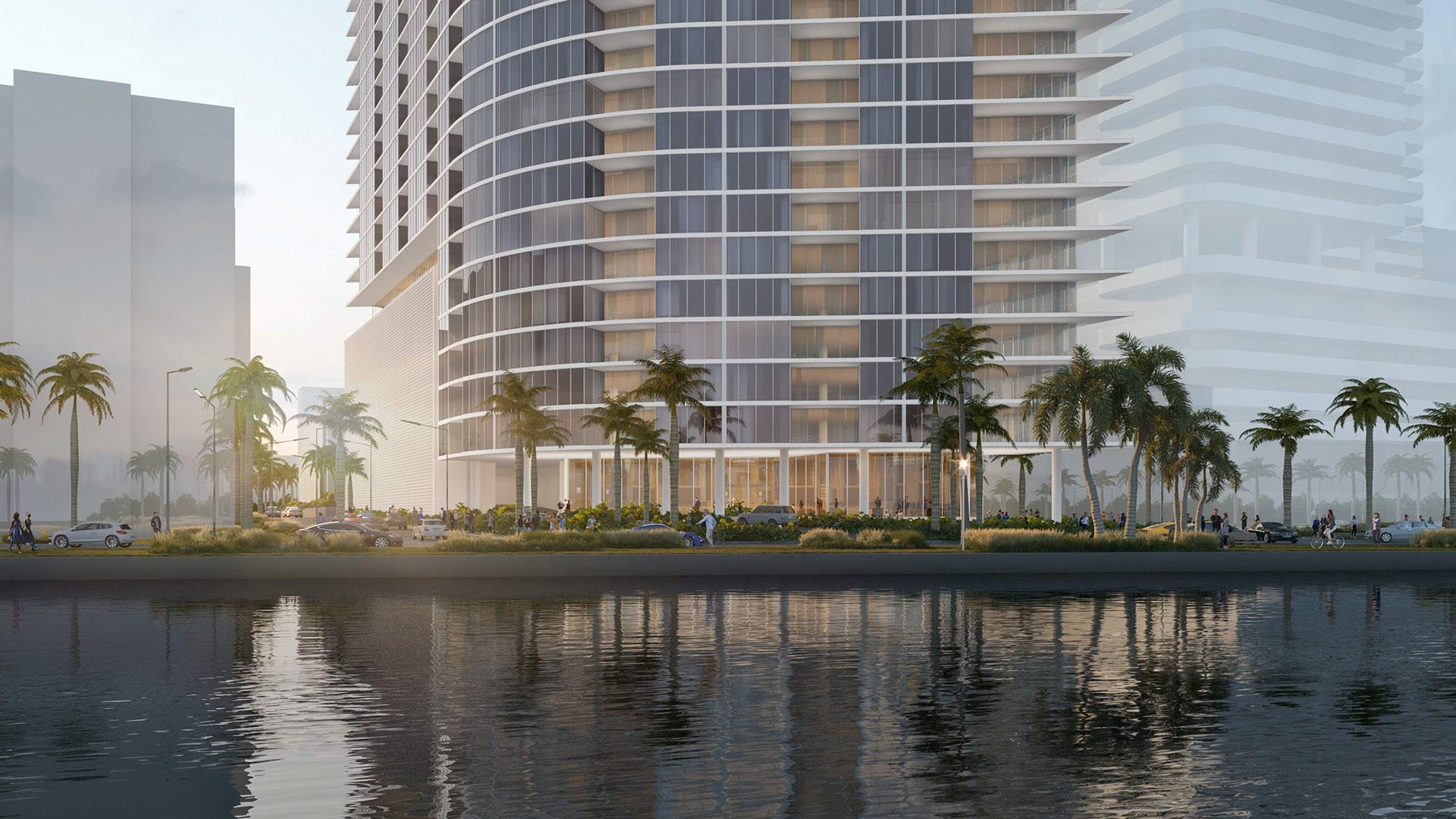
For buyers considering a refined, lower-friction lifestyle in West Palm Beach, the choice between waterfront and neighborhood-core living is ultimately a question of rhythm. One offers visual drama, open sky, and the daily pleasure of living close to the Intracoastal. The other offers a more functional urban pattern, where restaurants, shops, cultural venues, and routine errands are distributed across a broader downtown grid rather than concentrated along a single edge.
In the local luxury conversation, that distinction matters. Waterfront addresses in West Palm Beach carry scarcity, prestige, and enduring emotional appeal. Yet for owners whose primary goal is to leave the car behind, neighborhood-core living tends to work better in practice. It is the difference between a place that feels beautiful to stroll and one that makes daily movement easier.
That is why there is no universal answer. It depends on whether an owner is buying for leisure, status, and long-term appeal, or for practical walkability that can support daily life with minimal driving in West Palm Beach.
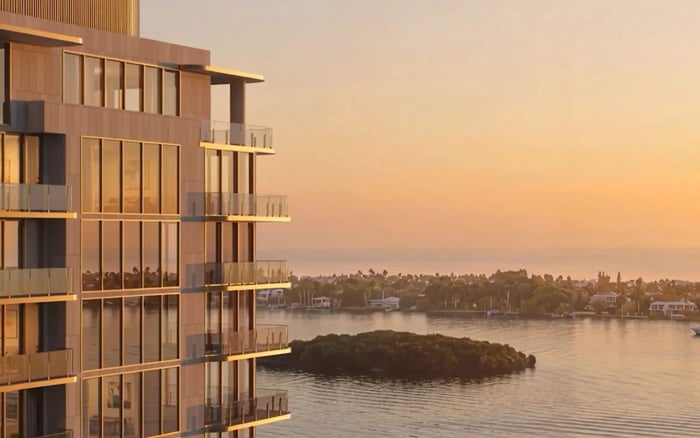
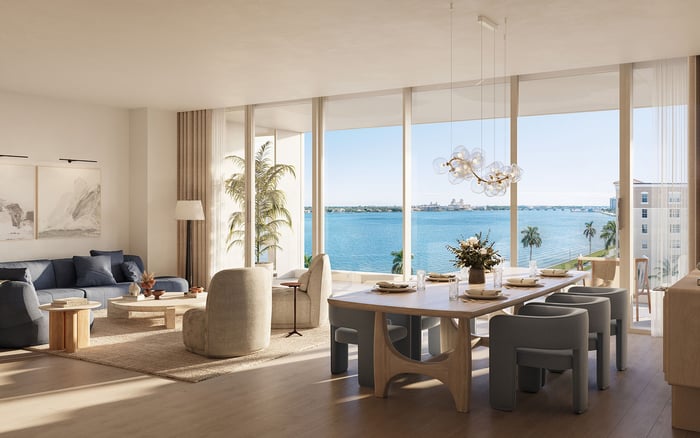
The waterfront holds an advantage inland blocks cannot replicate: direct access to the promenade, parks, and uninterrupted water views. For many buyers, that alone justifies the premium. Morning walks feel more cinematic. Evening entertaining gains a more dramatic backdrop. The address itself carries a social signal that inland downtown residences, however convenient, may not fully match.
This is also where constrained supply matters. There are simply fewer directly waterfront sites than inland parcels, and that scarcity helps sustain stronger pricing and a durable prestige premium. Owners comparing a waterfront residence with a non-waterfront downtown condominium are rarely making an apples-to-apples comparison. They are paying for frontage, outlook, and the psychological value of being on the water.
That appeal is visible in projects such as Alba West Palm Beach, Forté on Flagler West Palm Beach, and Shorecrest Flagler Drive West Palm Beach, where the draw is inseparable from the relationship to the water itself. For a buyer who sees home as a retreat first and a transportation base second, the waterfront often wins immediately.
For all the romance of the waterfront, neighborhood-core downtown is generally the stronger option for owners who want to move through daily life on foot. The reason is simple: practicality. Downtown West Palm Beach is organized around a walkable core anchored by Clematis Street, The Square, the waterfront, and nearby districts. Within that compact environment, dining, retail, culture, and services are spread across multiple blocks, creating more usable day-to-day walkability.
That broader street network matters more than many buyers initially assume. A waterfront address may place you beside the promenade, but the neighborhood core often puts you closer to the full mix of places people actually use repeatedly: coffee, dinner, social stops, personal services, and entertainment. The most functional car-light addresses are those within easy reach of both the Clematis and Rosemary corridor and transit connections for broader regional movement.
This is the setting where mixed-use development has reinforced downtown as a true residential base rather than simply a destination. In that context, properties like Mr. C Residences West Palm Beach and The Ritz-Carlton Residences® West Palm Beach fit naturally into the broader downtown conversation, where convenience is measured not only in finish and service, but in how little planning an ordinary day requires.
A buyer who wants to leave the car behind is not only thinking about the walk downstairs. Regional mobility matters as well. West Palm Beach benefits from rail service connecting riders to Miami, Fort Lauderdale, and other points across South Florida, making certain regional trips possible without driving. For owners who travel frequently for meetings, dining, or cultural plans, that access materially improves the feasibility of a car-light life.
Local transit also plays a role, though it is better viewed as support rather than the main event. Bus service can extend reach, but it is still less seamless than living in the most walkable downtown blocks. In practice, the strongest setup is a residence that allows walking for most everyday needs, rail for selected regional trips, and occasional use of bikes, rideshare, or delivery to fill the remaining gaps.
Cycling and micromobility help bridge the distance between the waterfront and inland neighborhoods, making the city feel more continuous than a map might suggest. Still, if the goal is to reduce reliance on a vehicle as much as possible, being in the denser downtown core remains the more reliable formula.
Luxury buyers often frame the decision as waterfront versus non-waterfront, but that is too narrow. The more precise question is whether one is paying for lifestyle theater or daily efficiency. Waterfront homes generally command higher asking prices than comparable non-waterfront residences downtown, while inland condos and townhomes can offer a lower entry point without giving up access to restaurants, culture, and transit.
That does not make the core a compromise. In many cases, it is simply a different expression of luxury. It favors time, ease, and spontaneity over spectacle. An owner who can step out for dinner, cross downtown for a meeting, or head toward rail connections without thinking about parking may find that convenience feels more valuable than another layer of visual grandeur.
For some buyers, nearby districts with distinct character can also enter the conversation. Areas such as Grandview Heights and adjacent arts-oriented pockets may offer a more local texture and stronger relative value than prime waterfront addresses, although they are not as transit-rich or as comprehensively walkable as the core itself. That makes them better suited to selective car-light living than fully car-free living.
If your priority is scenery, social cachet, and leisure-oriented walking, the waterfront remains the more seductive choice. It delivers a polished sense of place that is difficult to rival, especially for second-home owners or buyers who view the residence as a statement as much as a base.
If your priority is actually leaving the car behind, neighborhood-core downtown is usually the smarter buy. It offers stronger day-to-day access to the places and routines that define urban living. It also aligns more closely with the way most owners use a city when they are not on holiday: short walks, spontaneous dinners, regular errands, cultural stops, and simple regional connections.
The most sophisticated buyers understand that these are not competing versions of the same product. They are different expressions of luxury. Waterfront is about atmosphere. The core is about function. In West Palm Beach, the owner who wants both should look for a residence close enough to enjoy the water, yet integrated enough into downtown to make driving feel optional rather than inevitable.
Seasonality deserves one final note. Downtown tends to feel livelier in winter, when both the waterfront and the core show their best urban face. During quieter periods, the value of the neighborhood core can become even more apparent, because practical proximity often outlasts seasonal energy.
Is waterfront living the best option for walking in West Palm Beach? It is strongest for scenic walking and access to the promenade, but not always for practical daily errands.
Which area is better for truly living without a car? Neighborhood-core downtown is usually better because everyday destinations are spread across more walkable blocks.
Does Downtown West Palm Beach support a car-light lifestyle? Yes. Its concentration of dining, shopping, culture, and services makes it the city's most workable setting for reduced car use.
Is transit meaningful for luxury owners in West Palm Beach? Yes. Rail access can make some regional trips across South Florida more manageable without driving.
Are waterfront homes generally more expensive? In many cases, yes. Limited supply and direct water frontage typically support a premium.
Do inland downtown residences feel less luxurious? Not necessarily. Many owners value ease, spontaneity, and time savings as core parts of luxury.
Can owners rely on buses for everyday car-free living? They can help, but the strongest approach is still to live in the most walkable downtown blocks and use transit as support.
What about Grandview Heights and nearby arts-oriented areas? They can offer character and relative value, though they are generally less transit-rich than the downtown core.
Should second-home buyers weigh the decision differently? Often, yes. Buyers focused on leisure and a statement address may prefer the waterfront more than full-time residents seeking convenience.
What is the best overall choice for an owner who wants to leave the car behind? For most buyers, the neighborhood core is the more practical fit, while the waterfront remains the more scenic and status-oriented option.
If you'd like a private walkthrough and a curated shortlist, connect with MILLION.
If branded residences are on your mind — as a home or as an allocation — we would be glad to share what we are seeing, privately.
Begin a quiet conversation