A discreet buyer’s guide to Bal Harbour for purchasers who divide their South Florida life between Miami and Palm Beach, with emphasis on lifestyle fit, lock-and-leave ownership, service, privacy, and long-term positioning.

For a buyer who divides the year between Miami and Palm Beach, Bal Harbour is less a compromise than a calibration. It offers a quieter residential base within the Miami orbit, while remaining aligned with the privacy, polish, and coastal rhythm that many Palm Beach buyers already understand. The appeal is not excess. It is restraint, service, arrival, and the ability to move through South Florida without feeling overexposed.
This buyer’s guide is for purchasers who are not simply buying square footage. They are buying a pattern of use. Some will spend weekdays in Miami and long weekends in Palm Beach. Others will maintain a principal residence in Palm Beach and want a Miami-area pied-à-terre that feels residential rather than transient. In both cases, Bal Harbour should be evaluated through the lens of convenience, discretion, and how often the home will be occupied.
The strongest Bal Harbour purchase is usually the one that makes absence easy. When a residence can sit beautifully between visits, accept guests without friction, and support a quick change of plan, it becomes more than a second address. It becomes part of a controlled South Florida life.
The first question is not whether the buyer prefers ocean, bay, or skyline. It is how the week actually works. A buyer splitting time between Miami and Palm Beach should map the practical rituals: arrival days, dinner patterns, airport use, family visits, staff access, entertaining, beach time, and whether the residence needs to function as a calm retreat after Miami obligations.
If Bal Harbour will be used for short stays, the building’s service layer matters as much as the floor plan. A residence that feels effortless on Thursday evening and equally simple to close on Sunday becomes valuable in daily life. If the home will be occupied for longer stretches, the buyer should pay closer attention to storage, back-of-house practicality, terrace usability, and whether the rooms support a true residential rhythm rather than a hotel-like weekend experience.
Second-home ownership is often misunderstood as a lighter version of primary ownership. In practice, it requires more precision. The less time an owner spends in residence, the more important the building team, access protocols, maintenance culture, and security posture become. The right building quietly reduces the owner’s decisions.
Bal Harbour buyers tend to respond to buildings that understand arrival. The porte cochere, lobby sequence, elevator privacy, valet experience, and transition from public to private space all shape the ownership experience. These details are not decorative. They determine whether a residence feels serene when a buyer is moving between Miami obligations and Palm Beach commitments.
Waterfront positioning remains central because it creates the sense of removal that Bal Harbour buyers often seek. Waterfront value, however, is not only about a view. It is about light, sound, privacy, and the way the residence holds its calm throughout the day. A dramatic outlook can be memorable, but an intelligent floor plan with balanced exposure may live better over time.
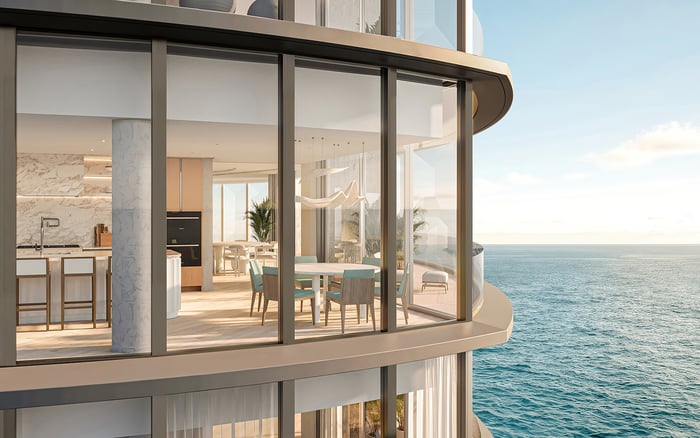
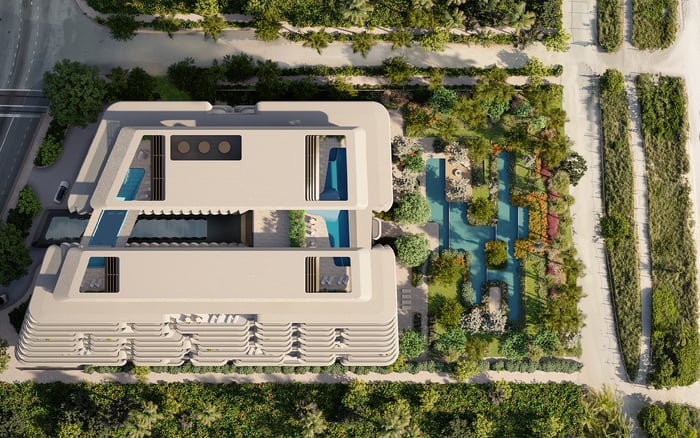
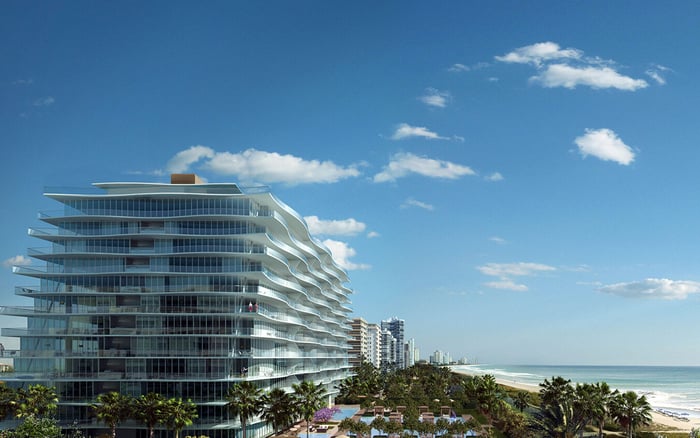
For buyers focused directly on Bal Harbour, Rivage Bal Harbour belongs in the conversation as a reference point for new luxury interest in the area. Buyers comparing established oceanfront ownership may also look at Oceana Bal Harbour when considering how scale, address, and building identity shape long-term appeal.
The best advice is to tour slowly. Spend time in the arrival sequence. Ask how packages, guests, service providers, drivers, and maintenance requests are handled. Observe whether the building feels calm at the hours you are most likely to use it. A residence may photograph beautifully, but split-time buyers should buy the operating experience.
A Bal Harbour search often widens naturally. Surfside appeals to buyers who want a similarly composed coastal setting with a slightly different residential texture. The Delmore Surfside is a relevant comparison for buyers who want to remain close to Bal Harbour while testing a different expression of beachfront living.
Bay Harbor Islands can suit buyers who want a more sheltered, neighborhood-oriented feel while staying near the Bal Harbour lifestyle. For some, the appeal is a lower-key residential pattern. The Well Bay Harbor Islands may enter the discussion for those who value wellness-minded living and a more intimate island context.
Miami Beach remains part of the broader decision because many buyers splitting time between Miami and Palm Beach still want access to the cultural, dining, and social orbit of the beach. The key is deciding whether that energy should sit at the front door or remain close enough to enjoy selectively. Bal Harbour’s advantage is that it can keep Miami Beach within reach while preserving a more private daily tone.
Palm Beach itself should not be treated as the opposite pole. It is the benchmark for many buyers’ expectations around discretion, service, and architectural composure. A purchaser considering Palm Beach Residences may think differently about scale, formality, and usage than a buyer seeking a Miami-area lock-and-leave apartment. The most sophisticated clients compare not just addresses, but how each residence supports the way they host, rest, and move.
For split-time buyers, the checklist should begin with management and access. Who sees the residence when the owner is away? How are staff and vendors admitted? How is a guest handled if the owner is still en route from Palm Beach? What is the protocol for deliveries, repairs, housekeeping, and longer absences?
Next comes the plan of the residence. Favor layouts that separate owner and guest zones, allow luggage and beach gear to disappear, and provide enough storage for duplicate wardrobes and seasonal items. Terraces should be evaluated for actual use, not only size. A terrace that is comfortable at the right hours may matter more than one that merely expands the marketing number.
Parking and arrival are also part of the luxury equation. A buyer who is frequently moving between homes needs predictable logistics. The same applies to pets, visiting family, private chefs, security consultants, and household staff. A building that treats these movements gracefully will feel better after the first year than one that relies only on visual drama.
Even when the purchase is lifestyle-led, resale discipline should remain present. The most durable residences tend to have a clear reason to exist: a strong view, a coherent floor plan, a respected address, a distinctive level of service, or a scarcity of comparable alternatives. Buyers should be wary of choosing a residence solely because it solves a short-term schedule.
Bal Harbour works best when the home feels relevant to multiple future audiences: the Miami-based buyer seeking calm, the Palm Beach owner wanting a Miami foothold, the international buyer seeking ease, and the family that values privacy without isolation. A unit that can speak to several of those profiles may be better positioned over time.
The purchase should feel beautiful, but also legible. When the next buyer understands the value immediately, the original buyer has likely chosen well.
Is Bal Harbour best for a buyer splitting time with Palm Beach? It can be an excellent fit for buyers who want a quieter Miami-area base with a refined residential tone. The decision should depend on lifestyle, service needs, and how often the residence will be used.
Should I choose Bal Harbour over Miami Beach? Choose Bal Harbour if privacy and composure matter more than being in the center of the action. Choose Miami Beach if cultural energy and immediate nightlife access are central to daily use.
What matters most in a split-time residence? Service, access control, storage, parking, guest handling, and maintenance protocols are critical. The residence should feel easy to open, enjoy, and leave.
Is oceanfront always the best choice? Not always. Oceanfront can be compelling, but layout, privacy, exposure, and building operations can matter just as much.
Should Palm Beach owners buy in Bal Harbour or Surfside? Both can work, but Bal Harbour often appeals to buyers seeking a polished, discreet Miami-area base. Surfside may appeal to those comparing a closely related coastal lifestyle.
How should I evaluate amenities? Focus on amenities you will actually use during short stays. Quiet service, wellness spaces, beach access, and efficient arrival may outweigh rarely used features.
Is a larger residence better for this use case? Larger is not automatically better. The best size is the one that accommodates guests, storage, and daily rituals without creating unnecessary upkeep.
What should I ask before buying? Ask how the building manages absences, guests, vendors, packages, repairs, and staff access. These details shape the real ownership experience.
Can Bal Harbour work as a true primary residence? Yes, for buyers who prefer a calmer coastal setting within the Miami orbit. The right floor plan and building culture are essential.
How should I think about resale? Prioritize a residence with a clear identity, strong livability, and broad future appeal. Avoid choices that depend only on a temporary personal schedule.
For a discreet conversation and a curated building-by-building shortlist, connect with MILLION.
If branded residences are on your mind — as a home or as an allocation — we would be glad to share what we are seeing, privately.
Begin a quiet conversation