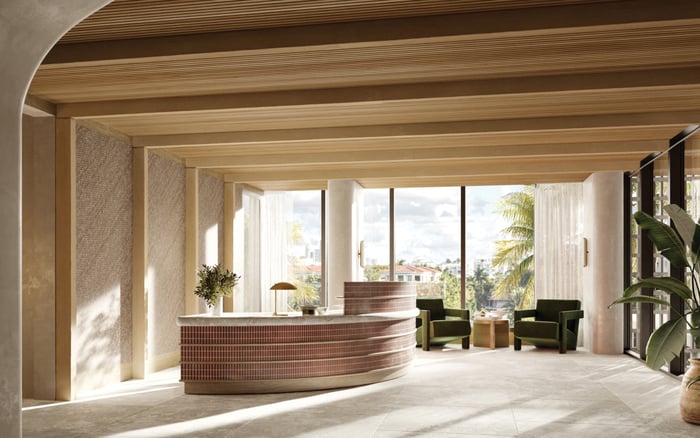
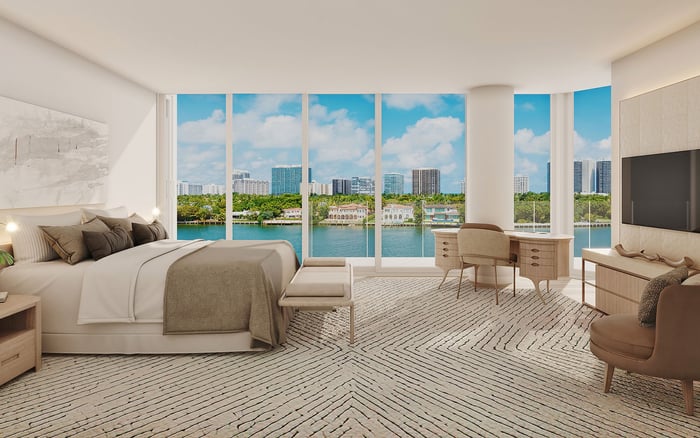
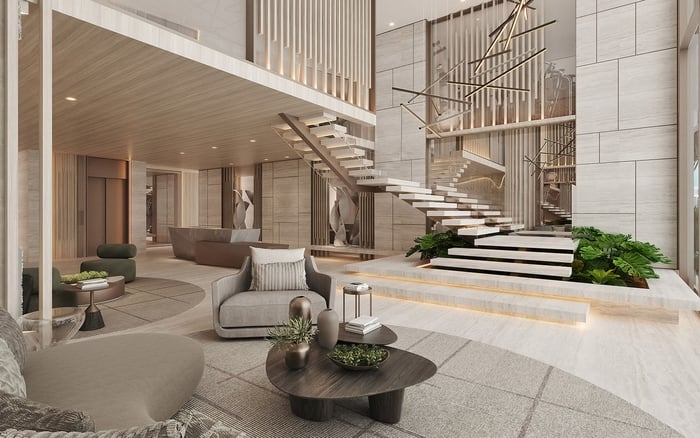
A buyer-oriented look at how wellness is reshaping luxury residential decisions in Bay Harbor Islands, with emphasis on fitness, spa, recovery, privacy, and daily ease.
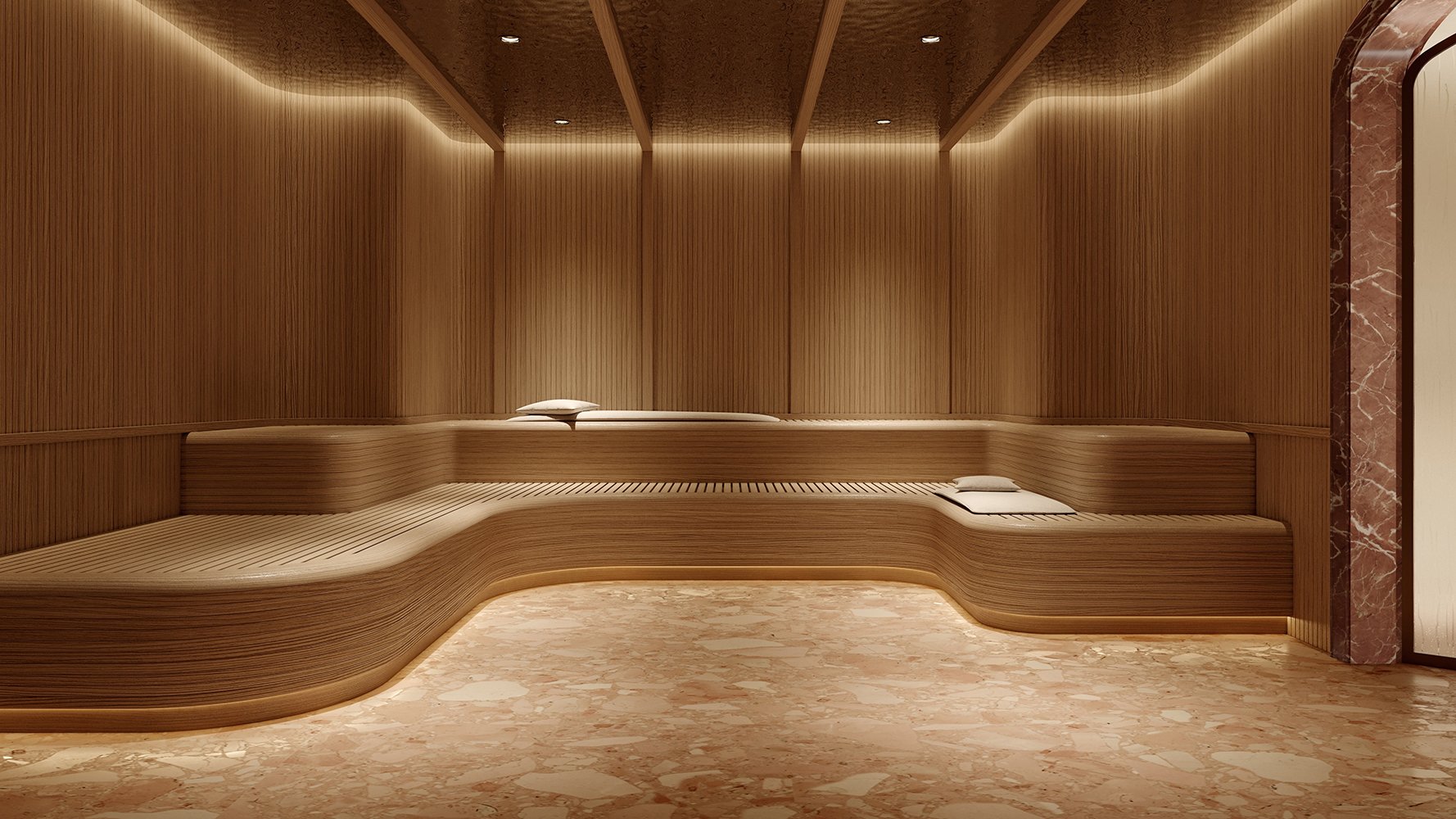
Wellness-focused living in Bay Harbor Islands is no longer defined by a single amenity. It is defined by the choreography of daily life. The most discerning buyers are not satisfied by a fitness room on a marketing plan. They want to understand how movement, recovery, spa rituals, water, privacy, and service work together from morning to evening, and whether the building can support a quieter, more intentional routine.
That distinction matters in a market where buyers often cross-shop boutique scale, waterfront sensibility, and close-to-everything convenience. A Bay Harbor residence must feel restful without feeling remote. It should allow an owner to train before a call, decompress after travel, host without sacrificing privacy, and move through shared spaces without the friction of a resort lobby.
The result is a sharper hierarchy of questions. Is the gym genuinely usable at peak hours? Is the spa designed for restoration rather than display? Does the pool support laps, lounging, and post-workout cooling? Are recovery spaces quiet, ventilated, and separated from social energy? These are not decorative preferences. They are functional standards for buyers who view wellness as part of asset quality.
A serious fitness program begins with layout. Buyers should look for a room that can accommodate strength training, cardio, stretching, and private instruction without forcing each activity into the same compressed zone. Ceiling height, natural light, mirror placement, acoustic treatment, and circulation all determine whether a gym feels like a daily destination or an afterthought.
Equipment variety matters, but density matters more. A smaller gym with clear zones, durable flooring, and sufficient space around each station can outperform a larger room that feels crowded. Owners who train consistently should ask how storage is handled, whether functional training has been considered, and whether the building can support trainers entering for private sessions.
For buyers considering the boutique end of the market, Alana Bay Harbor Islands can be part of a broader conversation about scale and rhythm. The question is not simply which amenities exist, but whether the building’s size and residential tone match the owner’s preferred pace of use.
The strongest residential spa environments are built around sequence. A resident should be able to move from workout to shower, from heat to cool-down, and from treatment to quiet space without crossing high-traffic social areas. The design should encourage the body to slow down.
Buyers should focus on privacy, materials, humidity control, lighting temperature, and acoustic insulation. A treatment room near a busy corridor will not feel restorative, regardless of finishes. A relaxation area without proper separation from the pool deck may photograph well but function poorly. In luxury wellness real estate, the invisible details often determine the experience.
A project such as The Well Bay Harbor Islands brings wellness language into the foreground, which makes the buyer’s due diligence even more important. The name invites a higher level of scrutiny: how will recovery be delivered day to day, how private will the experience feel, and how seamlessly will it integrate with home life?
Recovery has become one of the clearest dividing lines between a standard amenity package and a true wellness residence. It includes sleep-supportive design, quiet arrival sequences, shaded outdoor areas, hydrotherapy, stretching space, and the ability to decompress without leaving the property.
For many South Florida owners, recovery also means managing heat, humidity, travel fatigue, and an active social calendar. A residence that supports hydration, calm transitions, fresh air, and low-stress circulation can feel more valuable than a building with a longer amenity list but less intentional design.
When touring Onda Bay Harbor or similar residential offerings, buyers should consider how the home itself contributes to recovery. A generous terrace, a serene primary suite, and a plan that separates entertaining from rest can be as meaningful as any shared facility.
Water is central to the South Florida wellness lifestyle, but not every pool environment serves the same purpose. Some buyers want lap potential, others want a quiet plunge after training, and others prioritize lounging, shade, and privacy. The right fit depends on how the owner actually lives.
A pool deck should be evaluated at different times of day when possible. Sun exposure, seating distribution, towel service, music policy, and sight lines all influence whether the area feels restorative or overly social. A beautiful deck can still fail a wellness buyer if it lacks shade, quiet corners, or a sense of retreat.
This is where Bay Harbor Islands can be especially compelling for buyers who prefer a calmer residential rhythm. A building such as Bay Harbor Towers may enter the conversation for those comparing how established residential character, water-oriented living, and wellness expectations can align.
Wellness is often discussed in terms of equipment and spa rooms, but privacy is just as important. A resident who must navigate crowded elevators, exposed corridors, or highly public amenity spaces may not experience the calm they expected. Discretion is a wellness feature.
Service also plays a role. The best buildings make healthy routines easier by reducing friction: efficient package handling, thoughtful arrival, clean shared facilities, responsive management, and spaces maintained to a consistently high standard. Wellness declines quickly when a building feels poorly operated.
For buyers studying newer Bay Harbor Islands residences, Origin Bay Harbor Islands can be considered within this broader framework. The inquiry should extend beyond finishes to include how the building supports routine, privacy, and ease over years of ownership.
A polished sales presentation can make every amenity feel serene. Buyers should tour with practical questions. Where is the fitness room located in relation to residences? Can it be used comfortably during early mornings? How is noise contained? Are lockers, showers, and restrooms designed for real use? Is there a recovery sequence after training?
For spa areas, ask how many residents are likely to use the space at once, how treatment access is managed, and whether guests can be accommodated without diluting privacy. For outdoor wellness areas, study shade, wind, seating depth, and transitions back to the residence.
Inside the unit, evaluate the wellness potential of the floor plan. The best homes provide calm bedrooms, intuitive storage, outdoor breathing room, and separation between entertaining and rest. A luxury residence should make healthy habits feel natural rather than scheduled.
Wellness-oriented buyers in Bay Harbor Islands often include primary residents seeking daily convenience, second-home owners who want a restorative base, and families balancing privacy with proximity to the broader Miami lifestyle. Their shared priority is control. They want to control their time, their environment, and the way home supports health.
This buyer is rarely impressed by amenity volume alone. They are more interested in whether the building feels composed. A quiet gym, a well-planned pool, a spa that respects silence, and a residence that encourages rest can outperform a more theatrical property. In this segment, restraint can be the ultimate luxury.
Why is wellness important in Bay Harbor Islands real estate? Wellness has become a practical measure of daily quality, especially for buyers who want fitness, recovery, privacy, and calm integrated into residential life.
What should buyers look for in a residential fitness center? Prioritize usable layout, natural light, acoustic control, equipment spacing, ventilation, and the ability to support private training.
Is a larger gym always better? No. A smaller, better-designed gym can be more valuable if it supports strength, cardio, stretching, and circulation without crowding.
What makes a residential spa feel truly luxurious? Separation from traffic, quiet rooms, refined materials, proper humidity control, and a logical treatment-to-recovery sequence are key.
How should buyers evaluate recovery amenities? Look beyond labels and consider whether spaces actually support cooling down, stretching, rest, sleep quality, and post-travel decompression.
Does the pool matter for wellness buyers? Yes. Pool design affects lap use, cooling rituals, lounging, shade, privacy, and the overall rhythm of outdoor living.
Are boutique buildings better for wellness living? Not always, but smaller buildings may offer a quieter rhythm if management, amenity planning, and resident flow are well handled.
How can privacy influence wellness? Discreet entries, calm corridors, controlled amenity access, and uncrowded shared spaces can make daily routines feel more restorative.
Should wellness influence resale thinking? Yes. Thoughtful wellness infrastructure can support long-term desirability when it is functional, well maintained, and aligned with buyer demand.
What is the best way to compare wellness-focused residences? Tour with a daily routine in mind, then judge each building by how naturally it supports movement, recovery, privacy, and rest.
If you'd like a private walkthrough and a curated shortlist, connect with MILLION.
If branded residences are on your mind — as a home or as an allocation — we would be glad to share what we are seeing, privately.
Begin a quiet conversation