A buyer-focused guide to evaluating pet ownership in North Bay Village luxury buildings, with emphasis on services, outdoor access, association rules, and resale considerations.

For many South Florida buyers, pets are no longer an afterthought in the residence search. They shape how a home functions each morning, how a building feels after sunset, and how an owner evaluates convenience, privacy, and service. In North Bay Village, where the residential experience is closely tied to Biscayne Bay, terraces, elevators, lobbies, waterfront promenades, and nearby streetscapes, pet ownership becomes a practical measure of how thoughtfully a building lives.
The central question is not simply whether a luxury condominium allows animals. A refined buyer should ask how a building accommodates them. Is there a clear entry route after a wet walk? Are service elevators required for pets? Is there a designated relief area, or must residents rely on nearby public space? Are rules written for one small dog, or for a household with two larger animals? These details influence daily comfort, staff interactions, and ultimately the long-term fit of a residence.
North Bay Village is especially interesting because its appeal is residential, waterfront, and compact. Buyers are drawn to its sense of separation from the denser pace of Miami Beach and the mainland, while remaining close to both. For pet owners, that geography can be graceful, but it also requires precision. A beautiful bay view does not replace a convenient dog walk, and a generous floor plan does not override association restrictions.
In an ultra-premium building, pet ownership should feel discreetly supported rather than merely tolerated. The best experience begins with building operations: clear lobby procedures, predictable elevator etiquette, responsive staff, and maintenance standards that keep shared areas immaculate. Even without relying on advertised pet amenities, buyers can evaluate a building’s culture by asking how management handles routine pet movement, deliveries for pet supplies, grooming appointments, and visitors who arrive with animals.
A dedicated pet spa, wash station, or grooming room can be appealing, but the feature itself matters less than its operation. Is it reservable? Is it maintained daily? Is it located to avoid conflicts with residents who do not own pets? A poorly managed amenity can become a nuisance. A modest but well-run service area can be far more valuable.
The same principle applies to staffing. Concierge teams in luxury buildings often become part of the rhythm of pet ownership, especially for owners who travel or maintain multiple homes. Buyers should understand whether dog walkers, pet sitters, trainers, and groomers are permitted under the building’s access rules. A building may be pet-friendly in ownership policy while remaining highly controlled in vendor access, which can affect convenience for seasonal residents.
When comparing North Bay Village options such as Continuum Club & Residences North Bay Village, buyers should treat pet logistics as part of the same diligence applied to views, finishes, parking, and association governance. A refined residence works because small frictions are resolved before they become daily irritations.
Green space is not a decorative detail for pet owners. It is infrastructure. A dog park may sound simple, but the real question is whether the building and its surroundings support a consistent routine in every season. South Florida’s climate rewards shaded paths, quick access to relief areas, surfaces that remain manageable after rain, and walk routes that feel comfortable early in the morning and later in the evening.
North Bay Village’s waterfront character can be a significant lifestyle advantage, but each address must be evaluated individually. Pet owners should walk the area at the times they expect to use it. Morning light, traffic movement, sidewalk width, nearby landscaping, lighting, and the location of waste stations can change the practical value of a residence. A buyer with a small older dog may prioritize elevator proximity and a short relief route. A buyer with an active breed may care more about longer loops and nearby open areas.
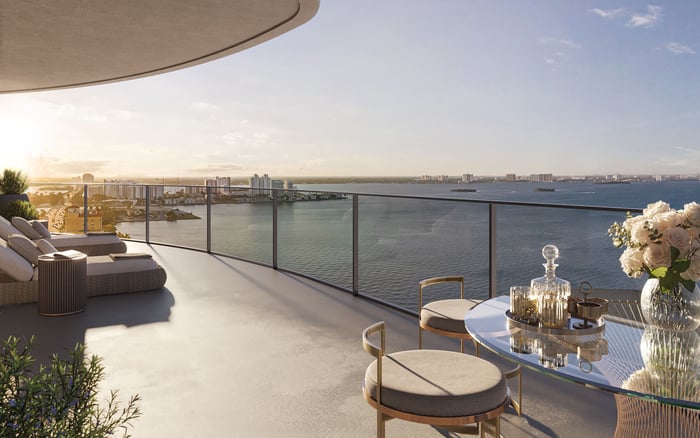
Terraces also deserve careful thought. They can be beautiful extensions of the home, but they are not a substitute for proper outdoor access. Buyers should confirm whether balcony pet use is restricted, whether protective modifications are permitted, and how the association governs anything visible from the exterior. In high-design buildings, even small changes can require approval.
This is where the North Bay Village search becomes highly personal. A residence can be visually spectacular yet operationally inconvenient for a dog owner. Another may be slightly more understated but better aligned with the cadence of walks, grooming, visitors, and staff access.
Pet policies should always be reviewed in writing before a buyer becomes emotionally committed. Verbal assurances are not enough. The relevant documents may address the number of pets, weight limits, breed restrictions, registration requirements, vaccination records, common-area rules, elevator usage, nuisance standards, lease-related pet rules, and fines for violations.
Weight and breed policies are especially important because they can be more restrictive than buyers expect. Some buildings distinguish between owners and tenants. Others may permit pets but regulate where they may enter, which elevators they may use, and how they must be transported through common areas. In a luxury environment, those rules are often designed to balance the needs of pet owners with the expectations of residents who value quiet, cleanliness, and privacy.
Buyers should also ask how rules are enforced. A strict written policy that is inconsistently applied can create uncertainty. A moderate policy that is consistently administered may produce a calmer residential culture. The goal is not to find the loosest rules. The goal is to find rules that match the owner’s household and are stable enough to protect long-term enjoyment.
For buyers considering design-forward residences such as Pagani North Bay Village, the due diligence should extend beyond architecture and automotive-inspired branding. Pet ownership depends on association governance, staff protocols, and the daily interface between private residences and shared spaces.
A polished sales presentation rarely covers every detail that matters to a pet owner. Private tours should include practical questions. Where does a resident exit for a dog walk? Which elevator is used? Are pets permitted in amenity corridors? Is there an indoor or covered route during rain? How are accidents handled in common areas? Are there restrictions on professional dog walkers or overnight pet sitters?
Buyers should request the current pet policy, not merely a summary. They should also ask whether any policy changes are under discussion. In newer buildings and pre-construction settings, final rules may evolve as the condominium association is formed and operations become more defined. That does not make the opportunity less compelling, but it does mean buyers should preserve flexibility and avoid assumptions.
The pet-owner tour should also include a walk outside the building. This is where many decisions become clear. A lobby may be serene, but if the nearest relief route is awkward, the residence may not suit the household. Conversely, a building with a simple operational plan and immediate outdoor access can feel quietly luxurious because it reduces daily friction.
Inquiries around Shoma Bay North Bay Village should be framed through this lens: not only what the residence offers, but how easily a pet-owning household can move through the property and neighborhood without compromising the building’s atmosphere.
Pet policies can influence resale in subtle ways. A building that is too restrictive may exclude affluent buyers with dogs, especially relocating families and empty nesters who consider pets part of the household. A building that is too permissive may concern buyers who prioritize quiet common areas and pristine amenities. The strongest positioning is balanced: clear rules, useful services, well-maintained shared spaces, and enough flexibility to welcome responsible owners.
In South Florida’s luxury market, pet-friendly does not mean casual. It means well managed. Buyers are increasingly sophisticated about lifestyle fit, and pets are part of that calculus. They will compare not only square footage and views, but also how the residence supports everyday life. This is particularly true for second-home owners who may arrive with pets for extended stays and expect the building to operate smoothly from the first day.
Buildings such as The Ritz-Carlton Residences® North Bay Village invite buyers to think about service expectations at a high level. For pet owners, the relevant question is how those expectations translate into rules, access, and daily ease.
A genuinely pet-ready residence is not defined by one amenity. It is the sum of private space, public circulation, outdoor access, staff clarity, and predictable governance. In North Bay Village, that equation is particularly nuanced because the setting is intimate and waterfront-oriented. The best choice will feel effortless, but that ease is usually the result of careful review before purchase.
For buyers, the most important step is to align the animal, the household, and the building. A small dog in a pied-a-terre has different needs than two active pets in a full-time residence. A frequent traveler may require approved pet-care access. A buyer focused on wellness may want walking routes that are pleasant enough to become part of a daily ritual.
Luxury is often described through materials and views, but for pet owners it is also measured in small acts of convenience. A smooth elevator ride after a walk. A clean service area. A policy that is firm but reasonable. A neighborhood path that feels intuitive. When those details are in harmony, pet ownership becomes part of the elegance of living by the bay.
Do North Bay Village luxury buildings usually allow pets? Policies vary by building and association, so buyers should review the governing documents before relying on general expectations.
What pet restrictions should buyers check first? Start with the number of pets, weight limits, breed rules, registration requirements, elevator rules, and fines.
Is a pet spa essential in a luxury condominium? Not always. A well-maintained service route, clear staff protocol, and convenient outdoor access may matter more.
Should buyers ask about dog walkers and pet sitters? Yes. Vendor access rules can affect daily convenience, especially for seasonal owners or frequent travelers.
Can terrace use be restricted for pets? Yes. Buyers should confirm balcony and exterior-modification rules before planning pet-related safety additions.
Why does green space matter so much in North Bay Village? Daily pet routines depend on shade, walkability, lighting, nearby relief areas, and comfortable routes in changing weather.
Are owner rules and tenant rules always the same? Not necessarily. Some buildings treat owners, tenants, and guests differently, so every occupancy scenario should be reviewed.
Can pet policies affect resale value? Yes. Balanced, well-enforced rules can broaden appeal while preserving the atmosphere expected in a luxury building.
What should pet owners do during a property tour? Walk the pet route, ask about elevators and service areas, and request the current written pet policy.
What is the best way to shortlist comparable options for touring? Start with location fit, delivery status, and daily lifestyle priorities, then compare stacks and elevations to validate views and privacy.
For a confidential assessment and a building-by-building shortlist, connect with MILLION.
If branded residences are on your mind — as a home or as an allocation — we would be glad to share what we are seeing, privately.
Begin a quiet conversation