A discreet buyer’s guide to evaluating pet-friendly luxury routines in Surfside, from building rules and elevator etiquette to floor plans, staffing, grooming logistics, and daily waterfront rhythms.
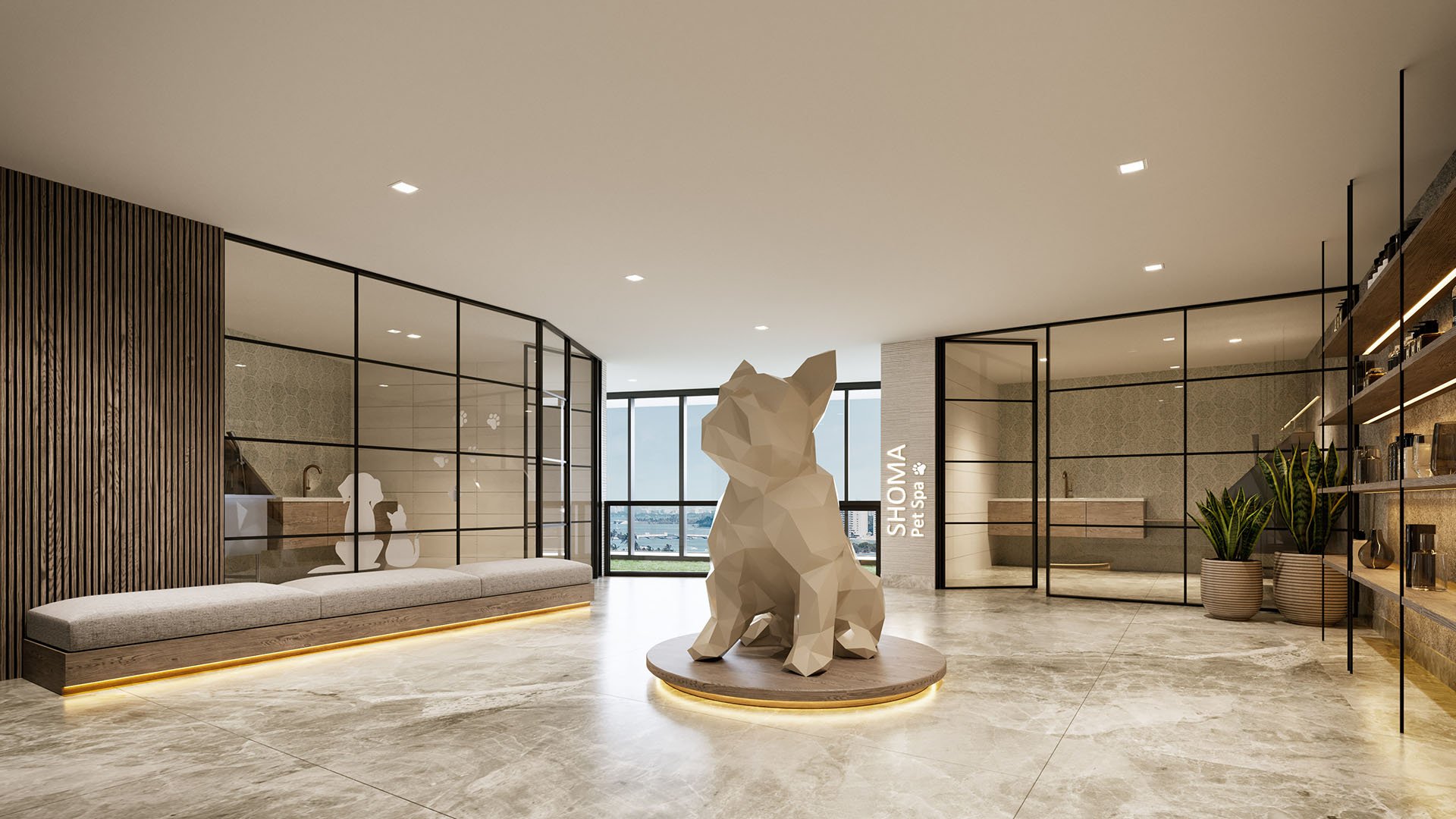
For many luxury buyers, pets are not an afterthought. They shape the first walk of the morning, the route through the lobby, the way a terrace is used, and the level of privacy expected from staff. In Surfside, where residential life is intimate, refined, and closely tied to the water, the central question is not simply whether a building allows animals. It is whether the residence, staff, policies, and surrounding rhythm support the way a household actually lives.
A pet-friendly purchase should be evaluated like any other lifestyle-critical decision. The finest finish package cannot compensate for a daily routine that feels awkward. A gracious lobby matters, but so does the sequence from private elevator to service corridor, from parking to residence, and from home to outdoor relief. For buyers considering properties such as The Delmore Surfside, the review should be practical, quiet, and exacting: how will the dog move through the building at 7 a.m., after dinner, during rain, and when guests are arriving?
A pet policy is more than a checkbox. Buyers should request the full written rules before contract execution and review them with the same care given to association budgets and architectural plans. Look for language on number of pets, weight limits, breed restrictions, registration requirements, vaccination records, leash rules, elevator access, designated entries, noise complaints, and common-area conduct.
The key issue is not whether the policy appears permissive. It is whether it is stable, enforceable, and compatible with your household. A buyer with one small companion animal has a different risk profile from a buyer with two large dogs, visiting family pets, or staff who handle daily walks. Ask whether rules can be amended by the association, how violations are handled, and whether any grandfathering provisions might affect future resale. A policy that feels generous today should still support marketability tomorrow.
Luxury living is choreography. For pet owners, that choreography begins before the front door. During showings, buyers should physically walk the route a pet would take from the residence to the exterior. Note whether the path uses the main lobby, a service elevator, a garage-level corridor, or a discreet side entry. Each option carries different implications for convenience, privacy, and staff interaction.
The elevator experience deserves particular attention. A private elevator foyer may feel ideal, but buyers should understand how pets are expected to move through shared vertical circulation when service is needed, during maintenance, or in an emergency. In boutique buildings such as Ocean House Surfside, the smaller scale may appeal to buyers seeking a calmer rhythm, yet the specific daily route still needs to be confirmed in person.
The guidance is simple: never evaluate pet-friendliness from a brochure. Evaluate it from the leash.
Oceanfront living adds beauty, but it also introduces practical considerations. Salt air, sand, wet paws, heat, and sudden weather changes affect how a residence functions for animals and for the people maintaining the home. Buyers should study the transition from outdoor areas into interiors. Is there a logical place for towels, leashes, filtered water, grooming supplies, and cleaning products? Can staff access these items without disrupting the main living areas?
Flooring and thresholds matter. Smooth stone, wood, and large-format surfaces may be elegant, but buyers should consider traction, maintenance, and how finishes will age with daily pet traffic. Terraces require equal scrutiny. Confirm guardrail conditions, furniture layouts, planter placement, drainage, and exposure. A terrace that photographs beautifully may not be comfortable for a pet during peak sun or wind.
At Eighty Seven Park Surfside, the coastal setting naturally invites buyers to think about the relationship between indoor calm and outdoor movement. The right question is not whether the home feels serene during a showing. It is whether that serenity survives daily use.
In high-service buildings, staff culture can be as important as written policy. Buyers should observe tone, not just answers. Are front desk and valet teams comfortable with pets? Is there a standard process for dog walkers, trainers, groomers, or veterinary visitors? Are third-party service providers logged, escorted, or directed through a particular path?
Discretion is essential. Some owners want staff to know a pet by name. Others want minimal interaction and maximum privacy. The best fit depends on the household. Ask how deliveries of food, medications, grooming supplies, and accessories are handled. Ask where a walker waits. Ask whether temporary caregivers are treated like vendors or guests. These small operational details determine whether the building feels effortless or intrusive.
A residence at The Surf Club Four Seasons Surfside may attract buyers who value a polished service environment, but every owner should still confirm the daily protocol before purchasing. Brand, architecture, and location are only part of the equation. The lived experience is in the handoff.
Pet-friendly luxury is often hidden in the plan. A gracious foyer can create separation between the pet’s arrival routine and formal living areas. A secondary entrance can be useful for staff, deliveries, and post-walk cleanup. A laundry room, utility zone, or service area can become the quiet infrastructure of a beautifully maintained pet household.
Buyers should look for a place where pet life can be organized without visual clutter. Where do bowls sit when guests arrive? Where does a crate, bed, carrier, or stroller go? Is there a calm zone away from entertaining spaces? Can a pet retreat during dinner parties, elevator noise, or service appointments? Large residences do not automatically solve these questions. Poorly planned square footage can make daily life feel less refined than a smaller, better-zoned home.
For owners of older animals, consider steps, slippery thresholds, long hallways, and access to nighttime relief routines. For younger animals, think about containment, durable surfaces, and supervision from the kitchen or family room. The best plan supports both beauty and repetition.
A pet-friendly building can widen the buyer pool, but only if the experience feels orderly and well managed. Future purchasers will ask the same questions: Are the rules clear? Is the staff accustomed to pets? Do common areas remain quiet and polished? Has the building balanced hospitality with boundaries?
Buyers should also consider whether the residence itself shows resilience. Durable materials, logical storage, and practical transitions can protect long-term condition. A home that accommodates pets gracefully is not a compromise. At the luxury level, it is a sign that design has anticipated real life.
Surfside buyers often prize privacy, scale, and proximity to the water. Pet owners should add one more requirement: a routine that feels natural every day. The right building will not make pet ownership conspicuous. It will make it seamless.
What is the first pet-related document a Surfside buyer should request? Request the full written pet policy, including rules on size, number of pets, access routes, registration, and enforcement.
Should buyers rely on a verbal assurance that a building is pet-friendly? No. Verbal comfort is useful, but the written rules and actual building routine are what govern daily life.
Why does the elevator route matter for pet owners? It affects privacy, convenience, staff interaction, and the ease of moving a pet during busy hours or bad weather.
Are terraces always ideal for pets? Not automatically. Buyers should evaluate exposure, railings, drainage, shade, furniture placement, and supervision.
How should buyers assess staff culture around pets? Observe how staff respond to practical questions about walkers, groomers, visitors, deliveries, and service access.
Can a beautiful floor plan still be poor for pets? Yes. If storage, cleanup zones, quiet areas, and circulation are poorly arranged, daily life can feel inconvenient.
What should owners of older pets consider? Prioritize traction, short relief routes, easy nighttime access, and calm spaces away from high-traffic areas.
Do pet rules affect resale? They can. Clear, well-managed rules may support buyer confidence, while unclear or restrictive policies may narrow appeal.
Should buyers visit at different times of day? Yes. Morning, evening, and rainy-day routines can reveal how the building truly functions for pet owners.
What is the best sign of a genuinely pet-friendly luxury building? The best sign is a routine that feels discreet, predictable, clean, and aligned with the household’s privacy expectations.
For a discreet conversation and a curated building-by-building shortlist, connect with MILLION.
If branded residences are on your mind — as a home or as an allocation — we would be glad to share what we are seeing, privately.
Begin a quiet conversation