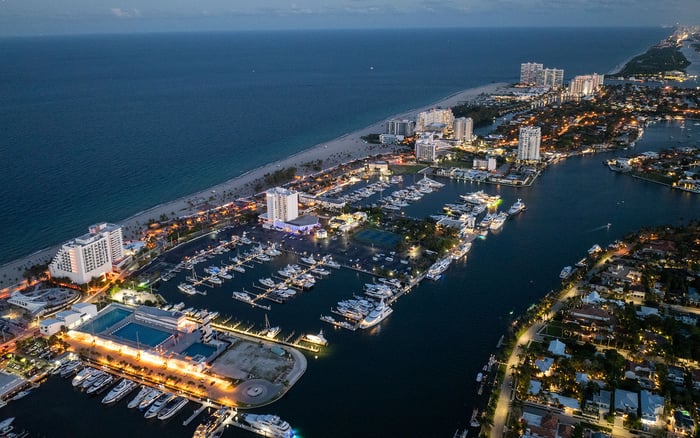
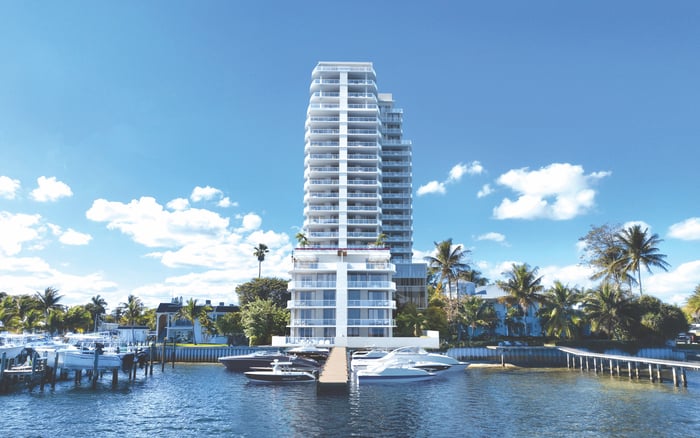
Deeded marina slips can read like real estate and behave like a specialized asset class. This guide walks Palm Beach County buyers through the clauses that matter most: the legal description, use restrictions, cost allocation, insurance, storm protocol, and the practical realities of resale and financing. The goal is simple: protect your lifestyle and your downside before you sign.

In Palm Beach County, waterfront buyers increasingly treat the marina slip as a parallel acquisition, not a mere amenity. A deeded slip can function as a tangible extension of the home: a fixed place in the water, a consistent arrival ritual, and a way to protect spontaneity when the Intracoastal is calling.
Even so, the fine print tends to matter more than most buyers anticipate. The slip may be conveyed by deed, but your day-to-day experience is governed by layered documents: condominium-style rules, marina regulations, operating budgets, and, in some cases, a master association that sits above the marina itself. In practice, the slip’s “value” is a composite of title quality, operational competence, and the rule set you inherit.
For buyers comparing lifestyle options across the coast, these contrasts are instructive. A West Palm address such as Alba West Palm Beach may prioritize proximity to the water and urban walkability, while other markets lean into a more full-service yachting culture. The point is not that one is better, but that the contract language must match your intended use.
The most consequential paragraph is often the least glamorous: the legal description. A deeded slip should identify the slip with enough precision that it can be located without interpretation. If you see vague references to “a slip as assigned,” “as allocated,” or language that reads more like a license than ownership, pause and confirm whether the interest is truly deeded and recordable.
Just as important is how the marina defines the slip’s dimensions. “Length” can be stated in ways that differ from how your captain measures LOA, and beam allowances may be constrained by fairway width, finger-pier design, or turning basins. If your vessel is near a threshold, the negotiation is not about pride; it is about preventing a future default under the rules.
Ask for the governing documents and any current rule book that applies to the marina. You want to confirm:
Whether the slip is part of a condominium regime or a separate parcel type
Whether the slip’s boundaries are fixed or subject to reconfiguration
Whether you receive any associated appurtenances (dock box rights, storage, parking)
This is also where buyers should clarify whether the slip is tied to a residential unit or can be sold independently. That single feature often defines liquidity.
Many buyers assume a slip is a simple “park the boat” right. Marina documents can be far more prescriptive. Typical categories to review include liveaboard prohibitions, charter limitations, guest policies, commercial-activity restrictions, and even the types of work permitted on the dock.
If you intend to place the vessel into any form of rental or charter activity, treat this as a first-order issue, not a footnote. Rules may prohibit it outright or restrict it through insurance requirements, staffing, or operational hours. Even without explicit “AirBnb” language, the practical effect can be similar if the association views transient use as incompatible with the community.
In parallel, examine whether you can lease the slip when you are away-and under what conditions. Some associations allow leasing only to other owners; others permit outside lessees with screening and minimum terms. The more permissive the leasing language, the more resilient your economics tend to be.
A deeded slip purchase can feel deceptively clean: a price, a closing, a deed. Operating cost is where reality arrives.
Review the budget structure with the same discipline you would apply to a condominium. Confirm what your regular charges include-and what they do not. In a marina context, “surprises” are often tied to infrastructure:
Dredging and shoaling mitigation
Seawall, pilings, and dock system replacement
Electrical upgrades and pedestal modernization
Security, access control, and gate systems
Insurance premiums that can change materially after storm seasons
Ask whether the marina maintains reserves and whether reserve funding is discretionary or mandatory. A “low fee” environment can be appealing until deferred maintenance shows up as a special assessment. For certain buyers, paying more for well-capitalized operations is not a luxury; it is risk management.
If your South Florida portfolio includes multiple lifestyle nodes, consider how this compares across markets. A Brickell-based pied-a-terre such as 2200 Brickell may be selected for design and access to downtown Miami, while the boating component is handled elsewhere. That division of purpose can be elegant-provided the marina numbers are transparent.
Slips are not interchangeable once shore power enters the equation. Confirm the amperage and voltage available, whether upgrades are possible, and who bears the cost. A buyer who acquires a slip that cannot support their vessel’s needs can end up with an expensive asset that functions as a placeholder.
Look for clauses addressing:
Responsibility for damaged pedestals, cables, and dock components
Prohibited equipment and temporary installations
Fueling rules (if applicable) and spill protocol
Generator use, noise restrictions, and quiet hours
Also review the marina’s maintenance rights. Some documents grant the association broad authority to access your slip, move your vessel in emergencies, or disconnect power for repairs. Those rights may be operationally necessary, but you want them drafted clearly, with standards and notice where feasible.
Palm Beach County buyers often focus on hurricane shutters and flood vents at the residence, but a marina slip carries its own storm regime. Your documents may require you to remove the vessel at certain storm categories, allow the marina to relocate it, or limit what you can do on-site during storm preparation.
A sophisticated review stays anchored to three questions:
Who decides-and when-that a vessel must leave?
Who pays for emergency measures and post-storm repairs?
What is the liability allocation if the marina moves your vessel, or if another vessel damages yours?
The “right” answer varies by ownership style and vessel type. Some owners value strict protocols as a sign of operational competence; others prefer flexibility. The key is alignment between the rules and your captain’s playbook.
Marina documents often require owners to carry specific coverage, name the association as an additional insured, and agree to broad indemnities. This is not inherently unreasonable. It is, however, an area where language can become lopsided.
Pay attention to:
Minimum liability limits and whether they are fixed or adjustable by the association
Waivers of subrogation and their impact on claims
Owner responsibility for pollution incidents, even when caused by third parties
Requirements for professional vendors and proof of insurance for any work performed
If you are purchasing the slip through an entity, confirm that the insurance provisions and ownership clauses align with your structure. Some associations restrict entity ownership or impose additional documentation.
Deeded slips can be liquid, but liquidity is often conditional. Look for right-of-first-refusal provisions, association approval requirements, transfer fees, and restrictions on marketing.
If you anticipate financing, confirm whether lenders have historically been willing to lend on similar interests. Some deeded slips are straightforward collateral; others are treated as niche, particularly when the governing documents resemble a license agreement.
Also confirm whether a slip can be transferred independently of a related residence. In some communities, the slip is appurtenant to a unit and must transfer with it. In others, it can be sold separately, but only to an owner within the community. These distinctions shape who your future buyer is.
A clean closing is not the same as a clean experience. Before committing, request and review the same categories you would for a luxury condominium, plus the marina-specific overlays:
Current marina rules and regulations, including vessel standards
Recent budgets, financial statements, and any reserve schedules
Pending or recent special assessments and planned capital projects
Any litigation or disputes affecting the marina operations
Evidence of permits or policies relevant to dredging and maintenance, if applicable
Then perform a practical fit test. Bring your captain into the conversation early. Have them evaluate approach, turning radius, current patterns, fairway width, and the slip’s exposure. A deed may be perfect; the docking can still be stressful.
For buyers who want the water as part of a broader South Florida lifestyle, it can be useful to compare how other submarkets package the experience. A Miami Beach residence like 57 Ocean Miami Beach signals immediate oceanfront access and a distinct social rhythm, while Palm Beach County ownership may emphasize the Intracoastal, club culture, and quieter privacy. Either can be ideal-provided the documents align with how you actually boat.
Marina slip transactions are often negotiated like personal property: fast, informal, and overly trusting. That approach is a mistake. You can negotiate documents, disclosures, and practical covenants-especially when a seller wants certainty.
Common leverage points include:
A representation that no violations exist and all dues are current
A covenant that the slip is transferable as described, with no undisclosed approvals
A credit for known capital items or a cap on seller responsibility for past assessments
A due diligence period long enough to obtain and review all governing documents
If a building or community is part of your broader plan, you can also negotiate the choreography: timing, vessel transition, and interim use. The luxury experience is not just the slip; it is the handoff.
In West Palm, buyers sometimes pair waterfront proximity with newer construction and services, balancing boating with an urban calendar. A residence such as Forté on Flagler West Palm Beach can serve as a refined base while you curate the marina component with equal care.
What is a deeded marina slip, in plain terms? It is an ownership interest conveyed by deed, typically paired with ongoing rules and fees that govern use.
Does deeded ownership guarantee I can keep any boat there? No. Most marinas impose length, beam, draft, and operational restrictions that can be stricter than the deed suggests.
Can I rent out my deeded slip when I am not using it? Sometimes, but leasing is often limited by association rules, minimum terms, and approved-lessee requirements.
Are marina fees similar to condo HOA dues? They can be. Many marinas operate with budgets, reserve considerations, and occasional special assessments.
Who pays for dock repairs or pedestal upgrades? It depends on the documents. Some costs are treated as common expenses, while others are assigned to the slip owner.
What should I look for in storm and hurricane clauses? Confirm removal requirements, authority to relocate vessels, and how liability is allocated during emergency actions.
Can a deeded slip be financed like real estate? Some can, but lender appetite varies widely based on title structure, transfer restrictions, and market depth.
Is the slip tied to a specific condo unit? It might be. Some slips must transfer with an associated unit, while others can be sold separately under specific conditions.
Do I need special insurance for a deeded slip? Typically yes. Marinas often require liability coverage, additional-insured status, and specific policy language.
What is the biggest fine-print risk buyers miss? Transfer and use restrictions, because they directly affect both enjoyment today and liquidity at resale.
When you're ready to tour or underwrite the options, connect with MILLION Luxury.
If branded residences are on your mind — as a home or as an allocation — we would be glad to share what we are seeing, privately.
Begin a quiet conversation