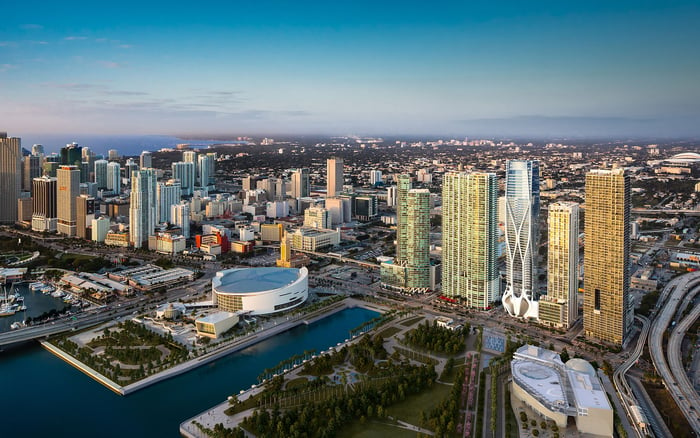
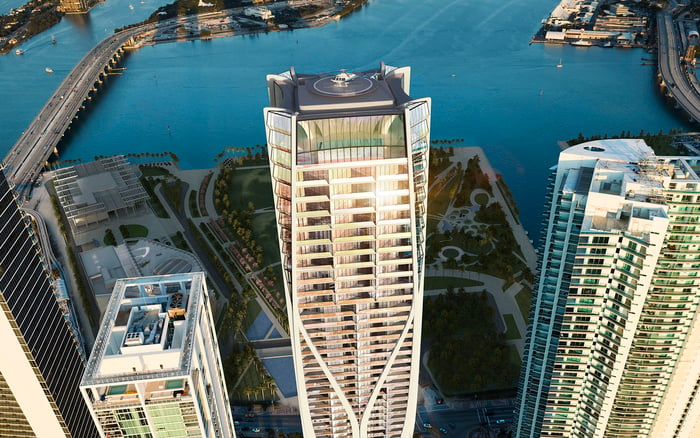
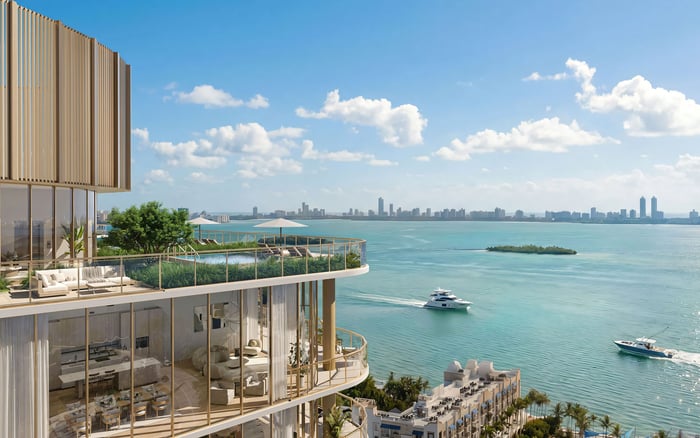
A buyer-focused editorial on how walkability, privacy, arrival experience, and daily rhythm differ between Ten Museum Park Miami and One River Point Miami River living.
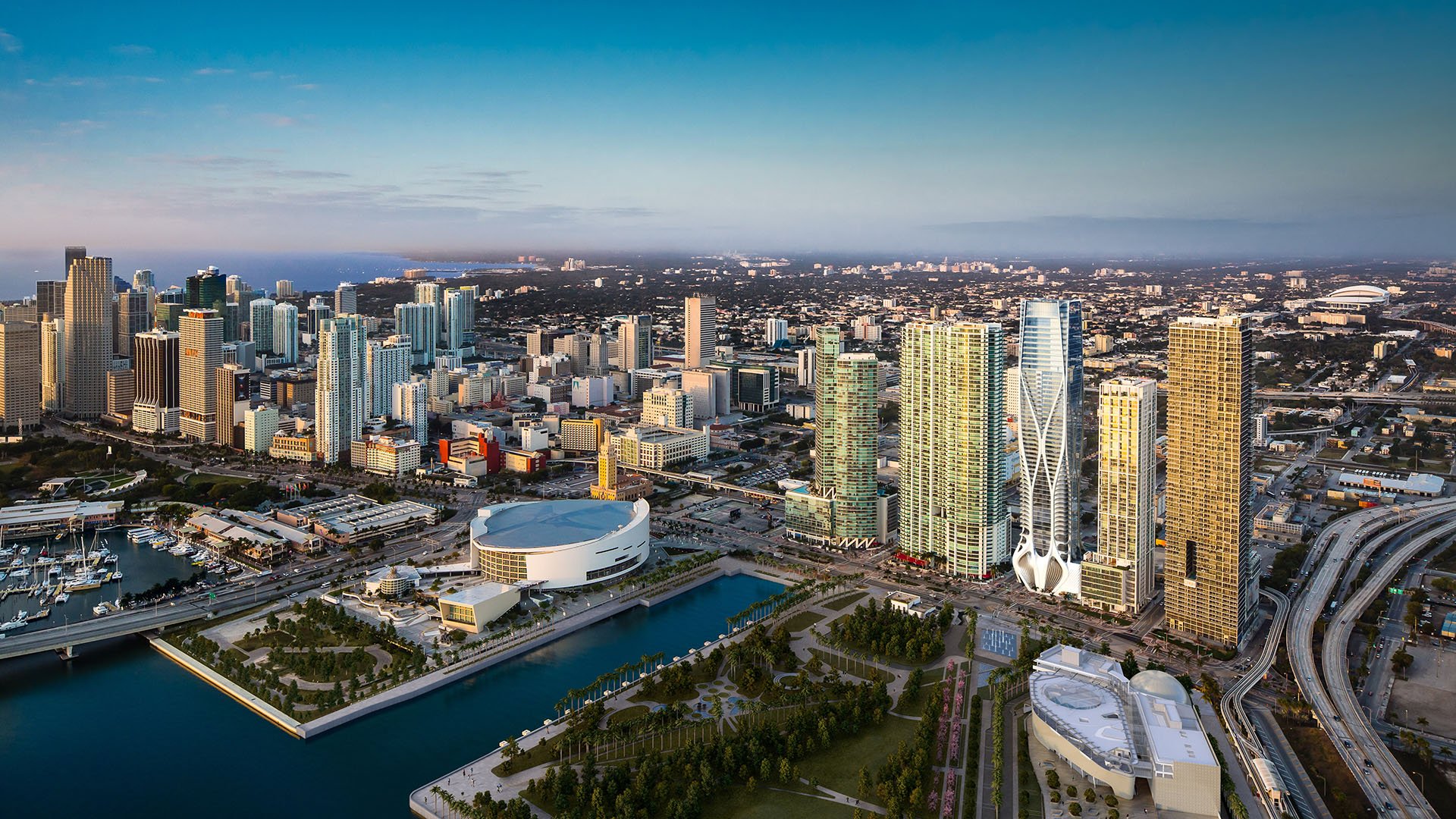
Walkability in Miami is rarely a single score. For luxury buyers comparing Ten Museum Park Miami with One River Point Miami River living, the real question is not simply how close the nearest restaurant, office, gallery, or waterfront path may be. It is how the day feels when those destinations are connected in real life.
One buyer wants the sensation of stepping quickly into the city, moving between appointments, culture, dining, and services with minimal friction. Another wants a more choreographed arrival, a stronger water identity, and a home that feels slightly removed from the most active pedestrian corridors while still remaining connected to them. Both preferences can be sophisticated. They are different expressions of urban luxury.
That distinction matters because South Florida’s high-end condominium market is increasingly shaped by lifestyle precision. A residence is no longer judged only by views, finishes, or brand association. It is judged by whether the owner can live beautifully on a Tuesday morning, entertain gracefully on a Friday night, and move through the city without feeling compromised.
Ten Museum Park Miami is best understood through urban immediacy. The name itself places the conversation in a Downtown frame, where a buyer is likely evaluating proximity to the city’s cultural, business, and entertainment energy. For those who prefer a compact daily radius, this setting can be compelling.
The appeal is not merely that one can walk. It is that walking can become a habit. A morning coffee, a gallery-adjacent outing, a quick meeting, a fitness appointment, or an evening reservation may all feel more integrated when the home sits within a denser urban pattern. For a resident who values spontaneity, that ease can matter more than a longer list of amenities.
There are tradeoffs. A Downtown address can bring more street activity, more event-driven movement, and a higher level of urban texture. Some buyers welcome that sense of place. Others prefer a more sheltered transition between private residence and public city. The key is to distinguish energy from inconvenience. A lively district can be an asset when it matches the owner’s schedule and tolerance for motion.
One River Point Miami River living offers a different proposition. The Miami River is not simply a backdrop in the luxury conversation. It suggests a more layered experience, with water, skyline, bridges, dining, boating culture, and vehicular access all shaping the day.
For many buyers, riverfront living feels more composed. The arrival sequence can be more deliberate. The view corridor can feel more atmospheric. Walkability may be less about a tight grid of quick errands and more about selective destinations, scenic movement, and the ability to pivot between Brickell, Downtown, and the river’s own dining and hospitality character.
This is where the tradeoff becomes subtle. A river address may feel highly connected by car and visually connected to the city, while the walking experience may depend more on the route, time of day, and destination. Buyers who enjoy walking for pleasure may read that differently than buyers who expect walking to replace the car for routine tasks.
The most useful way to compare these two lifestyles is to separate daily walkability from occasional walkability. Daily walkability means groceries, coffee, fitness, pharmacy, office, dry cleaning, pet needs, and casual meals. Occasional walkability means the dinner one books twice a month, the cultural event, the client meeting, the waterfront stroll, or the late-afternoon drink.
A buyer prioritizing Ten Museum Park Miami may care more about daily convenience and an immediate urban network. A buyer prioritizing One River Point Miami River living may care more about atmosphere, arrival, water orientation, and access to multiple districts without being immersed in only one.
This also affects household composition. A single executive, frequent traveler, or pied-à-terre owner may want the home to function as a launch point. A couple who entertains often may evaluate lobby privacy, guest drop-off, valet flow, and the elegance of the approach. A family or multi-generational household may focus on how predictable each walk feels, particularly in heat, rain, or peak traffic periods.
The comparison becomes richer when viewed against nearby Miami neighborhoods. Downtown offers density and immediacy. Brickell offers a polished financial and dining ecosystem. Edgewater adds a bayfront residential layer with its own quieter cadence. Wynwood contributes creative energy, restaurants, and a more informal cultural pull.
A Ten Museum Park Miami buyer may see Downtown as the primary lifestyle stage and treat adjacent neighborhoods as extensions. A One River Point Miami River buyer may see the river as the anchor and use Brickell, Downtown, Edgewater, and Wynwood more selectively, moving between them as the occasion requires.
Neither approach is inherently superior. The better choice is the one that matches how often the owner wants to leave the building on foot, how much stimulation they want at the front door, and whether water identity outweighs pure pedestrian density.
Luxury buyers often discuss walkability as though it always creates freedom. In practice, walkability also creates exposure. A more active street life can mean more visibility, more pedestrian traffic, and a thinner buffer between private and public life. Some owners enjoy that urban connection. Others want a residence that restores a sense of retreat the moment they arrive.
Car usage is another hidden variable. In Miami, even highly walkable owners often keep a car, use a driver, or rely on valet movement. The question is not whether the car disappears. It is whether the car becomes optional for the right parts of the week. If a buyer can walk to weekday essentials but drive to weekend dining, the home may function beautifully.
Guest experience should also be tested. Where does a car stop? How intuitive is the arrival? Does a dinner guest feel welcomed or confused? Is the surrounding street experience elegant at night? These questions matter as much as the floor plan because they shape how the residence performs socially.
Marina access, boating plans, or a private dock should never be assumed without direct property-level confirmation. For river-minded buyers, however, the psychological value of water proximity can be powerful even when the lifestyle is more visual than nautical.
Investment logic in this comparison should remain disciplined. Walkability can support liquidity because it broadens the potential buyer pool, particularly among international owners, part-time residents, and buyers who want a car-light lifestyle. Yet privacy, view quality, building condition, governance, and future neighborhood evolution can be just as influential.
A city-first condominium may appeal to buyers seeking convenience and a strong urban identity. A riverfront condominium may appeal to buyers seeking water, atmosphere, and a more distinctive arrival. In both cases, the strongest long-term position usually comes from alignment: the building, neighborhood, residence line, and owner profile all reinforcing the same lifestyle story.
For resale, clarity is an asset. A home that can be described in one clean sentence is easier for the market to understand. “Urban core convenience” and “Miami River retreat” are different narratives. The stronger purchase is the one where the buyer believes that narrative not only today, but through multiple seasons of ownership.
The best comparison is experiential. Visit during the morning commute, in late afternoon, and after dinner. Walk the routes you would actually use, not only the most attractive ones. Time the distance to everyday essentials. Observe shade, crossings, noise, lighting, and how the neighborhood feels when you are no longer in buyer-tour mode.
Then ask a sharper question: which address makes your preferred lifestyle feel effortless? Ten Museum Park Miami may suit the buyer who wants a tighter urban rhythm and fast access to Downtown life. One River Point Miami River living may suit the buyer who wants water, arrival, and a more composed relationship to the city.
In Miami luxury real estate, the winning address is rarely the one with the longest list of nearby places. It is the one that turns your actual routine into something more graceful.
Is Ten Museum Park Miami more walkable than One River Point Miami River living? It may feel more immediately urban, but the better answer depends on the routes and destinations a buyer uses most often.
Is Miami River living a good fit for buyers who like to walk? It can be, especially for buyers who value scenic movement and selective destinations rather than a purely grid-based daily routine.
Should I prioritize Downtown or Brickell access? Prioritize the district where your weekday life actually happens, then test how easily the other district fits into your evenings and weekends.
Does walkability replace the need for a car in Miami? Usually not for luxury buyers, but it can make the car optional for certain errands, meals, meetings, and social plans.
What is the biggest tradeoff with a more urban address? The main tradeoff is exposure to activity, which some owners see as energy and others experience as reduced privacy.
What is the biggest tradeoff with riverfront living? Riverfront living may offer atmosphere and water identity while requiring a more careful look at practical walking routes.
How should buyers test walkability before purchasing? Walk the real routes at different times of day, including after dinner, and note lighting, crossings, noise, shade, and comfort.
Can walkability influence resale value? Yes, but it works best alongside privacy, views, building quality, condition, and a clear lifestyle narrative.
Is Edgewater or Wynwood relevant to this comparison? Yes, both can shape how buyers think about nearby dining, culture, and neighborhood variety beyond the immediate address.
Should a second-home buyer think differently about walkability? Yes, second-home owners often value ease, arrival, and low-friction routines because each stay is shorter and more intentional.
When you're ready to tour or underwrite the options, connect with MILLION.
If branded residences are on your mind — as a home or as an allocation — we would be glad to share what we are seeing, privately.
Begin a quiet conversation