A disciplined line-by-line framework for evaluating layout, exposure, views, privacy, carrying costs, condominium rules, and resale potential at Park Grove.
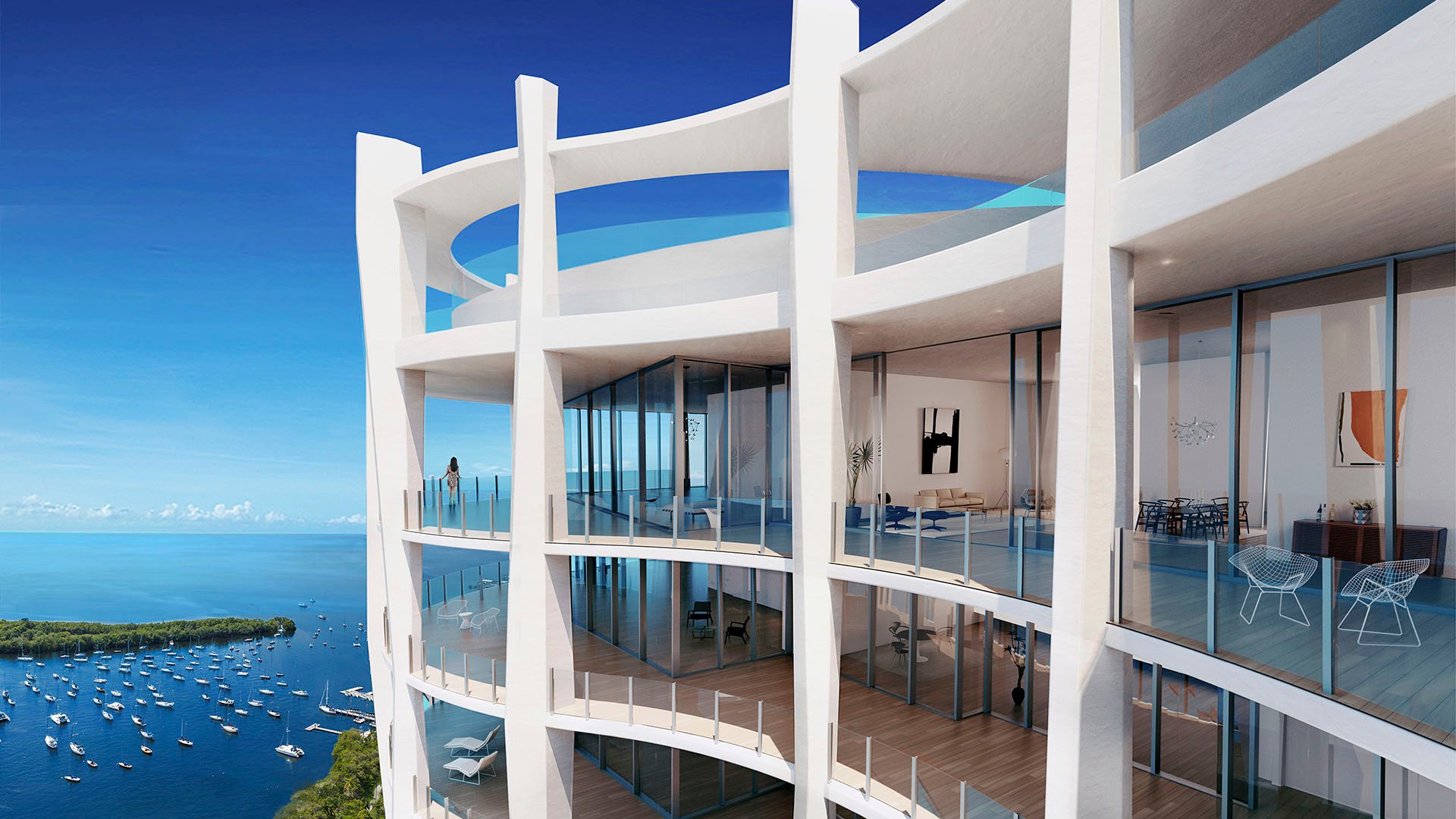
At Park Grove Coconut Grove, the most consequential decision may not be whether to buy in the development, but which residence to own within it. A polished sales-gallery presentation can convey the broader promise of luxury living near Biscayne Bay. It cannot, on its own, reveal how a particular line will perform at breakfast, at sunset, during a quiet evening, or when it returns to the resale market.
The essential identifiers are tower, line, floor, and orientation. Confirm all four before comparing prices or interpreting a generic rendering. In a waterfront setting, terms such as water view and bay view require particular scrutiny: direction, elevation, nearby structures, landscaping, and future development can all shape what is actually seen.
Request the precise floor plan for the residence under consideration, not merely a representative plan for its bedroom count. Room dimensions, circulation, balcony configuration, and usable space can vary across a floor plate. Small differences can have an outsized effect on furniture placement, privacy between bedrooms, art walls, entertaining flow, and the transition from interior rooms to the balcony.
Walk through the plan as though you lived there. Trace the route from the elevator to the entry, from the kitchen to the terrace, and from the primary suite to the shared living areas. Note corridors that consume usable space, doors that compete for clearance, and rooms whose apparent flexibility depends on dimensions that still require verification.
This discipline is equally relevant when comparing other Coconut Grove options, such as Four Seasons Residences Coconut Grove or Mr. C Tigertail Coconut Grove. The project name establishes context; the individual line determines the daily experience.
Ask precisely what the residence faces: Biscayne Bay, the surrounding Coconut Grove neighborhood, nearby buildings, or internal amenity areas. Then distinguish the current view from the protected view. A compelling outlook today may still be affected by neighboring towers, mature landscaping, or future development. Request a clear explanation of what could change, then independently verify every representation.
Orientation governs more than scenery. Morning and afternoon sun can materially affect glare, heat gain, window treatments, and balcony usability. A luminous exposure may be desirable, but its practical value depends on when the household occupies the residence and how each room is used.
Compare the same line on several floors whenever possible. Elevation can alter views, privacy, daylight, wind, and exterior noise. Higher is not automatically better, and lower is not inherently compromised. The right floor is the one whose conditions align with the buyer's habits and priorities.
Evaluate the residence in three dimensions. Ask what sits directly above, below, and beside it, including amenities, mechanical rooms, elevators, service areas, and common terraces. Review its proximity to refuse rooms, service corridors, shared doors, and elevator banks as well. These relationships may create traffic, odor, or noise effects that are not apparent on the interior plan.
The question is not simply whether a shared function is nearby, but how often it is used, at what hours, and whether its doors, walls, or circulation paths meet the residence. A line that appears efficient on paper may feel markedly different if its entry is exposed to recurring common-area movement.
Buyers considering Vita at Grove Isle alongside Park Grove can apply the same test: understand the specific residence's surroundings rather than allowing a development-wide impression to substitute for unit-level investigation.
Inspect at different times of day. Morning light, afternoon glare, evening traffic, marina activity, neighboring properties, and amenity-related sound may each present differently. If access permits, remain in the principal rooms and on the balcony long enough to register wind, privacy, reflections, and recurring exterior noise.
Bring the floor plan and test what it implies. Confirm sightlines from seating positions, the relationship between glass and furniture walls, and whether the balcony feels usable under the prevailing exposure. For an end user, these observations can matter more than an advertised view premium because they shape the residence every day.
Request the condominium documents and association rules before treating any line as the preferred choice. Review provisions governing renovations, leasing, pets, deliveries, parking, balconies, and amenity use. A residence can offer an excellent plan yet prove less suitable if the rules conflict with the owner's intended lifestyle or ownership strategy.
Next, weigh monthly carrying costs and any line-specific price premium against tangible benefits. Superior exposure, privacy, circulation, or a more defensible view may justify a premium. A headline view without commensurate livability may not.
Study comparable sales and listings by tower, line, floor, orientation, and condition rather than relying on a single development-wide price-per-square-foot average. The same principle applies when considering The Well Coconut Grove as a broader market comparison. Project-level averages can obscure the characteristics that distinguish one residence from another.
The final selection should balance lifestyle, operating cost, physical risk, and future marketability. End users may place greater weight on daily light, quiet, circulation, and surroundings. A second-home buyer may prioritize ease of arrival and balcony use. An investment-minded purchaser may focus more heavily on association rules, carrying costs, and the evidence provided by closely matched comparables.
No single attribute should dominate without verification. The strongest line is not necessarily the one with the most dramatic sales-gallery image. It is the residence whose plan, exposure, adjacency, rules, costs, and market position work together with the fewest unresolved compromises.
What should a buyer identify before comparing Park Grove residences? Confirm the exact tower, line, floor, and orientation of every residence under consideration.
Why is a line-specific floor plan necessary? Room dimensions, circulation, balcony configuration, and usable space may differ across the floor plate.
How should an advertised bay view be evaluated? Verify its direction and determine whether towers, landscaping, or future development could obstruct it.
Does choosing a higher floor always improve the residence? Not necessarily. Elevation can affect views, privacy, light, wind, and exterior noise in different ways.
Why does sun exposure matter in a luxury condominium? Morning and afternoon sun can affect glare, heat gain, window treatments, and balcony usability.
Which adjoining spaces deserve investigation? Check for amenities, mechanical rooms, elevators, service areas, common terraces, and refuse rooms.
When should a buyer inspect the residence? Visit at different times to assess light, traffic, marina activity, neighboring properties, and amenity-related noise.
Which condominium rules should be reviewed? Examine provisions governing renovations, leasing, pets, deliveries, parking, balconies, and amenity use.
How should comparable properties be selected? Match tower, line, floor, orientation, and condition rather than relying on a project-wide average.
What ultimately defines the right line? It is the line that best aligns verified livability, operating costs, risk, and future resale considerations.
For a tailored shortlist and next-step guidance, connect with MILLION.
If branded residences are on your mind — as a home or as an allocation — we would be glad to share what we are seeing, privately.
Begin a quiet conversation