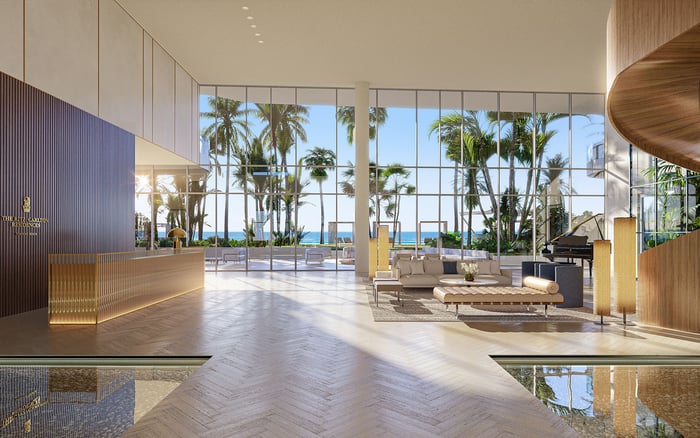
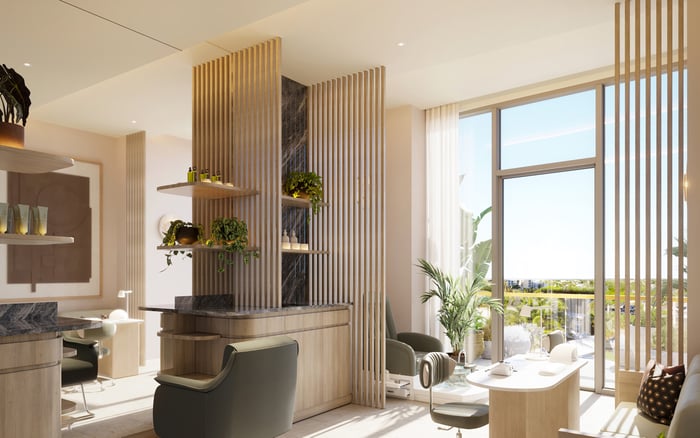
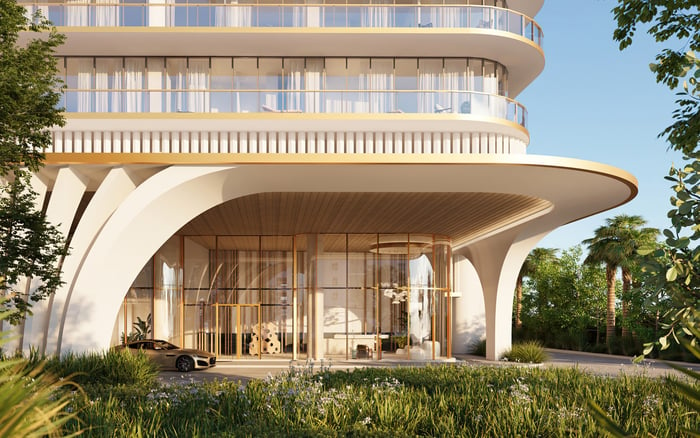
A practical buyer guide to evaluating Waldorf Astoria Residences Pompano Beach through the lens of teen life, from bedrooms and acoustics to guest policies, rideshare routines, outdoor amenities, and technology readiness.
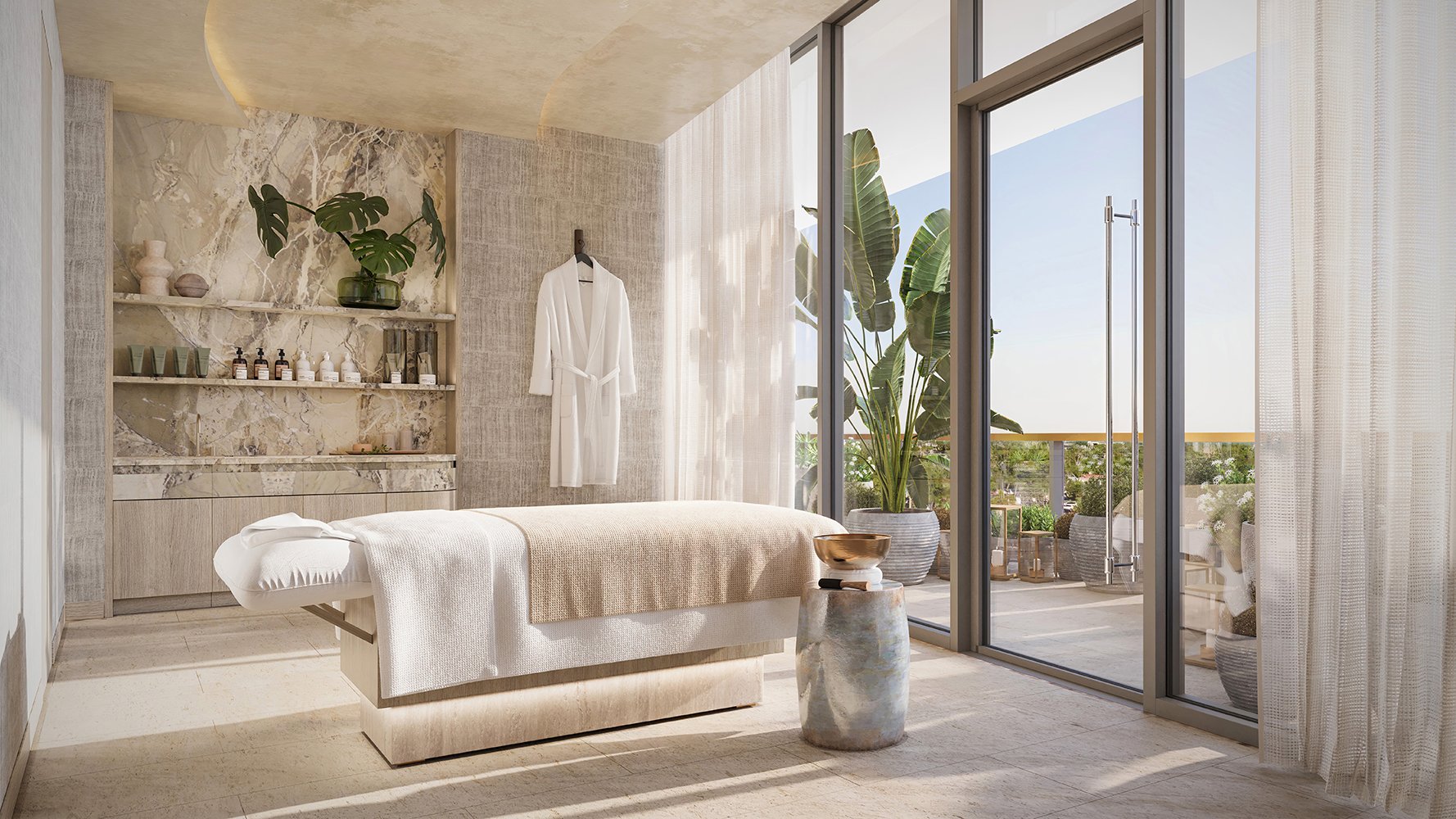
For families considering Waldorf Astoria Residences Pompano Beach, the most revealing questions may not concern the most photogenic rooms. They may be more practical: where a teenager takes a video call, how a friend is cleared through the lobby, whether music carries into the primary suite, and how the building handles a late rideshare pick-up after practice or dinner.
This is not a secondary concern. In an oceanfront branded residence, daily life is shaped by the choreography between private space, shared amenities, staff protocols, technology, and household routines. A home that feels serene during a sales presentation must also support homework, streaming, gaming, visiting cousins, pool days, and the gradual independence that comes with adolescence.
For a family buyer, the test is intimate: can the residence absorb teen life without turning every evening into negotiation?
The first due-diligence exercise is straightforward: walk the floor plan as if the secondary bedroom belongs to a 15-year-old, not an occasional guest. Is there enough separation from the primary suite for privacy? Is bathroom access intuitive? Is storage sufficient for sports gear, school materials, luggage, and the informal accumulation that rarely appears in renderings?
Teen bedrooms now serve multiple roles. They are sleep spaces, study zones, private lounges, call rooms, and emotional retreats. Buyers should ask whether the room geometry allows for a real desk, a properly scaled bed, lighting flexibility, and a layout that does not force every activity into the same corner. If siblings are involved, the question becomes sharper: will each adolescent have a zone that feels independent, or will the residence depend on shared spaces for basic privacy?
In family residences, sound control is not merely technical. It is domestic diplomacy. Gaming, streaming, music, online classes, and groups of friends can create friction in open-plan layouts, especially when the kitchen, living room, and terrace are designed for visual openness.
Buyers should ask how walls, doors, corridors, and room placement affect acoustic separation. The issue is not whether teens make noise. They do. The issue is whether the residence gives that noise somewhere reasonable to go. A flexible den, media area, or enclosed study can be more valuable to a family than a more dramatic but less practical open lounge.
This is especially important for households that entertain adults while teens host friends at the same time. A successful plan lets both worlds coexist without making either feel displaced.
The most useful teen spaces are rarely labeled as such. A study can become a media room. A lounge can become a quiet tutoring area. A guest room can become a seasonal cousin suite during school breaks. For multi-generational and international buyers, this flexibility matters because occupancy patterns can shift quickly between the school year, holidays, and extended family visits.
Before finalizing a residence, buyers should ask which rooms can adapt as children grow older. A space that works for a middle-school student may later need to support college applications, independent workouts, visiting friends, or remote coursework. The goal is not to predict every stage, but to avoid a layout that is beautiful only for the adults.
For teens, digital infrastructure is not an amenity. It is a utility. Families should ask detailed questions about Wi-Fi coverage, wired data options, smart-home controls, and capacity for simultaneous use. A realistic evening may include one teenager gaming, another streaming, a parent on a video conference, smart climate systems operating, and schoolwork being uploaded at the same time.
Pre-construction buyers should raise these points early, before finish packages and technology customization are finalized. The most elegant solution is usually the one planned before walls, cabinetry, and devices are fixed. Ask where access points may be located, whether wired options are available in likely study or gaming zones, and how smart-home permissions can be managed for younger residents.
Teen practicality extends beyond the front door. Families should understand how adolescents will move through the building: elevators, lobbies, amenity levels, valet areas, pool zones, beach access points, and any after-hours pathways. The question is not only whether movement is possible, but whether it is legible, secure, and appropriate for minors.
Access control deserves careful review. How do fobs work for teenagers? Can access be limited by time or area? What is the process for registering friends? How does staff recognition function for frequent guests? Are there different expectations for minors using amenities without a parent present?
The best buildings balance autonomy with oversight. Parents want teens to grow into responsible independence, but they also want protocols that prevent confusion at the lobby, pool, valet, or beach.
A teen-friendly residence is not simply a large residence. It is a residence within a building whose rules fit family life. Buyers should clarify guest limits, supervision expectations, pool and beach access, and whether policies differ for minors. These questions are especially relevant in South Florida, where outdoor socializing is part of the rhythm of the year.
Pool, cabana, terrace, towel, shower, seating, and shade logistics can shape whether teen gatherings feel effortless or intrusive. Families should ask whether informal teen use can be absorbed without disrupting quieter adult-oriented areas. This is an operational question as much as a design question, and it should be discussed before assumptions become disappointments.
Today’s seventh grader may be tomorrow’s new driver. Parking and valet policies should be evaluated with future teen drivers in mind, including assigned spaces, extra-vehicle options, valet procedures, and how the building handles inexperienced drivers. Even if a teen is not yet driving, the family should understand how the property manages drop-offs, pick-ups, and waiting areas.
Rideshare procedures are equally important for younger teens. Ask how staff identify vehicles, where minors are permitted to wait, and how departures and arrivals are handled during busy periods. The right protocol should feel discreet, secure, and repeatable.
Before signing off on a floor plan or customization package, families should ask a series of grounded questions. Where will each teen sleep, study, decompress, and socialize? Which rooms can change function over time? How will sound travel? Is the technology plan robust enough for real household usage? How will guests be approved? What can teens access independently? What happens when cousins arrive for a school break?
Luxury is often described through materials and views. For families, it is also measured by reduced friction. The best residence is the one where the adults feel calm, the teens feel respected, and the building’s rules support both.
Should teen-space practicality be considered before choosing a floor plan? Yes. It should be addressed before floor-plan selection, contract decisions, finishes, and technology choices are finalized.
What is the first room families should evaluate for teen use? Start with secondary bedrooms, because they must often support sleep, study, storage, privacy, and downtime.
Why are acoustics so important in a luxury residence? Teen gaming, music, streaming, and friend visits can create friction if sound carries easily through open-plan spaces.
Should buyers ask about Wi-Fi and wired data? Yes. Families should verify coverage, wired options, smart-home controls, and capacity for simultaneous school, gaming, and streaming use.
Do amenity rules matter for teenagers? Very much. Guest limits, supervision expectations, pool access, and minor-specific rules can shape day-to-day livability.
How should families think about pool and beach use? Ask about seating, shade, towel logistics, showers, cabanas, and whether teen gatherings can be accommodated comfortably.
What access-control questions should parents ask? Ask how fobs, guest registration, staff recognition, amenity access, and after-hours movement work for minors.
Why does rideshare planning matter? Younger teens may rely on rideshare, so families should understand pick-up areas, vehicle identification, and staff procedures.
Should future teen drivers affect parking questions? Yes. Review assigned spaces, extra-vehicle options, valet procedures, and protocols for inexperienced drivers.
Is a dedicated teen room required for teen-friendly living? Not necessarily. Flexible rooms that can serve as study, media, lounge, or guest overflow areas may be more valuable.
For a tailored shortlist and next-step guidance, connect with MILLION.
If branded residences are on your mind — as a home or as an allocation — we would be glad to share what we are seeing, privately.
Begin a quiet conversation