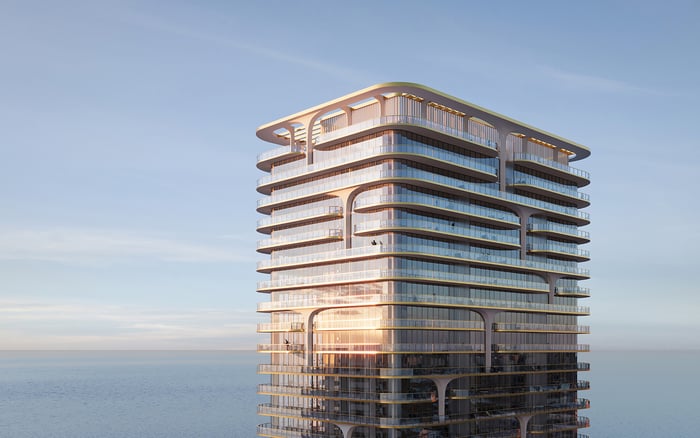
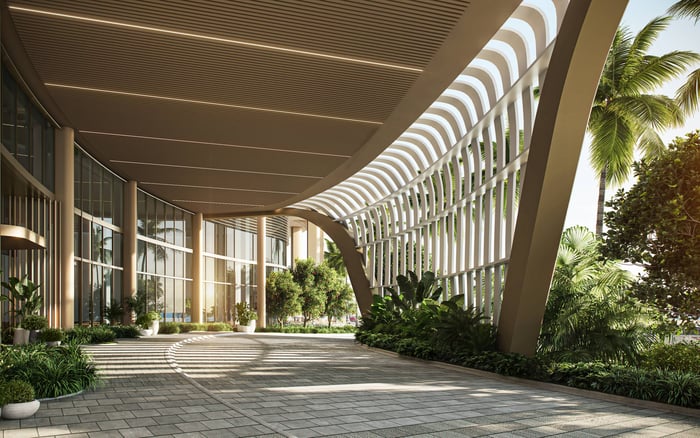
A buyer-focused look at why leak detection, alert routing, access rights, and response protocols matter for lock-and-leave ownership at Waldorf Astoria Residences Pompano Beach.
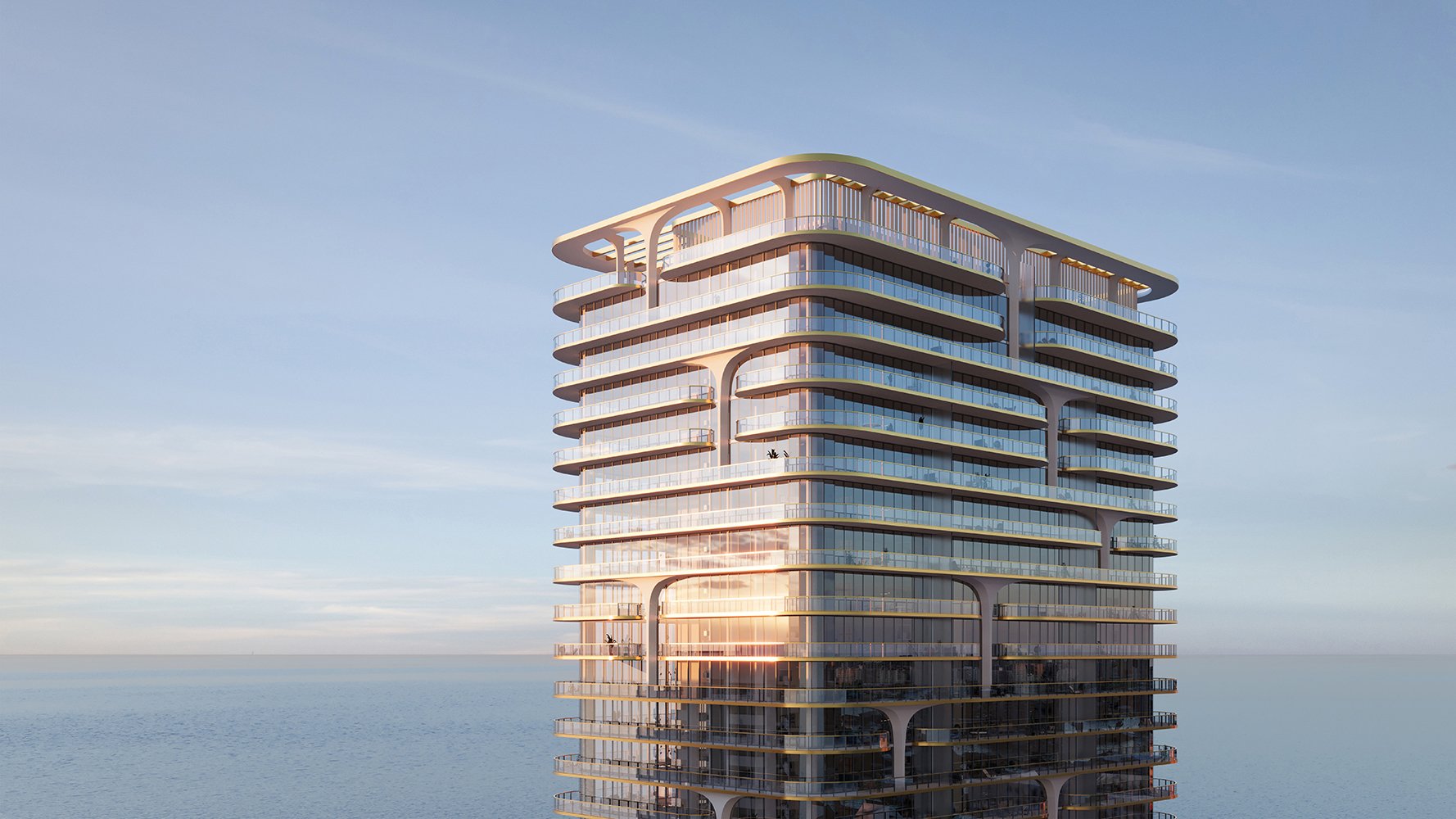
Waldorf Astoria Residences Pompano Beach sits at the intersection of two powerful expectations in South Florida luxury real estate: beachfront living and branded-residence ease. For the buyer who wants a coastal home to enjoy intensely, then leave behind without anxiety, the central question is not only how the residence looks on arrival. It is how the residence performs in absence.
That is where leak detection becomes more than a technical detail. In the lock-and-leave world, water is one of the few risks that can turn a pristine second home into a complicated ownership event before anyone is standing in the room. A slow supply-line leak, a failed appliance connection, a bathroom issue, an HVAC-related event, or a problem originating elsewhere in the stack can move quietly through finishes and assemblies. In a vertical luxury building, the source and the affected residence are not always the same place.
For buyers evaluating Waldorf Astoria Residences Pompano Beach, the practical due-diligence conversation should therefore stand beside the aesthetic one. Finishes, views, amenities, and service culture may shape first impressions. Monitoring, access, staffing, and response procedures shape confidence over time.
Lock-and-leave ownership is especially relevant in South Florida because many buyers use the region as a seasonal base, a foreign residence, or a domestic second or third home. The appeal is clear: arrive to a refined private environment, enjoy the beach and the building’s services, then depart without the burden normally associated with maintaining a waterfront property.
The challenge is that absence changes the risk profile. If a full-time resident hears water, notices flooring movement, or sees an alert on a device, intervention can begin quickly. If a residence is vacant for weeks, a minor issue can become a much larger event. In ultra-premium settings, the damage is not measured only in repair invoices. It may affect custom finishes, adjacent residences, insurance claims, staff coordination, and the owner’s sense of trust in the asset.
This is why the lock-and-leave promise must be evaluated operationally. Buyers should ask how the building thinks about unoccupied residences, how it handles routine access, and how it differentiates between an owner preference and an urgent maintenance event. The goal is not to create alarm. It is to determine whether the building’s invisible systems match the lifestyle being marketed.
Many buyers hear “leak detection” and imagine small sensors placed near a water heater, vanity, laundry equipment, or kitchen connection. These devices can be valuable, particularly when positioned where water is likely to appear first. Some systems may notify an owner through an app. Others may connect to a broader smart-home platform or trigger a local alarm.
But in-unit detection is only one layer of the question. In a high-rise condominium, water risk can also involve domestic water supply risers, drain lines, fire-suppression systems, HVAC piping, service spaces, shared infrastructure, and neighboring residences. A sensor inside one owner’s home may not identify a problem that begins above, behind, or outside the private unit until water reaches that unit.
That distinction matters for Waldorf Astoria Residences Pompano Beach because branded condominium living is built on a broader idea of care. The buyer is not simply purchasing a collection of rooms. The buyer is buying into a managed vertical environment where private residences and shared systems must work together. The right question is not just whether technology exists. It is where the technology sits in the larger chain of detection, notification, permission, and action.
An alert has limited value if no one is empowered to act. For absentee owners, the strongest due-diligence questions concern routing and response: Who receives a water-related alert? Is it sent only to the owner, or also to building staff? If staff receive it, who on the team is responsible for assessing the issue? Are there documented procedures for after-hours events? What permissions are required before entering a private residence? How are owners contacted when they are overseas, in transit, or unreachable?
These are not minor administrative points. They determine whether the building can convert information into intervention. A sensor may identify moisture, but a locked residence, unclear authority, or delayed communication can still allow a problem to expand.
Buyers should also ask how false alarms are handled. A building that ignores alerts because too many prove harmless has a different risk culture than one that triages intelligently. Likewise, buyers should understand whether routine residence checks are available, whether shutoff procedures are unit-specific or building-level, and whether staff training is formalized.
None of this requires assuming that any particular system is installed at Waldorf Astoria Residences Pompano Beach unless confirmed in current sales or developer materials. The point is more disciplined: luxury buyers should verify the systems and protocols before treating effortless ownership as a given.
In luxury condos, water management is a shared-interest issue. One owner’s preparedness can reduce personal exposure, but it cannot fully control events in adjacent residences, common areas, mechanical spaces, or vertical infrastructure. That is why building-wide protocols are central to capital preservation.
A well-run building treats water as an operational category, not an occasional maintenance surprise. It considers where water can originate, how quickly a problem can be detected, who has authority to investigate, and how communication moves between staff, management, residents, insurance representatives, and affected owners. In the most sophisticated ownership experience, the resident may never see the full system, but the system is part of what makes the residence feel effortless.
This is particularly important for buyers comparing branded coastal inventory across Broward and the broader South Florida market. For buyers tracking Pompano Beach, oceanfront, second-home, and new-construction opportunities, the most polished sales environment should still invite practical questions about infrastructure. Waldorf Astoria Residences Pompano Beach may be viewed through the lens of service, design, and beachfront prestige, but durable confidence also comes from the mechanics behind the walls.
The cleanest approach is to make leak-related questions part of standard due diligence rather than an afterthought. Buyers and advisors can request clarity on whether in-unit leak sensors are included, whether any automatic shutoff functionality is contemplated, and whether building-wide monitoring covers risers, mechanical spaces, or other key areas. If a response is conceptual rather than specific, buyers should continue asking until responsibilities are clear.
It is equally important to understand ownership boundaries. Which components are maintained by the association or building, and which remain the owner’s responsibility? What appliances, fixtures, valves, and connections require owner maintenance? Are there recommended inspection intervals for seasonal residents? Can the owner authorize staff or a designated representative to enter when an alert occurs?
The best answers will not necessarily be the most technologically elaborate. They will be the most complete. A simple system paired with clear staffing authority may outperform a sophisticated device that sends alerts to the wrong person. For the ultra-luxury buyer, the focus should be on choreography: detection, notification, access, shutoff, documentation, and repair coordination.
South Florida’s branded-residence buyer is increasingly sophisticated. They understand that service is not confined to valet, concierge, spa access, or arrival rituals. True service includes the quieter work of protecting a home when the owner is elsewhere.
That makes leak detection a revealing topic. It exposes whether a building’s promise is primarily experiential or operational. It also shows whether the ownership model has been designed for the way affluent buyers actually live: in multiple homes, across time zones, often moving between personal, family, and business commitments.
For Waldorf Astoria Residences Pompano Beach, the lock-and-leave question should be framed without drama and without assumptions. Buyers should not presume unverified technical specifications, nor should they dismiss the issue as too ordinary for a luxury purchase. Water risk is precisely the kind of ordinary event that becomes extraordinary when it touches a highly finished, often unoccupied residence.
The most useful mindset is simple. Ask how the home is watched when you are not there. Ask who acts when something changes. Ask how quickly access can happen. Ask how private-residence preferences are balanced with building-wide responsibility. In a beachfront branded condominium, peace of mind is not only a view. It is a protocol.
Why does leak detection matter for Waldorf Astoria Residences Pompano Beach buyers? Lock-and-leave owners may be away for long periods, so unnoticed water events can become more serious before anyone is present to respond.
Should buyers assume specific leak-detection systems are included? No. Buyers should verify current specifications, included devices, monitoring capabilities, and response procedures through the appropriate sales or project materials.
What is the difference between in-unit detection and building-wide monitoring? In-unit detection focuses on private residence areas, while building-wide monitoring considers shared infrastructure, service spaces, and vertical systems.
Who should receive leak alerts in a luxury condo? Buyers should ask whether alerts go only to the owner, to building staff, or to both, and who is responsible for immediate follow-up.
Why is staff access important during a water event? An alert is less useful if staff cannot enter quickly or if owner authorization procedures are unclear during urgent situations.
Can water damage originate outside the owner’s residence? Yes. In a high-rise condominium, water can come from neighboring residences, risers, mechanical systems, common areas, or service spaces.
What areas of a residence are most relevant to leak questions? Bathrooms, kitchens, laundry areas, HVAC-related spaces, supply lines, drains, and service areas all deserve careful attention.
Is leak prevention only a maintenance issue? No. It affects lifestyle convenience, insurance exposure, repair timelines, neighboring owners, and long-term capital preservation.
What should seasonal buyers ask before closing? They should ask about alerts, access rights, shutoff procedures, routine checks, after-hours response, and owner communication protocols.
What is the best way to shortlist comparable options for touring? Start with location fit, delivery status, and daily lifestyle priorities, then compare stacks and elevations to validate views and privacy.
If you'd like a private walkthrough and a curated shortlist, connect with MILLION.
If branded residences are on your mind — as a home or as an allocation — we would be glad to share what we are seeing, privately.
Begin a quiet conversation