Refrigerated deliveries can seem like a small logistical detail, but before closing they can create spoilage risk, access problems, insurance uncertainty, and unnecessary pressure on an otherwise polished luxury transaction.

In a luxury purchase, the most visible closing details tend to command attention: funds, signatures, insurance, inspections, walk-throughs, association approvals, and the precise choreography of movers. Yet one of the most avoidable sources of friction can arrive in a far quieter form: a refrigerated delivery scheduled before the buyer has legal possession, building clearance, or a staffed receiving plan.
For South Florida buyers, refrigerated deliveries may include wine, specialty food, floral installations, medication, wellness products, pet nutrition, meal preparation services, and temperature-sensitive gifts for a newly completed residence. Each may seem harmless on its own. Together, they can create a chain of responsibility that neither the seller, the buyer, the association, nor the concierge team has clearly accepted.
The hidden cost is rarely limited to the value of the item. It is the inconvenience of a failed delivery, the pressure placed on staff, the possibility of spoilage, and the awkwardness of asking a building to solve a problem before the buyer is fully entitled to use the property.
A standard package can often wait. A refrigerated delivery cannot. That single distinction changes the risk profile. If a chilled item arrives before keys are released, before the buyer is registered, or before the building has authorized access, the delivery may be refused, left in an unsuitable location, returned to the vendor, or accepted by someone without clear authority.
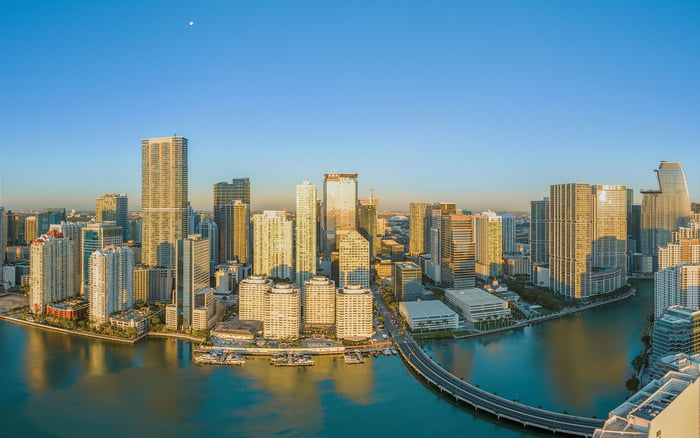
In Brickell, where closing-day schedules can be compressed by elevator reservations, valet procedures, security desks, and building management protocols, assuming a concierge will simply receive everything can be expensive. The same applies in waterfront, gated, boutique, and high-service buildings across the region. Luxury service is not the same as unlimited obligation.
For a new-construction residence, the issue can be even more delicate. A buyer may feel emotionally attached to a home before legal possession has transferred, while the building may still be operating under developer, contractor, association, or turnover rules. A delivery intended to make the first evening feel seamless can instead become the first administrative complication.
The most visible cost is spoilage. A curated wine shipment, seafood order, prepared dining service, or floral installation can lose value quickly if temperature control is interrupted. The less visible costs can be more consequential.
There may be vendor redelivery fees, cancellation charges, emergency courier costs, and staff overtime for a property manager, household employee, or owner representative asked to intervene. If a refrigerated item contains medication or wellness products, replacement may be inconvenient even when the dollar value is modest. If it involves food for an arrival dinner, the failure can disrupt travel plans, guest hosting, and the tone of the first night in residence.
There is also reputational cost. Buildings with polished service cultures rely on procedure. When a buyer asks staff to accept deliveries before the account, access list, or ownership record is active, the request may seem minor to the buyer but irregular to the building. Starting a relationship with exceptions is rarely the most elegant introduction.
The first question is not whether the vendor can deliver. It is whether the property can lawfully and practically receive. Buyers should confirm who has authority to accept items before closing, whether the seller has agreed to any pre-closing access, and whether the association or building allows refrigerated deliveries for a buyer who is not yet in possession.
The second question is storage. Some buildings may have package rooms, service corridors, staff areas, or limited holding procedures, but that does not mean they are designed for cold-chain preservation. A refrigerated truck, a cooler bag, or a vendor promise does not solve the final handoff unless someone has accepted responsibility.
The third question is identification. The delivery label should match the name approved by the building, the unit designation should be correct, and the receiving party should be known in advance. A luxury building is not being difficult when it refuses vague instructions. It is protecting residents, staff, and property.
For a second-home buyer arriving after closing, this planning becomes especially important. If a flight is delayed or a wire release takes longer than expected, the buyer may not be physically present when the delivery window opens. In a resale transaction, coordination with the seller is equally sensitive because the seller may remain in possession until the closing is complete.
Refrigerated deliveries sit at the intersection of practical convenience and legal control. Before closing, possession, risk of loss, and access rights should be treated with care. A buyer should not assume that a seller, listing representative, concierge, or building employee has agreed to manage chilled property unless that agreement is explicit.
Insurance is another quiet concern. If an item spoils after being left at a desk, loading dock, or outside a service entrance, responsibility may be unclear. The vendor may point to completed delivery, the building may point to lack of authorization, and the buyer may have no simple remedy. A high-value item deserves more than a casual text message.
Investment buyers should be particularly disciplined. If the residence is intended for future occupancy, hospitality use where permitted, or a long-term hold, early operational habits matter. The same is true for households with pets, where specialty nutrition or medication may be time-sensitive. A smooth closing is not only a legal event. It is the start of property management.
The cleanest strategy is to delay refrigerated deliveries until after closing confirmation, key release, building registration, and access credentials are complete. When that is not possible, the buyer should create a written plan that names the vendor, arrival window, receiving person, storage location, and backup option.
For high-value items, consider routing delivery to a staffed interim location rather than the residence. A household manager, attorney-approved representative, private office, or other controlled environment may offer a more reliable handoff than an unconfirmed building desk. The goal is not simply to receive the item. The goal is to preserve condition, chain of custody, and calm.
Buyers should also separate essential from atmospheric deliveries. Medication, pet necessities, and arrival-day food may require immediate handling. Decorative florals, celebratory champagne, pantry stocking, and balcony plantings can often wait until the residence is fully under the buyer’s control. Luxury is enhanced by restraint when timing is uncertain.
A final pre-closing call should include refrigerated delivery questions alongside movers, parking, elevator reservations, insurance, utilities, keys, fobs, and access lists. The detail may feel small, but it can prevent a closing day from becoming a temperature-controlled scavenger hunt.
Should I schedule refrigerated deliveries before closing? It is usually cleaner to wait until closing is complete and access is confirmed. If timing is unavoidable, create a written receiving plan in advance.
Can a concierge accept my cold delivery before I own the residence? Not necessarily. Building staff may require active ownership records, approved access, or specific authorization before accepting any item.
What types of deliveries create the most risk? Wine, specialty foods, medication, floral installations, wellness products, and pet nutrition can all be sensitive to time and temperature.
Is spoilage the only concern? No. Failed delivery, redelivery charges, unclear responsibility, staff disruption, and access disputes can all become hidden costs.
Should the seller handle refrigerated items for me? Only if the arrangement is clearly agreed in advance. Casual assumptions can create tension if the seller is still in possession.
What should I ask the building before delivery? Ask whether refrigerated items are accepted, who can receive them, where they are held, and whether pre-closing buyers are eligible for service.
Does this matter for a cash purchase? Yes. Even without financing delays, possession, building registration, and staff authorization may not align with a vendor’s delivery window.
Can my attorney include delivery access in closing coordination? Yes. Counsel can help frame access and possession carefully, especially if the request occurs before the transaction is complete.
What is the safest backup plan? Route the item to a confirmed, staffed location that can preserve temperature control until the buyer has access to the residence.
When should I raise this issue? Raise it before the final walk-through, not on closing day. Early coordination gives the building, seller, and vendor time to respond.
For a discreet conversation and a curated building-by-building shortlist, connect with MILLION.
If branded residences are on your mind — as a home or as an allocation — we would be glad to share what we are seeing, privately.
Begin a quiet conversation