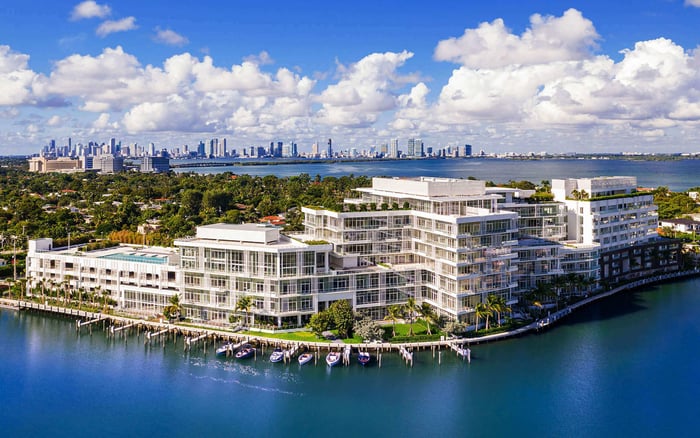
A family-first guide to evaluating rental rules, guest policies, pet standards, and association documents before choosing a luxury residence in Pompano Beach.

For family buyers considering Pompano Beach, the first attraction is often visual: ocean, Intracoastal light, new residential design, and a calmer Broward rhythm than some of South Florida’s denser resort corridors. Yet the most consequential details may be found in documents rather than floor plans. Rental rules and guest policies determine how a home can be used, who may occupy it, how long they may stay, and how much flexibility a family can preserve over time.
This is not only an investor’s concern. It matters to parents with college-age children, grandparents visiting for winter, families hosting a nanny, blended households, and owners who may one day divide their time between South Florida and another residence. A building can feel perfect during a tour, but if its leasing, guest registration, pet, and access rules do not align with how a family actually lives, the friction can surface quickly.
In Pompano Beach, the right question is not simply whether a condominium permits rentals. It is whether the building’s culture, approval process, and guest standards support your intended ownership pattern with discretion and predictability.
The word Rent often suggests income strategy, but family buyers should think more broadly. A residence that can be leased in a controlled, well-governed way may give a family optionality during a relocation, sabbatical, school transition, estate-planning period, or change in work pattern. Conversely, a stricter rental environment may offer more permanence, fewer transient occupants, and a more residential feeling in elevators, pools, and lobbies.
Neither model is automatically superior. The correct choice depends on priorities. If the residence will be a primary home for children, routine, security, and neighbor familiarity may outweigh the desire for leasing flexibility. If it will be a second home used seasonally, the ability to host extended family or place the home into a compliant leasing arrangement may carry more weight.
Buyers comparing highly amenitized coastal properties, from The Ritz-Carlton Residences® Pompano Beach to Armani Casa Residences Pompano Beach, should avoid assuming that brand, service level, or price point automatically predicts policy. Every association and ownership structure deserves a separate review.
Short-term-rentals are often discussed as an income category, but for families they raise practical questions about atmosphere. A building that permits frequent turnover may feel more hospitality-oriented. That can appeal to some owners, particularly those who appreciate a resort cadence, concierge intensity, and a more fluid guest environment. It can be less attractive to buyers seeking a quieter residential setting where neighbors are familiar and shared spaces feel predictable.
Due diligence should focus on specifics. Ask whether there are minimum lease terms, a maximum number of leases in a given period, approval requirements, registration steps, move-in rules, cleaning or service access protocols, and penalties for violations. Also ask how the association monitors compliance. Rules matter, but enforcement culture matters just as much.
Family buyers should also consider how short stays affect amenities. A pool deck, club room, fitness center, marina-adjacent lounge, or beach service program can feel very different depending on whether most occupants are long-term residents, seasonal owners, or rotating guests. The most elegant building is the one whose rules preserve the experience you are actually buying.
Long-term-rentals are often easier to reconcile with family ownership because they typically create more continuity. A tenant staying for a longer period is more likely to understand building etiquette, amenity norms, school-year routines, and the expectations of a residential community. Still, the details should be reviewed before signing a contract.
Look at whether leases require board approval, whether family members using the residence must be treated as guests or occupants, and whether a lease can be renewed without full reapproval. Confirm whether owners must wait a certain period after purchase before leasing, and whether the building caps the number of units that may be rented at one time. These provisions can affect both lifestyle and resale.
A buyer considering Ocean 580 Pompano Beach or W Pompano Beach Hotel & Residences should ask for the governing documents early, then review them in the context of the family’s intended use. The most important clause is often the one that appears routine until life changes.
Guest policies are where family use becomes personal. A grandparent staying for six weeks, an adult child returning between semesters, a cousin visiting during winter break, or a trusted caregiver entering daily may all be treated differently under building rules. Some associations require registration, photo identification, key authorization, vehicle information, or owner approval before amenities can be used.
Families should ask how overnight guests are handled, whether there are limits on consecutive stays, whether unaccompanied guests may use amenities, and whether minors may bring friends to pools, lounges, or recreation spaces. The goal is not to avoid oversight. In a luxury building, thoughtful oversight protects residents. The goal is to ensure that oversight is compatible with family life.
Privacy is another consideration. A discreet front desk can be a pleasure when protocols are clear and dignified. It can become cumbersome if every recurring visitor is treated as an exception. Buyers should understand the difference before closing.
Pets can be central to a family’s decision. Even where animals are allowed, details may include weight limits, breed restrictions, elevator rules, designated relief areas, registration requirements, and expectations for common spaces. A policy that seems minor during a tour can affect daily life if a child walks the dog after school or if a family travels with more than one animal.
Caregivers deserve equal attention. Nannies, nurses, tutors, housekeepers, private chefs, drivers, and trainers may need recurring access. Families should ask whether service providers receive credentials, whether they may enter when the owner is absent, and which entrances or elevators they are expected to use. In a refined building, the best systems are both secure and gracious.
This is especially relevant in waterfront residences, where owners may rely on more frequent maintenance, beach gear storage, boating support, or seasonal service providers. A beautiful view should come with operational clarity.
Pompano Beach sits within Broward, but its identity is increasingly distinct. It appeals to buyers who want coastal access and a polished residential environment without necessarily choosing the formality of Palm Beach, the density of Miami Beach, or the club-like seclusion of certain island enclaves. That positioning makes policy review even more important because the market includes a range of building personalities.
Some families will prefer a residence with highly controlled access and limited leasing. Others will accept more flexible guest and rental provisions if the building supports seasonal use and visiting relatives. A buyer looking at Waldorf Astoria Residences Pompano Beach should compare not only architecture and amenities, but also the tone of governance. The most family-suitable building is rarely defined by one feature. It is defined by the harmony between rules, service, privacy, and use.
Before making a final decision, buyers should request the full set of governing materials and read them with their own use case in mind. That typically means the declaration, bylaws, house rules, leasing policies, pet rules, guest procedures, parking rules, amenity rules, and any current addenda. If the building is new or in pre-completion sales, buyers should ask how policies may be adopted, amended, or enforced after turnover.
Questions should be concrete. Can the owner’s parents stay for a month without owner presence? Can an adult child use the home independently? Can a family friend borrow the residence? Can a caregiver access the unit daily? Can a seasonal lease be approved if the family travels abroad? Can a tenant use the same amenities as an owner? Can the association change minimum lease terms later?
The answers may not disqualify a residence. They clarify whether the home fits the family’s future, not just its present.
Family buyers should create a simple use profile before touring. Identify who will use the residence in year one, who might use it in year five, and what forms of flexibility truly matter. Then compare each building against that profile.
A strict building may be ideal if the priority is permanence, security, and a residential atmosphere. A flexible building may be ideal if the home will serve multiple generations, seasonal schedules, and occasional compliant leasing. The mistake is buying a lifestyle image without testing the operating rules beneath it.
In luxury real estate, the most valuable residences are not only beautiful. They are legible. They allow a family to understand how life will function before the moving trucks arrive.
Should family buyers review rental rules even if they do not plan to rent? Yes. Future family changes, relocation, estate planning, or seasonal use can make rental flexibility important later.
Are guest policies as important as rental policies? Often, yes. Guest rules affect grandparents, adult children, caregivers, friends, and recurring household support.
What is the biggest rental-rule mistake buyers make? They assume a luxury building’s policies match its lifestyle marketing instead of reviewing the actual documents.
Do stricter rental rules make a building better for families? Not always. Stricter rules may create stability, but flexible rules may better serve multigenerational or seasonal families.
Should buyers ask about amenity access for guests? Yes. Pools, fitness rooms, lounges, beach service, and parking may have separate guest-use procedures.
Can family members be treated differently from guests? They can be, depending on the building’s documents and approval procedures, so the distinction should be clarified.
Why do pet policies matter in luxury condos? Pet rules can affect elevators, common areas, daily routines, and whether the home truly works for the household.
What should seasonal owners focus on? They should review lease minimums, guest registration, owner-absence rules, service access, and parking procedures.
Is Pompano Beach appropriate for buyers seeking privacy? It can be, but privacy depends on each building’s access protocols, leasing standards, and overall governance culture.
When should these rules be reviewed? They should be reviewed before contract deadlines, while the buyer still has leverage and time for professional advice.
When you're ready to tour or underwrite the options, connect with MILLION.
If branded residences are on your mind — as a home or as an allocation — we would be glad to share what we are seeing, privately.
Begin a quiet conversation