A buyer-oriented comparison of Waldorf Astoria Residences Downtown Miami and Aston Martin Residences Downtown Miami through private dining, guest circulation, amenity use, and acoustic separation.
For buyers weighing Waldorf Astoria Residences Downtown Miami against Aston Martin Residences Downtown Miami, the most useful comparison is not simply which tower feels more glamorous. Both sit in the upper tier of the Downtown conversation. The better question is which building’s operating model matches how the owner actually entertains.
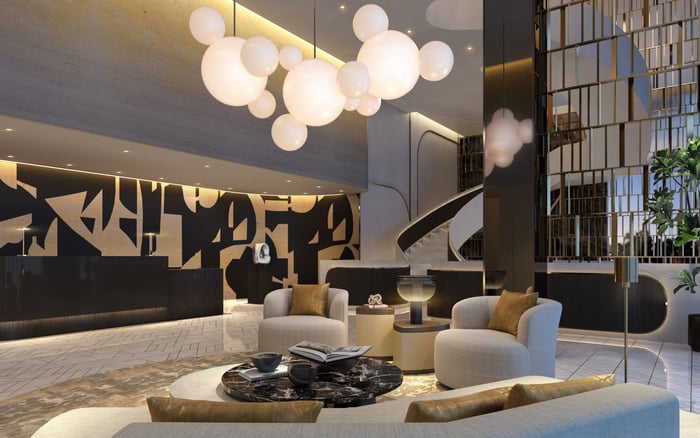
Waldorf Astoria Residences Downtown Miami is best understood through a hospitality-led lens. Its appeal for the host-minded buyer lies in service infrastructure, food-and-beverage support, residents’ social spaces, and the ability to move part of the evening out of the private residence and into a more staffed environment. It may suit the owner who wants the feel of a private club or hotel extension, especially for formal dinners, cocktails, and business gatherings.
Aston Martin Residences Downtown Miami reads differently. Its identity is more residence-centric, tied to waterfront living, design, yachting culture, and the idea of a large private home in the sky. For the buyer who prefers to host inside the residence, with views, scale, and indoor-outdoor movement doing much of the work, Aston Martin may feel more intuitive.
This is a Downtown decision, but it is also a lifestyle operations decision. The refined buyer should ask how the building performs for a Thursday night dinner for twelve, a Sunday waterfront lunch, or a discreet business cocktail event where guests arrive in waves and the household still needs calm afterward.
At Waldorf Astoria, private dining diligence should begin with the building’s service ecosystem. The central questions are practical: Can residents reserve private dining environments? How does food arrive? Is room-service-style delivery part of the daily experience? Can staff support a seated dinner without turning the residence into a back-of-house corridor? What standards govern timing, presentation, cleanup, and guest handoff?
The advantage of a hospitality-led platform is that the owner may not need to carry every element of the evening inside the unit. A dinner can potentially draw on dining operations, resident lounges, and staffed amenity spaces. That can be powerful for owners who entertain frequently, especially those who prefer a more formal sequence: arrival, reception, seated dining, after-dinner conversation, and discreet departure.
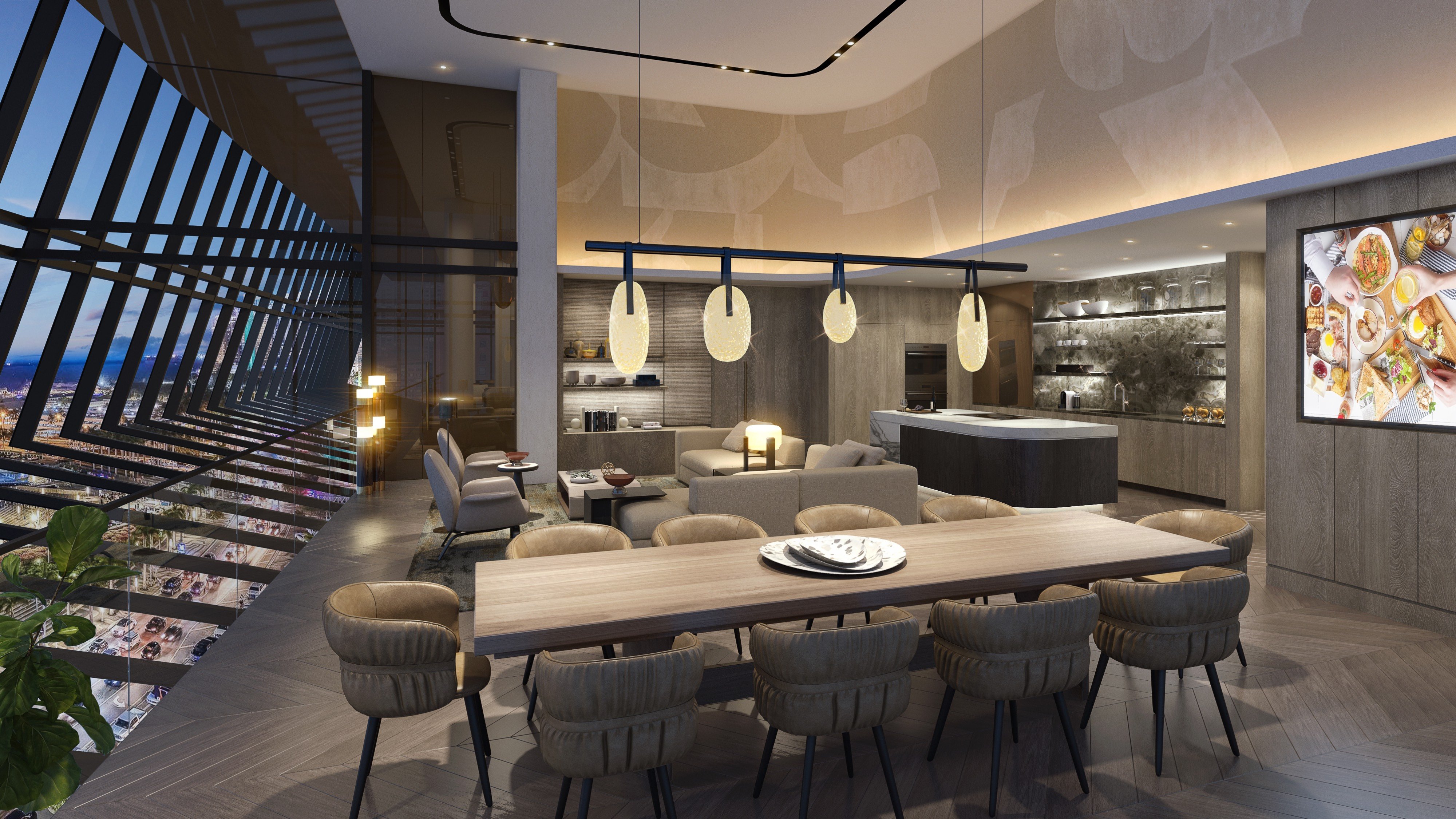
At Aston Martin, the private dining question shifts inward. The due-diligence focus should be the residence itself: kitchen capacity, pantry or staging space, dining-room scale, circulation around the table, and whether service can occur without crossing the main social axis. If the event extends outdoors, terrace usability becomes central. Is the terrace comfortable in the conditions that matter to the buyer? Does the door system support circulation without bottlenecks? Can guests move naturally between interior seating, dining, and the view?
Aston Martin’s amenity layer may supplement in-residence hosting, but the owner should verify reservation rules, hours, guest limits, and how amenity dining interfaces with the residential experience. For a new-construction buyer, the contract package and association materials matter as much as the renderings.
The most elegant entertaining experience is often decided before guests ever see the dining room. Valet arrival, lobby screening, elevator access, and staff routing shape the first impression. In both buildings, buyers should walk through a real hosting scenario rather than rely on a general amenity tour.
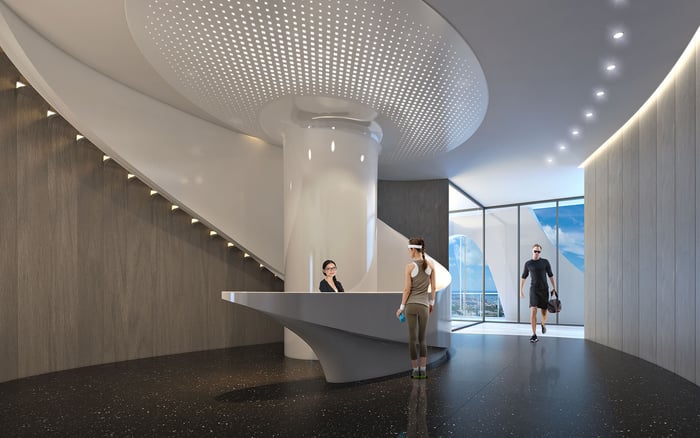
At Waldorf Astoria, elevator logistics deserve special attention because the building’s hospitality character creates layered circulation. The buyer should understand where residents, hotel guests, staff, caterers, and private-event guests move. If the building is meant to feel like a hotel extension, the guest journey must be polished without compromising residential privacy. The key is controlled ease: arrivals should feel welcomed, not processed, and residents should not feel that entertaining traffic has invaded quiet residential zones.
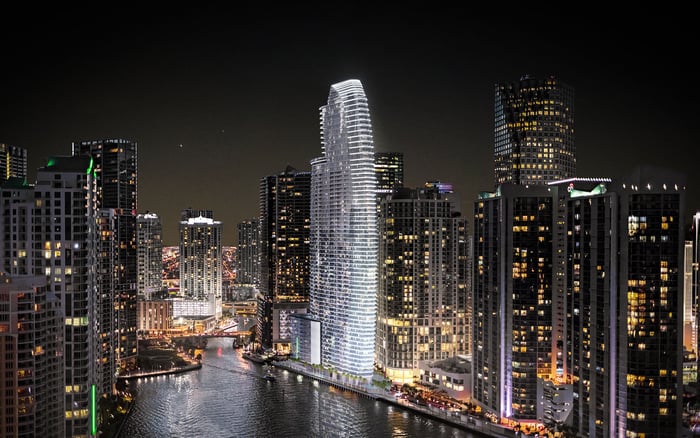
At Aston Martin, the waterfront arrival experience carries more emotional weight. The mouth of the Miami River, the water views, and the brand’s design language all contribute to a sense of occasion. But flow still requires verification. Guests may be arriving for a dinner, a yacht-oriented weekend gathering, or a cocktail event that moves from living area to outdoor space. The owner should test elevator waits, guest access procedures, and how post-event departures unfold when multiple parties leave together.
Waterview drama is valuable, but it should not distract from the fundamentals. A residence can have a beautiful outlook and still struggle if catering arrives through awkward paths, guests cluster near private bedroom corridors, or the elevator sequence feels strained.
Acoustic separation is where many luxury comparisons become serious. The question is not whether a building is “quiet” in the abstract. It is where sound travels when the residence is actually in use.
For Waldorf Astoria, the diligence issue is the interface between hospitality, amenities, vertical circulation, and residential privacy. Buyers should ask how entertaining spaces are separated from quieter residential areas, how elevators and service corridors are buffered, and whether amenity-level social uses are positioned to protect sleep and work zones. A hospitality-led building can be deeply convenient, but only if its social energy is managed with discipline.
For Aston Martin, the acoustic question is more internal to the private residence. If the value proposition includes large-scale hosting inside the home, bedrooms must be meaningfully buffered from living, dining, kitchen, and terrace zones. Buyers should review floor plans through the lens of a real event: music in the living room, conversation at the dining table, caterers in the kitchen, doors opening to the terrace, and household members who may want to sleep or work at the same time.
Neither building should be assessed by assumption. Acoustic performance depends on construction details, door assemblies, glazing, mechanical systems, adjacency, and actual use rules. A refined buyer should request the relevant documents, ask for plan-specific guidance, and avoid relying on brand prestige as a substitute for technical comfort.
Waldorf Astoria may be the more natural fit for the owner who hosts frequent formal dinners, appreciates staffed service, and wants the building to carry part of the entertaining load. This buyer values execution: timing, polish, staff circulation, and the ability to shift some of the evening into residents’ spaces rather than keeping everything inside the residence.
Aston Martin may better suit the buyer who sees the residence itself as the stage. This owner wants scale, privacy, waterfront identity, and a hosting rhythm that begins in the living room and extends toward the water. The building’s social layer remains important, but the primary test is the home’s ability to absorb guests without compromising the household.
Both can work for serious entertaining. Their risk profiles are simply different. Waldorf Astoria depends more on operational service quality and how well hospitality is integrated into residential life. Aston Martin depends more on layout, terrace experience, amenity execution, and separation between social and private zones.
Before committing, buyers should request clarity on private dining reservations, catering policies, outside vendor access, event-hour restrictions, staff elevators, guest parking, service deliveries, and amenity booking priority. For Waldorf Astoria, the most important questions center on service standards and how the building supports formal events. For Aston Martin, the most important questions center on how the residence performs under real hosting conditions.
A private walkthrough should include the entire sequence: valet arrival, lobby greeting, elevator ride, entry into the residence, movement toward dining and lounge areas, service access, terrace use, guest bathroom location, bedroom buffering, cleanup path, and departure. This is where luxury becomes measurable.
The smartest buyer is not asking which name is louder. The buyer is asking which residence allows life to unfold with the least friction and the greatest discretion.
Is Waldorf Astoria Residences Downtown Miami better for formal dinners? It may be better aligned for buyers who want hospitality-style service, private dining support, and staffed event execution.
Is Aston Martin Residences Downtown Miami better for in-home entertaining? It may be better aligned for buyers who want the residence itself to carry the hosting experience, especially with waterfront identity and indoor-outdoor flow.
What should buyers verify first at Waldorf Astoria? Focus on dining operations, service elevators, guest arrival procedures, private dining reservations, and separation between social and quiet areas.
What should buyers verify first at Aston Martin? Focus on kitchen capacity, catering staging, dining scale, terrace usability, amenity rules, and bedroom separation from entertaining zones.
Does brand prestige guarantee acoustic comfort? No. Acoustic comfort should be reviewed through plans, construction details, adjacency, and real use scenarios.
Why does elevator flow matter for entertaining? Elevator flow affects guest arrival, catering delivery, staff circulation, privacy, and the ease of departure after an event.
Can amenity spaces replace in-residence entertaining? They can supplement it, but buyers should verify reservation rules, hours, guest limits, and service standards before relying on them.
How should buyers test guest flow? Walk the full sequence from valet to lobby, elevator, residence entry, dining area, service access, and post-event exit.
Which building is more hospitality-led? Waldorf Astoria is the more hospitality-led option, with more emphasis on service, dining support, and residents’ social spaces.
Which building is more residence-led? Aston Martin is the more residence-led option, with more emphasis on private home scale, waterfront living, and in-unit hosting.
For a discreet conversation and a curated building-by-building shortlist, connect with MILLION.
If branded residences are on your mind — as a home or as an allocation — we would be glad to share what we are seeing, privately.
Begin a quiet conversation