A discreet buyer’s guide to the future operating obligations at The Ritz-Carlton Residences® Miami Beach, from branded service expectations to marina, waterfront, reserve, insurance, and residence-type cost considerations.
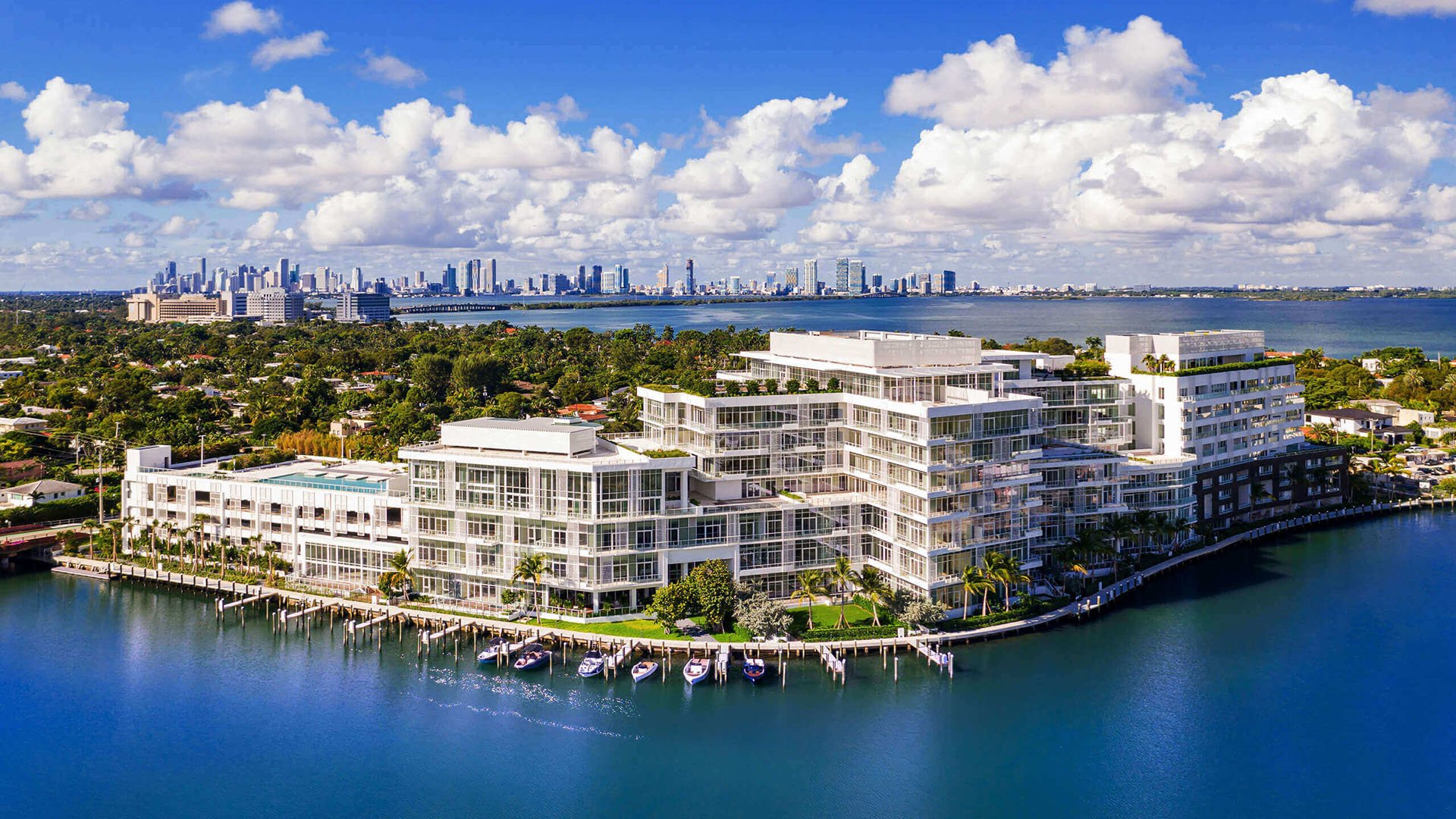
The Ritz-Carlton Residences® Miami Beach is not a traditional transient hotel property. It is a luxury condominium development in Miami Beach, positioned within the branded residential category, where the purchase decision extends beyond floor plan, water views, and finish quality. For sophisticated buyers, the central question is not simply what the residence costs today. It is the level of operating obligation required to preserve the experience tomorrow.
That distinction matters. Branded residences are built around service, consistency, and an elevated standard of daily life. Those attributes can be compelling, especially for owners who value discretion, hospitality-caliber care, and a managed residential environment. They also require disciplined budget review. Service has a cost structure, and in a luxury condominium association, that structure is generally borne through assessments, user fees, reserve contributions, or separate agreements.
For buyers evaluating The Ritz-Carlton Residences® Miami Beach, the proper lens is total cost of ownership. Monthly assessments are only one part of the model. Future capital needs, insurance, staffing, marina usage, private amenity consumption, storage, valet, housekeeping, and service requests can all influence the real carrying cost of ownership.
The Ritz-Carlton name carries an expectation of polished service. In residential form, that experience may involve hospitality-style management rather than ordinary building maintenance alone. Buyers should read the association budget like an operating statement, not merely a list of dues.
Key recurring line items deserve close attention: management, concierge, valet, security, engineering, housekeeping support, amenity operations, utilities, cleaning, repairs, insurance, and periodic refreshes. Staffing can be one of the defining expense categories in a branded residence because service levels are not incidental to the concept. They are part of the value proposition.
The question is not whether service is desirable. For many buyers, it is precisely the reason to own here. The question is whether the current and historical budgets clearly show how that service is funded, whether costs have been stable or rising, and how the association accounts for future adjustments. Buyers comparing Miami Beach properties such as The Perigon Miami Beach or Shore Club Private Collections Miami Beach should apply the same discipline: the more curated the lifestyle, the more important the operating documents become.
Waterfront living changes the due-diligence conversation. The Ritz-Carlton Residences® Miami Beach Miami Beach includes waterfront residences, which makes marine, seawall, dock, and waterfront-maintenance considerations relevant to long-term planning. A landlocked condominium may focus primarily on structure, façade, roof systems, elevators, mechanical systems, staff, and interiors. A waterfront community adds another layer.
The private marina component is particularly important. Marina costs may be included in general association assessments, charged separately to slip users, governed through a separate agreement, or handled through a combination of mechanisms. A buyer should not assume one structure or another without reading the governing documents.
Questions should be direct. Who pays for dock maintenance? How are marine repairs allocated? Are marina expenses shared by all owners or only by users? Are there separate rules, licenses, or agreements for slips? How are insurance and liability handled for the waterfront component? These issues can materially affect the ownership experience, especially for buyers who intend to use the marina as part of daily life.
The broader point applies across South Florida waterfront ownership. The view is only one part of the asset. The edge condition, the infrastructure that protects and services that edge, and the documents that allocate costs around it are equally important.
The property combines condominium residences with villa-style living, so maintenance responsibilities may vary by residence type. This is one of the most important details for buyers to understand before comparing units solely by price, exposure, or interior scale.
Villa or townhome-style residences may involve different cost allocations for exterior areas, landscaping, roofs, terraces, private-use spaces, or other components than standard tower residences. Those differences can be appropriate, but they must be understood. A residence with more private exterior area may carry obligations that do not apply in the same way to a conventional condominium unit.
Buyers should ask for the specific declaration language that applies to the residence type under consideration. They should also examine rules and regulations, maintenance charts, and any limited common element provisions. If a terrace, garden, roof condition, dock-related amenity, or exterior area is for private use, the cost allocation may not be the same as a shared lobby or fitness area.
This is where careful review can prevent a future surprise. Two residences in the same community may participate in the association differently if their physical forms and private-use areas differ.
Amenity-heavy luxury buildings require serious reserve planning. Pools, lounges, service areas, mechanical systems, waterfront infrastructure, interiors, technology, fitness spaces, and hospitality-style amenities all age. In a luxury setting, the standard for repair or replacement is usually elevated as well.
Buyers should ask whether reserves are fully funded and whether any special assessments are pending, planned, recently completed, or under discussion. Meeting minutes can be especially useful because they may reveal issues not obvious from a current budget alone. Reserve schedules can show whether the association is preparing for future replacements, renovations, and capital projects in a measured way.
Insurance deserves its own review. Waterfront Miami Beach condominiums can face meaningful property, windstorm, flood, and liability coverage costs. Buyers should request an insurance summary, understand deductibles, and consider how master-policy coverage interacts with their own unit-level coverage. The goal is not to predict every future premium change. It is to understand the current risk architecture and how it may affect future assessments.
This is also relevant when comparing service-rich coastal and urban properties across the region, from The Ritz-Carlton Residences® Sunny Isles to The Ritz-Carlton Residences® Pompano Beach. Luxury ownership is increasingly about document fluency as much as design appreciation.
A prudent buyer should separate predictable monthly assessments from variable charges. Predictable obligations may include association assessments, reserve contributions, and recurring shared operating costs. Variable charges may include marina use, valet, housekeeping, storage, special service requests, and private amenity usage.
The cleanest model has three columns. First, fixed recurring costs. Second, owner-selected services and usage-based charges. Third, future-risk categories such as reserves, insurance movement, capital projects, and special assessments. This helps buyers see the difference between the cost of belonging to the community and the cost of using it in a highly personalized way.
For high-net-worth owners, the issue is rarely whether the expenses are affordable. It is whether they are visible, rational, and aligned with the intended lifestyle. A seasonal owner who wants turnkey support may value service depth differently from a full-time resident who uses the marina daily or a villa buyer with extensive private exterior space.
The strongest advice is often the simplest: read the condominium documents before falling in love with the view. The most beautiful waterfront residence should still be underwritten with the same rigor one would apply to any significant private asset.
Is The Ritz-Carlton Residences® Miami Beach a hotel? It is a luxury condominium development in Miami Beach rather than a traditional transient hotel property.
Why do branded residential obligations require extra review? Branded service levels can involve hospitality-style management costs beyond ordinary condominium maintenance.
What budget items should buyers study most closely? Review management, concierge, valet, security, engineering, housekeeping support, amenities, insurance, utilities, and reserves.
Does the marina automatically cost the same for every owner? Buyers should confirm whether marina expenses are included in general assessments, charged to slip users, or governed separately.
Why does waterfront ownership change the cost analysis? Waterfront properties may involve marine, seawall, dock, liability, and maintenance considerations that landlocked buildings do not share.
Can villa residences have different obligations than tower units? Yes. Villa-style residences may have different allocations for exterior areas, landscaping, roofs, terraces, or private-use spaces.
Should buyers ask about special assessments? Yes. Ask whether any assessments are pending, planned, recently completed, or discussed in association minutes.
Why are reserves important in an amenity-heavy building? Reserves help fund future replacements, renovations, repairs, and capital projects without relying solely on sudden owner assessments.
What insurance issues should be reviewed? Buyers should examine property, windstorm, flood, liability coverage, deductibles, and the relationship between master and unit policies.
How should buyers model total ownership cost? Separate fixed assessments from variable charges such as marina use, valet, housekeeping, storage, service requests, and private amenities.
For a discreet conversation and a curated building-by-building shortlist, connect with MILLION.
If branded residences are on your mind — as a home or as an allocation — we would be glad to share what we are seeing, privately.
Begin a quiet conversation