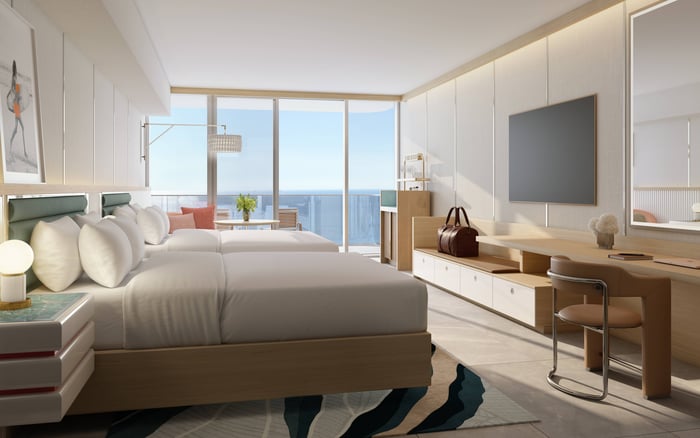
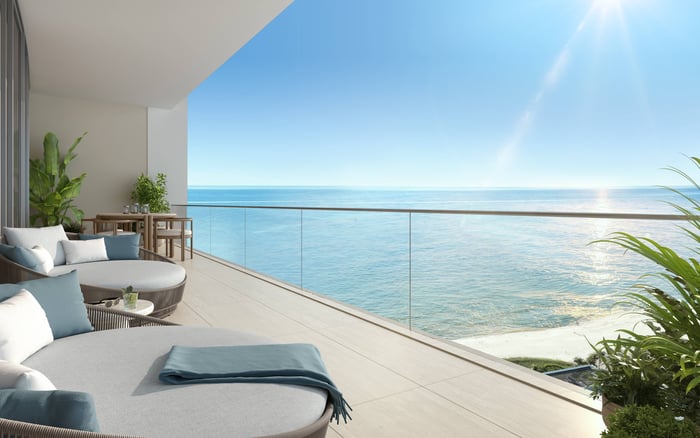
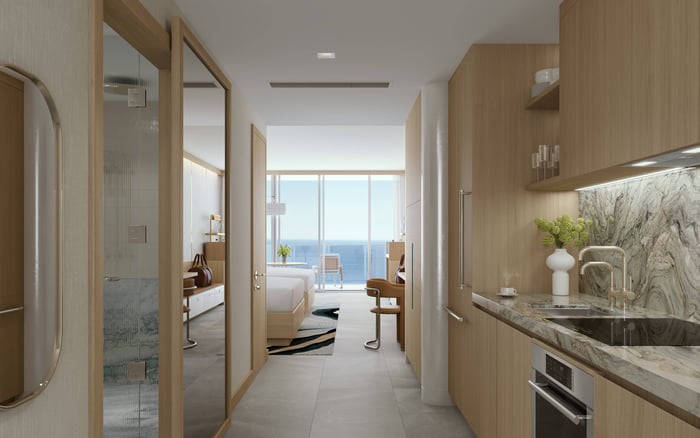
A buyer-focused look at why back-of-house service planning matters at W Pompano Beach Hotel & Residences, especially for owners evaluating branded coastal living.
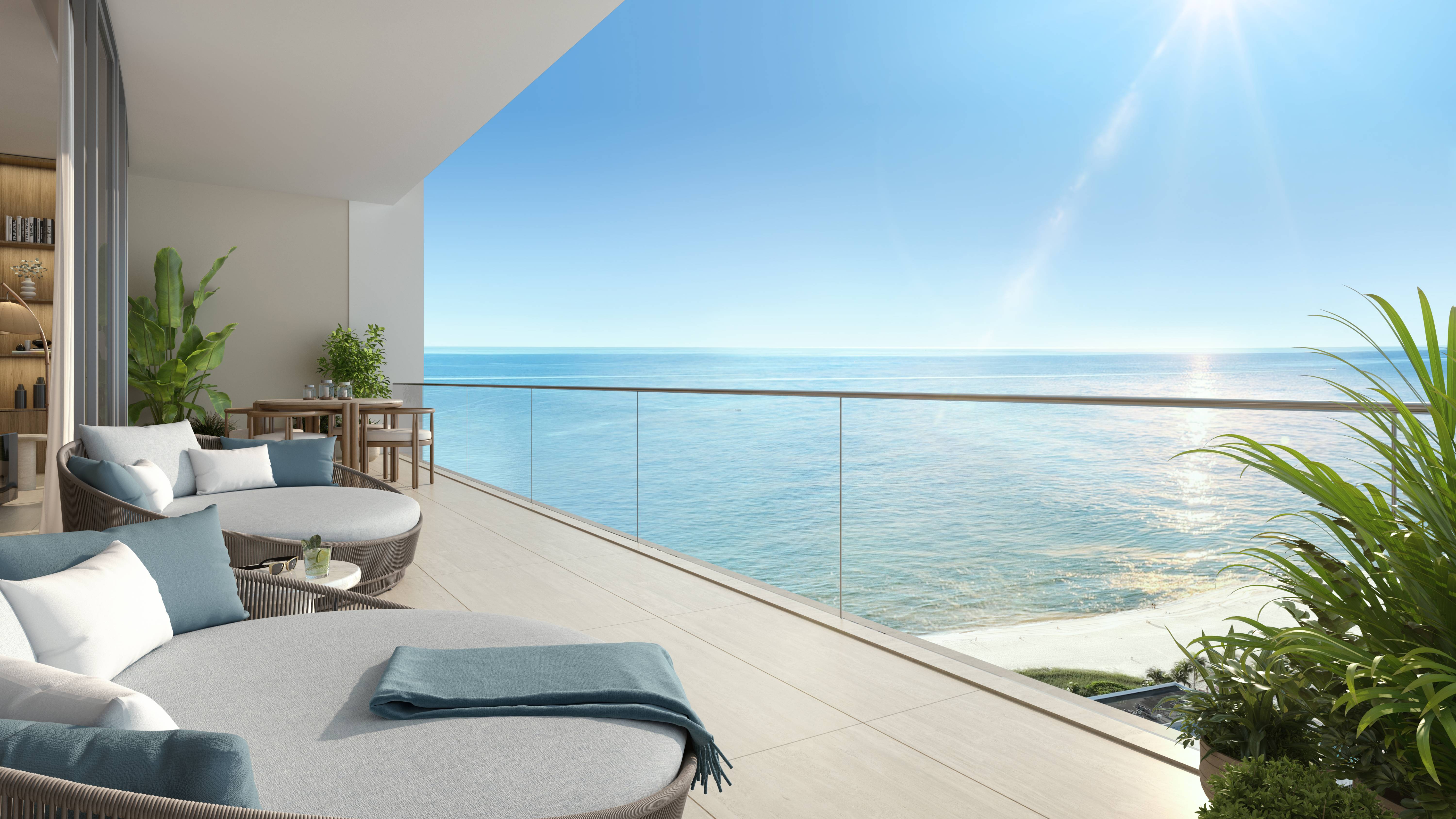
At W Pompano Beach Hotel & Residences, the phrase Hotel & Residences is not ornamental. It signals a promise that extends beyond a private apartment on the coast. For a buyer, it raises a more practical question: can the property support the daily choreography that hotel-style living requires?
In traditional luxury condominium shopping, the conversation often begins with exposure, ceiling height, terrace depth, finishes, amenity design, and views. Those elements remain essential. Yet a hotel-and-residences concept introduces another layer. The value proposition depends not only on what residents see, but on what happens quietly behind the scenes: who responds, where they work, how they coordinate, and whether the service model can remain composed when the building is fully in use.
That is why staff-room practicality belongs in serious buyer due diligence. It is not a glamorous phrase, but it can influence the lived experience of a branded coastal residence as much as the lobby lighting or pool deck furniture.
A hotel-residence environment asks a building to serve two distinct but related rhythms. Guests may expect immediacy, polish, and hospitality-level attentiveness. Owners expect privacy, predictability, and a residential sense of control. The best outcome is not simply more service, but better-organized service.
Staff rooms, staging areas, service corridors, storage zones, housekeeping coordination points, maintenance access, and owner-service workspaces all affect how gracefully the property functions. If the visible experience is meant to feel effortless, the invisible infrastructure must be practical enough to support it.
For buyers evaluating W Pompano Beach Hotel & Residences, this shifts the lens. The question is not only whether the property offers a branded hospitality environment. It is whether the building’s operational logic appears aligned with that ambition. A residence can have compelling design and still feel strained if service teams lack the space, routing, or coordination points needed to perform consistently.
Luxury is often judged in calm moments, but ownership is tested during peak use. Consider arrival windows, amenity demand, housekeeping coordination, maintenance requests, package flow, owner questions, vendor access, and guest movement. Each touchpoint depends on people, and people need functional space to operate.
This is where staff-room practicality becomes a quiet differentiator. A well-conceived back-of-house plan can help preserve calm in front-of-house areas. It may reduce friction at arrival, support cleaner amenity operations, make maintenance less intrusive, and allow concierge and owner-service teams to respond with greater confidence.
For a buyer comparing W Pompano Beach Hotel & Residences with a conventional condominium, this distinction matters. A less service-heavy building may not require the same operational depth. A hotel-and-residences property, by contrast, asks its service model to carry part of the purchase rationale. If that service model is underpowered, the brand experience can feel more like a promise than a daily reality.
Buyers do not need to become hotel operators to ask better questions. They simply need to treat service logistics as part of the residence, not as an afterthought. The ownership experience is shaped by the answers to practical questions.
Who handles owner services? How are residential needs distinguished from hotel-facing needs? How is housekeeping coordinated for residences, if applicable? Where do service teams stage before entering owner areas? How are maintenance requests routed? What happens when multiple owners, guests, and amenity users require attention at the same time?
The answers may vary by building policy and final operating structure. The point is to identify whether the property has a coherent approach. A polished sales narrative is valuable, but sophisticated buyers will want to understand the practical mechanics beneath it.
This is especially relevant for second-home purchasers who may not occupy the residence every week. For them, reliability is not a luxury extra. It is central to the reason for choosing a branded hotel-residence environment in the first place.
South Florida buyers are increasingly fluent in the language of premium real estate. They understand views, materials, wellness spaces, waterfront positioning, and branded design. But operational luxury is harder to photograph.
Operational luxury is the sense that someone anticipated the real-life use of the building. It is the feeling that arrival is controlled, that staff know where to be, that service does not spill awkwardly into residential privacy, and that amenities remain enjoyable because the people supporting them have the space and systems they need.
For W Pompano Beach Hotel & Residences, the Hotel & Residences structure makes this issue especially relevant. The project sits within the broader South Florida conversation around branded coastal ownership, where hospitality responsiveness is often part of the appeal. Buyers are not simply purchasing a floor plan. They are evaluating whether the building can deliver a residential version of hospitality without sacrificing discretion.
For taxonomy-minded buyers, the relevant filters include W Pompano Beach Hotel & Residences, Pompano-beach, Condo-hotel, Oceanfront, New-construction, and Second-home. Those labels describe the search category, but they do not answer the operational question. That question requires a closer look at how ownership will feel after move-in.
Staff-room practicality can influence a buyer’s final decision because it translates a brand promise into daily performance. A buyer may love a residence, respect the design direction, and appreciate the coastal setting, yet still hesitate if the service model feels vague. Conversely, confidence in operations can strengthen the case for purchase, particularly for buyers who value ease, privacy, and continuity.
This does not require unsupported assumptions about staffing ratios, resale outcomes, or fee formulas. The more disciplined conclusion is simpler: in a hotel-and-residences property, staffing and service logistics belong inside the value discussion. They shape how amenities are experienced, how owners are supported, and how the building protects its sense of composure.
The most discerning buyers will still study the residence itself. They will walk the amenity areas, consider views, understand fees, and evaluate lifestyle fit. But they will also ask what happens behind the doors marked staff only. In a branded coastal building, those rooms may shape the ownership experience more than many buyers initially realize.
Why does staff-room practicality matter at W Pompano Beach Hotel & Residences? Because a hotel-and-residences concept depends on service delivery, not only design. Staff spaces help determine how smoothly that service can function.
Is this different from evaluating a conventional condominium? Yes. A conventional condominium may have a lighter service model, while a hotel-residence property places more emphasis on hospitality-style responsiveness.
What should buyers ask about owner services? Buyers should ask who handles owner requests, how priorities are managed, and how residential privacy is protected during service interactions.
Does staff planning affect amenities? It can. Amenities feel more refined when teams have practical ways to maintain, monitor, and support them without disrupting residents.
Should buyers focus only on unit finishes and views? No. Finishes and views matter, but the daily ownership experience also depends on operations, staffing coordination, and service access.
Is housekeeping coordination relevant to residential buyers? It may be, depending on the services offered and how they are structured. Buyers should understand what is included and how it is scheduled.
Can staff-room practicality influence privacy? Yes. Thoughtful service routes and work areas can help separate residential life from operational movement.
What is the key due diligence takeaway? Treat the service model as part of the product. In a branded residence, the experience depends on both visible amenities and hidden systems.
Is this mainly important for second-home owners? It is especially relevant for second-home owners, who often value reliability and support when they are not in residence.
What should a buyer compare against other coastal residences? Compare not only design and location, but also how each property appears prepared to deliver service consistently.
For a discreet conversation and a curated building-by-building shortlist, connect with MILLION.
If branded residences are on your mind — as a home or as an allocation — we would be glad to share what we are seeing, privately.
Begin a quiet conversation