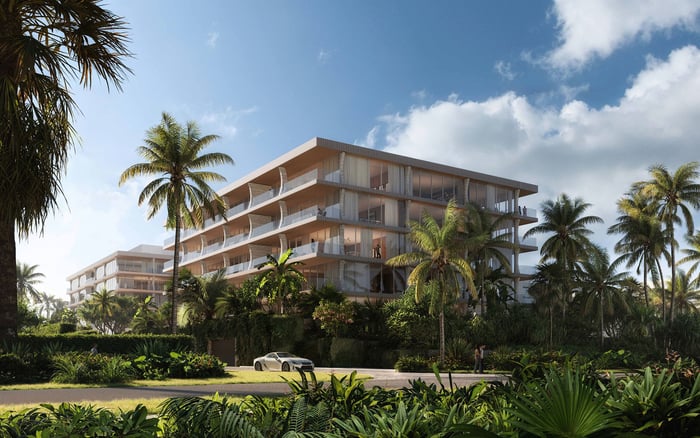
A discreet due-diligence guide for family buyers considering St. Regis® Residences Sunny Isles, focused on the façade-maintenance questions that can shape comfort, continuity, and long-term ownership confidence.
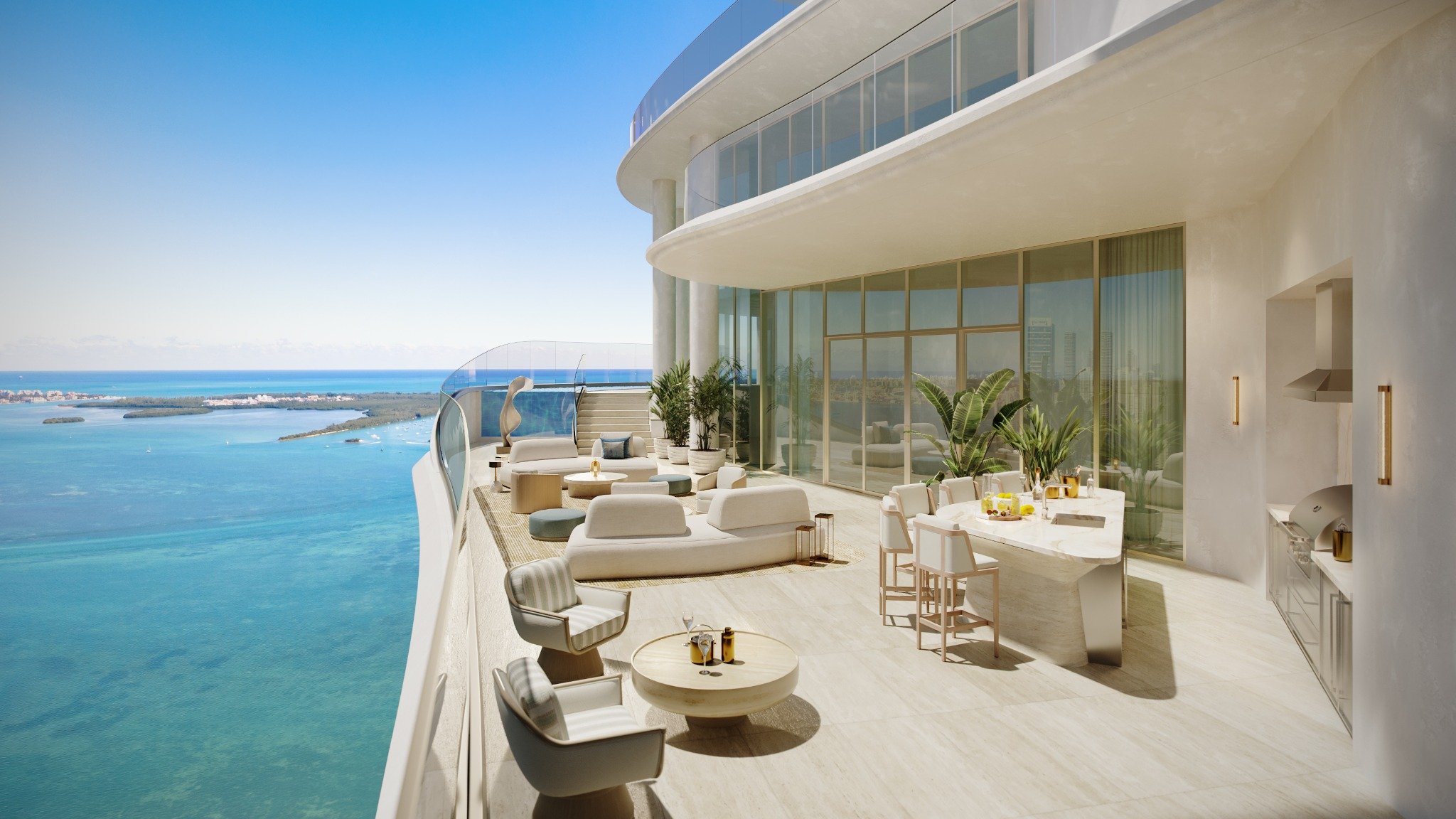
St. Regis® Residences Sunny Isles sits within one of South Florida’s most discerning residential conversations: branded living, coastal scale, and a buyer profile that may include children, visiting relatives, household staff, and multigenerational use. For families, a building’s exterior is not an abstract technical subject. It shapes privacy, daylight, terrace enjoyment, daily routines, and the confidence that a residence will remain composed over time.
The point is not to become an engineer before signing a contract. The point is to ask sharper questions. A family evaluating St. Regis® Residences Sunny Isles should treat façade maintenance as part of the lifestyle review, alongside floor plan, amenity access, parking, school logistics, service culture, and long-term ownership expectations.
In a buyer’s shorthand, the search may include Sunny Isles, oceanfront, new-construction, balcony, and terrace priorities. Those terms sound simple, but each touches the exterior envelope in some way. The more a household expects to use outdoor space, entertain guests, or occupy the residence for extended seasons, the more important the maintenance framework becomes.
The first questions should be administrative, not aesthetic. Ask which governing documents explain responsibility for exterior components, balcony areas, terrace finishes, railings, glass, operable openings, and any limited common elements. The goal is to understand where private-owner responsibility ends and building-level responsibility begins.
Families should also ask how façade-related information is communicated to residents. A refined building experience depends on predictability. If exterior work is ever required, households with children, nannies, tutors, guests, or elderly relatives need advance notice, clear rules, and a reliable point of contact. Even minor exterior activity can feel disruptive when it intersects with nap schedules, remote work, school mornings, or seasonal entertaining.
Buyers should request plain-language explanations of procedures. Who receives notices? How are updates delivered? How are questions escalated? Which decisions require resident participation, and which are handled by the association or building management? These are governance questions, and governance often matters as much as finishes.
A luxury façade is not merely a surface. It is a system that may include glass, framing, sealants, waterproofing transitions, railings, doors, balcony or terrace edges, and connections between private and common areas. Family buyers do not need to memorize each component, but they should understand that exterior performance depends on coordinated care.
A useful question is simple: how does the building define façade-maintenance scope? The answer should clarify whether the discussion includes only visible exterior surfaces or also adjacent components that affect everyday living. A terrace door may be experienced as part of a private residence, while its performance can relate to exterior-envelope standards. A railing may feel like a design feature, yet also belong to a broader maintenance plan.
This is especially relevant for families that expect heavy use of outdoor spaces. Children may move constantly between interior rooms and terraces. Guests may gather outside during holidays. Owners may furnish exterior areas for dining, lounging, or play. The more central outdoor space is to family life, the more valuable it is to know how that space is maintained and what obligations attach to it.
Families should ask how future exterior work, if needed, would be coordinated around occupied residences. The core issue is not whether maintenance exists; all sophisticated buildings require care. The essential question is how respectfully that care is managed.
Questions should focus on notice, timing, privacy protocols, and resident communication. Will residents be informed before activity near windows, balconies, or terraces? Are there quiet-hour expectations? How are homes with small children or private staff treated when access to certain areas must be limited? How is security handled when building personnel or approved professionals are present in residential zones?
The ideal answer is not necessarily a promise of no inconvenience. It is evidence of structure. Families can tolerate occasional inconvenience when expectations are clear. They are less comfortable with uncertainty, sudden schedule changes, or vague responsibility.
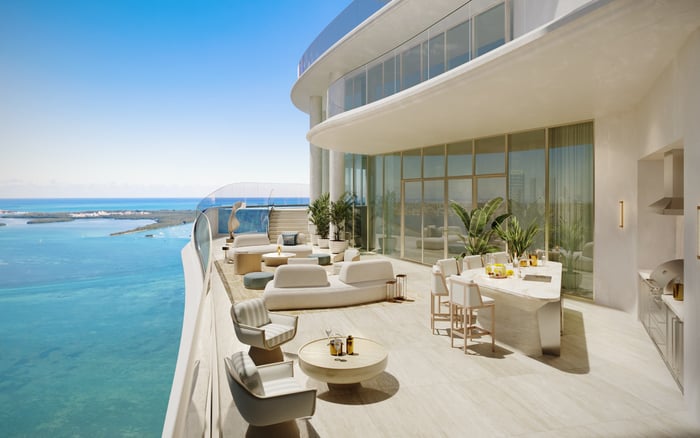
For many Sunny Isles buyers, the outdoor room is central to the purchase decision. A balcony or terrace can function as a morning retreat, a place for children to watch the water, a private dining extension, or a quiet transition between beach life and formal interiors. That appeal is precisely why the rules matter.
Ask what may be placed outside, what may be altered, and what must remain consistent with building standards. Ask whether flooring, planters, furniture, lighting, or decorative elements are subject to approval. These questions are not merely about taste. They help prevent friction between a family’s intended lifestyle and the building’s long-term exterior presentation.
A family comparing St. Regis® Residences Sunny Isles with other ultra-premium options should listen for operational clarity. The best answers tend to be specific without feeling bureaucratic. They protect the architecture while still allowing owners to live well.
In the highest tier of residential real estate, governance is part of the product. A beautifully designed tower can feel less luxurious if communication is inconsistent, responsibilities are unclear, or resident expectations are not aligned. Conversely, a well-governed building can make ownership feel calmer and more durable.
Families should ask who explains façade-related decisions after purchase and how new owners are oriented. Is there a resident handbook? Are exterior-use rules easy to understand? Are questions routed through management, an owner committee, or another defined channel? The answers reveal how the building intends to preserve consistency over time.
This is also where family priorities differ from purely investment-led priorities. A second-home buyer may focus on occasional use. A family using the residence regularly may care more about predictability, safety, privacy, and continuity. A household with children wants to know that the residence will function gracefully during school weeks and peak-season visits alike.
Façade maintenance is also a resale topic, though it should be approached carefully. Future buyers may ask the same questions today’s families are asking: how is the building cared for, how are responsibilities allocated, and how does management communicate? Clear answers can make an ownership story easier to understand.
For St. Regis® Residences Sunny Isles, the brand name may attract attention, but sophisticated buyers will still evaluate practical details. They may admire the architecture and service promise, then turn quickly to the documents. Family buyers should do the same. A polished residence is most compelling when the ownership framework feels equally polished.
The strongest due diligence is quiet, specific, and unemotional. Ask for definitions. Ask for procedures. Ask who decides, who pays, who communicates, and how residents are protected from avoidable confusion. Those questions do not diminish the romance of ownership. They protect it.
Before committing, a family should be able to answer several practical questions in its own words. What parts of the façade are treated as building responsibilities? What parts of a balcony or terrace are the owner’s responsibility? How are exterior-use rules communicated? How would residents be notified of future work? What privacy standards apply near occupied homes? How are children, guests, and household staff considered in day-to-day coordination?
The conversation should feel transparent. If an answer is technical, ask for a plain-language version. If a responsibility is shared, ask where that is written. If a rule affects terrace life, ask how it has been designed to preserve both personal enjoyment and architectural consistency.
For a family, the best purchase decision is not based on one spectacular view or one beautiful room. It rests on confidence that the building’s systems, documents, and culture support real life. Façade maintenance is one of the places where that confidence becomes visible.
Why should family buyers ask about façade maintenance at St. Regis® Residences Sunny Isles? Because exterior care can affect privacy, terrace use, communication, and day-to-day household comfort over time.
Is façade maintenance only a technical issue? No. It is also a lifestyle and governance issue, especially for families using the residence frequently.
What documents should buyers review? Buyers should review the governing documents that define owner responsibilities, building responsibilities, and exterior-use rules.
Should families ask about balconies and terraces specifically? Yes. Outdoor areas are often central to family living, so responsibility boundaries and use rules should be clear.
What is the most important communication question to ask? Ask how residents are notified about any exterior-related activity that could affect privacy, access, or quiet enjoyment.
Can buyers ask for plain-language explanations? Yes. Technical answers should be translated into practical terms that a household can understand before purchase.
Does this topic matter for seasonal owners? Yes. Seasonal owners still need clarity on notices, responsibilities, and how issues are handled when they are away.
How does façade governance relate to luxury? Strong governance helps preserve order, consistency, and confidence, which are essential parts of a luxury ownership experience.
Should families compare façade policies across buildings? Yes. Comparing policies can reveal differences in clarity, resident communication, and long-term ownership expectations.
What is the best mindset for this due diligence? Treat façade questions as a way to protect the pleasure of ownership, not as a reason to diminish the appeal of the residence.
For a confidential assessment and a building-by-building shortlist, connect with MILLION.
If branded residences are on your mind — as a home or as an allocation — we would be glad to share what we are seeing, privately.
Begin a quiet conversation