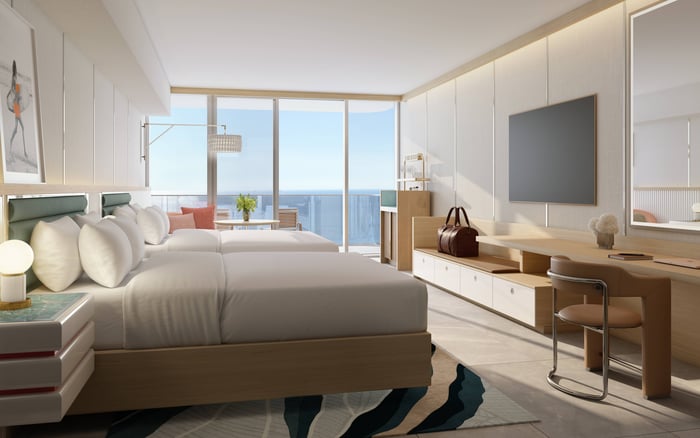
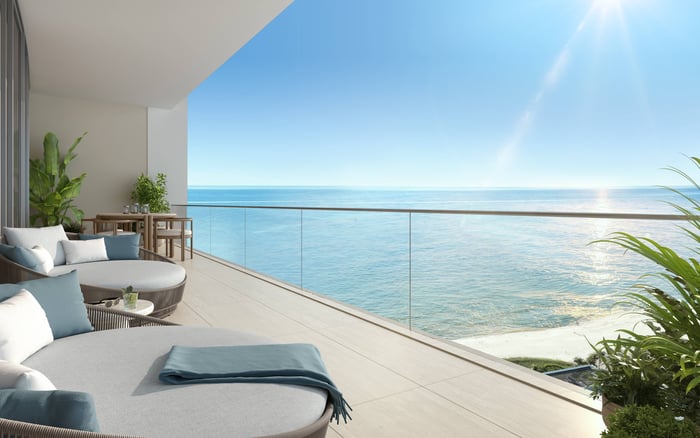
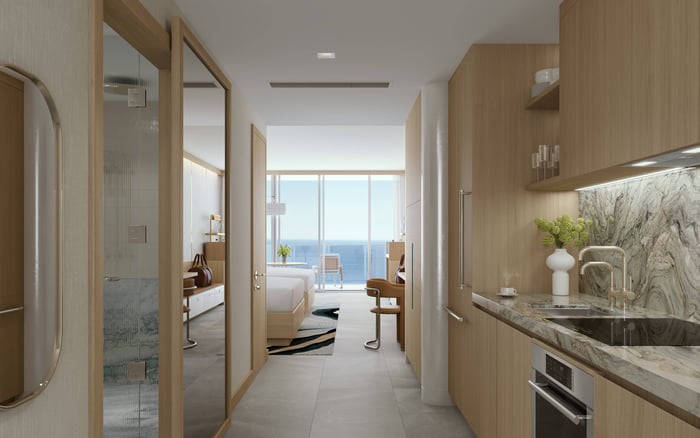
A buyer-focused look at W Pompano Beach Hotel & Residences, where branded hospitality, second-home convenience, and lock-and-leave ownership meet the practical realities of dollar-denominated planning.
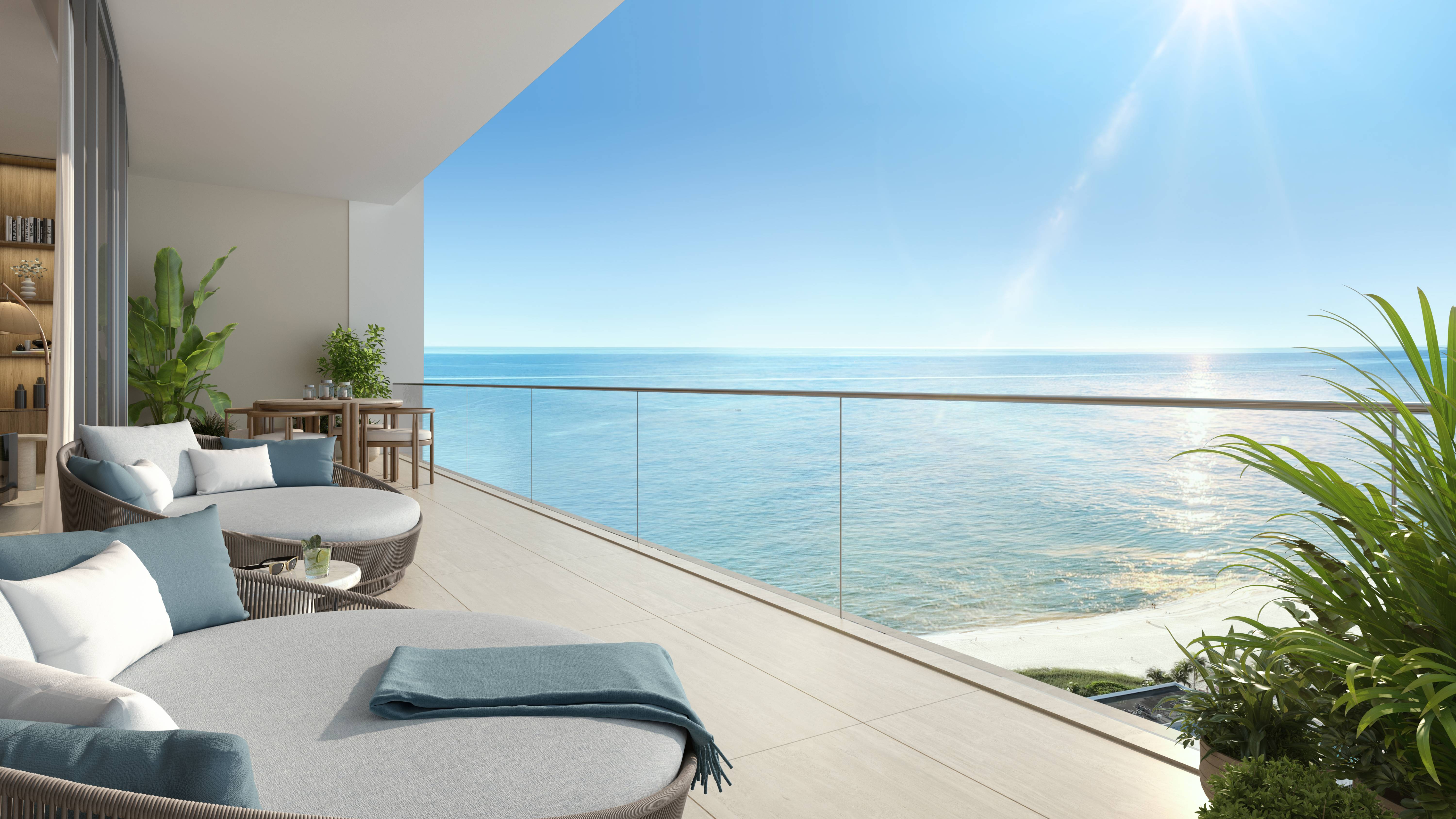
W Pompano Beach Hotel & Residences enters the South Florida conversation with a proposition that is easy to understand and important to examine carefully: a branded residential setting for buyers who want private ownership supported by a hospitality-oriented lifestyle. For an affluent buyer dividing time across cities, countries, or asset classes, that premise can be compelling. The ideal second home should be ready on arrival, manageable during absences, and aligned with the owner’s preferred rhythm rather than becoming another administrative burden.
That is the lock-and-leave question behind dollar-strength planning. The issue is not simply whether a buyer likes the brand, the beach lifestyle, or the idea of a serviced residence. It is whether a dollar-denominated South Florida home can function smoothly when the owner is elsewhere. In that sense, the appeal of W Pompano Beach Hotel & Residences is not only emotional. It is operational.
Pompano Beach is part of Broward County’s coastal luxury conversation, making it relevant for buyers who want South Florida access outside Miami-Dade and Palm Beach. For buyers comparing branded residences across the region, the city can offer a different lifestyle frame: coastal, residential, and connected to a broader tri-county market without defaulting to the most familiar luxury addresses.
The shorthand is clear: W Pompano Beach Hotel & Residences sits at the intersection of Pompano Beach, branded hospitality, condo-hotel thinking, second-home use, and new-construction interest. That combination matters because the buyer is not only evaluating an interior space. The buyer is also evaluating a lifestyle system: arrival, services, amenities, privacy, building culture, and the extent to which hospitality support can reduce the friction of ownership.
The W identity adds another layer. It signals a contemporary hospitality sensibility, which may appeal to buyers who prefer a design-forward and social atmosphere. For buyers seeking a quieter or more traditional residential environment, that same identity should be studied rather than assumed to be a universal fit.
Lock-and-leave is often used as a soft phrase, but in high-end coastal ownership it carries hard implications. A buyer should ask what happens in the days and months when the residence is empty. Who monitors conditions? How does access work? What rules govern service providers, guests, maintenance, deliveries, and owner arrivals? Which services are included, which are optional, and which depend on the property’s operating structure?
For a seasonal owner, hospitality-style support can be meaningful. The value is not only convenience; it is the ability to reduce the time between arrival and enjoyment. That can matter for buyers who visit South Florida for a long weekend, a winter stay, a school break, or a spontaneous escape.
Still, convenience should not be confused with absence of complexity. The lock-and-leave thesis depends on service infrastructure, building rules, ownership costs, and whether management procedures truly offset the complexity of remote ownership. A sophisticated buyer will want to see how the promise is translated into documents, fees, procedures, and daily operations.
For domestic buyers, the dollar lens is often about liquidity and timing. For international buyers, it can be more layered. If income, business proceeds, or investment assets are held in another currency, a U.S. residence introduces dollar-denominated exposure. The purchase is only the beginning. Ongoing association obligations, insurance, taxes, maintenance, discretionary services, travel, furnishings, and personal support can all create recurring dollar commitments.
A branded lock-and-leave residence may help simplify use, but it does not erase carrying costs. In many cases, the value proposition depends on whether the buyer sees services and amenities as part of the lifestyle return. That may be exactly what the buyer wants, provided the costs are understood before commitment rather than treated as an afterthought.
The planning question is therefore less, “Is the dollar strong?” and more, “How much of my lifestyle balance sheet do I want tied to a U.S. dollar coastal asset?” Buyers who answer that question clearly tend to make better decisions. They can separate emotional appeal from financial structure and determine whether a serviced residence is a lifestyle hedge, a seasonal base, a family gathering point, or a long-term real estate position.
The most persuasive argument for the branded residence model is time. A buyer who uses a home seasonally may value friction reduction more than square footage alone. The ability to arrive to a managed property with lifestyle amenities can compress the distance between travel and enjoyment.
At W Pompano Beach Hotel & Residences, the buyer should think about the relationship between private residential use and hospitality energy. That format can appeal to owners who do not want to choose between a personal South Florida base and a more serviced environment. The residence becomes a private anchor within a broader lifestyle concept.
The trade-off is that branded environments have personalities. Buyers should consider whether that identity aligns with how they actually live. A residence can be beautifully positioned and still be the wrong fit if the building culture does not match the owner’s preferred rhythm.
The first diligence point is use. Will the residence be occupied for a few weeks, several months, or intermittently throughout the year? The answer shapes everything else. A frequent user may care most about immediate comfort, amenity depth, and personal routines. A highly seasonal owner may prioritize remote oversight, access protocols, and service reliability when the residence is vacant.
The second point is governance. Hotel-and-residences projects can involve layered rules around residential use, common areas, guest access, amenity privileges, and service arrangements. Buyers should understand where the private residence experience begins and where hospitality operations influence the environment.
The third point is cost clarity. A lock-and-leave residence is not merely a purchase. It is an operating commitment. The more services an owner expects, the more important it becomes to identify what is included, what is optional, and what can change over time.
The fourth point is design suitability. Buyers should consider privacy, exposure, storage, arrival sequences, outdoor usability, and the practicalities of owning in a coastal climate. The strongest decision is not the most emotional one; it is the one where lifestyle, governance, and financial exposure align.
W Pompano Beach Hotel & Residences is best understood as a lifestyle infrastructure question: branded hospitality, private ownership, South Florida access, and a serviced second-home use case in one package. Its appeal is strongest for buyers who want a lock-and-leave residence without taking on the full management burden of a conventional property.
For dollar-strength planning, the key is discipline. A buyer should treat convenience as a value category, not a substitute for diligence. If the service model, governance, costs, and brand culture align, the lock-and-leave premise can be powerful. If those elements are unclear, the same convenience narrative can mask the real obligations of ownership.
What is W Pompano Beach Hotel & Residences? It is a branded residential topic in Pompano Beach, Florida, evaluated here through the lens of lock-and-leave ownership and dollar-denominated planning.
Who should consider a lock-and-leave residence? It may suit buyers who divide time between homes and want a South Florida base that is easier to manage while they are away.
What does lock-and-leave mean in this context? It refers to an ownership approach focused on lower-friction arrivals, departures, oversight, and day-to-day use.
Why is the W brand relevant to buyer fit? A branded hospitality identity can shape service expectations, amenity culture, design tone, and the overall atmosphere of ownership.
Why does dollar-strength planning matter? Buyers should consider how purchase obligations and ongoing costs may create recurring exposure to the U.S. dollar.
Does branded hospitality eliminate ownership complexity? No. It may reduce some friction, but buyers still need to review rules, fees, service scope, access, and management procedures.
What should seasonal owners study first? They should focus on remote oversight, access protocols, maintenance expectations, service availability, and how the residence is cared for when vacant.
How should buyers evaluate building culture? They should ask whether the property’s energy, service style, amenity rhythm, and privacy level match how they expect to live.
What costs deserve special attention? Association obligations, insurance, taxes, maintenance, furnishings, travel, and optional services should all be reviewed as part of the ownership picture.
What is the main takeaway for global second-home buyers? The strongest purchase case depends on alignment among lifestyle goals, governance, service expectations, and long-term dollar-denominated commitments.
When you're ready to tour or underwrite the options, connect with MILLION.
If branded residences are on your mind — as a home or as an allocation — we would be glad to share what we are seeing, privately.
Begin a quiet conversation