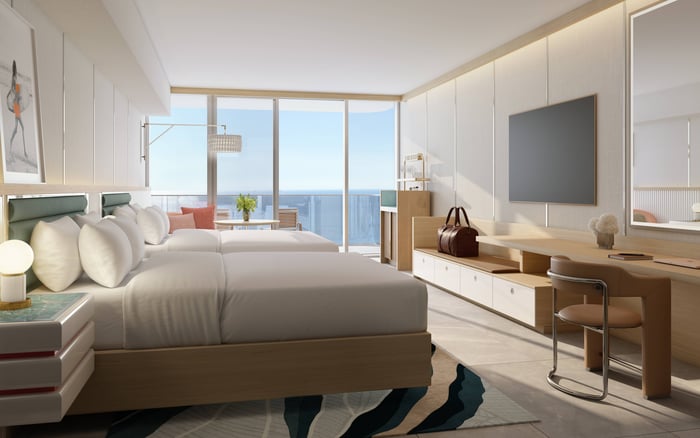
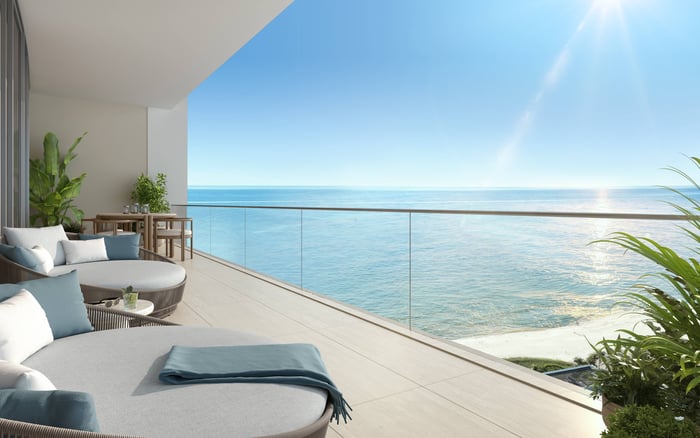
A buyer-focused guide to evaluating hurricane-resistant glazing at W Pompano Beach Hotel & Residences before contract, with emphasis on approvals, assemblies, water intrusion, warranties, and contract remedies.

At W Pompano Beach Hotel & Residences, hurricane-resistant glazing should be evaluated as a primary risk item before contract, not as a decorative upgrade. In a coastal luxury purchase, the glass line is more than a view corridor. It is part of the building envelope, the weather barrier, the acoustic filter, and the first visible expression of how the residence meets the ocean.
For a buyer comparing South Florida residences, the phrase “hurricane glass” is not enough. It should lead to a deeper review of the exact systems proposed for the residence: windows, balcony doors, corner glass, frames, anchors, sealants, sill pans, interlayers, hardware, and water-management details. The question is not whether the marketing language sounds reassuring. The question is whether the actual assembly, as designed and installed, is supported by approvals, specifications, and inspection rights that can withstand contract scrutiny.
This is especially important for W Pompano Beach Hotel & Residences because luxury coastal towers often place a significant portion of the exterior envelope in glass. The more glass a residence carries, the more consequential the details become.
Buyers often focus on the glass itself. That is understandable, but incomplete. Glazing performance depends on the full assembly: the laminated or insulating glass unit, the frame series, the anchorage pattern, the fasteners, the balcony door hardware, the sill system, the drainage path, and the sealants that connect the system to the surrounding structure.
A high-performing pane in a poorly detailed frame is not a complete answer. A strong door panel with weak anchorage is not a complete answer. A visually striking floor-to-ceiling wall without documented water-management performance is not a complete answer either.
Before contract, the buyer’s team should request the exact glazing specifications for the residence type under consideration. That includes product data for exterior openings, shop drawings when available, and confirmation that the approved product matches the installed configuration. Glass size, door type, frame series, anchoring pattern, and opening location all matter. A product approval is useful only if it corresponds to what will actually be delivered.
For Pre-construction buyers, this review should occur early enough to influence contract language, not after expectations have been reduced to verbal assurances.
A buyer should ask whether each exterior opening has applicable Florida or Miami-Dade/Broward product approvals. Generic references to impact windows do not answer the most important question: approved for what configuration, under what conditions, and with what installation requirements?
The practical review is straightforward. Ask for the product approvals. Compare them to the actual window and door schedule. Confirm whether the opening sizes, frame types, door operations, glazing makeup, and anchoring details align. If the residence includes large sliding balcony doors, corner glass, or broad floor-to-ceiling window walls, those elements deserve specific attention rather than being folded into a general statement about the building.
For buyers accustomed to evaluating finishes, this may feel technical. In reality, it is the same discipline used to review stone, millwork, appliance packages, or private elevator details, only with greater risk implications. The exterior envelope protects the interior investment.
Oceanfront living changes the standard of inquiry. Wind and impact resistance are only part of the conversation. Water intrusion, corrosion, drainage, and long-term maintenance are equally important, particularly for a residence that may sit vacant between visits or be used seasonally.
Pre-contract diligence should include questions about water-intrusion performance, not only impact performance. Storm-related damage can occur through failed seals, overwhelmed sills, compromised frames, or poor drainage paths. Once water enters a residence, the consequences can extend well beyond the glass line, affecting flooring, millwork, walls, furnishings, and mechanical systems.
Buyers should also ask about corrosion-resistant fasteners, frame finishes, sealant requirements, hardware durability, and maintenance obligations. Coastal conditions test finishes and connections over time. A beautifully detailed frame must also be maintainable in salt-air exposure.
For a Second-home buyer, these questions carry an additional layer. If the owner is away during storm season, performance is not only about immediate safety. It is about insurance confidence, repair reserves, downtime, rental interruption where applicable, and resale trust.
The most desirable coastal residences often feature the most exposed glazing conditions. Large-format glass walls, broad balcony doors, and corner units create the drama buyers want. They also concentrate the due-diligence questions.
Corner geometry can affect wind pressure, water-intrusion risk, and anchorage demands. Balcony doors introduce moving parts, tracks, thresholds, locking hardware, and drainage conditions that fixed glass does not. Floor-to-ceiling glass may require careful review of deflection, seal continuity, and frame integration.
None of this means a buyer should avoid glass-forward residences. It means the buyer should evaluate them with the same sophistication used to evaluate the view premium itself. The view is an asset. The system that protects it is part of that asset.
In a New-construction purchase, the most useful documents may include façade consultant materials, shop drawings, test reports, product approvals, mock-up results, and closeout documents when available. Not every document will be available at the same stage, but the contract can establish what must be delivered, when, and in what form.
The strongest pre-contract position is not a conversation. It is a written framework. Buyers should work with qualified counsel and technical advisers to translate glazing expectations into contract provisions.
Useful contract concepts may include delivery of product approvals, confirmation that installed systems match approved configurations, rights to review relevant closeout documents, inspection rights before closing, warranty assignments where applicable, and post-turnover remedies for defects in materials or workmanship.
Warranty review deserves particular care. Buyers should request warranty terms for glass, interlayers, insulating-glass seals, frames, hardware, finish coatings, and installation workmanship. These categories may be covered by different parties or different time periods. The buyer should understand what is covered, what is excluded, and what maintenance obligations could affect coverage.
This is where buyer discipline matters. If hurricane-glass performance is important to the acquisition thesis, it should not remain a loose expectation. It should be documented clearly enough that the buyer, developer, contractor, and association can all understand the standard.
For an investor, the glazing conversation is not only technical. It is financial. A window or door failure can trigger interior damage through pressure changes and uncontrolled water entry. That risk can affect insurance assumptions, repair reserves, special-assessment exposure, and buyer confidence on resale.
The Pompano Beach luxury market rewards design, hospitality, and water proximity, but the most durable ownership decisions also account for envelope performance. The buyer who understands the glazing system is better positioned to compare residences, negotiate documentation, and evaluate long-term carrying risk.
At W Pompano Beach Hotel & Residences, the goal is not to overcomplicate the purchase. It is to ensure the elegance of the glass is matched by the rigor behind it.
Why is “hurricane glass” not enough as a specification? The phrase is too general unless it is supported by product approvals, test data, installation details, and matching documentation for the actual residence.
What should I request before signing a contract? Ask for glazing system specifications, product approvals, shop drawings when available, façade materials, warranty terms, and any relevant mock-up or closeout documents.
Should balcony doors be reviewed separately from windows? Yes. Balcony doors include tracks, thresholds, hardware, drainage, and moving parts that create different performance questions from fixed glass.
Why are corner units more sensitive? Corner geometry can change wind pressure, water-intrusion exposure, and anchorage demands, so those areas deserve specific technical review.
Does impact resistance also mean water resistance? Not necessarily. Impact performance and water-intrusion performance are related but distinct diligence items.
What warranties should a buyer review? Review glass, interlayers, insulating-glass seals, frames, hardware, finish coatings, and installation workmanship warranties.
How does glazing affect resale confidence? Strong documentation can help future buyers understand the residence’s envelope performance, maintenance profile, and storm-readiness.
Can poor installation weaken an approved product? Yes. An approved system must be installed in the approved configuration, including the correct frame, anchors, fasteners, and sealants.
Why does this matter for a seasonal owner? A seasonal owner may not be present during storms, so water intrusion, maintenance, insurance, and repair response become especially important.
What is the best pre-contract mindset? Treat the glass as a performance system and document expectations before contract, rather than relying on broad marketing language.
For a confidential assessment and a building-by-building shortlist, connect with MILLION.
If branded residences are on your mind — as a home or as an allocation — we would be glad to share what we are seeing, privately.
Begin a quiet conversation