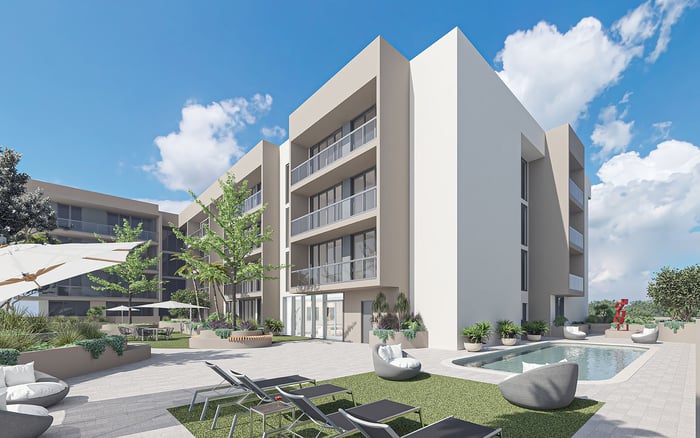
A buyer-focused comparison of Mila Bay Harbor Islands and Mr. C Tigertail Coconut Grove through construction diligence, façade exposure, association scale, and long-term reserve visibility.
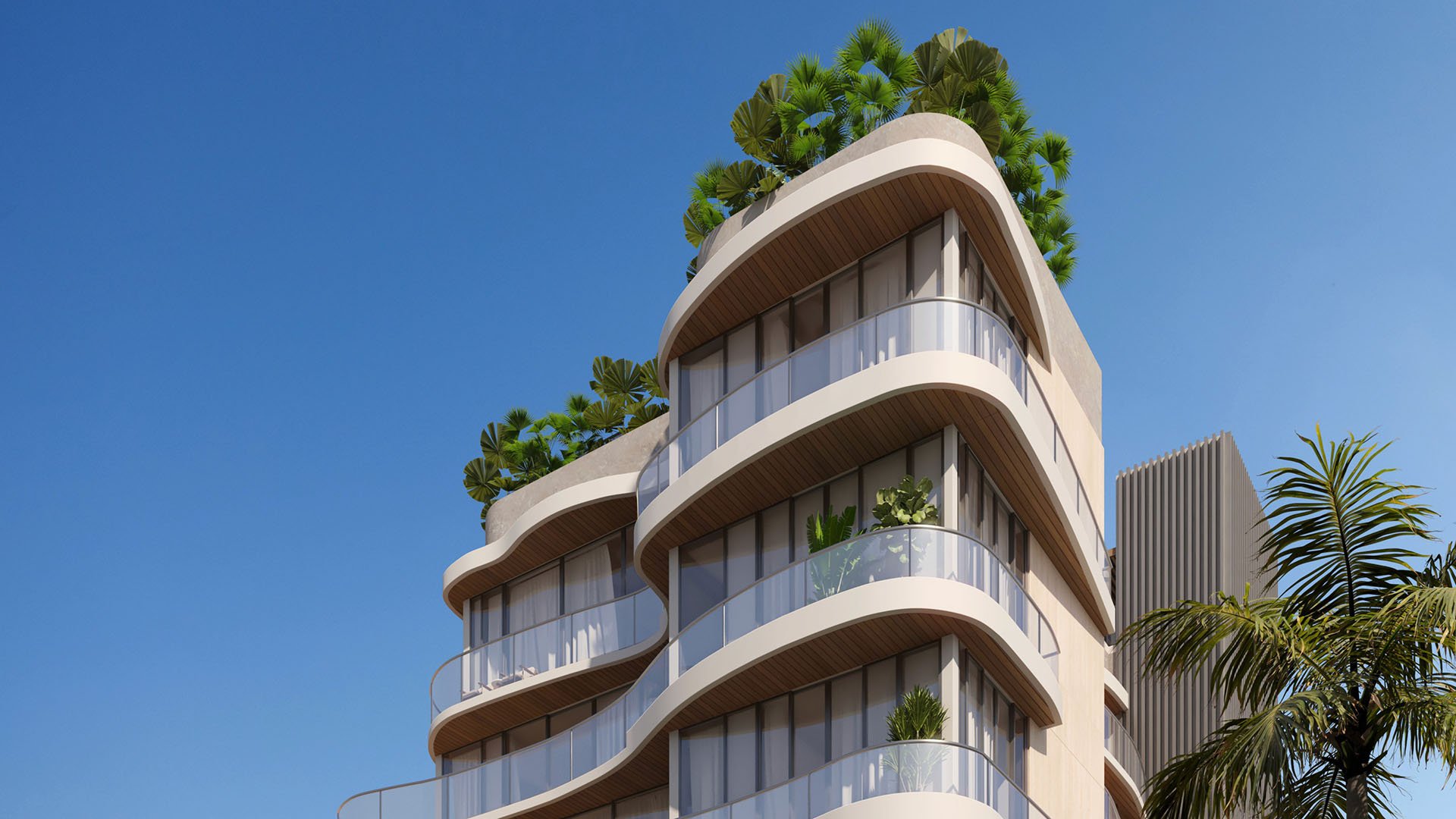
In South Florida’s luxury condominium market, the most disciplined buyers are looking beyond the sales gallery. The question is no longer only which residence offers the more seductive kitchen, the stronger arrival sequence, or the more photogenic amenity deck. It is whether the building’s long-term physical demands are legible before contract, and whether the association structure is prepared to fund them without surprising owners later.
That is the practical lens for Mila Bay Harbor Islands versus Mr. C Tigertail Coconut Grove. One is framed as an intimate, design-forward waterfront condominium in Bay Harbor Islands. The other is a branded residential tower in Coconut Grove, connected to a hospitality-influenced ownership model and an earlier Mr. C Residences concept. Both can appeal to the same refined buyer, but they ask different diligence questions.
The useful comparison, then, is not a simple matter of Bay Harbor calm versus Coconut Grove verticality. It is a comparison of exposure, scale, façade strategy, access logistics, service expectations, and how clearly future replacement reserves are presented to the purchaser.
Mila’s appeal begins with scale. An intimate luxury condominium can feel more private, more residential, and more personally managed than a larger tower. Boutique positioning often attracts buyers who want discretion rather than spectacle. Yet the same intimacy that can make a building feel rare also changes the economics of common-element ownership.
If fewer owners share the long-term cost of waterproofing, façade repairs, railings, glazing, mechanical systems, and other shared components, reserve planning becomes especially important. The point is not to assume weakness. The point is to understand how the building intends to fund predictable aging in a coastal environment.
Mila’s waterfront Bay Harbor Islands context also makes the exterior envelope a central topic. Salt air is not a lifestyle abstraction. It is a maintenance condition that can affect how buyers evaluate exterior sealants, balcony details, metal components, glazing systems, drains, coatings, and access for future work. A design-forward building may offer visual distinction, but design complexity should always be paired with clarity about serviceability.
A buyer comparing Mila with nearby Bay Harbor Islands offerings such as The Well Bay Harbor Islands should ask less about which building has the more fashionable identity and more about which documents make future capital needs easiest to understand.
Mr. C Tigertail Coconut Grove presents a different ownership equation. As a branded residential tower, it brings the vocabulary of service, standards, and operating consistency into the condominium analysis. For many buyers, that is part of the attraction. A brand can create expectations around hospitality, staffing, presentation, and daily experience.
But a branded tower also requires a buyer to separate two ideas that are often blended in marketing: service quality and building durability. The first is experienced every day. The second is tested over years. Tower-scale ownership introduces high-rise façade access, vertical system logistics, elevator and mechanical complexity, and more elaborate coordination when common elements eventually require repair or replacement.
The question is not whether brand adds value. In many luxury contexts, it can shape confidence and daily pleasure. The question is whether the reserve framework is as transparent as the service promise. For a buyer considering Mr. C Tigertail alongside established or emerging Grove options such as Four Seasons Residences Coconut Grove, the underwriting should include both the emotional value of the brand and the operational cost of keeping a vertical building performing at a high level.
Luxury buyers often ask, “Is it well built?” The better question is more specific: which systems will be expensive to access, maintain, inspect, or replace, and how will the association plan for them?
For Mila, the discussion naturally turns to waterfront exposure and the cost-sharing profile of a smaller association. Buyers should focus on the components that tend to matter most in a coastal residential building: exterior waterproofing, façade details, balcony and terrace systems, railings, glazing, roof assemblies, garage or podium conditions if applicable, mechanical equipment, and the inspection cadence contemplated by ownership documents.
For Mr. C Tigertail, the emphasis shifts toward tower logistics. High-rise components can be more expensive to reach, stage, and coordinate. Façade work may require specialized access. Mechanical replacement can demand more planning. Branded service expectations may also influence operating budgets, even before capital reserves are considered.
None of this diminishes the appeal of either property. It simply moves the buyer from aesthetic preference to ownership intelligence. New-construction buyers in South Florida should treat reserve visibility as part of luxury, not as an administrative afterthought.
Façade language is one of the most visible expressions of a luxury condominium. It is also one of the most expensive to maintain when details are difficult to access or replace. For both Mila and Mr. C Tigertail, the smart buyer will ask how the building’s exterior ambitions translate into long-term serviceability.
At Mila, a design-forward waterfront profile invites questions about how exterior details will perform in salt air and how the association will anticipate maintenance cycles. The smaller the owner base, the more important it becomes to understand whether reserves are meaningfully aligned with future envelope work.
At Mr. C Tigertail, the high-rise format makes access logistics central. Even when a tower is new, the future cost of vertical maintenance is part of today’s purchase decision. Buyers should ask how façade inspections, waterproofing, balcony systems, glazing, and mechanical access are addressed in budgets and ownership materials.
This is also why comparisons with other Coconut Grove addresses, including Park Grove Coconut Grove, are useful only when they move past lifestyle shorthand. The real conversation is about how each building’s form affects future operating and reserve exposure.
For a sophisticated buyer, a beautiful residence with opaque future obligations is less compelling than a beautiful residence with a clear capital plan. Replacement-reserve visibility does not remove all risk, but it changes the quality of the decision.
The key review items are straightforward. Buyers should look for reserve schedules, component categories, assumptions around useful life, anticipated replacement costs, insurance context, and the relationship between monthly assessments and future capital needs. They should ask whether façade, waterproofing, glazing, railing, roof, elevator, mechanical, and major amenity systems are treated with sufficient specificity.
Mila’s intimacy may appeal to an owner who wants fewer neighbors and a more private building culture. That same owner should be comfortable with the way a smaller association shares major capital obligations. Mr. C Tigertail’s brand and tower format may appeal to an owner who values service and presence. That owner should be equally comfortable with the cost structure required to maintain both the physical building and the operating standard.
Waterview premiums, brand premiums, and boutique scarcity can all be rational. They simply need to be evaluated with the same seriousness as any other long-term asset.
Mila Bay Harbor Islands and Mr. C Tigertail Coconut Grove are not interchangeable products. Mila asks the buyer to weigh privacy, waterfront exposure, design complexity, and the reserve implications of a more intimate association. Mr. C Tigertail asks the buyer to weigh branded residential expectations, tower-scale systems, vertical maintenance, and the visibility of long-term capital planning.
The more important point is that both buildings should be examined through the same disciplined lens. In South Florida, construction quality is not proven by a rendering, a finish board, or a lobby mood. It is revealed in documents, budgets, access plans, component assumptions, maintenance philosophy, and the willingness to show how elegance will be protected over time.
For the ultra-prime buyer, the best purchase is not necessarily the one that feels most luxurious on day one. It is the one whose long-term ownership structure remains understandable after the excitement of the presentation has passed.
Is Mila Bay Harbor Islands better for buyers who want privacy? Mila is framed as an intimate luxury condominium, so it may appeal to buyers who prefer a smaller residential setting. The tradeoff is that fewer owners may share future common-element costs.
Is Mr. C Tigertail Coconut Grove mainly a lifestyle purchase? It is a branded residential tower, so lifestyle and service are part of the proposition. Buyers should still evaluate tower systems, façade access, and reserve planning with care.
Why does waterfront exposure matter for Mila? Waterfront exposure makes salt air, exterior-envelope durability, waterproofing, railings, and glazing practical ownership concerns. These items should be visible in long-term planning.
Why does tower format matter for Mr. C Tigertail? A tower can involve more complex vertical access, mechanical systems, and façade maintenance logistics. Those factors can influence future operating and capital costs.
Should buyers compare finishes first? Finishes matter, but they are not the full ownership story. Reserve visibility, maintenance access, and component planning often reveal more about long-term value.
What documents should buyers request before contract? Buyers should review association budgets, reserve schedules, component assumptions, insurance context, and maintenance obligations. Professional legal and engineering review is prudent.
Does a branded residence reduce maintenance risk? A brand can support service expectations and consistency, but it does not eliminate building-system obligations. The reserve framework still needs to be understood.
Can a smaller condominium have higher assessment risk? It can, because major shared costs may be divided among fewer owners. The answer depends on the budget, reserves, component needs, and governance structure.
Is design complexity a concern? Design complexity is not inherently negative. Buyers should simply understand whether distinctive façade or exterior details are practical to maintain and replace.
Which building is the safer long-term choice? The safer choice is the one with clearer documents, more transparent reserve planning, and a cost structure the buyer understands. Lifestyle preference should follow that diligence.
For a confidential assessment and a building-by-building shortlist, connect with MILLION.
If branded residences are on your mind — as a home or as an allocation — we would be glad to share what we are seeing, privately.
Begin a quiet conversation