A buyer-focused comparison of The Estates at Acqualina Sunny Isles and Auberge Beach Residences & Spa Fort Lauderdale, centered on service style, privacy, daily operations, and the rhythm of oceanfront living.
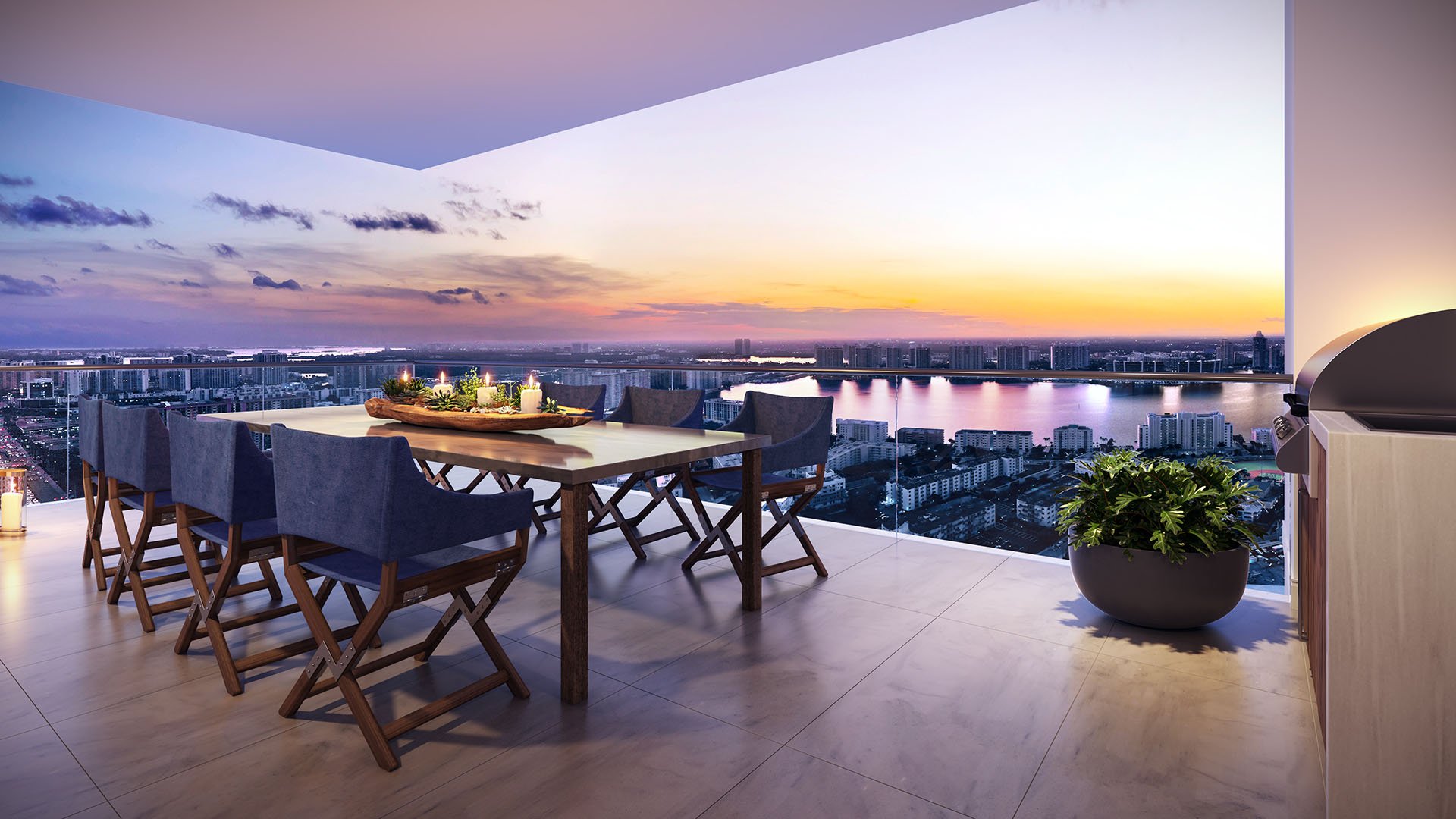
The comparison between The Estates at Acqualina Sunny Isles and Auberge Beach Residences & Spa Fort Lauderdale is not simply a matter of which address offers more amenities. At this level, both residences sit within South Florida’s hospitality-infused beachfront market, where service, wellness, food, beverage, and beach access shape perceived value as powerfully as architecture or views.
The more important question is operational: how does each property live at 8 a.m. on a school day, at 5 p.m. before dinner, or on a peak holiday weekend? Privacy in this segment is not only about square footage or elevator doors. It is about who moves through the lobby, how visible the staff presence feels, how restaurants and spas shape circulation, and whether the beach and pool experience feels residential, social, or resort-like.
The Estates at Acqualina is the more programmed, high-service, resort-residential choice. Auberge Beach is the calmer, wellness-anchored, Fort Lauderdale beachfront alternative. Neither is inherently better. They serve different definitions of luxury.
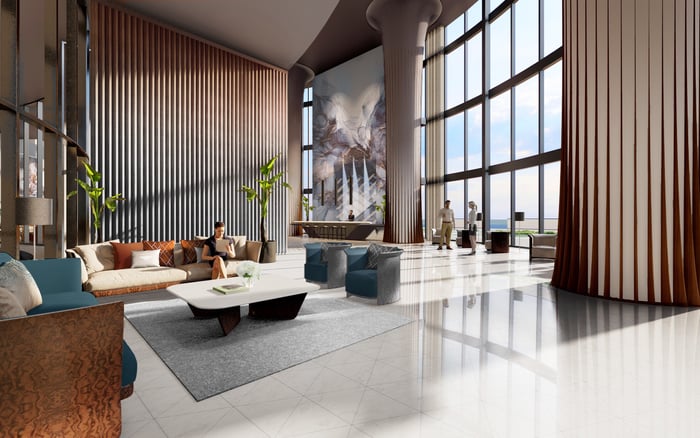
The Estates at Acqualina is positioned for buyers who want an immersive, all-inclusive luxury environment in Sunny Isles Beach. Its identity is closely tied to the broader Acqualina resort ecosystem, giving the property a distinctly serviced rhythm. This is not a lightly staffed condominium where residents pass through a quiet lobby and reappear only for the beach. It is designed around depth, convenience, and the availability of hospitality throughout the day.
That matters for multigenerational households, seasonal owners, and buyers who want daily life to be highly supported. The appeal is not only the oceanfront setting, but the sense that much of life can happen on property. For some owners, that means fewer logistics, fewer off-site errands, and stronger resort continuity. For others, the same intensity may feel too visible.
The likely tradeoff is activity. A deeper amenity and service menu can mean more staff movement, more programmed spaces, a stronger valet rhythm, and a livelier tone around shared areas. Buyers drawn to Sunny Isles’ hyper-luxury high-rise corridor often accept that exchange. In simple terms, The Estates at Acqualina favors the owner who wants the building to do more.
For taxonomy-minded buyers, this is also a Sunny Isles decision: a preference for vertical oceanfront luxury, polished resort energy, and a residential setting that embraces scale.
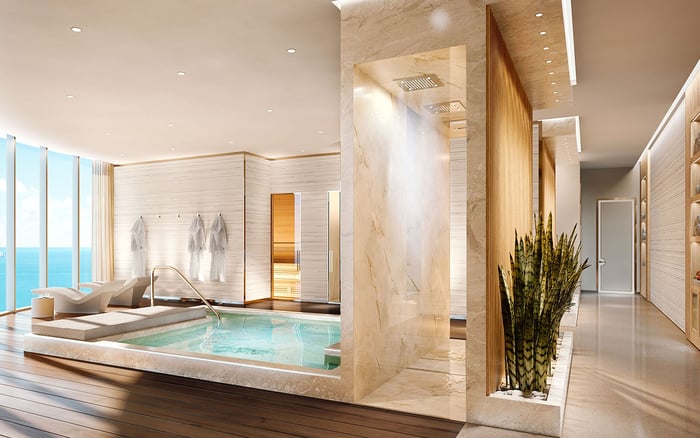
Auberge Beach Residences & Spa Fort Lauderdale approaches luxury with a different tempo. It still speaks the language of branded-residence service and hospitality, but its lifestyle identity is anchored more by wellness, spa, culinary experience, and beachfront ease than by maximal resort spectacle.
That distinction is meaningful. Auberge Beach is framed for buyers who want refined service without the feeling of constant programming. The daily cadence is more relaxed, and its Fort Lauderdale setting connects naturally to a city known for marine life, cultural assets, restaurants, and a more spread-out coastal rhythm. The result is a residence that can feel less like a grand resort stage and more like a polished beach house scaled upward.
The Fort Lauderdale buyer may be weighing not only this building, but a broader coastal lifestyle that includes boating, dining, and a less compressed beachfront environment. In that context, Four Seasons Hotel & Private Residences Fort Lauderdale often enters the same mental set: service matters, but so does the atmosphere outside the front door.
Auberge Beach is best suited to buyers who want a luxury residence with hospitality strength, without the same level of omnipresent resort activity.
At the ultra-premium end of the market, privacy should be studied practically. The most relevant questions are concrete. Who uses the lobby? How many nonresident visitors are drawn by restaurants, spa appointments, beach services, events, or family guests? How does valet perform during dinner hours or holiday weekends? Does the elevator experience feel private, social, or busy? Are the pool and beach areas quiet in the morning and animated later, or active throughout the day?
The Estates at Acqualina’s service depth can be a major advantage for buyers who want convenience close at hand. But a dense service ecosystem can also create more visible movement. Auberge Beach may introduce hospitality traffic through its own wellness, culinary, and beach-oriented components, yet its overall identity reads as less intense and more relaxed.
This is why an amenity checklist can mislead. A building with more services may feel richer, but also more public in certain moments. A building with a quieter cadence may feel more private, but less all-encompassing. The right answer depends on how the owner lives.
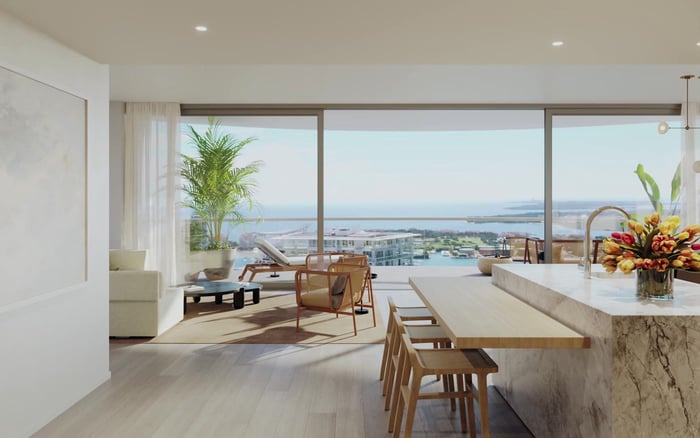
Oceanfront ownership magnifies these choices because the beach is both the greatest amenity and the most operationally sensitive space. Beach access is not just a lifestyle phrase. It affects staffing, chairs, towels, guest flow, service requests, and the owner’s sense of arrival.
The most sophisticated buyers test buildings through ordinary routines. If you are considering The Estates at Acqualina, ask whether you want a residence that can function like a private resort for children, guests, visiting relatives, and full seasonal occupancy. If the answer is yes, the active service model may be precisely the point.
If you are considering Auberge Beach, ask whether your ideal day starts quietly, moves through wellness or beach time, and ends with a more Fort Lauderdale-oriented dining or boating lifestyle. If so, the calmer branded-residence model may be the better fit.
Also ask what kind of privacy matters most. Some buyers want staff to anticipate every need and do not mind seeing that service machine in motion. Others want invisible support, fewer shared-space encounters, and a more discreet passage from residence to beach. Both expectations are valid, but they lead to different properties.
Nearby comparisons can sharpen the decision. In Sunny Isles, St. Regis® Residences Sunny Isles may appeal to buyers studying branded service along the same coastal corridor. In the Auberge universe, Shell Bay by Auberge Hallandale can help frame how Auberge-style hospitality translates in another South Florida setting.
The Estates at Acqualina is the stronger fit for the buyer who wants a dense, high-touch ecosystem. Think families who entertain often, owners who host multiple generations, seasonal residents who prefer to remain on property, and buyers who view visible service as part of the luxury experience. It is for those comfortable with a more animated resort-residential rhythm.
Auberge Beach is the stronger fit for the buyer who wants branded-residence quality with a softer atmosphere. It suits owners who value wellness, culinary access, beachfront living, and a calmer cadence. It also suits those who want Fort Lauderdale’s broader marine and urban context rather than Sunny Isles’ high-rise luxury concentration.
The decision is less about prestige and more about temperament. One address offers more comprehensive resort gravity. The other offers a quieter beachfront sensibility with strong hospitality underpinnings.
Which building has the more resort-like daily feel? The Estates at Acqualina is the more resort-like and highly programmed environment, with a deeper emphasis on on-site service.
Which residence is likely to feel calmer day to day? Auberge Beach is positioned with a more relaxed Fort Lauderdale beachfront cadence and less omnipresent programming.
Is privacy only about resident-only spaces? No. Operational privacy also depends on lobby flow, valet activity, spa use, restaurant traffic, beach service, and elevator patterns.
Who is The Estates at Acqualina best suited for? It fits buyers who want extensive daily conveniences, multigenerational usability, and a highly serviced Sunny Isles lifestyle.
Who is Auberge Beach best suited for? It fits buyers who want refined hospitality, wellness, beachfront living, and a quieter Fort Lauderdale rhythm.
Does more service always mean better living? Not always. More service can create convenience, but it may also bring more visible activity in shared spaces.
Why does the city setting matter? Sunny Isles offers a concentrated luxury high-rise corridor, while Fort Lauderdale adds marine, cultural, and urban lifestyle layers.
Should buyers compare amenity counts directly? Amenity counts help, but the better test is how those amenities affect everyday movement, privacy, and comfort.
Is Auberge Beach still a hospitality-driven residence? Yes. It offers a branded luxury environment, but its identity leans more toward wellness, spa, culinary, and beachfront calm.
What should buyers observe during a visit? Watch arrival, valet, elevator flow, pool activity, beach service, and how public-facing amenities influence the residential mood.
When you're ready to tour or underwrite the options, connect with MILLION.
If branded residences are on your mind — as a home or as an allocation — we would be glad to share what we are seeing, privately.
Begin a quiet conversation