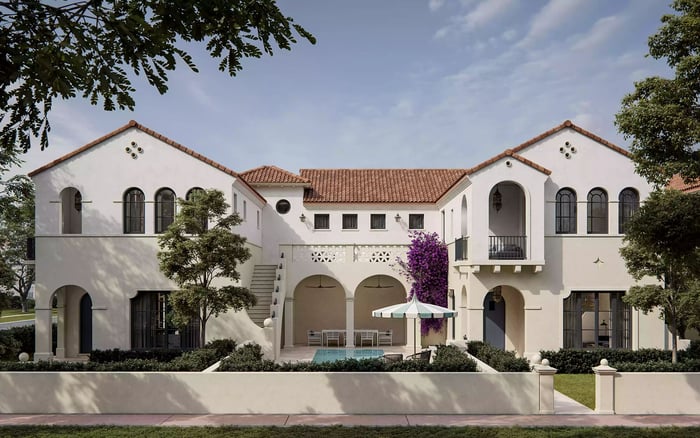
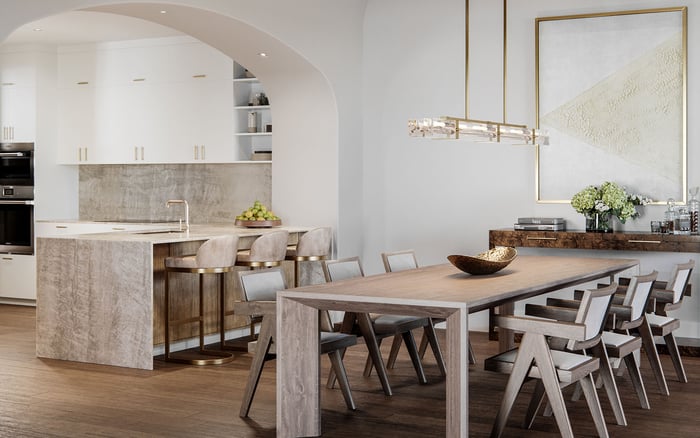
A buyer-focused comparison of The Village at Coral Gables and Four Seasons Residences Coconut Grove through the practical lens of balcony use, outdoor kitchen permissions, terrace durability, and rule-driven livability.
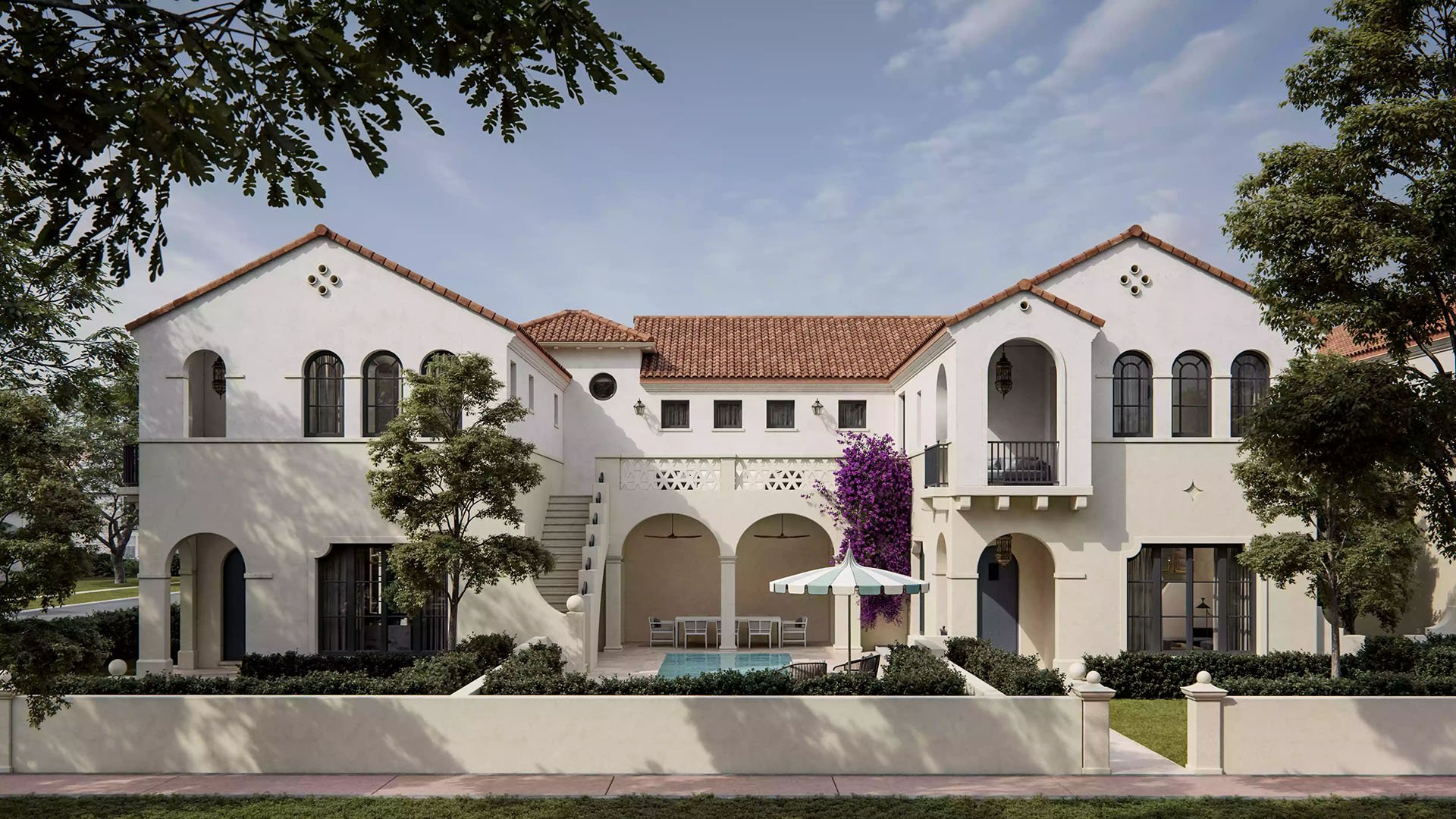
For buyers weighing The Village at Coral Gables against Four Seasons Residences Coconut Grove, the obvious temptation is to begin with the brand conversation. That is rarely where the most revealing answers are found. At this level of the market, both names enter the discussion because buyers expect design intention, service culture, privacy, and a strong sense of place. The more consequential question is simpler and more personal: how will the home perform outdoors on an ordinary Tuesday, a holiday dinner, or a humid summer evening after a storm?
That is where balcony rules, outdoor kitchen permissions, and terrace weather tolerance become decisive. A residence with a beautiful exterior space can still feel constrained if rules prohibit the way an owner naturally entertains. A large terrace can disappoint if furniture must be moved constantly, if cooking is limited, or if finishes require a level of vigilance the buyer did not anticipate. For buyers tracking Coral Gables and Coconut Grove opportunities, the smartest comparison is not which address sounds more impressive, but which one allows the lifestyle you will actually live.
Outdoor space is often described in square footage, but buyers should first define use. Will the terrace function as a quiet breakfast setting, a family dining area, a cocktail space, a garden room, or an extension of an interior entertaining salon? Each answer leads to a different due diligence path.
At The Village at Coral Gables, the buyer’s focus should be how exterior areas integrate with a more residential neighborhood rhythm. At Four Seasons Residences Coconut Grove, the question is how private residence expectations align with the ambiance buyers associate with hospitality-level living. Neither inquiry should stop at mood. The practical review should include governing documents, architectural guidelines, appliance restrictions, noise policies, hours of use, furniture placement rules, and storm preparation requirements.
A terrace that supports morning coffee and occasional seating is different from one intended for serious outdoor dining. A balcony that permits planters may not permit built-in cabinetry. A space that photographs beautifully may not be approved for the heat source, venting, or utility connections required by a true outdoor kitchen.
The word balcony sounds simple, but in luxury condominium living it can represent a dense set of permissions. Buyers should ask whether the rules distinguish between loose furniture, fixed furniture, planters, umbrellas, lighting, rugs, storage pieces, and decorative objects. The more curated a building’s exterior image, the more likely visible balcony elements are to be closely governed.
This is not inherently negative. Strict rules can preserve architectural consistency and protect long-term visual quality. They can also reduce clutter, limit noise, and create a calmer environment. But for an owner who imagines lush planting, evening lamps, an outdoor bar cart, or seasonal entertaining pieces, those rules may become friction.
The key is to review the actual restrictions before assigning lifestyle value to the outdoor area. Ask what can remain outside year-round, what must be removed during weather events, whether balcony doors or thresholds affect furniture movement, and whether cleaning, irrigation, or drainage expectations fall to the owner. A terrace or balcony is most valuable when its rules support repeated, effortless use.
Outdoor kitchens are where assumptions can become expensive. A buyer may see a generous terrace and imagine a grill, refrigeration drawers, a sink, stone counters, warming equipment, and integrated storage. Yet a building may allow none of that, some of it, or only a very specific version subject to approval.
The first question is not aesthetic. It is whether cooking equipment is permitted. If so, what kind? Electric, gas, induction, and other heat sources can be treated differently. Ventilation, fire safety, utility access, waterproofing, and load considerations may also shape what is possible. Even when an outdoor kitchen is allowed, there may be limits on installation methods, cabinetry materials, countertop selections, and the visibility of equipment from neighboring residences or public sightlines.
For The Village at Coral Gables versus Four Seasons Residences Coconut Grove, this issue should be resolved before emotional preference takes over. The better purchase is not the one with the more seductive rendering. It is the one whose rules, infrastructure, and approval process match the buyer’s outdoor dining expectations.
South Florida outdoor living is beautiful because it is exposed to light, breeze, humidity, and lush surroundings. Those same qualities make weather tolerance essential. A refined terrace should be evaluated for drainage, wind exposure, shade, material resilience, salt-air implications, and the practicality of securing furniture during storms.
Buyers should look beyond surface finishes. How quickly does water clear? Are thresholds designed to reduce intrusion risk? Are there areas that may receive wind-driven rain? Can cushions, lanterns, planters, and dining pieces be stored easily? Are selected materials appropriate for heat, moisture, and frequent cleaning? These questions are not pessimistic. They are part of owning well in a coastal climate.
A terrace that demands constant intervention can feel less luxurious over time. The most successful exterior spaces are those that remain elegant with reasonable maintenance, recover quickly after weather, and do not require an owner to reorganize the home every time the forecast shifts.
The lifestyle distinction can be framed as temperament. The Village at Coral Gables may appeal to buyers who want a composed residential setting, architectural continuity, and a sense of neighborhood permanence. Four Seasons Residences Coconut Grove may appeal to buyers who prioritize a recognized service sensibility and the atmospheric appeal of Coconut Grove.
Yet the outdoor-living decision should remain practical. If the desired lifestyle is dinner outside several nights a week, confirm cooking rules and dining layouts. If the priority is a calm balcony with greenery, confirm planter and irrigation rules. If the owner travels often, confirm storm protocols and whether outdoor furnishings can be managed without heroic effort.
This is also where new-construction expectations should be tempered by document review. New does not automatically mean permissive. In many luxury settings, newer buildings can have more detailed exterior standards because the overall architectural presentation is part of the value proposition.
Before choosing, create a three-column comparison: permitted use, weather performance, and maintenance burden. Under permitted use, list cooking, seating, planting, lighting, music, storage, and decorative elements. Under weather performance, consider exposure, drainage, shading, storm preparation, and material durability. Under maintenance burden, consider cleaning, approvals, replacement costs, and how often the outdoor space must be reset.
Then ask one final question: which residence lets the terrace behave like a room rather than a display? The answer may not be the louder brand. It will be the home whose rules and physical performance make outdoor living intuitive.
For sophisticated South Florida buyers, branding is only the invitation. The real luxury is a residence that lets daily life unfold exactly as imagined.
Should I choose based on brand reputation first? Brand reputation can be useful context, but it should not replace a review of balcony rules, terrace permissions, and day-to-day outdoor usability.
Why do balcony rules matter in a luxury residence? They determine what can actually be placed, stored, displayed, or used outside, directly shaping how private outdoor space functions.
Can I assume an outdoor kitchen is allowed if the terrace is large? No. Outdoor kitchens depend on building rules, safety requirements, utilities, and approval processes, not simply terrace size.
What should I ask about grills? Ask whether any cooking equipment is permitted, which heat sources are allowed, and whether installation requires prior written approval.
How should I evaluate terrace weather tolerance? Review drainage, wind exposure, shade, finish durability, storage options, and storm preparation obligations.
Is stricter balcony control always a disadvantage? Not necessarily. Stricter control can preserve architectural consistency, reduce clutter, and protect the overall residential environment.
Which is better for frequent outdoor dining? The better choice is the residence whose documents clearly allow the cooking, seating, lighting, and service setup you intend to use.
Should seasonal owners think differently about terraces? Yes. Seasonal owners should pay close attention to storm protocols, furniture storage, maintenance, and who handles preparation when they are away.
Do new residences automatically have better outdoor spaces? Not automatically. Newer residences may offer refined design, but they can also have detailed exterior rules that limit certain uses.
What is the best way to shortlist comparable options for touring? Start with location fit, delivery status, and daily lifestyle priorities, then compare stacks and elevations to validate views and privacy.
For a confidential assessment and a building-by-building shortlist, connect with MILLION.
If branded residences are on your mind — as a home or as an allocation — we would be glad to share what we are seeing, privately.
Begin a quiet conversation