South Florida’s luxury market is never truly off, but it is undeniably seasonal. Snowbird arrivals concentrate between November and April, adding roughly a million residents statewide at peak and tightening everything from showing calendars to restaurant reservations. For 2026, sophisticated buyers and sellers can treat seasonality less as a headache and more as a strategy: list when demand is most emotional, negotiate when heat and humidity soften competition, and manage ownership with tax, HOA, and vacancy realities in mind.
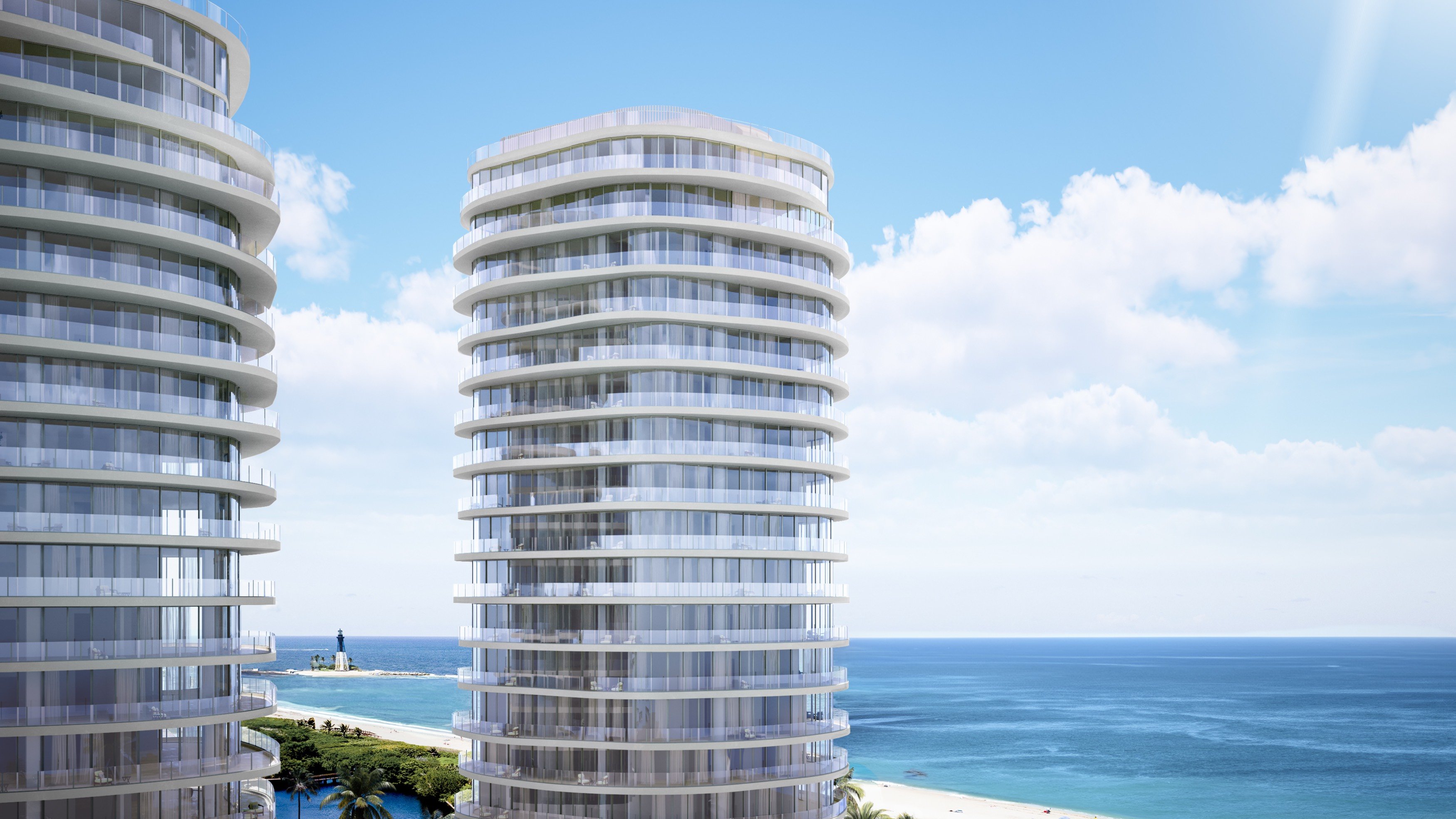
South Florida luxury real estate trades on lifestyle-and it is also governed by timing. Each winter, Florida’s population typically swells by about one million seasonal residents, a meaningful shift that concentrates demand, compresses schedules, and intensifies competition for the most turnkey, best-located residences. Snowbird season tends to begin around November, builds sharply through December and January, then eases as departures start in April and run into early May.
For buyers and sellers, that rhythm creates two distinct markets within one geography. Winter is the market of immediacy: faster decisions, fewer concessions, and heightened sensitivity to views, finishes, and convenience. Summer is the market of due diligence: longer days on market, more room for inspection credits, and a calmer pace for evaluating buildings, boards, and budgets.
In practice, “season” is less a date on a social calendar and more a predictable pattern of constraints.
November typically marks the first real lift: second-home owners return, friends visit, and waterfront neighborhoods take on a noticeably more kinetic pace. December and January often bring the largest arrival wave, when buyers prefer to tour in person and want closings aligned with school calendars, travel plans, and the feeling of “wintering well.”
By February and March, the market tends to be fully priced-in: the best inventory is often under contract or positioned at aspirational pricing, and bidding intensity can rise when new product hits the market. April into early May begins the unwind, as seasonal owners depart and the daily frictions of peak season begin to loosen.
The effect is most pronounced in counties that routinely attract seasonal residents, including Miami-Dade, Broward, and Palm Beach, with meaningful winter clustering also seen on the Gulf Coast and inland counties. In Palm Beach County, the seasonal bump is often described in the hundreds of thousands-one reason certain corridors feel “international” in winter and distinctly “local” in summer.
Seasonality does not change the intrinsic value of a great property. It changes the balance of leverage.
In winter, demand typically tightens competition and can push pricing upward, especially in coastal and luxury pockets where inventory is finite and lifestyle is the product. Any premium paid during peak months is often less about square footage and more about certainty: buyers value immediate move-in readiness, walk-to-dining convenience, and the ease of stepping into a familiar routine.
In summer, search activity typically dips and days on market can lengthen. For buyers, that can translate into more patient negotiations and broader room for inspection discussions, HOA document review, and timing requests. For sellers, summer rewards a sharper operating posture: thoughtful staging, immaculate maintenance, and pricing discipline matter more than relying on seasonal momentum.
A 2026 nuance: market commentary has discussed the potential for notable price declines in some Florida metros, while Miami is often framed as closer to flat or slightly up. The takeaway for South Florida luxury is not to assume a uniform direction-it is to localize assumptions down to the neighborhood, the building, and even the line.
South Florida’s winter surge lands differently depending on how “ready-made” the lifestyle is.
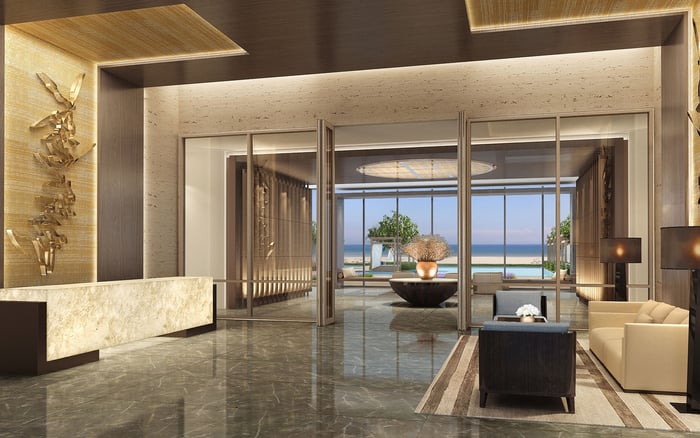
Miami Beach can feel like the definition of seasonal intensity: walkability, ocean access, and a social calendar that makes buyers emotional. For those prioritizing a refined, low-friction pied-à-terre, residences such as Five Park Miami Beach align with the season’s preference for turnkey living and proximity to everything.
Brickell and Downtown often attract buyers who want a winter base that also functions as a serious home office. Remote work has broadened the snowbird profile beyond the traditional 50 to 69 age band to include more buyers in their 40s and early 50s, increasing demand for buildings with strong amenities and location efficiency. In that context, 2200 Brickell speaks to a buyer who wants a residential atmosphere while staying close to the city’s commercial spine.
Surfside and Bal Harbour tend to reward those who value discretion and oceanfront calm. They also illustrate how peak season tightens service access-from valet lines to contractor scheduling. A residence like The Surf Club Four Seasons Surfside fits the winter mentality of “arrive and exhale,” with hospitality-forward living that absorbs the season’s logistical pressure.
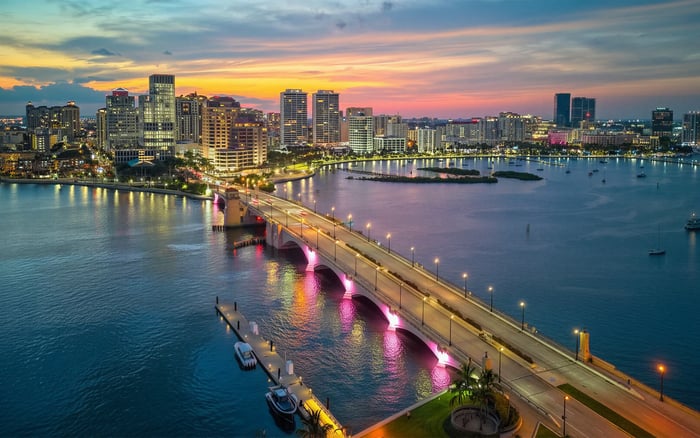
West Palm Beach has become an increasingly serious option for buyers who want a winter lifestyle with a different scale and a slightly quieter cadence. If your 2026 plan includes both lock-and-leave simplicity and proximity to cultural and dining scenes that flare in winter, Alba West Palm Beach is the kind of address that matches the season’s preference for convenience.
For luxury second-home owners, property taxes are not merely a line item; they are a strategy variable.
Florida’s “Save Our Homes” cap limits annual assessed-value increases on homesteaded primary residences, generally at 3% or CPI, whichever is less. That cap does not apply to non-homestead second homes and many rentals, which can translate into faster assessment growth and less predictability year to year. In other words, two similar homes can carry meaningfully different tax bills depending on homestead status and assessment history.
Florida’s Amendment 5, implemented in 2025, indexes part of the homestead exemption to inflation, potentially improving the benefit over time beyond the traditional headline cap. For seasonal owners considering a shift from “winter home” to “primary residence,” the domicile decision can be financially meaningful-but it still needs to align with your broader life and legal plan.
If 2026 is the year you may claim Florida as your primary domicile, a common checklist includes practical steps like a Florida driver’s license and registration, voter registration, and consistent use of the Florida address across records. Precision matters, and so does consistency.
Peak season is not only about demand; it is about how buildings perform when they move from partially occupied to nearly full.
For condos and HOAs, the pre-season playbook often centers on parking enforcement, security and access controls, and proactive resident communications ahead of seasonal arrivals. These “soft” operational details can have hard quality-of-life consequences: a well-run arrival season is quieter, safer, and more private.
Associations are also evolving their governance mechanics. A 2025 statutory update added requirements enabling condo associations to accept emailed or electronically transmitted ballots with specific procedures and disclosures. For owners, it is one more reason to read building notices carefully and keep contact details current, especially if you spend long stretches out of state.
Luxury homes are engineered for comfort, but they still depend on the fundamentals: water lines, drains, HVAC, and seals. Vacant units carry heightened risk, particularly from water and plumbing issues that can go unnoticed.
Many building managers and associations encourage policies like notifying management if you are away for more than two weeks, along with clear access protocols for emergencies. For single-family homes and some condos, “home watch” services marketed to seasonal owners typically provide periodic inspections, storm checks, thermostat monitoring, and coordination of maintenance or repairs. The goal is not to micromanage a property; it is to keep small failures from turning into restoration projects.
This also affects your resale narrative. A meticulously maintained seasonal residence tends to show better: fewer humidity-related odors, fewer cosmetic issues, and cleaner mechanical records. In a market where buyers are increasingly selective, this kind of “invisible stewardship” can be the deciding factor.
Some luxury owners plan to offset carrying costs with rental income, especially when they are not in residence. In Florida, licensing and state tax rules can apply to many “transient” rentals, and local governments often add layers such as registration, inspection, occupancy limits, parking rules, and noise or nuisance standards.
For high-end condos, the more consequential constraint is often the building’s own rules: minimum lease terms, approval processes, and restrictions designed to preserve privacy and security. Before you underwrite any rental scenario for 2026, treat the condo documents as primary, and treat local compliance as non-negotiable.
Luxury buyers tend to focus on the residence, but the highest-value addresses also rely on an ecosystem: roads, utilities, and public services that must perform under seasonal stress.
Traffic is a tangible example. Seasonal congestion is regularly framed as a safety issue, and Florida traffic crashes have been described as increasing about 7% in winter months. The practical implication is simple: in peak season, proximity becomes a form of luxury. Being closer to preferred dining, beach access, and daily routines reduces time in transit and increases quality of life.
Utilities also matter. Public water-supply demand in the Lower East Coast Planning Area is projected to grow from about 889.64 million gallons per day in 2021 to about 1,046.52 million gallons per day by 2045. Seasonal peaks sit on top of longer-term growth, reinforcing why resilient planning and well-capitalized municipalities matter to the ultra-premium buyer.
For sellers, winter is not “better” by default. It is simply more crowded, more emotional, and less forgiving of flaws.
For buyers, the strategy can be equally specific.
The strongest 2026 decisions will not be driven by headlines. They will be driven by alignment: lifestyle, tax posture, building operations, and a realistic understanding of what seasonality does to competition.
When does snowbird season typically start and end in South Florida? It generally begins around November, peaks with arrivals in December and January, and starts easing as departures begin in April into early May.
How much does Florida’s population increase during peak snowbird months? The winter surge is often described as roughly one million additional seasonal residents statewide, around a 5% increase.
Does winter season usually raise prices in luxury coastal markets? Winter demand often increases competition and can pressure prices upward, especially where inventory is limited and lifestyle is the product.
Is summer a better time to negotiate on a South Florida purchase? Summer typically brings lower search activity and longer days on market, which can improve buyer leverage in negotiations.
Are snowbirds still mostly retirees? Many are still in the traditional 50 to 69 range, but remote work has expanded the mix to include more buyers in their 40s and early 50s.
Why do second homes face different property-tax dynamics than primary residences? The Save Our Homes cap generally applies to homesteaded primary residences, not most second homes, which can see assessed values rise more quickly.
What practical steps support establishing Florida as a primary domicile? Common steps include obtaining a Florida driver’s license and registration, registering to vote, and consistently using a Florida address across records.
What should condo owners do before leaving for the summer? Follow building protocols for absences, keep access instructions current, and reduce vacancy risks like water or HVAC issues.
Are short-term rentals always allowed in Florida luxury condos? No; state and local rules can apply, and many buildings impose stricter minimum lease terms and approval processes.
Does peak season affect day-to-day livability beyond real estate? Yes; traffic and service demand can rise in winter, making walkability and proximity to routines feel especially valuable.
For a confidential assessment and a building-by-building shortlist, connect with MILLION Luxury.
If branded residences are on your mind — as a home or as an allocation — we would be glad to share what we are seeing, privately.
Begin a quiet conversation